Janet K. Halfyard - Böcker
Visar alla böcker från författaren Janet K. Halfyard. Handla med fri frakt och snabb leverans.
8 produkter
8 produkter
2 150 kr
Skickas inom 10-15 vardagar
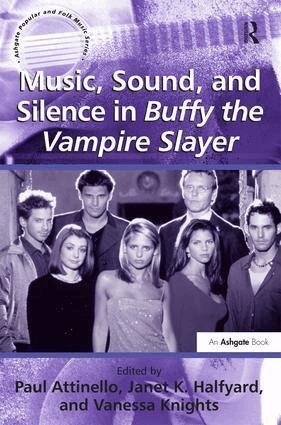
The intense and continuing popularity of the long-running television show Buffy the Vampire Slayer (1997-2003) has long been matched by the range and depth of the academic critical response. This volume, the first devoted to the show's imaginative and widely varied use of music, sound, and silence, helps to develop an increasingly important and inadequately covered area of research - the many roles of music in contemporary television. In addressing this significant gap, this book provides an exemplary overview of the functions of music and sound in the interpretation of a television show. This is done through analyses that focus on scoring and source music, the title theme, the music production process, the critically acclaimed musical episode (voted number 13 in Channel Four's One Hundred Greatest Musicals), the symbolic and dramatic use of silence, and the popular reception of the show by its international fan base. In keeping with contemporary trends in the study of popular musics, a variety of critical approaches are taken from musicology, cultural studies, and media and communication studies, specifically employing critique, musical analysis, industry studies, and hermeneutics.
649 kr
Skickas inom 10-15 vardagar
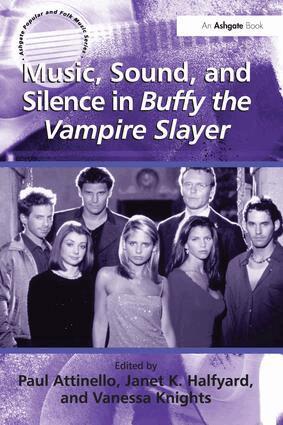
The intense and continuing popularity of the long-running television show Buffy the Vampire Slayer (1997-2003) has long been matched by the range and depth of the academic critical response. This volume, the first devoted to the show's imaginative and widely varied use of music, sound, and silence, helps to develop an increasingly important and inadequately covered area of research - the many roles of music in contemporary television. In addressing this significant gap, this book provides an exemplary overview of the functions of music and sound in the interpretation of a television show. This is done through analyses that focus on scoring and source music, the title theme, the music production process, the critically acclaimed musical episode (voted number 13 in Channel Four's One Hundred Greatest Musicals), the symbolic and dramatic use of silence, and the popular reception of the show by its international fan base. In keeping with contemporary trends in the study of popular musics, a variety of critical approaches are taken from musicology, cultural studies, and media and communication studies, specifically employing critique, musical analysis, industry studies, and hermeneutics.
544 kr
Skickas inom 10-15 vardagar
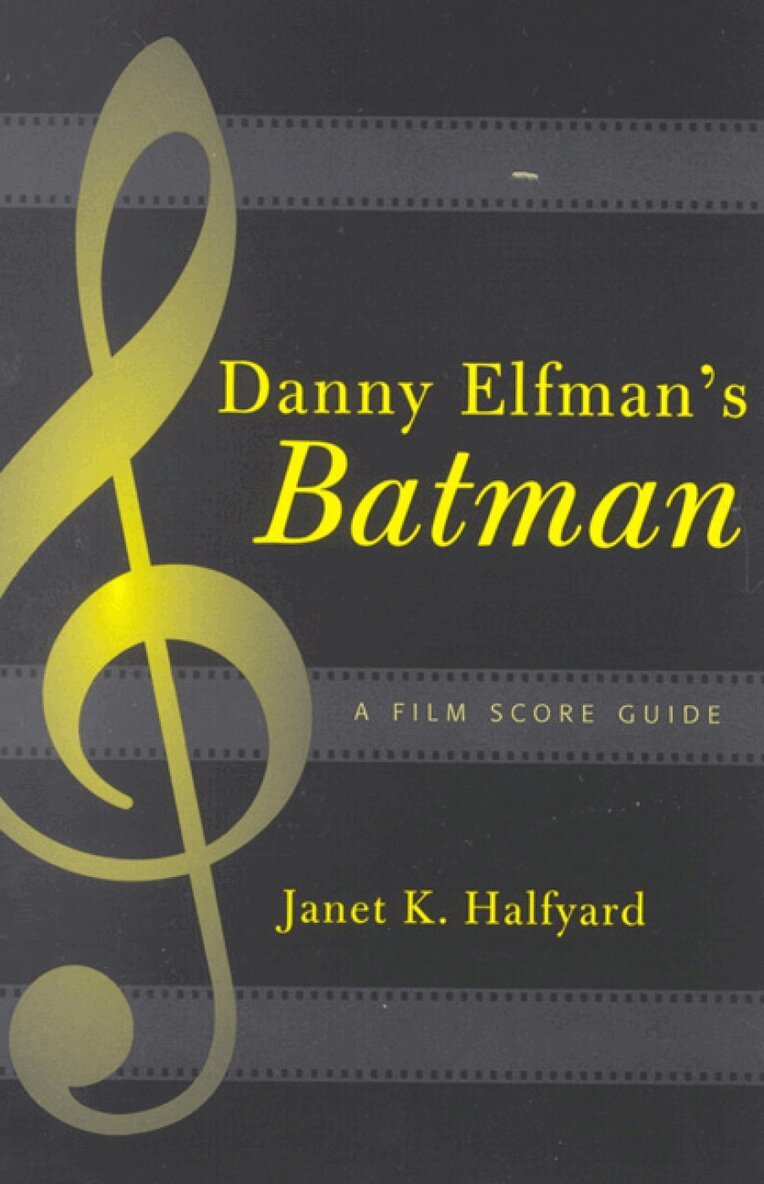
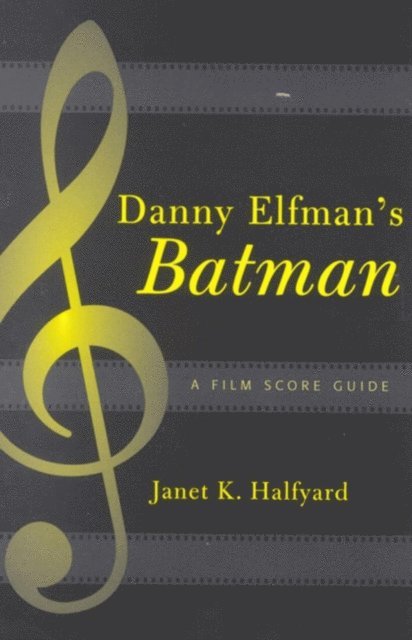
Danny Elfman is recognized as one of the most successful, interesting, and innovative figures in recent film music composition. He came to the fore in the late 1980s in connection with his collaboration with Tim Burton on his films including Pee-Wee's Big Adventure (1985), Beetlejuice (1988), Batman (1989), Edward Scissorhands (1990), The Nightmare before Christmas (1993), and Sleepy Hollow (1999). In addition to this, Elfman has composed music for more than 40 other films, including Somersby (1993), Dolores Claibourne (1995), Good Will Hunting (1997), Men in Black (1997), and Spiderman (2002).Beetlejuice was the first mainstream commercial success of the collaboration, but Batman was the film which marked Tim Burton's arrival as a major figure in Hollywood film direction, and equally established Danny Elfman as a film score composer, particularly in relation to action and fantasy genres. The score for Batman won a Grammy in 1989 and is an outstanding example of his collaboration with Burton as well as admirably demonstrating his particular talents and distinctive compositional voice. In particular, it displays the characteristic "darkness" of his orchestration in this genre and the means he uses to create a full length film score from what is often a relatively small amount of musical material, in this case the famous Batman theme. This book examines Elfman's scoring technique and provides a detailed analysis and commentary on the Batman score. The film is discussed in the context of its comic-book origins and the fantasy-action genre, setting it and its score against the late 1970s and early 1980s equivalents such as Star Wars and Superman, and revealing how Burton and Elfman between them changed the cinematic idea of what a superhero is. The book also explores Elfman's musical background, his place within the film music industry and the controversy that sprang up following the release of B
381 kr
Skickas inom 5-8 vardagar
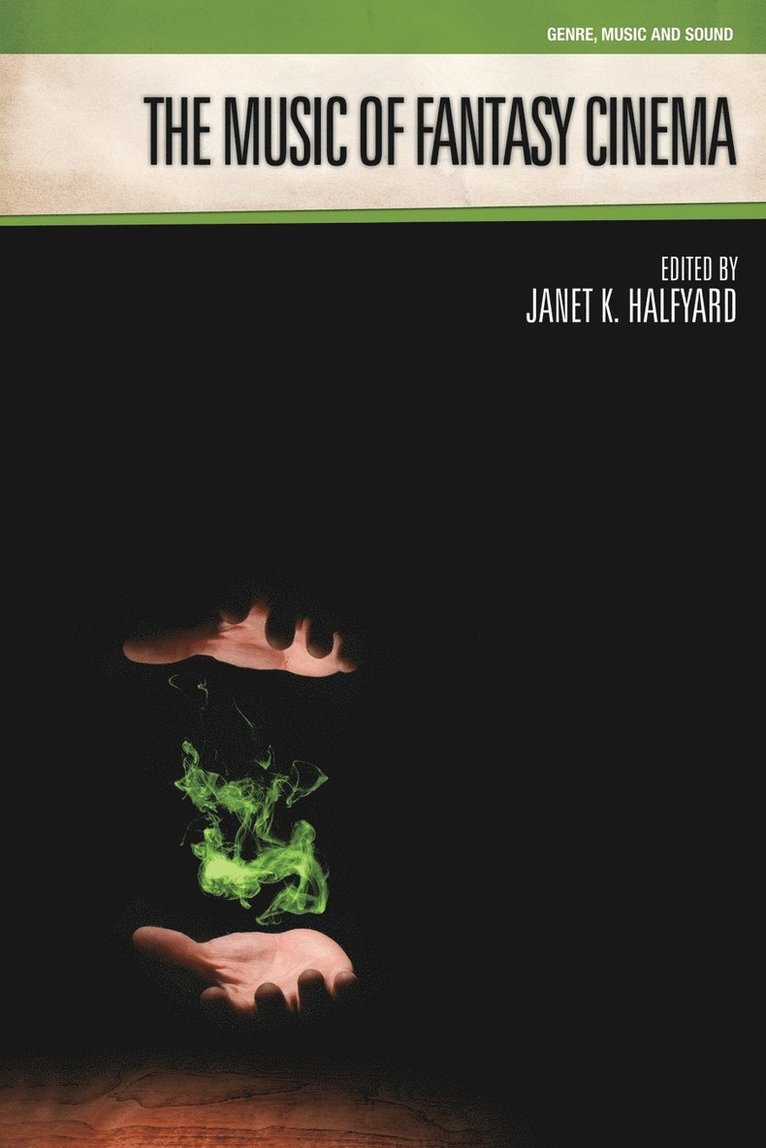
Fantasy has had a modern resurgence in cinema due largely to the success of superhero narratives and the two major fantasy series, the Lord of the Rings and Harry Potter. Often regarded as mere escapism, works of both literature and cinema wishing to be taken seriously by the public, by critics and by academics have tended to shelter under the euphemistic umbrella of Magic Realism and, until very recently, there has been a general lack of serious academic work concerned with fantasy as a genre. This volume explores the way in which music and sound articulate the fantastic in cinema and contribute to the creation of fantasy narratives. Apart from the accusation of frivolous escapism that attaches itself to the fantasy genre, another issue is the lack of a single and simple definition of what fantasy is: the consensus of academic opinion appears to be that fantasy invokes the magical within its narratives as the means by which to achieve what would be impossible in our own reality, as compared to sci-fi's as-yet unknown technologies and horror's dark and deadly supernatural forces.Fantasy remains problematic, however, because it defies many of the conventional mechanisms by which genre is defined such as setting, mood and audience. In a way quite unlike its co-genres, fantasy moves with infinite flexibility between locations - the world (almost) as we know it, historical, futuristic or mythic locations; between moods - heroic, epic, magical; and between audiences - children, teens, adults. In English-language cinema, it encompasses the grand mythic narratives of Lord of the Rings, Legend and The Seventh Voyage of Sinbad, the heroic narratives of Superman, Flash Gordon and Indiana Jones and the magical narratives of Labyrinth, Edward Scissorhands and the Harry Potter series, to name just some of films that typify the variety that the genre offers. What these films all have in common is a requirement that the audience accepts the a fundamental break with reality within the diegesis of the filmic narrative, and embraces magic in its many and various forms, sometimes benign, sometimes not.This volume examines music in fantasy cinema across a broad historical perspective, from Bernard Herrmann's scores for Ray Harryhausen, through the popular music scores of the 1980s to contemporary scores for films such as The Mummy and the Harry Potter series, allowing the reader to see not only the way that the musical strategies of fantasy scoring have changed over time but also to appreciate the inventiveness of composers such as Bernard Herrmann, John Williams, Jerry Goldsmith, Danny Elfman and Elliot Goldenthal, and popular musicians such as Queen and David Bowie in evoking the mythic, the magical and the monstrous in their music for fantasy film.
346 kr
Skickas inom 7-10 vardagar
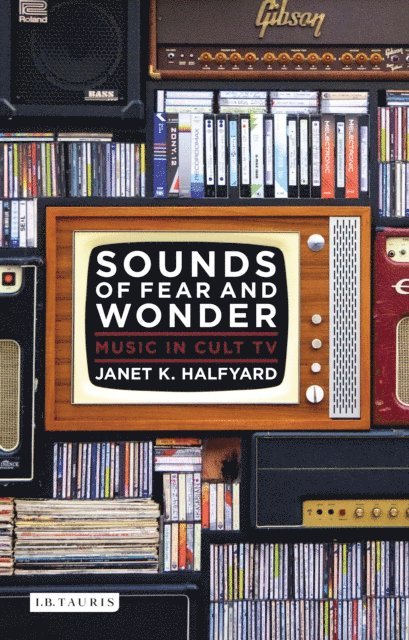
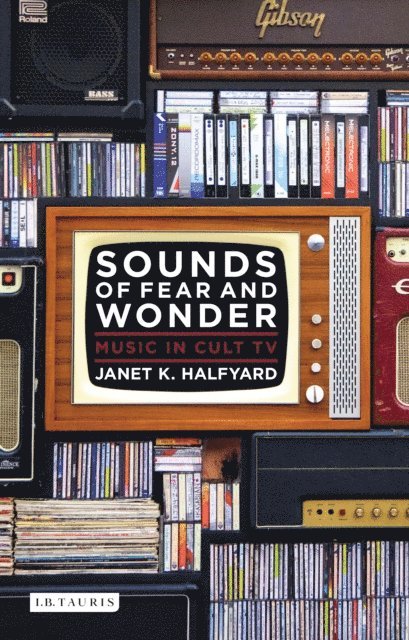
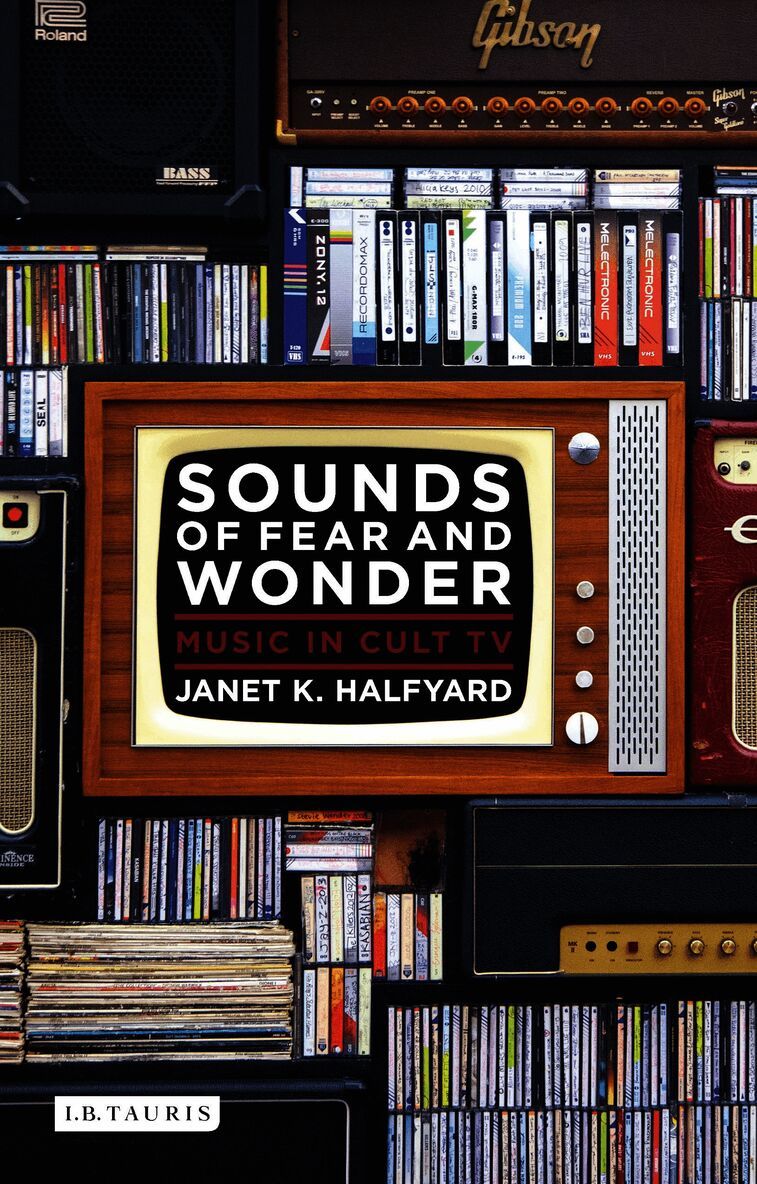
Characters and plot developments, similarly, are enhanced by their musical accompaniment. The different scoring strategies employed in supernatural and horror-based genres, comprising for example True Blood and Supernatural, are considered alongside cult shows set in our reality, such as Dexter, The Sopranos and 24. These discussions are complimented by in-depth case studies of musical approaches in two high-profile series: Buffy the Vampire Slayer and Hannibal. Written from a musicological standpoint but fully accessible to non-musicologists, the book significantly advances television and music studies.
1 212 kr
Skickas inom 5-8 vardagar
Fantasy has had a modern resurgence in cinema due largely to the success of superhero narratives and the two major fantasy series, the Lord of the Rings and Harry Potter. Often regarded as mere escapism, this genre has been neglected as the subject of serious academic work. This volume explores the way in which music and sound articulate the fantastic in cinema and contribute to the creation of fantasy narratives. Fantasy invokes the magical within its narratives as the means by which to achieve what would be impossible in our own reality, as compared to sci-fi's as-yet unknown technologies and horror's dark and deadly supernatural forces. Fantasy remains problematic, however, because it defies many of the conventional mechanisms by which genre is defined such as setting, mood and audience. In a way quite unlike its co-genres, fantasy moves with infinite flexibility between locations - the world (almost) as we know it, historical, futuristic or mythic locations; between moods - heroic, epic, magical; and between audiences - children, teens, adults.In English-language cinema, it encompasses the grand mythic narratives of Lord of the Rings, Legend and The Seventh Voyage of Sinbad, the heroic narratives of Superman, Flash Gordon and Indiana Jones and the magical narratives of Labyrinth, Edward Scissorhands and the Harry Potter series, to name just some of films that typify the variety that the genre offers. What these films all have in common is a requirement that the audience accepts the a fundamental break with reality within the diegesis of the filmic narrative, and embraces magic in its many and various forms, sometimes benign, sometimes not.This volume examines music in fantasy cinema across a broad historical perspective, from Bernard Herrmann's scores for Ray Harryhausen, through the popular music scores of the 1980s to contemporary scores for films such as The Mummy and the Harry Potter series, allowing the reader to see not only the way that the musical strategies of fantasy scoring have changed over time but also to appreciate the inventiveness of composers such as Bernard Herrmann, John Williams, Jerry Goldsmith, Danny Elfman and Elliot Goldenthal, and popular musicians such as Queen and David Bowie in evoking the mythic, the magical and the monstrous in their music for fantasy film.
3 027 kr
Skickas inom 10-15 vardagar
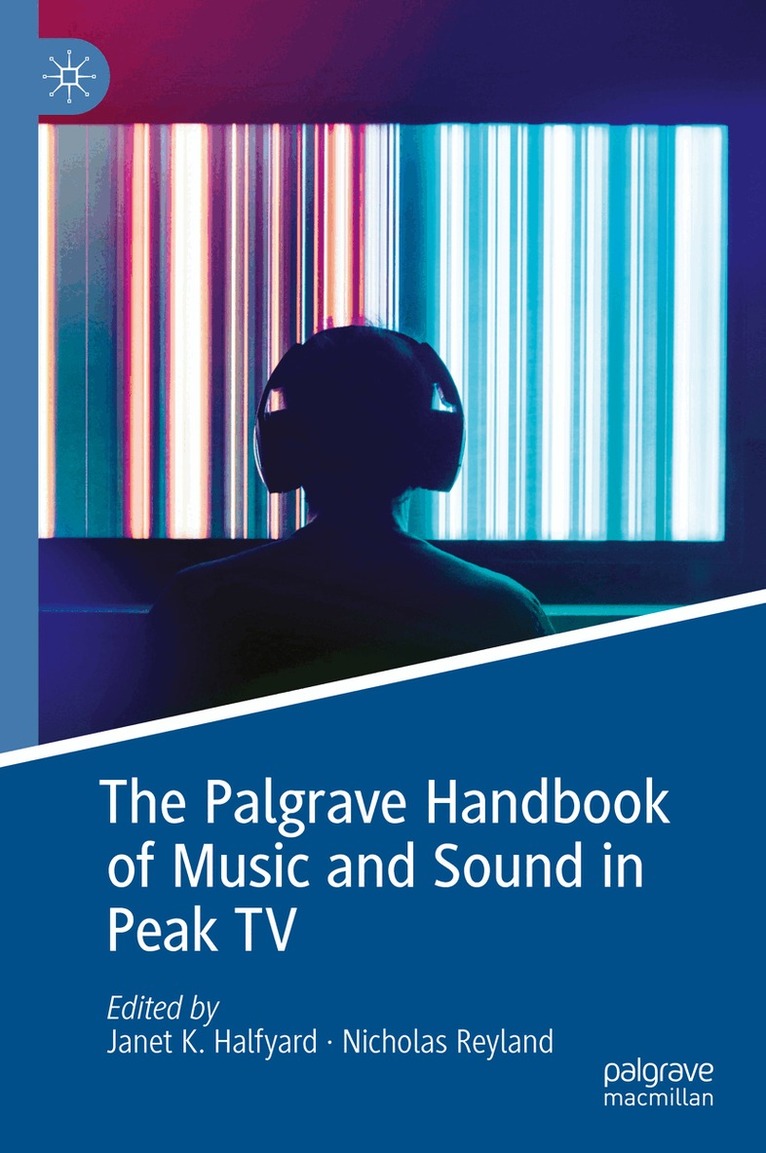
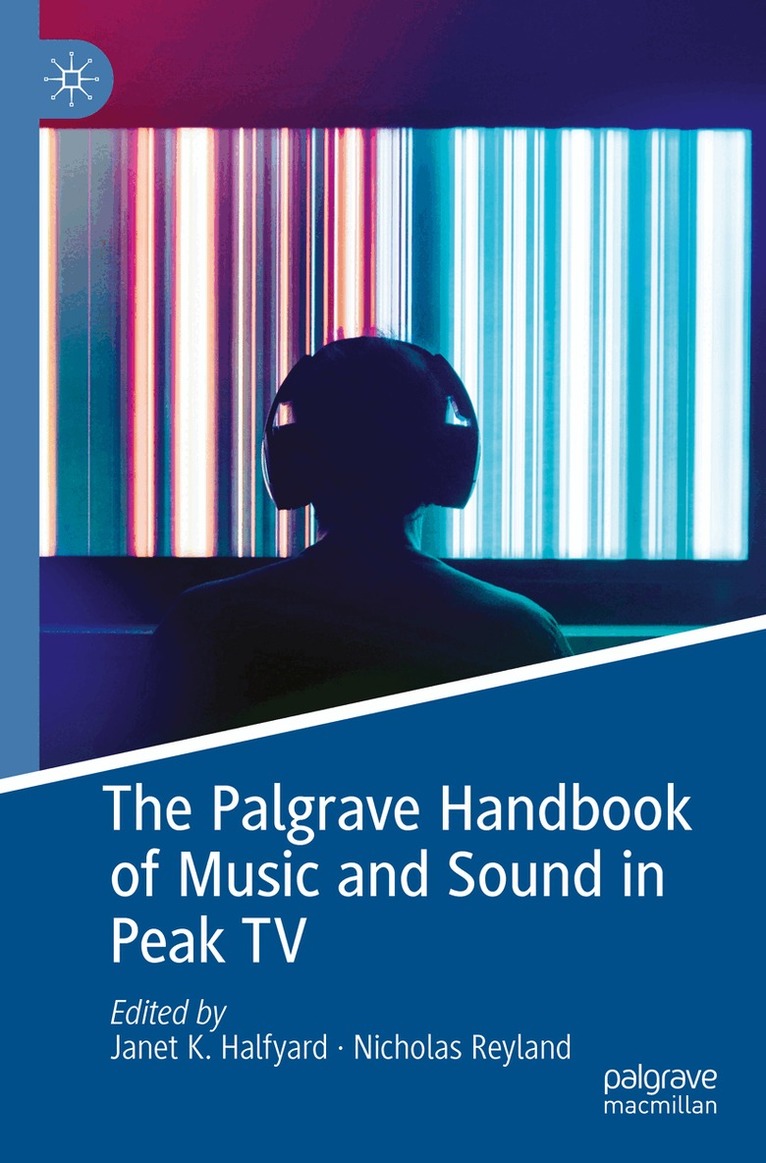
The Palgrave Handbook to Music and Sound in Peak TV charts the transformation of television’s sonic storytelling during the new “golden age” of televisual narrative from the late 1990s to the early 2020s. Grounded in close analytical, critical, and theoretical work identifying the key traits of music and sound in this “peak TV” period, the book casts its critical net wider to develop interpretations of significance not just for screen music studies and musicology, but for screen and media studies too. By theorizing “peakness” with respect to sound and music, and by drawing together contributions from a diverse collection of prominent musicologists, media scholars, and practitioners, this handbook provides the authoritative guide to the role music has played in creating the success of some of the most culturally and commercially significant popular art of the early twenty-first century.The volume contains 25 essays in three main sections—Concepts and Aesthetics, Practices and Production, and Audiences and Interpretations. Topics discussed include peakness, complexity, ostentatious scoring, antiheroes, memory, franchises, worldbuilding, nostalgia, maternity, trauma, actor’s voices, title sequences, library music, branding, queer/camp scoring, kids TV, captioning, industry practices, HBO, and sound design. Shows examined include The Sopranos, The Wire, Game of Thrones, Battlestar Galactica, Westworld, Buffy the Vampire Slayer, Stranger Things, The Bridge, Dexter, Killing Eve, Mad Men, American Horror Story, Rings of Power, Fargo, Peaky Blinders, Call the Midwife, Twin Peaks, and Twin Peaks: The Return.
2 703 kr
Skickas inom 10-15 vardagar
The Palgrave Handbook to Music and Sound in Peak TV charts the transformation of television’s sonic storytelling during the new “golden age” of televisual narrative from the late 1990s to the early 2020s. Grounded in close analytical, critical, and theoretical work identifying the key traits of music and sound in this “peak TV” period, the book casts its critical net wider to develop interpretations of significance not just for screen music studies and musicology, but for screen and media studies too. By theorizing “peakness” with respect to sound and music, and by drawing together contributions from a diverse collection of prominent musicologists, media scholars, and practitioners, this handbook provides the authoritative guide to the role music has played in creating the success of some of the most culturally and commercially significant popular art of the early twenty-first century.The volume contains 25 essays in three main sections—Concepts and Aesthetics, Practices and Production, and Audiences and Interpretations. Topics discussed include peakness, complexity, ostentatious scoring, antiheroes, memory, franchises, worldbuilding, nostalgia, maternity, trauma, actor’s voices, title sequences, library music, branding, queer/camp scoring, kids TV, captioning, industry practices, HBO, and sound design. Shows examined include The Sopranos, The Wire, Game of Thrones, Battlestar Galactica, Westworld, Buffy the Vampire Slayer, Stranger Things, The Bridge, Dexter, Killing Eve, Mad Men, American Horror Story, Rings of Power, Fargo, Peaky Blinders, Call the Midwife, Twin Peaks, and Twin Peaks: The Return.