Jay Henry Mowbray – författare
Visar alla böcker från författaren Jay Henry Mowbray. Handla med fri frakt och snabb leverans.
7 produkter
7 produkter
Inbunden, Engelska, 2022
400 kr
Skickas inom 5-8 vardagar
Häftad, Engelska, 2022
292 kr
Skickas inom 5-8 vardagar
Häftad, Engelska, 2025
385 kr
Skickas inom 5-8 vardagar
Inbunden, Engelska, 2025
499 kr
Skickas inom 5-8 vardagar
Inbunden, Engelska, 2009
538 kr
Skickas inom 3-6 vardagar
Häftad, Engelska, 2023
166 kr
Skickas
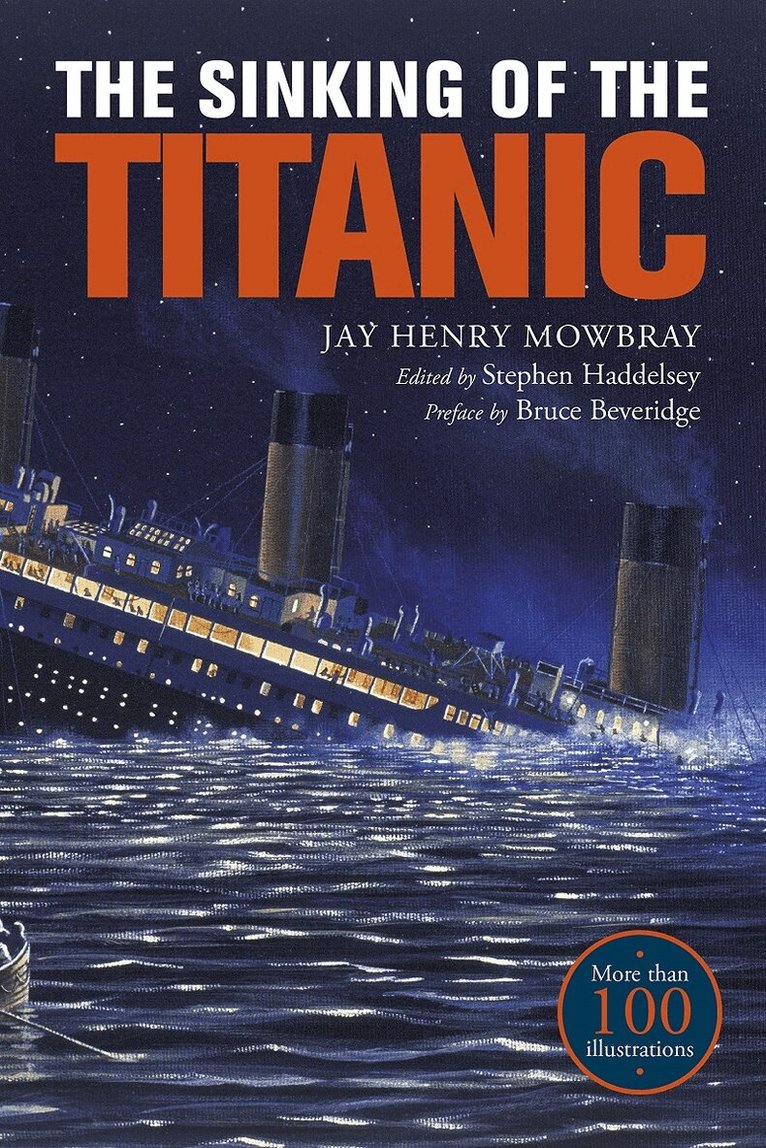
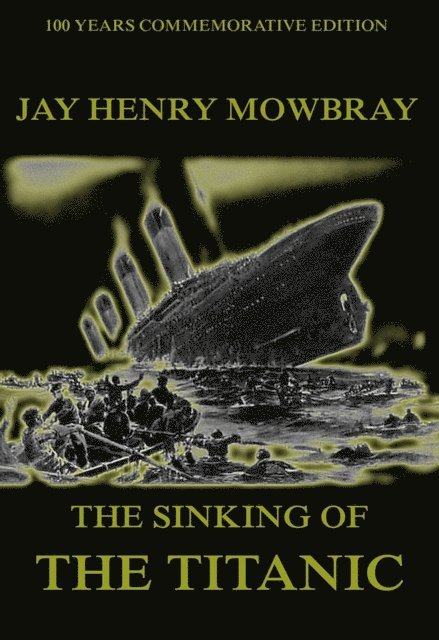
I ran out on the deck and then I could see ice. It was a veritable sea of ice and the boat was rocking over it. I should say that parts of the iceberg were eighty feet high, but it had been broken into sections, probably by our ship. There fell on the ear the most appalling noise that ever human ear listened to the cries of hundreds of our fellow-beings struggling in the icy-cold water, crying for help with a cry that we knew could not be answered. First published in 1912, Jay Henry Mowbray's Sinking of the Titanic was hugely influential in the aftermath of the maritime disaster, recording the harrowing, first-hand accounts of the survivors - from sailors, to stewards, to passengers - throughout the ordeal, from when the iceberg first hit to when the Carpathia eventually arrived, and honouring those who were lost on that fateful night in 1912. Mowbray's text even follows the survivors when they make it back to land - a lesser-known, riveting aspect of the tragic saga that deals with the investigation and the hearings that took place in the US and UK in the months that followed.The swiftness of the publication of Mowbray's text, the sheer number of first-hand witness accounts therein and the intensity of the chaos and fear that their accounts convey makes for a unique compilation which, together with new notes, maps, images and expert introductory material in this new, updated edition, will fascinate, educate and deeply move contemporary readers as much today as the original publication would have back in 1912.
E-bok
Engelska, 201232 kr
Läs direkt efter köp
The human imagination is unequal to the reconstruction of the appalling scene of the disaster in the North Atlantic. No picture of the pen or of the painter''s brush can adequately represent the magnitude of the calamity that has made the whole world kin. How trivial in such an hour seem the ordinary affairs of civilized mankind--the minor ramifications of politics, the frenetic rivalry of candidates, the haggle of stock speculators. We are suddenly, by an awful visitation, made to see our human transactions in their true perspective, as small as they really are. Man''s pride is profoundly humbled: he must confess that the victory this time has gone to the blind, inexorable forces of nature, except in so far as the manifestation of the heroic virtues is concerned.The ship that went to her final resting place two miles below the placid, unconfessing level of the sea represented all that science and art knew how to contribute to the expedition of traffic, to the comfort and enjoyment of voyagers. She had 15 watertight steel compartments supposed to render her unsinkable. She was possessed of submarine signals with micro-phones, to tell the bridge by means of wires when shore or ship or any other object was at hand.There was a collision bulkhead to safeguard the ship against the invasion of water amidships should the bow be torn away. In a word, the boat was as safe and sound as the shipbuilder could make it. It was the pride of the owners and the commander that what has happened could not possibly occur.And yet the Titanic went down, and carried to their doom hundreds of passengers and men who intimately knew the sea and had faced every peril that the navigator meets.