Stephen Haddelsey - Böcker
Visar alla böcker från författaren Stephen Haddelsey. Handla med fri frakt och snabb leverans.
8 produkter
8 produkter
207 kr
Tillfälligt slut
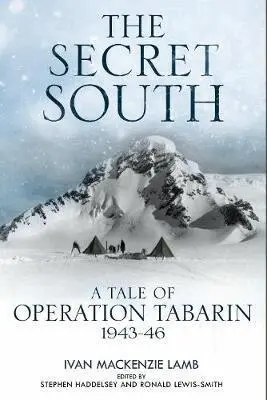
In 1943, with the German Sixth Army annihilated at Stalingrad and Rommel’s Afrika Korps in full retreat after defeat at El Alamein, Winston Churchill’s War Cabinet met to discuss the opening of a new front. Its battles would be fought not on the beaches of Normandy or in the jungles of Burma but amid the blizzards and glaciers of the Antarctic.Originally conceived as a means by which to safeguard the Falkland Islands from Japanese invasion and to deny harbours in the sub-Antarctic territories to German surface raiders and U-boats, the expedition also sought to re-assert British sovereignty in the face of incursions by neutral Argentina.As well as setting in train a sequence of events that would eventually culminate in the Falklands War, the British bases secretly established in 1944 would go on to play a vital part in the Cold War and lay the foundations for one of the most important and enduring government-sponsored programmes of scientific research in the polar regions: the British Antarctic Survey.Based upon contemporary sources, including official reports and the diaries and letters of the participants, Operation Tabarin tells for the first time the story of this, the only Antarctic expedition to be launched by any of the combatant nations during the Second World War and one of the most curious episodes in what Ernest Shackleton called ‘the white warfare of the south’.
157 kr
Skickas inom 11-20 vardagar
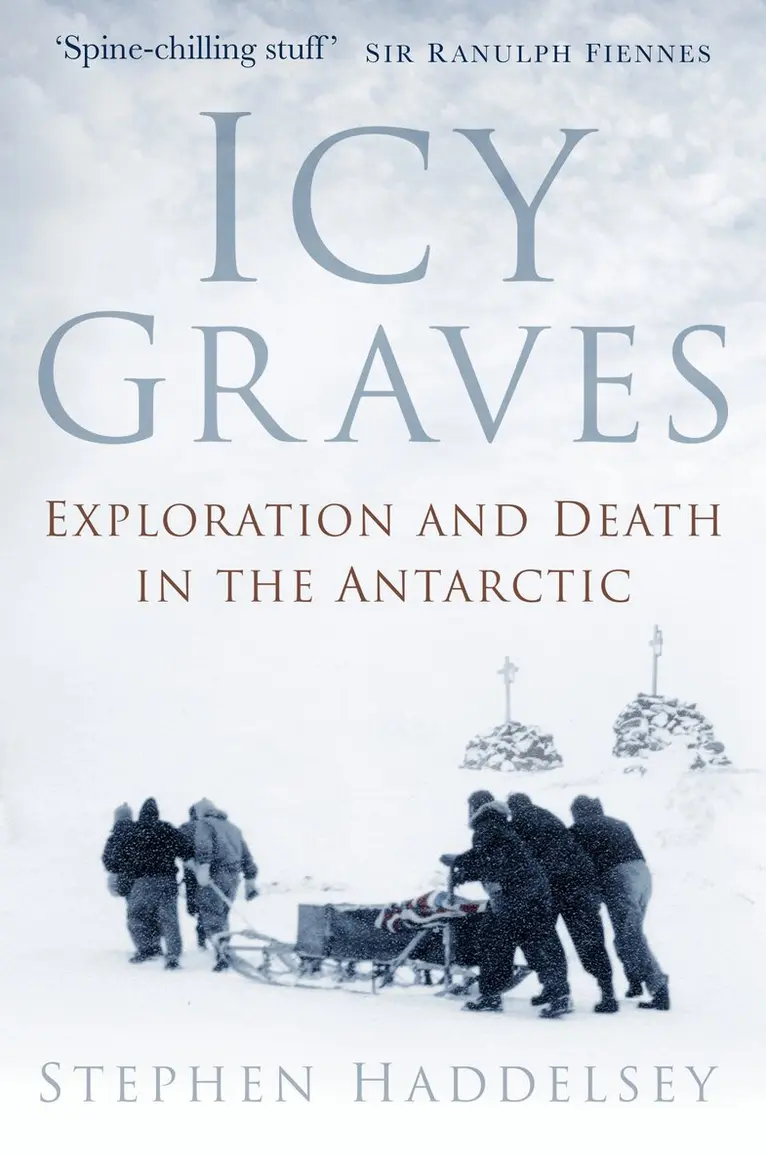
Ever since Captain Cook first sailed into the Great Southern Ocean in 1773, mankind has sought to push back the boundaries of Antarctic exploration. The first expeditions tried simply to chart Antarctica’s coastline, but then the Sixth International Geographical Congress of 1895 posed a greater challenge: the conquest of the continent itself. Though the loss of Captain Scott’s Polar Party remains the most famous, many of the resulting expeditions suffered fatalities. Some men drowned; others fell into bottomless crevasses; many died in catastrophic fires; a few went mad; and yet more froze to death. Modern technology increased the pace of exploration, but aircraft and motor vehicles introduced entirely new dangers.For the first time, Icy Graves uses the tragic tales not only of famous explorers like Robert Falcon Scott and Aeneas Mackintosh but also of many lesser-known figures, both British and international, to plot the forward progress of Antarctic exploration. It tells, often in their own words, the compelling stories of the brave men and women who have fallen in what Sir Ernest Shackleton called the ‘White Warfare of the South’.
214 kr
Skickas
Seventy years after the end of World War II, the full story of Britain's secret Antarctic expedition has still never been told. Launched in 1943, Operation Tabarin was an expedition to secretly establish bases, keep a watchful eye on German and Japanese activities, and curb opportunistic Argentinian incursions.Ivan Mackenzie Lamb was the expedition's botanist but, until now, his narrative has never been published. His account provides a fascinating insight into this top secret military operation. He was a member of the naval party that established three manned bases, he remained in the field throughout the operation's two-year duration and took part in all three major sledging expeditions.After the war, he used his diary to complete a vivid story of his time in Antarctica. It is a key eyewitness account and has been illustrated with contemporary photos and expedition maps.Operation Tabarin is without doubt one of the most significant expeditions of what might be described as the 'post-Heroic' phase of Antarctic exploration; ultimately it would develop into the British Antarctic Survey, arguably the most important and enduring of all government-sponsored programmes of research in the Antarctic. Operation Tabarin also set in train a series of events that would lead, ultimately, to the Falklands War of 1982.
163 kr
Skickas
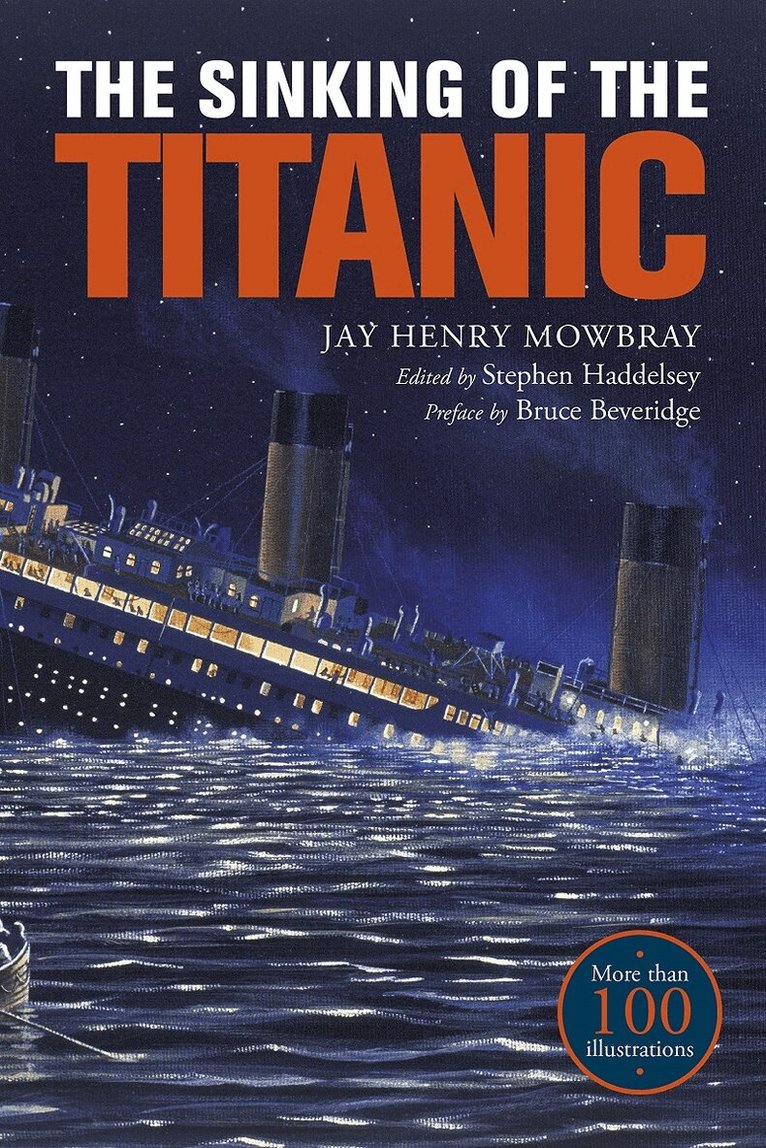
I ran out on the deck and then I could see ice. It was a veritable sea of ice and the boat was rocking over it. I should say that parts of the iceberg were eighty feet high, but it had been broken into sections, probably by our ship. There fell on the ear the most appalling noise that ever human ear listened to the cries of hundreds of our fellow-beings struggling in the icy-cold water, crying for help with a cry that we knew could not be answered. First published in 1912, Jay Henry Mowbray's Sinking of the Titanic was hugely influential in the aftermath of the maritime disaster, recording the harrowing, first-hand accounts of the survivors - from sailors, to stewards, to passengers - throughout the ordeal, from when the iceberg first hit to when the Carpathia eventually arrived, and honouring those who were lost on that fateful night in 1912. Mowbray's text even follows the survivors when they make it back to land - a lesser-known, riveting aspect of the tragic saga that deals with the investigation and the hearings that took place in the US and UK in the months that followed.The swiftness of the publication of Mowbray's text, the sheer number of first-hand witness accounts therein and the intensity of the chaos and fear that their accounts convey makes for a unique compilation which, together with new notes, maps, images and expert introductory material in this new, updated edition, will fascinate, educate and deeply move contemporary readers as much today as the original publication would have back in 1912.
241 kr
Skickas inom 7-10 vardagar
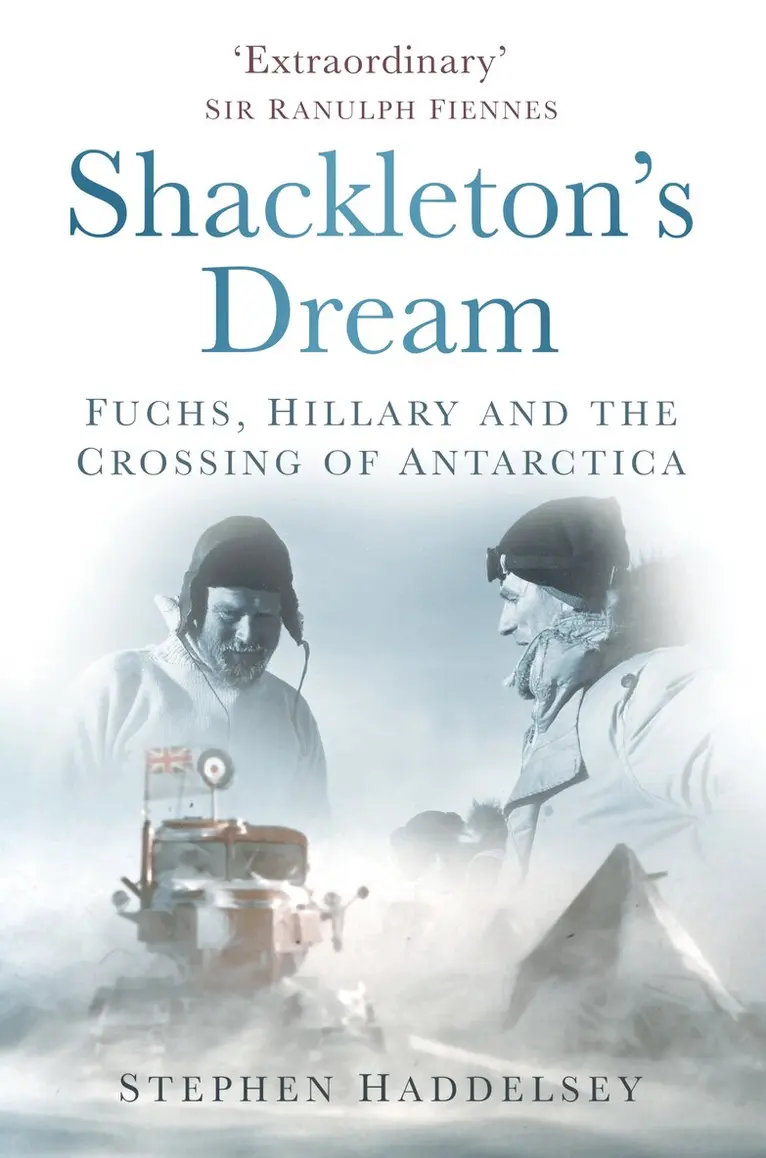
In November 1915, Sir Ernest Shackleton watched horrified as the grinding ice floes of the Weddell Sea squeezed the life from his ship, Endurance. Caught in the chaos of splintered wood, buckled metalwork and tangled rigging lay Shackleton’s dream of being the first man to complete the crossing of Antarctica. Shackleton would not live to make a second attempt – but his dream endured.Shackleton’s Dream tells for the first time the story of the British Commonwealth Trans-Antarctic Expedition, led by Vivian Fuchs and Sir Edmund Hillary. Forty years after the loss of Endurance, they set out to succeed where Shackleton had so heroically failed. Using tracked vehicles and converted farm tractors in place of Shackleton’s man-hauled sledges, they faced a colossal challenge: a perilous 2,000-mile journey across the most demanding landscape on the planet.This epic adventure saw two giants of twentieth-century exploration pitted not only against Nature at her most hostile, but also against each other. Planned as a historic (and scientific) continental crossing, the expedition would eventually develop into a dramatic ‘Race to the South Pole’ – a contest as controversial as that of Scott and Amundsen more than four decades earlier.
208 kr
Skickas inom 7-10 vardagar
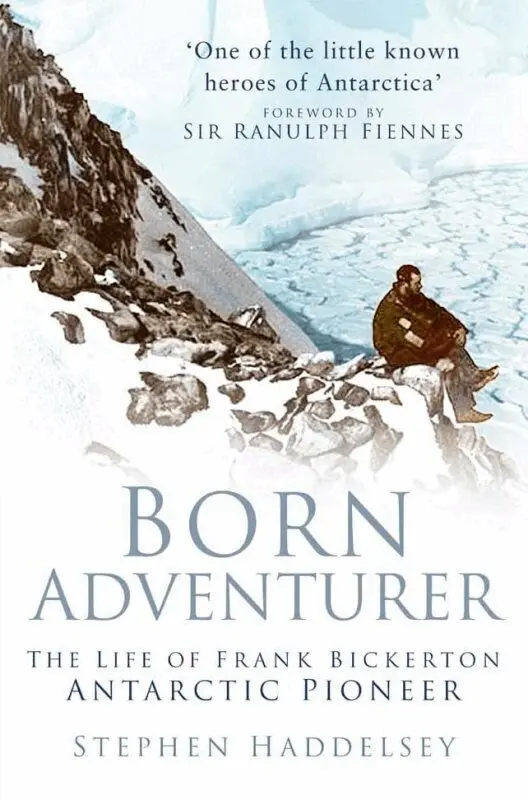
Soldiers and sailors, geographers and geologists, submariners and balloonists all flocked to Antarctica during the ‘Heroic Age’ of Polar exploration. No one better represented this eclectic band than Frank Bickerton, engineer on Douglas Mawson’s Australasian Antarctic Expedition (AAE) of 1911–14. A true pioneer of Antarctic exploration, he piloted the expedition’s ‘air-tractor’, established the first crucial wireless link between Antarctica and the rest of the world, and discovered one of the first meteorites ever to be found on the continent.Treasure-hunter, explorer, fighter pilot, entrepreneur, big-game hunter and movie-maker, Bickerton not only made a major contribution to the success of the AAE, but was also recruited by Ernest Shackleton for his ill-fated Endurance Expedition, dug for pirate gold on Robert Louis Stevenson’s Treasure Island, survived bloody dogfights over the Western Front during the First World War, and flirted with the glittering world of 1920s Hollywood.In Born Adventurer, historian Stephen Haddelsey draws on unique access to family papers, journals and letters to provide a thrilling account of Bickerton’s rich and colourful life.
221 kr
Skickas
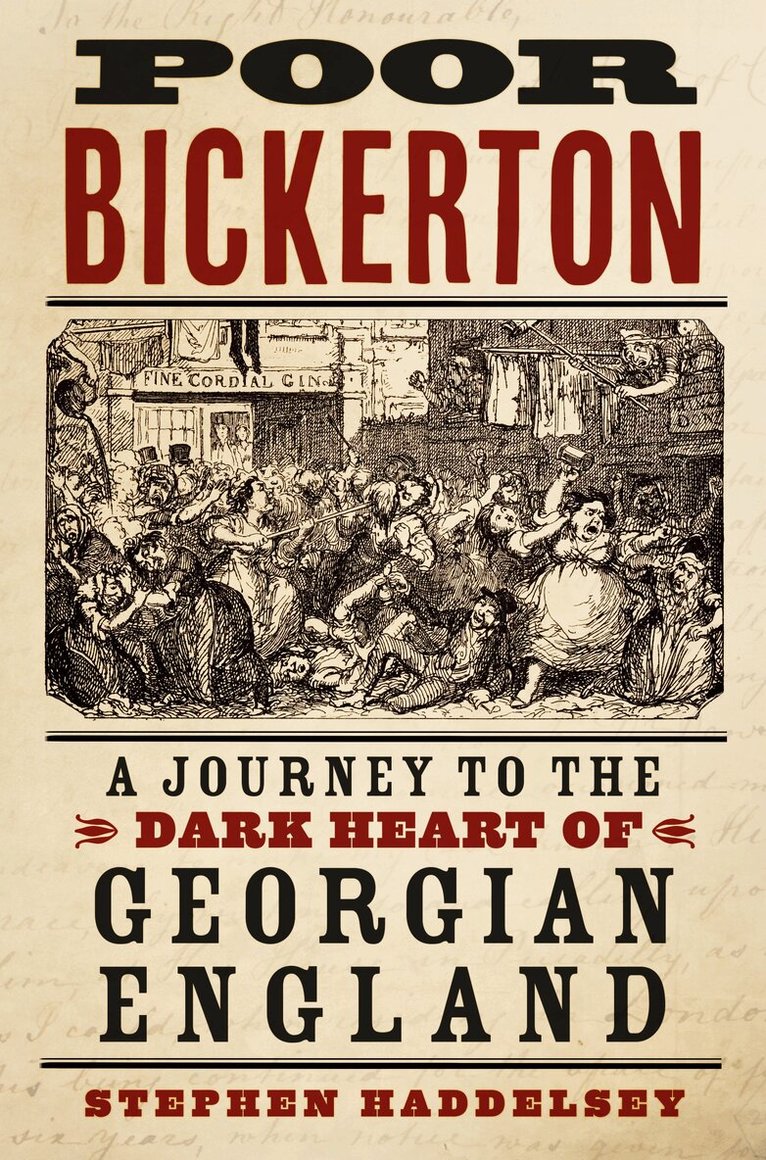
‘An adroit, intelligent and painstaking social history … Poor Bickerton offers us a luxurious tapestry from which everyone interested in English social history in the late-Georgian period can learn something new and surprising.’ – Professor Jerry White, author of London in the Eighteenth Century: A Great and Monstrous ThingOn 8 October 1833, Coroner Thomas Higgs opened an inquest into the death of John Bickerton, an elderly eccentric who, despite rumours of his wealth and high connections, had died in abject squalor, ‘from the want of the common necessaries of life’.Over the coming hours, Higgs and his jury would unpick the details of Bickerton’s strange, sad story: a story that began with comparative wealth, included education at Oxford and the Inns of Court, and brought him to the attention of two sitting prime ministers, but which descended into madness, imprisonment, mockery and starvation.Using Bickerton’s life as a thread around which to weave his narrative, historian Stephen Haddelsey explores the lives of the down-and-outs and rejects of Georgian and Regency England, including debtors, criminals and the insane. For anyone fascinated by this era of balls and intrigue, of Lord Byron and mad King George, here a world altogether grittier than that to be found in the novels of Jane Austen is revealed in all its lurid detail.
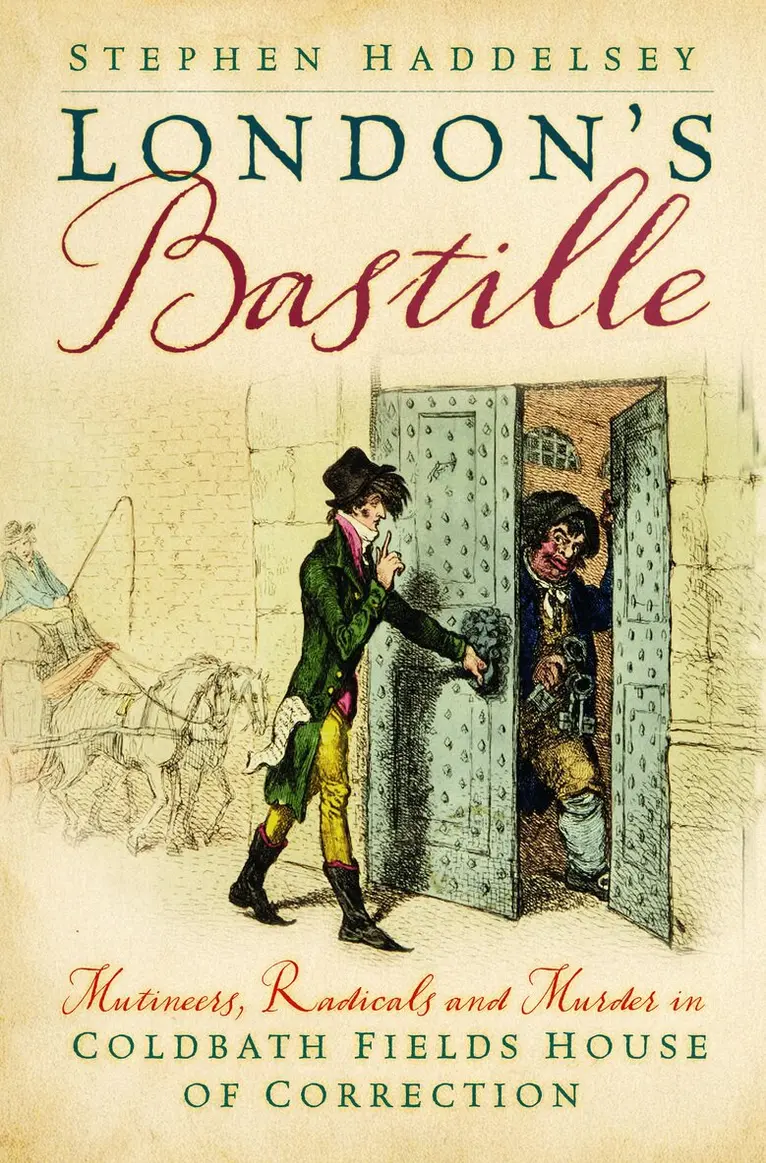
London’s Bastille
Mutineers, Radicals and Murder in Coldbath Fields House of Correction
Inbunden, Engelska, 2025
221 kr
Skickas
‘London’s Bastille is both fascinating and thoroughly enjoyable.’ - Fiona Rule, author of The Worst Street in LondonIn 1794, Britain’s newest and much-heralded prison opened its gates in Clerkenwell, north London. Built on the principles laid down by John Howard, the most vocal and committed prison reformer of the eighteenth century, the new Coldbath Fields House of Correction was intended to be a flagship for the humane improvements that Howard championed. And yet, within just a few years, it had become notorious for its cruelty and injustice.The burgeoning of British radicalism following the French Revolution, the repressive measures introduced in response by Prime Minister William Pitt, and the appointment of the barbaric Thomas Aris as prison governor all coincided to ensure that this ‘state-of-the-art’ facility would become not merely the foremost political prison of its age, but also the most infamous because of the abuses practised within its walls – abuses to which the government and the magistracy systematically turned a blind eye.In London’s Bastille, Stephen Haddelsey expertly explores the history of the prison and the stories of its inmates, from thieves and prostitutes to political reformers and naval mutineers, to provide an extraordinary new insight into the forces of radical change that shook Britain to its core in the final years of the eighteenth century.