Jay K. Rosengard – författare
Visar alla böcker från författaren Jay K. Rosengard. Handla med fri frakt och snabb leverans.
5 produkter
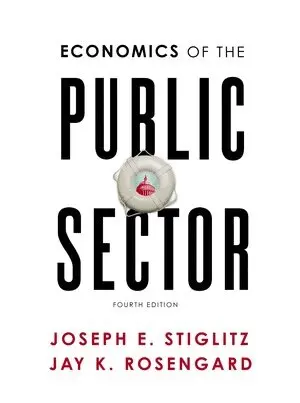
Economics of the Public Sector
Av Joseph E. Stiglitz, Jay K. Rosengard
Häftad, 2015
878 kr
Lägg i varukorg
What should be the role of government in society? How should it design its programs? How should tax systems be designed to promote both efficiency and fairness? Nobel Laureate Joseph Stiglitz and new co-author Jay Rosengard use their first-hand policy-advising experience to address these key issues …
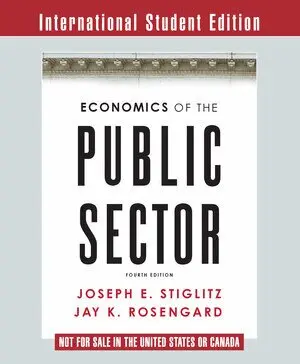
Economics of the Public Sector
Av Joseph E. Stiglitz, Jay K. Rosengard
Häftad, 2015
936 kr
Lägg i varukorg
What should be the role of government in society? How should it design its programmes? How should tax systems be designed to promote both efficiency and fairness? Nobel Laureate Joseph Stiglitz and new co-author Jay Rosengard bring an unparalleled level of expertise to address these key issues of …
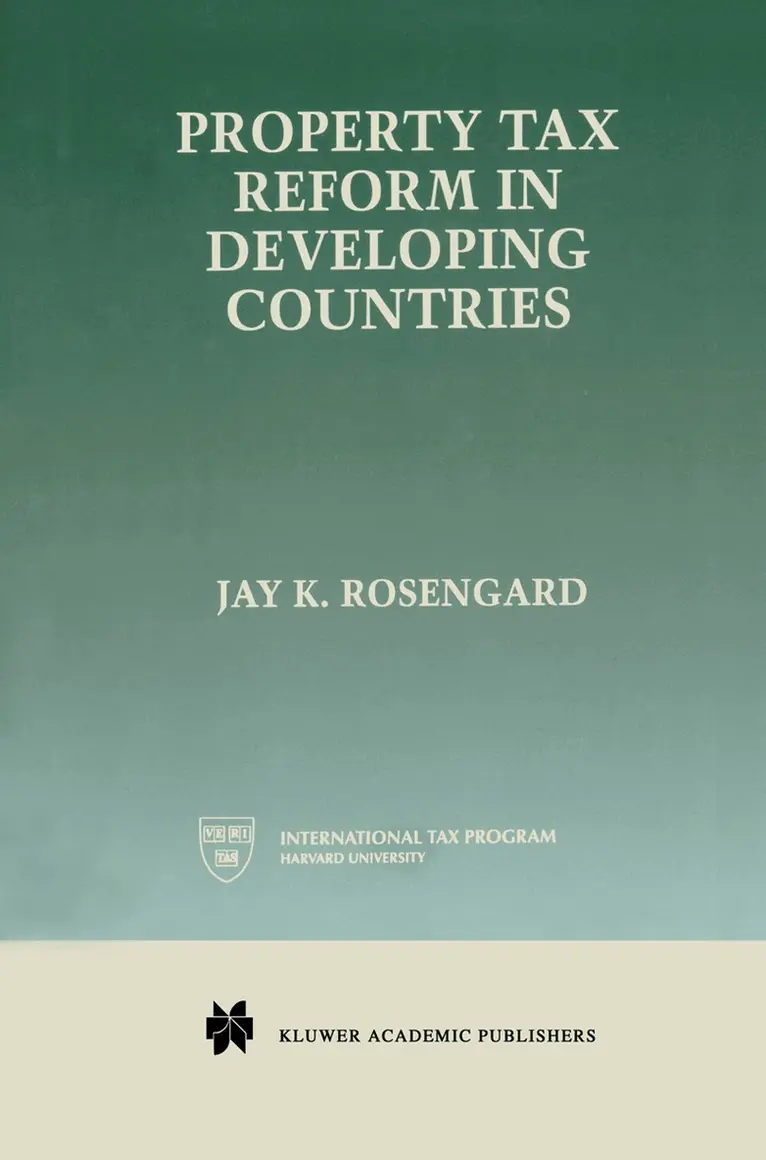
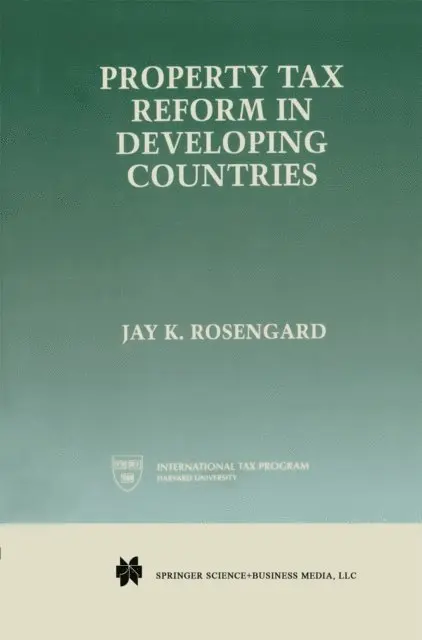
Property Tax Reform in Developing Countries
Inbunden, 1997
1679 kr
Lägg i varukorg
Property Tax Reform in Developing Countries provides a conceptual framework for property tax reform with the intention of making the most compelling argument possible to persuade the reader as to its validity. The text claims that a model for property tax reform in developing countries is derived …
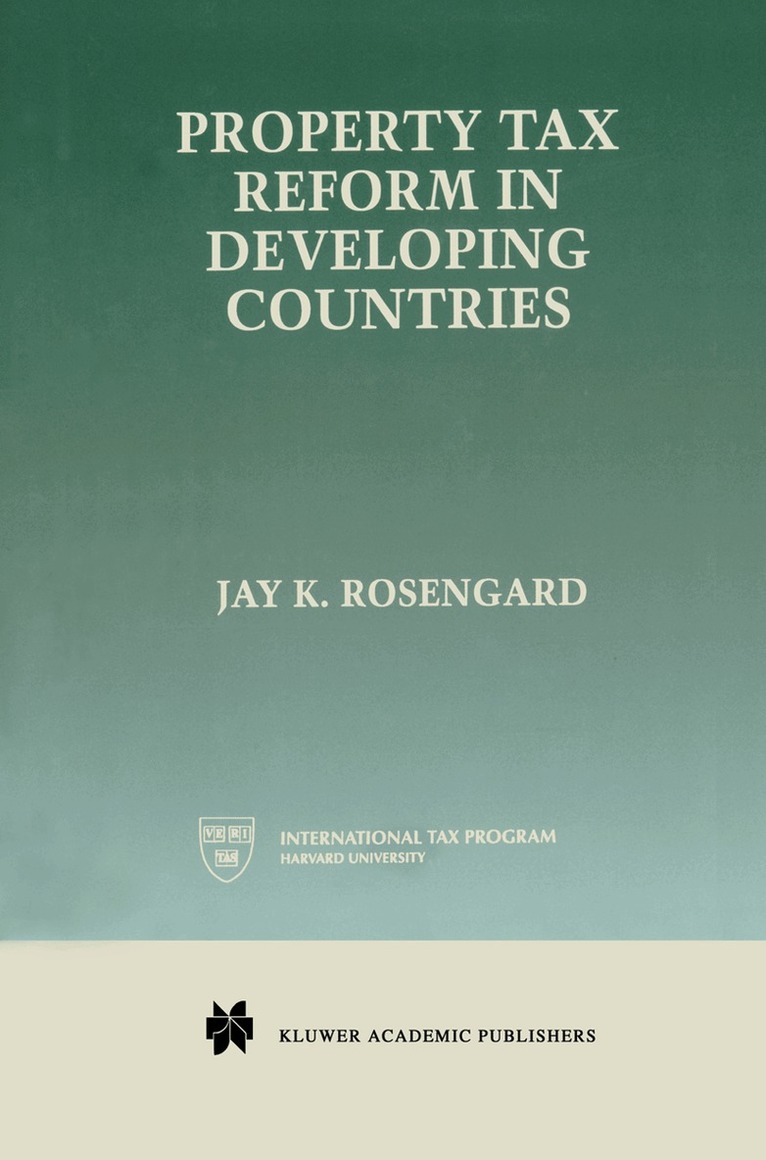
Property Tax Reform in Developing Countries
Häftad, 2012
1505 kr
Lägg i varukorg
Property Tax Reform in Developing Countries provides a conceptual framework for property tax reform with the intention of making the most compelling argument possible to persuade the reader as to its validity. The text claims that a model for property tax reform in developing countries is derived …
Property Tax Reform in Developing Countries
E-bok, 2012
2174 kr
Lägg i varukorg
Property Tax Reform in Developing Countries provides a conceptual framework for property tax reform with the intention of making the most compelling argument possible to persuade the reader as to its validity. The text claims that a model for property tax reform in developing countries is derived …