Jay Perkins – författare
Visar alla böcker från författaren . Handla med fri frakt och snabb leverans.
7 produkter
7 produkter
Häftad, Engelska, 2017
368 kr
Skickas inom 10-15 vardagar
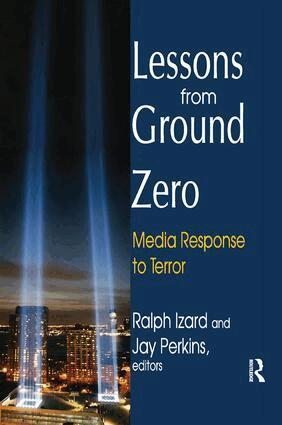
It ranked among journalism's finest hours. That is what was heard in the weeks following September 11, 2001. They made mistakes, of course, but in covering one of the biggest disasters ever to hit the United States, journalists used their training, their experience, their understanding, and their sensitivity to provide coverage that helped bring understanding and a sense of calm to the chaos. Their performance did not end with reporting the immediate impact of the catastrophe. They continued to analyze what happened, the impact to property and human lives, the impact on government and foreign relations.Lessons from Ground Zero's examines journalism's efforts to cover a crisis, while analyzing journalism itself. Many lessons were evident to journalists as they sought to cope with the challenges of covering 9/11. The long-term question, however, is whether the answers they found served as catalysts for better journalism in the future, or whether they have been forgotten, put into the closet of old memories with no noticeable long-term impact.This book analyzes journalists' response to 9/11 through scholarly research and interviews with many of the journalists who covered 9/11. Sometimes they do not agree, but all are thoughtful and each adds to understanding. Public opinion polls show clearly that citizens appreciated and responded to media coverage. Given that this occurred in a time frame in which public approval of American journalism had declined, it is reasonable to ask what the media did that was different from their normal practices. This book provides some of the answers.
Inbunden, Engelska, 2018
1 464 kr
Skickas inom 10-15 vardagar
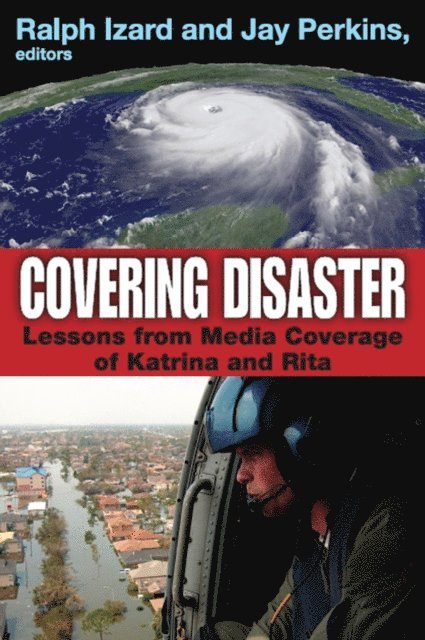
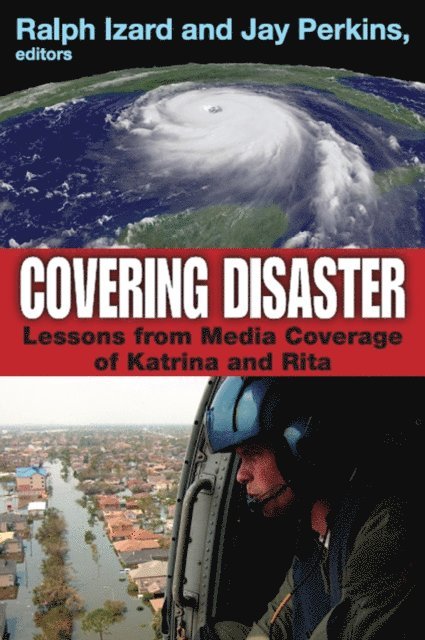
In 2005, journalists faced enormous challenges while covering hurricanes Katrina and Rita along America's Gulf Coast. They struggled to find ways to communicate, move from one place to another, and find reputable information. They witnessed complete chaos, observed human suffering, and were outraged with delayed or ineffective rescue mechanisms. Not only did journalists face these normal problems of crises, since many themselves were among the victims, they were forced to do their jobs under circumstances that seemed impossible.The contributors to Covering Disaster study personal and professional coping mechanisms and lessons that may be learned from media disaster coverage. During Katrina and Rita, journalists responded largely by redefining traditional ideals of fairness, balance, and objectivity and by adopting an emotionally driven and somewhat more subjective reporting style. In this way, they rediscovered and emphasized journalistic purposes and techniques that have long been the hallmarks of greatness. Their work during those months of destruction and pain was applauded by their readers and viewers because it was useful, critical of officials who were not doing their jobs, sought support for those who were suffering, and took a position of public leadership.Now that the winds have died down, flood waters have receded, and rebuilding has begun, the brand of publicoriented journalism found in the midst of the storms must not be forgotten.
E-bok
Engelska, 2017373 kr
Läs direkt efter köp
It ranked among journalism''s finest hours. That is what was heard in the weeks following September 11, 2001. They made mistakes, of course, but in covering one of the biggest disasters ever to hit the United States, journalists used their training, their experience, their understanding, and their sensitivity to provide coverage that helped bring understanding and a sense of calm to the chaos. Their performance did not end with reporting the immediate impact of the catastrophe. They continued to analyze what happened, the impact to property and human lives, the impact on government and foreign relations. Lessons from Ground Zero''s examines journalism''s efforts to cover a crisis, while analyzing journalism itself. Many lessons were evident to journalists as they sought to cope with the challenges of covering 9/11. The long-term question, however, is whether the answers they found served as catalysts for better journalism in the future, or whether they have been forgotten, put into the closet of old memories with no noticeable long-term impact. This book analyzes journalists'' response to 9/11 through scholarly research and interviews with many of the journalists who covered 9/11. Sometimes they do not agree, but all are thoughtful and each adds to understanding. Public opinion polls show clearly that citizens appreciated and responded to media coverage. Given that this occurred in a time frame in which public approval of American journalism had declined, it is reasonable to ask what the media did that was different from their normal practices. This book provides some of the answers.
E-bok
PDF, Engelska, 2017387 kr
Läs direkt efter köp
It ranked among journalism''s finest hours. That is what was heard in the weeks following September 11, 2001. They made mistakes, of course, but in covering one of the biggest disasters ever to hit the United States, journalists used their training, their experience, their understanding, and their sensitivity to provide coverage that helped bring understanding and a sense of calm to the chaos. Their performance did not end with reporting the immediate impact of the catastrophe. They continued to analyze what happened, the impact to property and human lives, the impact on government and foreign relations. Lessons from Ground Zero''s examines journalism''s efforts to cover a crisis, while analyzing journalism itself. Many lessons were evident to journalists as they sought to cope with the challenges of covering 9/11. The long-term question, however, is whether the answers they found served as catalysts for better journalism in the future, or whether they have been forgotten, put into the closet of old memories with no noticeable long-term impact. This book analyzes journalists'' response to 9/11 through scholarly research and interviews with many of the journalists who covered 9/11. Sometimes they do not agree, but all are thoughtful and each adds to understanding. Public opinion polls show clearly that citizens appreciated and responded to media coverage. Given that this occurred in a time frame in which public approval of American journalism had declined, it is reasonable to ask what the media did that was different from their normal practices. This book provides some of the answers.
Inbunden, Engelska, 2010
595 kr
Skickas inom 10-15 vardagar
It ranked among journalism's finest hours. That is what was heard in the weeks following September 11, 2001. They made mistakes, of course, but in covering one of the biggest disasters ever to hit the United States, journalists used their training, their experience, their understanding, and their sensitivity to provide coverage that helped bring understanding and a sense of calm to the chaos. Their performance did not end with reporting the immediate impact of the catastrophe. They continued to analyze what happened, the impact to property and human lives, the impact on government and foreign relations.Lessons from Ground Zero's examines journalism's efforts to cover a crisis, while analyzing journalism itself. Many lessons were evident to journalists as they sought to cope with the challenges of covering 9/11. The long-term question, however, is whether the answers they found served as catalysts for better journalism in the future, or whether they have been forgotten, put into the closet of old memories with no noticeable long-term impact.This book analyzes journalists' response to 9/11 through scholarly research and interviews with many of the journalists who covered 9/11. Sometimes they do not agree, but all are thoughtful and each adds to understanding. Public opinion polls show clearly that citizens appreciated and responded to media coverage. Given that this occurred in a time frame in which public approval of American journalism had declined, it is reasonable to ask what the media did that was different from their normal practices. This book provides some of the answers.
Häftad, Engelska, 2011
483 kr
Skickas inom 10-15 vardagar
In 2005, journalists faced enormous challenges while covering hurricanes Katrina and Rita along America's Gulf Coast. They struggled to find ways to communicate, move from one place to another, and find reputable information. They witnessed complete chaos, observed human suffering, and were outraged with delayed or ineffective rescue mechanisms. Not only did journalists face these normal problems of crises, since many themselves were among the victims, they were forced to do their jobs under circumstances that seemed impossible.The contributors to Covering Disaster study personal and professional coping mechanisms and lessons that may be learned from media disaster coverage. During Katrina and Rita, journalists responded largely by redefining traditional ideals of fairness, balance, and objectivity and by adopting an emotionally driven and somewhat more subjective reporting style. In this way, they rediscovered and emphasized journalistic purposes and techniques that have long been the hallmarks of greatness. Their work during those months of destruction and pain was applauded by their readers and viewers because it was useful, critical of officials who were not doing their jobs, sought support for those who were suffering, and took a position of public leadership.Now that the winds have died down, flood waters have receded, and rebuilding has begun, the brand of publicoriented journalism found in the midst of the storms must not be forgotten.
Häftad, Engelska, 2027
307 kr
Kommande
"In every drawing, lyrics, and line, there is a quiet and powerful declaration:I am here. I feel. I matter."This deeply nuanced collection is an honest and complex tapestry of experiences and insights from young Black people ranging from seven years old up to their early thirties. Each contribution offers a window into what is means to make sense of a world through identities that are often dismissed, harmed, or unseen.In exploring mental health beyond clinical terms, risk assessments and referral pathways, this collection seeks to start conversations that begin with presence and trust. Not only will it equip educators and professionals working with young Black people with a richer insight and understanding of how to deliver truly inclusive services, it will also encourage general readers such as parents and young people to engage from a place of empathetic curiosity, care, and cultural understanding. More importantly, this collection shines a light on young Black people who are ready and able to collaborate in creating systems of change.Expressed through a series of stories, short essays, poems, and illustrations, this anthology is not just about trauma and pain, but also about resilience, power, language, healing, and hope.