J.C. Bradbury – författare
Visar alla böcker från författaren J.C. Bradbury. Handla med fri frakt och snabb leverans.
5 produkter
5 produkter
Inbunden, Engelska, 2026
342 kr
Kommande
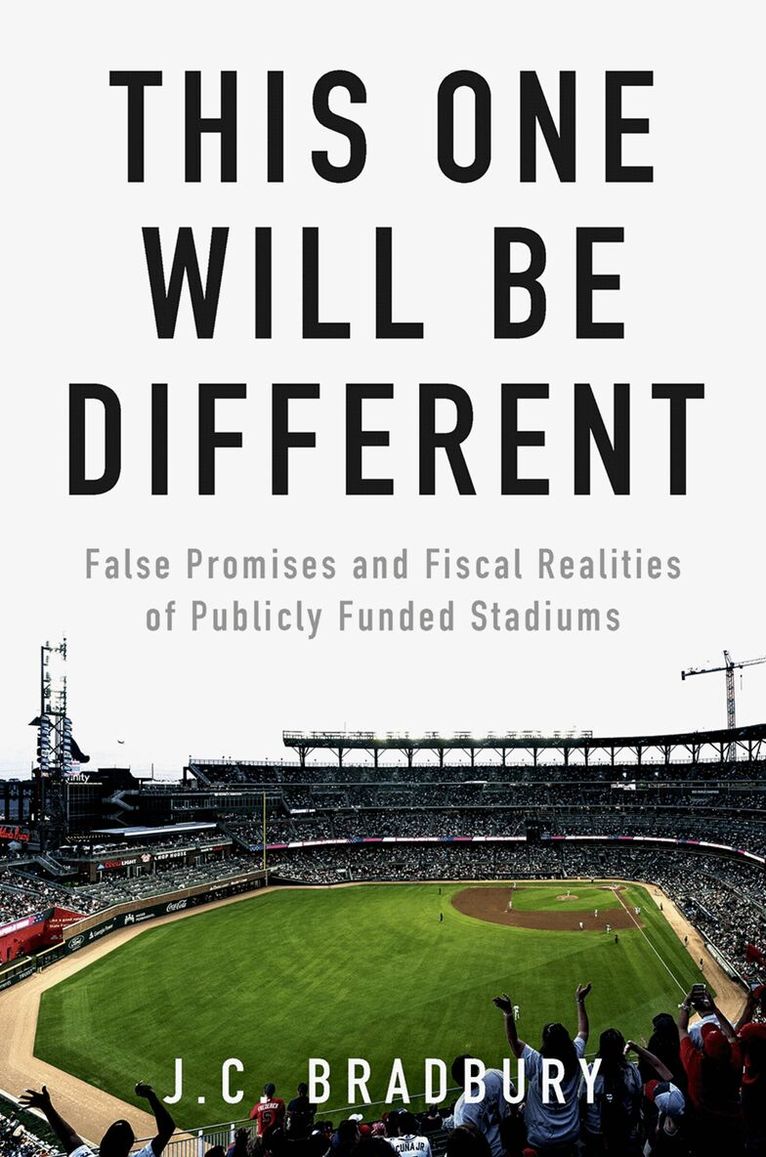
For more than a century, America's sports stadiums have evolved from modest, private ballparks into billion-dollar play-palaces for the rich-built increasingly on the backs of taxpayers. Government commitments to major-league venues are approaching $50 billion, and a looming wave of new construction threatens to double public outlays by the end of the next decade. Elected leaders justify the massive subsidies by arguing that stadiums are economic catalysts, despite overwhelming evidence that sports venues are unwise public investments. Why does this keep happening? The refrain is always the same: This one will be different. The Atlanta Braves's Truist Park in Cobb County, Georgia is the latest example. Marketed as a game-changing mixed-use development that would create a year-round economic hub, the project has fallen far short of its boosters' lofty projections-just like all the venues that came before it. In This One Will Be Different, sports economist J.C. Bradbury draws from decades of academic research and his up-close and personal experiences with the Cobb Braves stadium deal to elucidate why publicly funded venues never deliver on their promises. Moving beyond the standard explanations of monopoly leagues and special-interest lobbying, Bradbury reveals how pliable politicians-drawn to the prestige and perks of professional sports-buck the will of their constituents to approve increasingly generous taxpayer handouts to billionaire team owners. Authoritative yet accessible, this book blends economic analysis, political insight, and vivid storytelling to examine why politicians continue to fall for the stadium grift and presents practical steps for reform. Bradbury argues that improved transparency, greater understanding, and giving voters a direct say at the ballot box have the potential to break the stadium subsidy cycle.
Häftad, Engelska, 2008
297 kr
Skickas inom 5-8 vardagar
E-bok
Engelska, 2008142 kr
Läs direkt efter köp
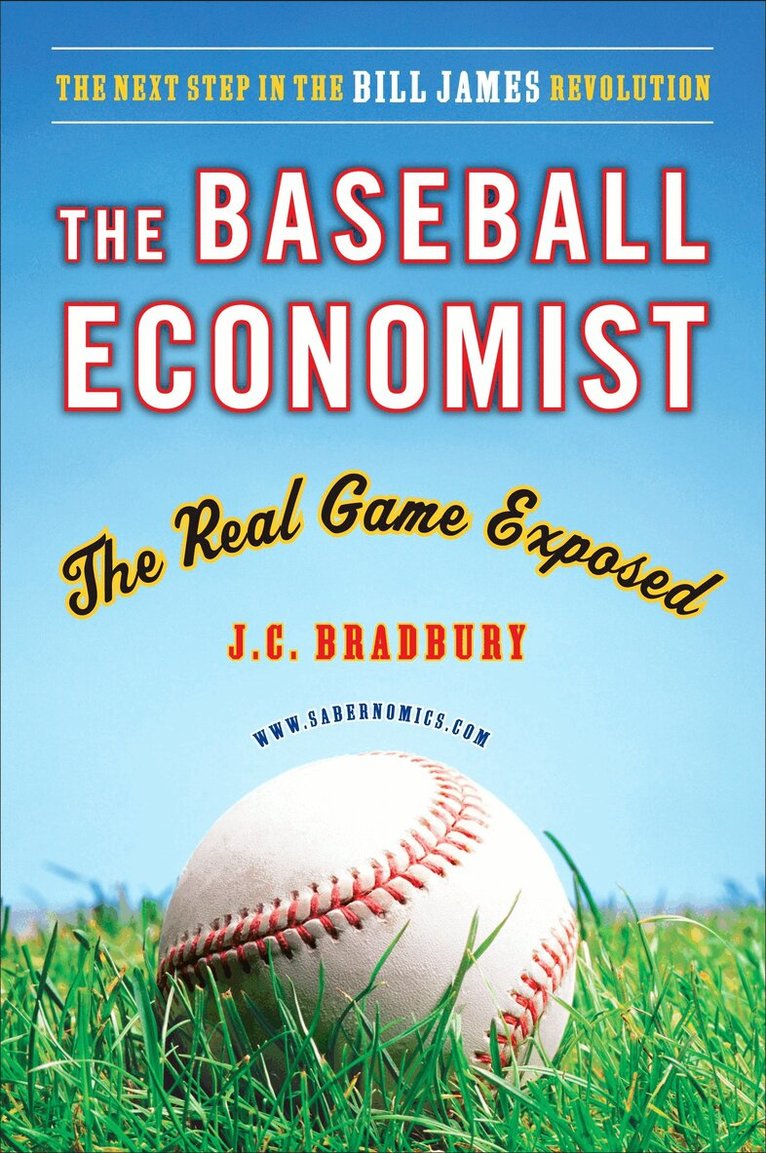
Freakonomics meets Moneyball in this provocative exposé of baseball?s most fiercely debated controversies and some of its oldest, most dearly held myths Providing far more than a mere collection of numbers, economics professor and popular blogger J.C. Bradbury, shines the light of his economic thinking on baseball, exposing the power of tradeoffs, competition, and incentives. Utilizing his own ?sabernomic? approach, Bradbury dissects baseball topics such as: ? Did steroids have nothing to do with the recent homerun records? Incredibly, Bradbury?s research reveals steroids probably had little impact. ? Which players are ridiculously overvalued? Bradbury lists all players by team with their revenue value to the team listed in dollars?including a dishonor role of those players with negative values?updated in paperback to include the 2007 season. ? Does it help to lobby for balls and strikes? Statistics alone aren?t enough anymore. This is a refreshing, lucid, and powerful read for fans, fantasy buffs, and players?as well as coaches at all levels?who want to know what is really happening on the field.
Häftad, Engelska, 2010
261 kr
Skickas inom 10-15 vardagar
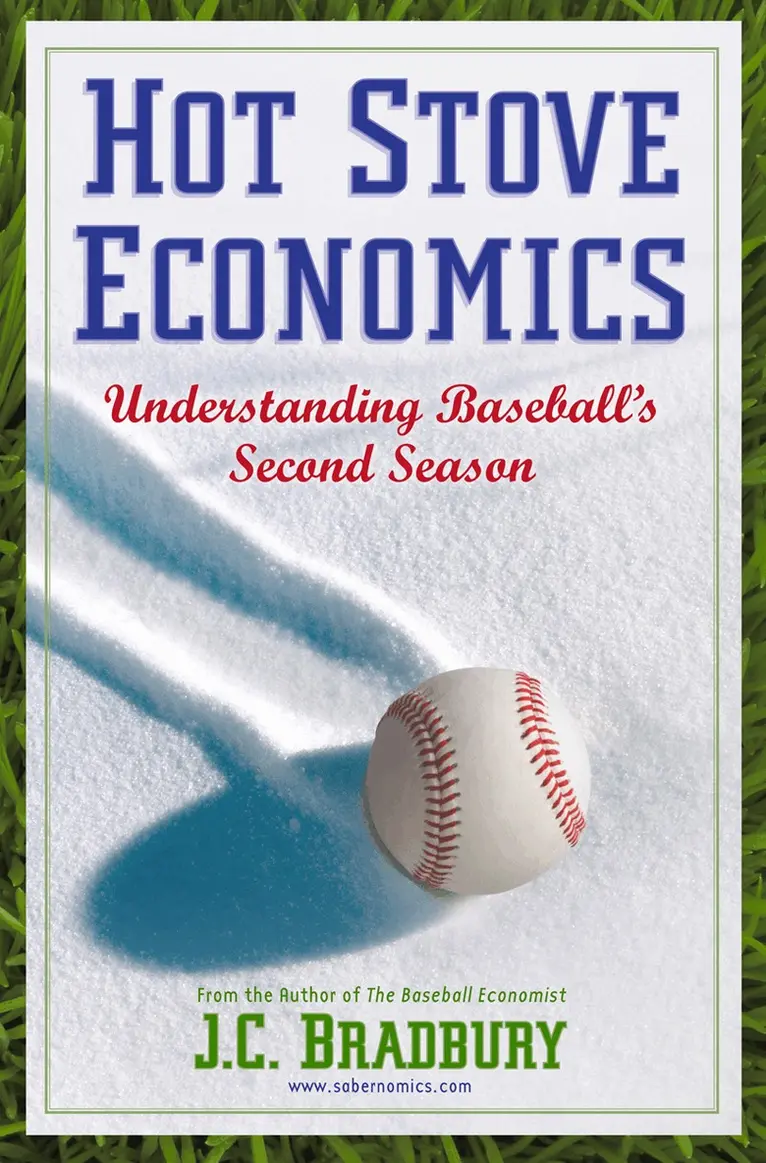
The final out of the World Series marks the beginning of baseball's second season, when teams court free agents and orchestrate trades with the hope of building a championship contender.
E-bok
PDF, Engelska, 2010365 kr
Läs direkt efter köp
The final out of the World Series marks the beginning of baseball''s second season, when teams court free agents and orchestrate trades with the hope of building a championship contender. The real and anticipated transactions generate excitement among fans who discuss the merit of moves in the arena informally known as the “hot stove league.” In Hot Stove Economics, economist J.C. Bradbury answers the hot stove league''s most important question: what are baseball players worth? With in-depth analysis, Bradbury identifies the game’s best and worst contracts—revealing the bargains, duds, and players who are worth every penny they receive. From minor-league prospects to major-league MVPs, Bradbury examines how factors such as revenue growth, labor rules, and aging— even down to the month in which players are born—shape players'' worth and evaluates how well franchises manage their rosters. He broadly applies the principles of economics to baseball in a way that is both interesting and understandable to sports fanatics, team managers, armchair economists and students alike.