J.E. Davies – författare
Visar alla böcker från författaren J.E. Davies. Handla med fri frakt och snabb leverans.
10 produkter
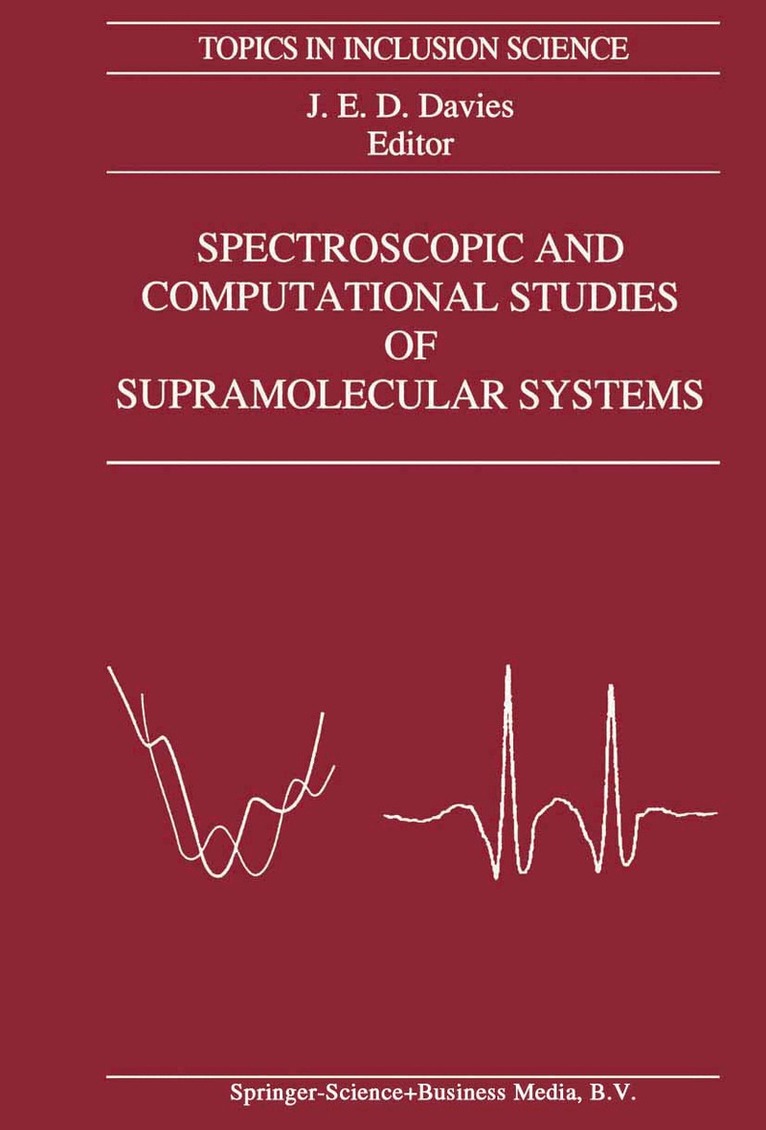
Spectroscopic and Computational Studies of Supramolecular Systems
Av J.E. Davies
Inbunden, 1992
1643 kr
Lägg i varukorg
Physical techniques such as X-ray crystallography, IR spectroscopy and solution-phase NMR spectrosocopy have played key roles in the development of supramolecular chemistry. In recent years other spectroscopic techniques have been applied, expanding the range of information abtainable. The most …
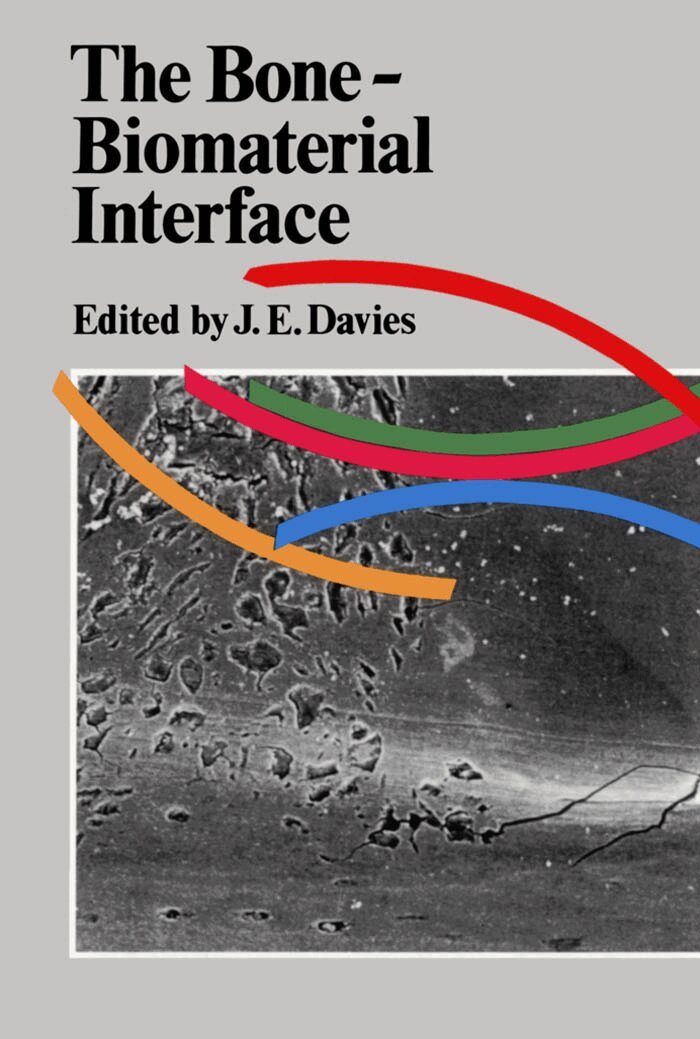
Bone-Bio Material Interface
Av J.E. Davies
E-bok, 1991
2350 kr
Lägg i varukorg
Each year more than 500,000 arthritic or injured hips are replaced by orthopaedic surgeons around the world. A critical element in the longevity of each replacement is the successful interaction of bone tissue with biomaterial. The same critical element epplies in other joint replacements, in the …
Spectroscopic and Computational Studies of Supramolecular Systems
Av J.E. Davies
Häftad, 2010
1643 kr
Lägg i varukorg
Physical techniques such as X-ray crystallography, IR spectroscopy and solution-phase NMR spectroscopy have played key roles in the development of supramolecular chemistry. In recent years other spectroscopic techniques have been applied, expanding the range of information obtainable. The most …
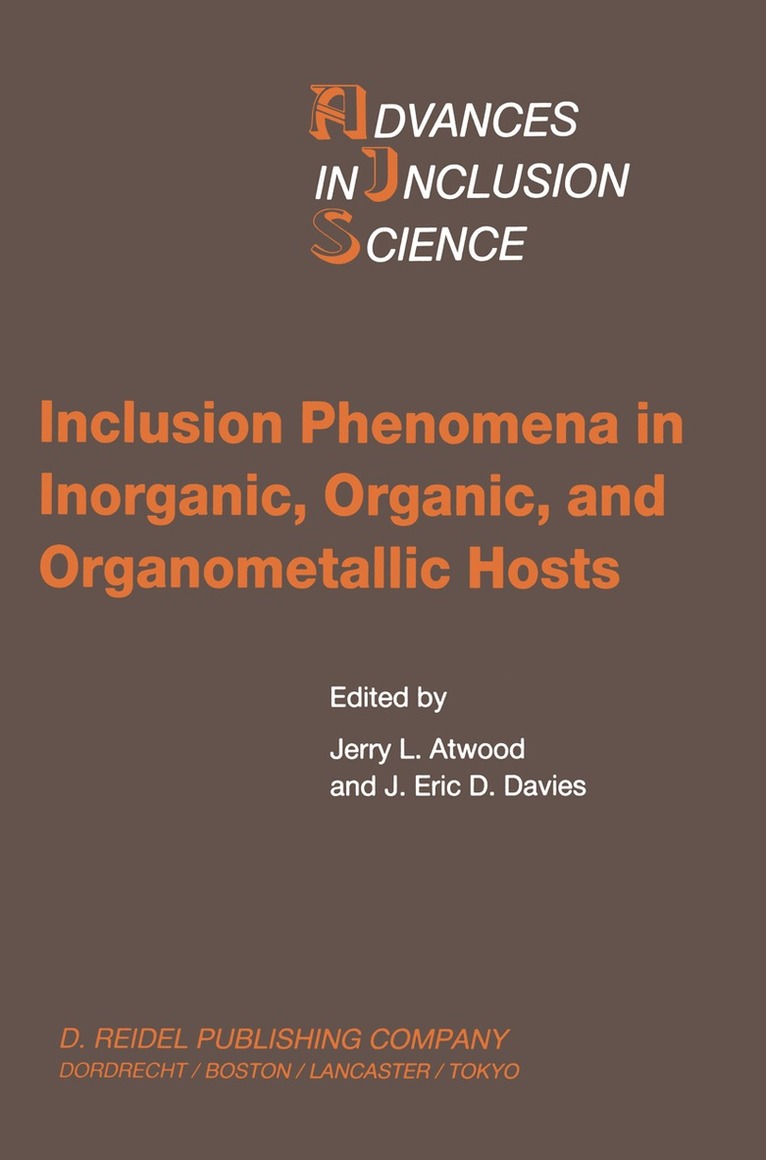
Inclusion Phenomena in Inorganic, Organic, and Organometallic Hosts
Proceedings of the Fourth International Symposium on Inclusion Phenomena and the Third International Symposium on Cyclodextrins Lancaster, U.K., 20–25 July 1986
E-bok, 2012
734 kr
Lägg i varukorg
The contents of this volume originate from the joint Inclusion Phenomenal Cyclodextrins Symposium held at Lancaster in July 1986. Consisting of 50 extended ab stracts and 21 original contributions, the reader will find an up-to-date survey of the current state of research into, and applications …
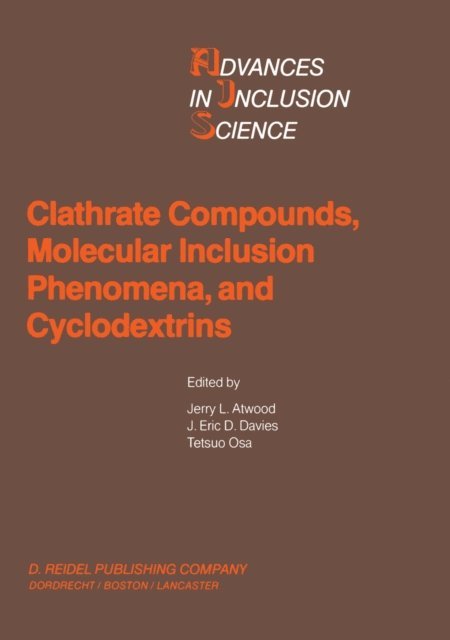
Clathrate Compounds, Molecular Inclusion Phenomena, and Cyclodextrins
Proceedings of the Third International Symposium on Clathrate Compounds and Molecular Inclusion Phenomena and the Second International Symposium on Cyclodextrins, Tokyo, Japan, July 23–27, 1984
Av T. Osa, J.E. Davies m. fl.
E-bok, 2012
2111 kr
Lägg i varukorg
The Joint Meeting comprisIng the 3rd International Symposium on Clathrate Compounds and Molecular Inclusion Phenomena and the 2nd International Symposium on Cyclodextrins was held on 23-27 July, 1984, in Tokyo, Japan. It was organized by the Japan Association for Inclusion Chemistry together with …
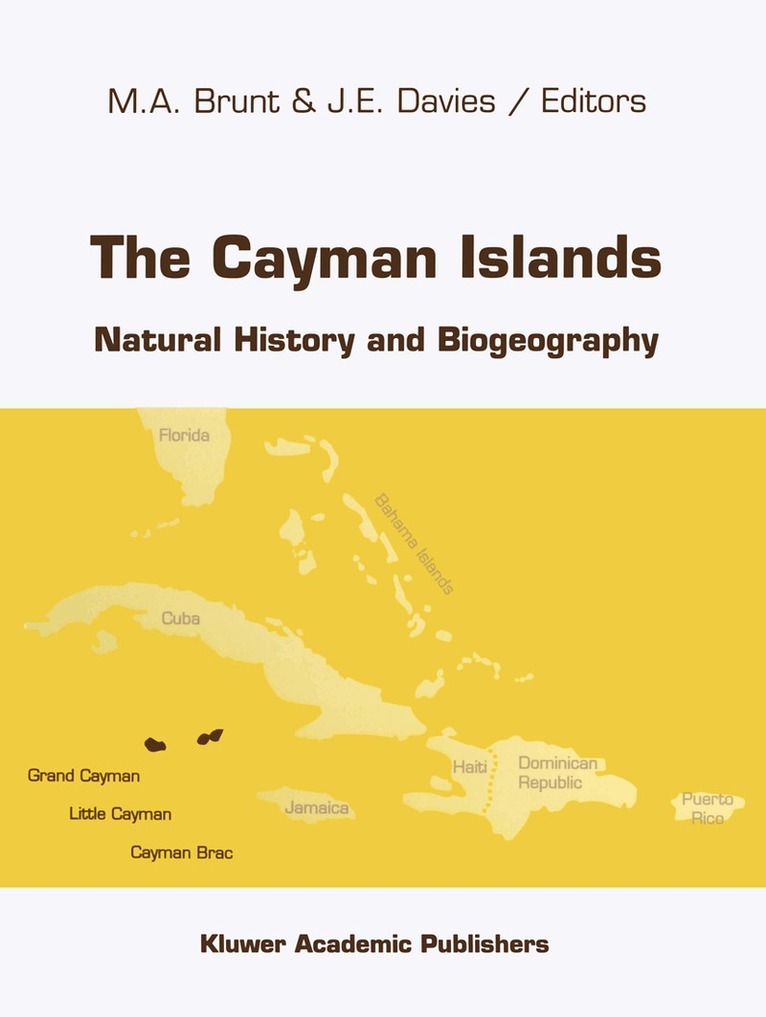
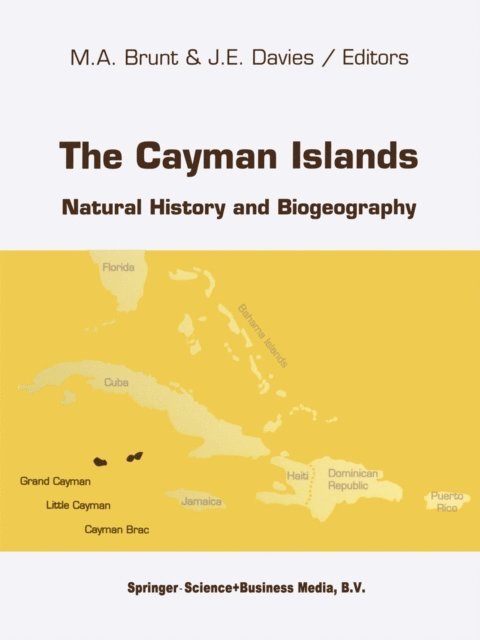
Cayman Islands
Natural History and Biogeography
Häftad, 2012
552 kr
Lägg i varukorg
In the course of the last century a considerable amount of scientific work has been carried out in the Cayman Islands. The results of this (outlined in Chapter 1) are widely distributed in unpublished reports, university theses, various scientific publications and books, many of these sources being …
Inclusion Phenomena in Inorganic, Organic, and Organometallic Hosts
Proceedings of the Fourth International Symposium on Inclusion Phenomena and the Third International Symposium on Cyclodextrins Lancaster, U.K., 20–25 July 1986
Häftad, 2012
552 kr
Lägg i varukorg
The contents of this volume originate from the joint Inclusion Phenomenal Cyclodextrins Symposium held at Lancaster in July 1986. Consisting of 50 extended ab stracts and 21 original contributions, the reader will find an up-to-date survey of the current state of research into, and applications …
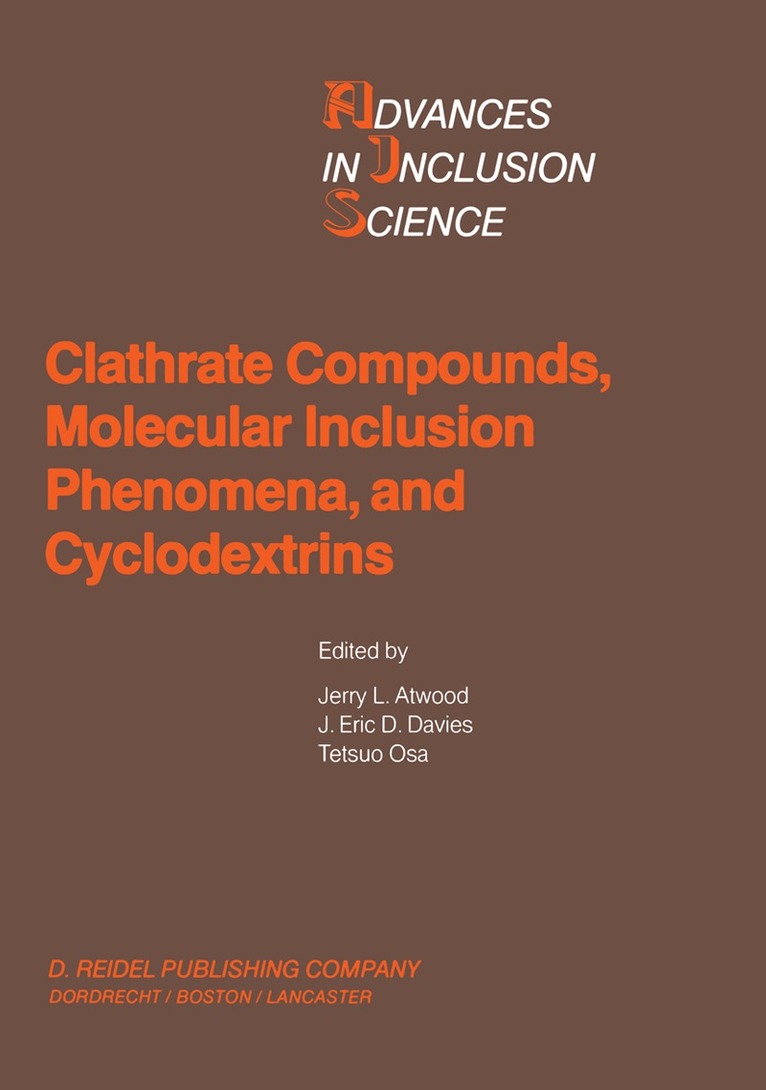
Clathrate Compounds, Molecular Inclusion Phenomena, and Cyclodextrins
Proceedings of the Third International Symposium on Clathrate Compounds and Molecular Inclusion Phenomena and the Second International Symposium on Cyclodextrins, Tokyo, Japan, July 23–27, 1984
Av J.L Atwood, J.E. Davies m. fl.
Häftad, 2011
1643 kr
Lägg i varukorg
The Joint Meeting comprisIng the 3rd International Symposium on Clathrate Compounds and Molecular Inclusion Phenomena and the 2nd International Symposium on Cyclodextrins was held on 23-27 July, 1984, in Tokyo, Japan. It was organized by the Japan Association for Inclusion Chemistry together with …
Cayman Islands
Natural History and Biogeography
E-bok, 2012
734 kr
Lägg i varukorg
In the course of the last century a considerable amount of scientific work has been carried out in the Cayman Islands. The results of this (outlined in Chapter 1) are widely distributed in unpublished reports, university theses, various scientific publications and books, many of these sources being …
Spectroscopic and Computational Studies of Supramolecular Systems
Av J.E. Davies
E-bok, 2013
2065 kr
Lägg i varukorg
Physical techniques such as X-ray crystallography, IR spectroscopy and solution-phase NMR spectroscopy have played key roles in the development of supramolecular chemistry. In recent years other spectroscopic techniques have been applied, expanding the range of information obtainable. The most …