Jean-François Payette – författare
2 151 kr
Skickas inom 10-15 vardagar
588 kr
Skickas inom 10-15 vardagar
682 kr
Läs direkt efter köp
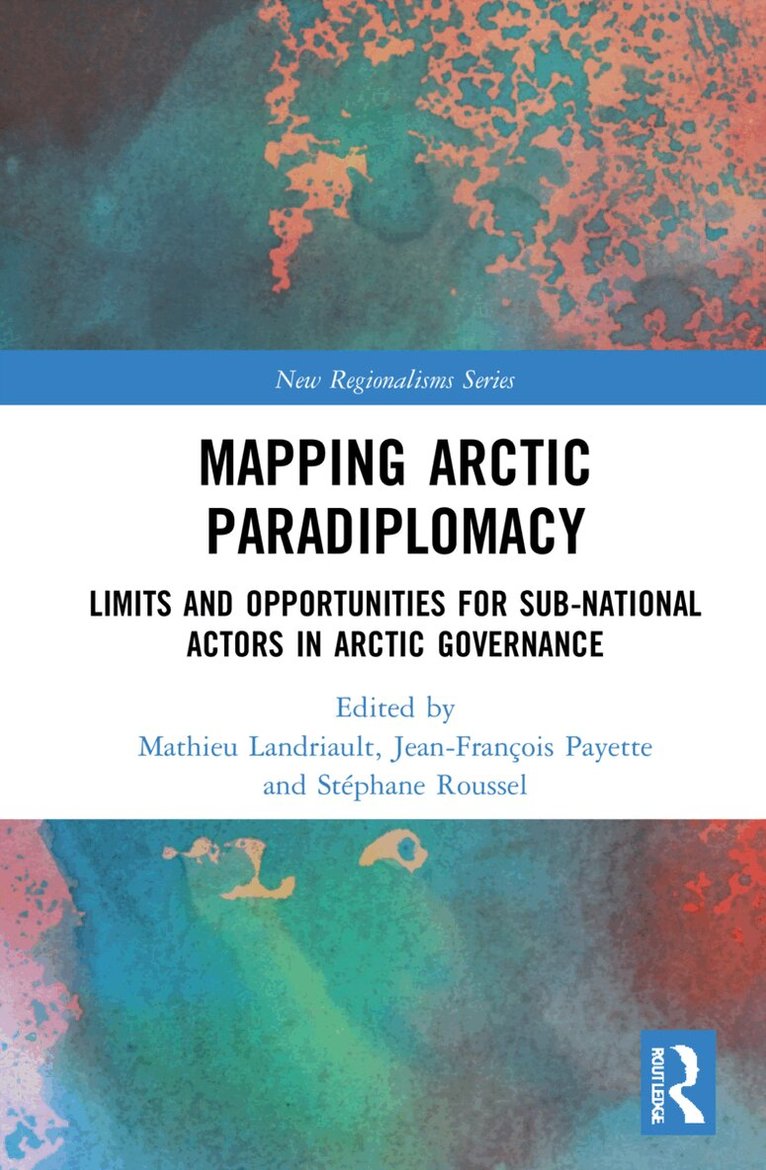
This book analyses the possibilities and limitations that sub-national actors face when developing diplomatic activities in the Arctic region.
Sub-national actors, such as civil society groups and sub-national governments or administrations, have been active in international relations for decades. They face specific political and economic limitations on the international scene as non-sovereign entities. This book investigates how these actors have developed their international presence in the Arctic region. It analyzes the diplomatic activities of states, provinces, regional administrations, and multilateral forums made of sub-national governments to offer comparative insights on the strategies, interests, and activities of sub-national governments. Alaska, Scotland, Quebec, Yakutsk, and Indigenous People’s organizations are among the examples covered in this book that have forged bilateral and multilateral relations to promote and defend their interests and values. Moreover, sovereign states are often using these sub-national actors to further their own interests, as exemplified in this book in how Russia and China harnessed the potential of sub-national governments to align with their Arctic policies.
The volume will be useful to academics and graduate students of Arctic politics, international relations, comparative politics, comparative federalism, foreign policy, and global governance.
682 kr
Läs direkt efter köp
This book analyses the possibilities and limitations that sub-national actors face when developing diplomatic activities in the Arctic region.
Sub-national actors, such as civil society groups and sub-national governments or administrations, have been active in international relations for decades. They face specific political and economic limitations on the international scene as non-sovereign entities. This book investigates how these actors have developed their international presence in the Arctic region. It analyzes the diplomatic activities of states, provinces, regional administrations, and multilateral forums made of sub-national governments to offer comparative insights on the strategies, interests, and activities of sub-national governments. Alaska, Scotland, Quebec, Yakutsk, and Indigenous People’s organizations are among the examples covered in this book that have forged bilateral and multilateral relations to promote and defend their interests and values. Moreover, sovereign states are often using these sub-national actors to further their own interests, as exemplified in this book in how Russia and China harnessed the potential of sub-national governments to align with their Arctic policies.
The volume will be useful to academics and graduate students of Arctic politics, international relations, comparative politics, comparative federalism, foreign policy, and global governance.
357 kr
Läs direkt efter köp
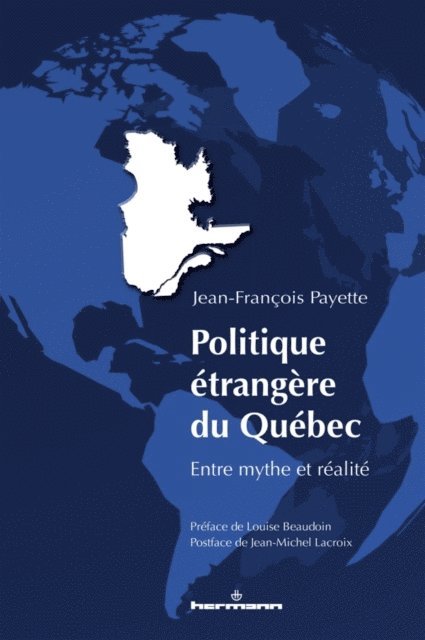
Ce livre est un incontournable. En effet, Jean-François Payette fait une analyse ample et claire de l’histoire des relations internationales du Québec. S’il y a eu au fil du temps beaucoup d’illusions qui se sont répandues à leur sujet, l’auteur les ramène à leur vraie dimension. Personne ne pourra plus aborder cette question sans se référer au travail colossal de ce chercheur. Louise Beaudoin, ancienne ministre des Relations internationalesLa réflexion dans ce livre est empreinte d’un réalisme qui sied à la difficile situation constitutionnelle du Québec. À tel point que ce travail pourra s’avérer utile au gouvernement du Québec dans la gestion de sa difficile et réductrice situation provinciale dans ses relations internationales. Le travail sera aussi utile aux nombreux chercheurs qui s’intéressent à ce sujet crucial et aux opérateurs politiques qui doivent gérer au jour le jour la situation actuelle.Bernard Landry, ancien Premier ministreOn lira avec plaisir de belles pages sur les conditions de l’émergence du Québec dans le monde. Le lecteur appréciera l’ampleur de la recherche et la richesse de la documentation. Il lira ce livre avec d’autant plus de bonheur que l’écriture est fluide. Le sujet est passionnant et c’est un nouvel objet d’étude qui répond à un vide en matière de réflexion scientifique sur le Québec.Jean-Michel Lacroix, professeur émérite de civilisation nord-américaine à la Sorbonne