Jean-Louis Dessalles – författare
Visar alla böcker från författaren Jean-Louis Dessalles. Handla med fri frakt och snabb leverans.
5 produkter
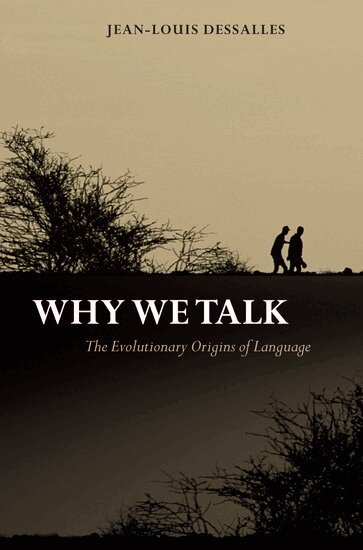
Why We Talk
The Evolutionary Origins of Language
Inbunden, 2007
1376 kr
Lägg i varukorg
Jean-Louis Dessalles explores the co-evolutionary paths of biology, culture, and the great human edifice of language, linking the evolution of the language to the general evolutionary history of humankind. He provides searchingly original answers to such fundamental paradoxes as to whether we …
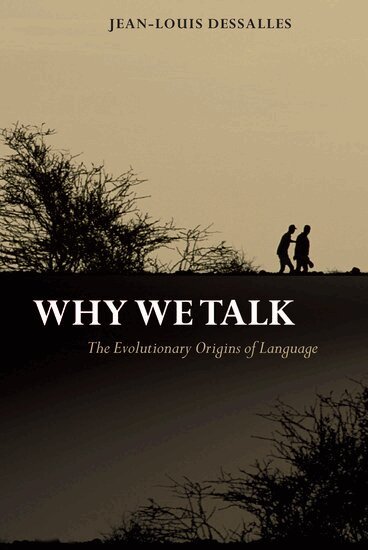
Why We Talk
The Evolutionary Origins of Language
Häftad, 2009
759 kr
Lägg i varukorg
Jean-Louis Dessalles explores the co-evolutionary paths of biology, culture, and the great human edifice of language, linking the evolution of the language to the general evolutionary history of humankind. He provides searchingly original answers to such fundamental paradoxes as to whether we …
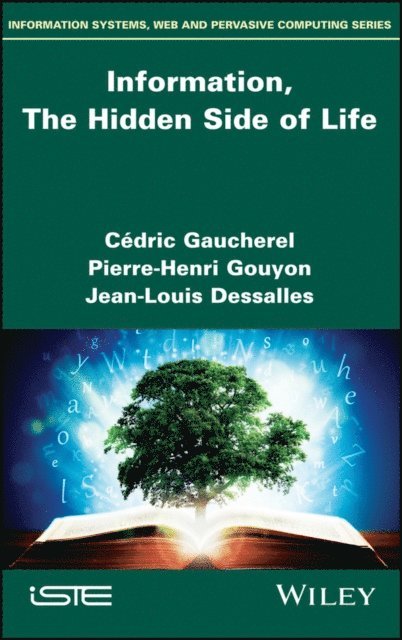
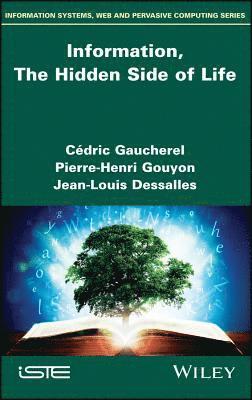
Information, The Hidden Side of Life
Av Jean-Louis Dessalles, Pierre-Henri Gouyon m. fl.
E-bok, 2019
2332 kr
Lägg i varukorg
This book explores the unity of life. It proposes that the concept of information is the inner essence of what we today call life. The importance of information for our species is obvious. Human beings are highly dependent on information, constantly exchanging with conspecifics. In a less apparent …
Information, The Hidden Side of Life
Av Jean-Louis Dessalles, Pierre-Henri Gouyon m. fl.
E-bok, 2018
2332 kr
Lägg i varukorg
This book explores the unity of life. It proposes that the concept of information is the inner essence of what we today call life. The importance of information for our species is obvious. Human beings are highly dependent on information, constantly exchanging with conspecifics. In a less apparent …
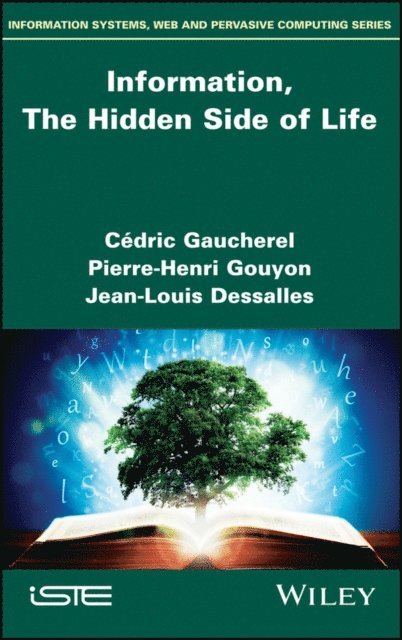
Information, The Hidden Side of Life
Av Cédric Gaucherel, Pierre-Henri Gouyon m. fl.
Inbunden, 2019
1956 kr
Lägg i varukorg
This book explores the unity of life. It proposes that the concept of information is the inner essence of what we today call life. The importance of information for our species is obvious. Human beings are highly dependent on information, constantly exchanging with conspecifics. In a less apparent …