Jean-Louis Roba – författare
Visar alla böcker från författaren Jean-Louis Roba. Handla med fri frakt och snabb leverans.
11 produkter
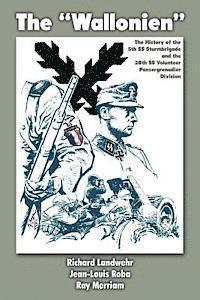
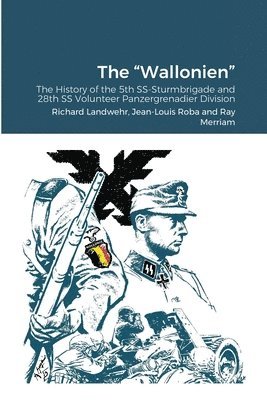
The "Wallonien": The History of the 5th SS-Sturmbrigade and 28th SS Volunteer Panzergrenadier Division
Av Jean-Louis Roba, Ray Merriam
Häftad
255 kr
Lägg i varukorg
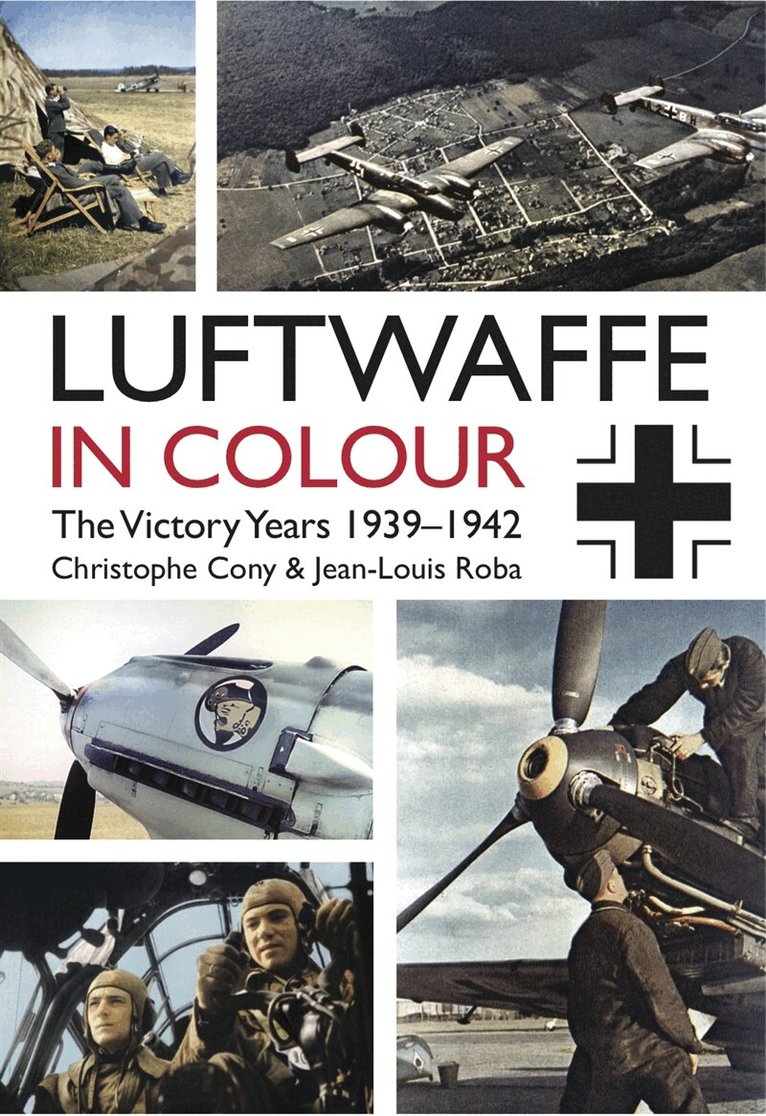
Luftwaffe in Colour: The Victory Years
Av Christophe Cony, Jean-Louis Roba
E-bok, 2021
80 kr
Lägg i varukorg
This remarkable work pulls the lid off one of the legendary air forces in history at the very peak of its power—unveiling the men and machines as they truly existed day-to-day, underneath the propaganda of their own regime and the scare stories of their enemies. In Hitler’s Germany, color …
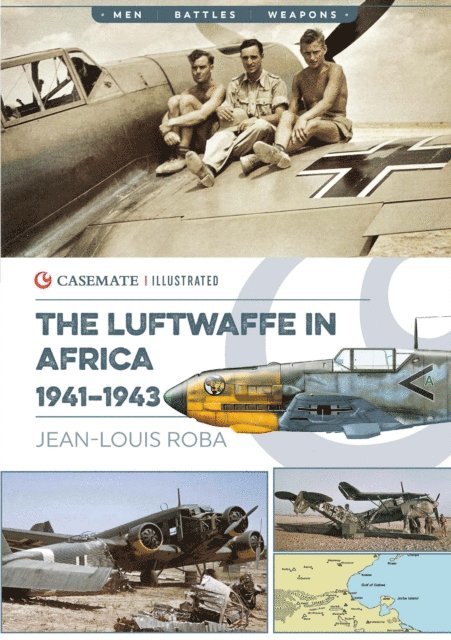
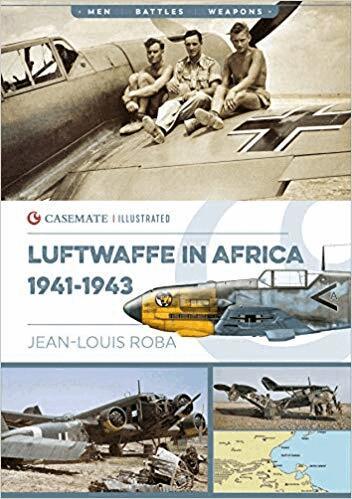
Luftwaffe in Africa, 1941-1943
E-bok, 2019
173 kr
Lägg i varukorg
This WWII history examines Nazi air force operations in Egypt and Libya with more than 100 rare wartime photographs. When Mussolini''s army was defeated on the Libyan-Egyptian border at the beginning of 1941, Adolph Hitler had no choice but to send reinforcements to help his ally. The Luftwaffe …
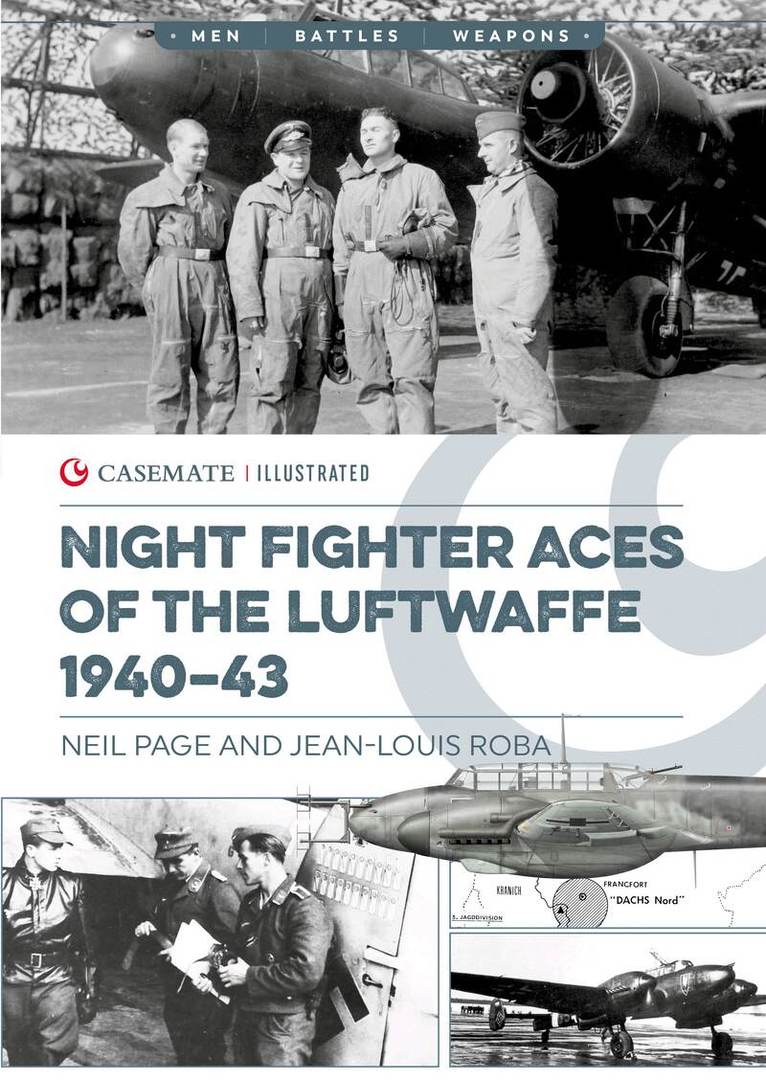
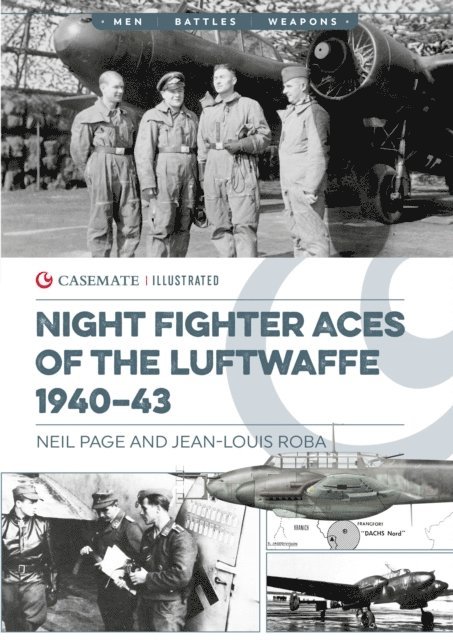
Luftwaffe Night Fighter Aces 1940–43
Häftad, 2024
279 kr
Lägg i varukorg
On 10 May 1940, the Wehrmacht launched its assault on the West. One element of the West’s response was the dispatch of RAF Bomber Command ‘heavy’ bombers at night over German industrial centers. These raids had only limited effectiveness, but the inability of the Luftwaffe to chase down RAF bombers …
Night Fighter Aces of the Luftwaffe 1940-43
E-bok, 2025
221 kr
Lägg i varukorg
During World War II, the Luftwaffe''s Nachtjagd evolved from chaos to effective night fighter units in response to RAF Bomber Command raids. On 10 May 1940, the Wehrmacht launched its assault on the West. One element of the West’s response was the dispatch of RAF Bomber Command ‘heavy’ bombers at …
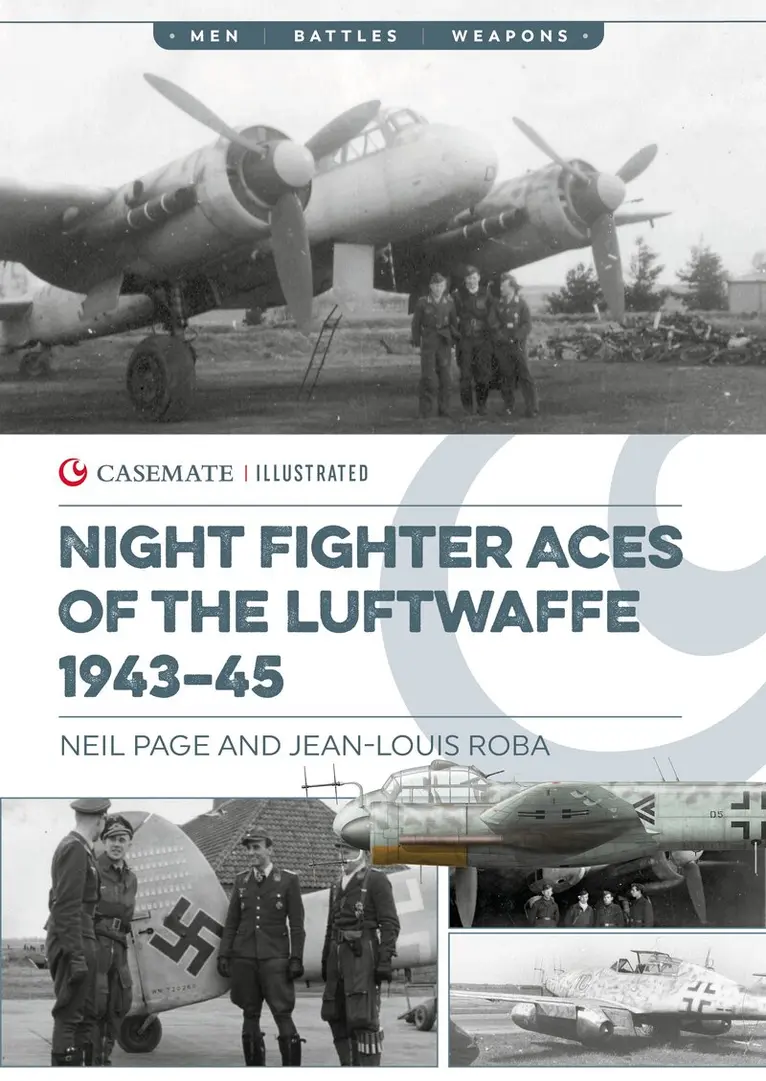
Night Fighter Aces of the Luftwaffe 1943-45
Häftad, 2025
273 kr
Lägg i varukorg
The week-long Allied bombing campaign against Hamburg in late July 1943 was not only hugely destructive but also had a significant impact on the German night fighter arm. From now on, the “boxes” of Kammhuber’s “Raumnachtjagd” would be the starting point from which fighters would be led into the …
"Wallonien"
The History of the 5th SS-Sturmbrigade and 28th SS Volunteer Panzergrenadier Division
Av Richard Landwehr, Jean-Louis Roba m. fl.
Häftad, 2020
172 kr
Lägg i varukorg
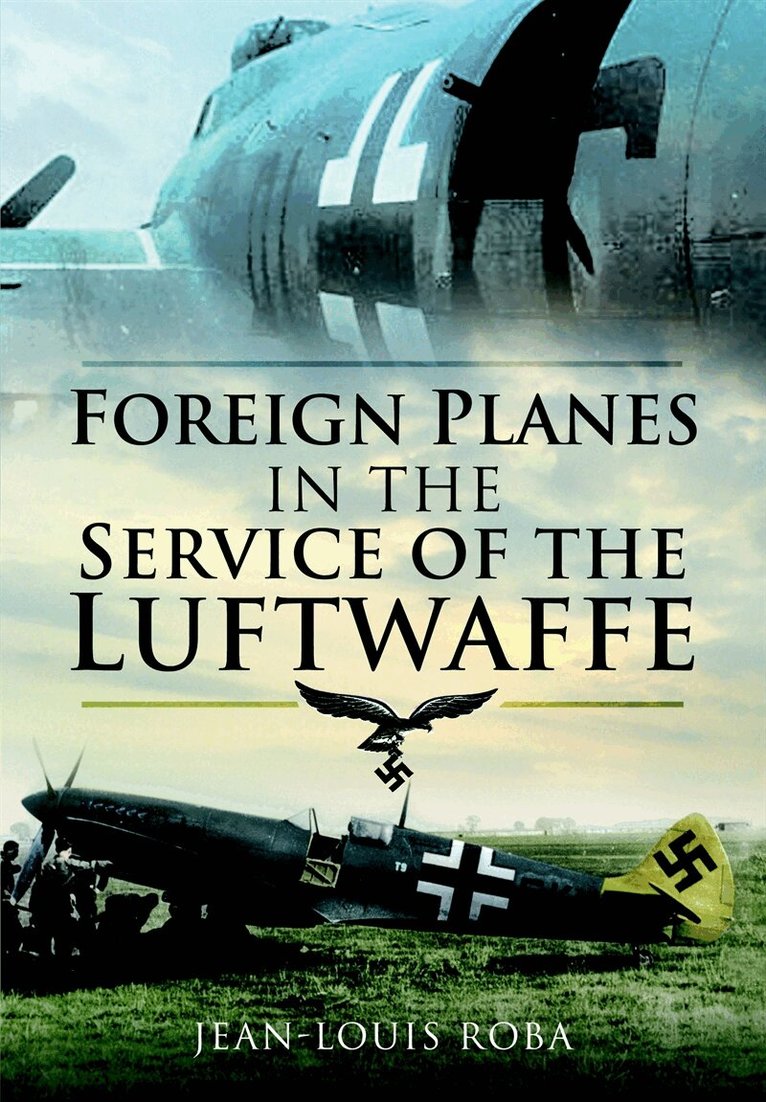
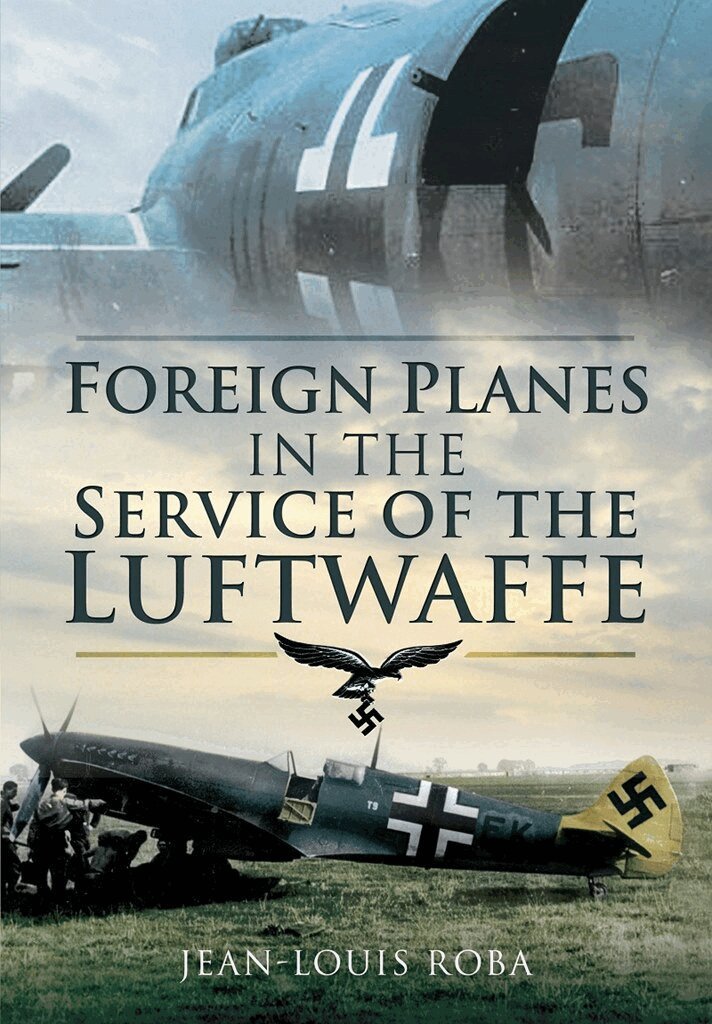
Foreign Planes in the Service of the Luftwaffe
E-bok, 2010
162 kr
Lägg i varukorg
This pictorial history shows the full extent of captured foreign aircraft used by Nazi Germany during WWII.No air force in the Second World War would make more use of captured planes than the Luftwaffe. With this in mind, military historian Jean-Louis Roba has tracked down hundreds of such aircraft …
Foreign Planes in the Service of the Luftwaffe
E-bok, 2021
4,0 utav 5 stjärnor. Totalt antal röster: (1)
127 kr
Lägg i varukorg
No air force in the Second World War would make more use of captured planes than the Luftwaffe. With this in mind, Jean-Louis Roba has undergone a considerable amount of work in tracking down hundreds of aircraft used by the Luftwaffe and illustrating their uses, careers and eventual fates. The …
Foreign Planes in the Service of the Luftwaffe
Häftad, 2020
165 kr
Tillfälligt slut
No airforce in the Second World War would make more use of captured planes than the Luftwaffe. With this in mind, Jean-Louis Roba has undergone a considerable amount of work in tracking down hundreds of aircraft used by the Luftwaffe and illustrating their uses, careers and eventual fates. The book …
Luftwaffe in Africa 1941-1943
Häftad, 2019
225 kr
Tillfälligt slut
Adolf Hitler considered the Mediterranean an unimportant theater of the war, leaving it to the troops of Benito Mussolini who wanted to dominate the “Mare Nostro.” Nevertheless, when the Italian army was defeated on the Libyan-Egyptian border at the beginning of 1941, the Führer was forced to help …