Neil Page – författare
Visar alla böcker från författaren Neil Page. Handla med fri frakt och snabb leverans.
8 produkter
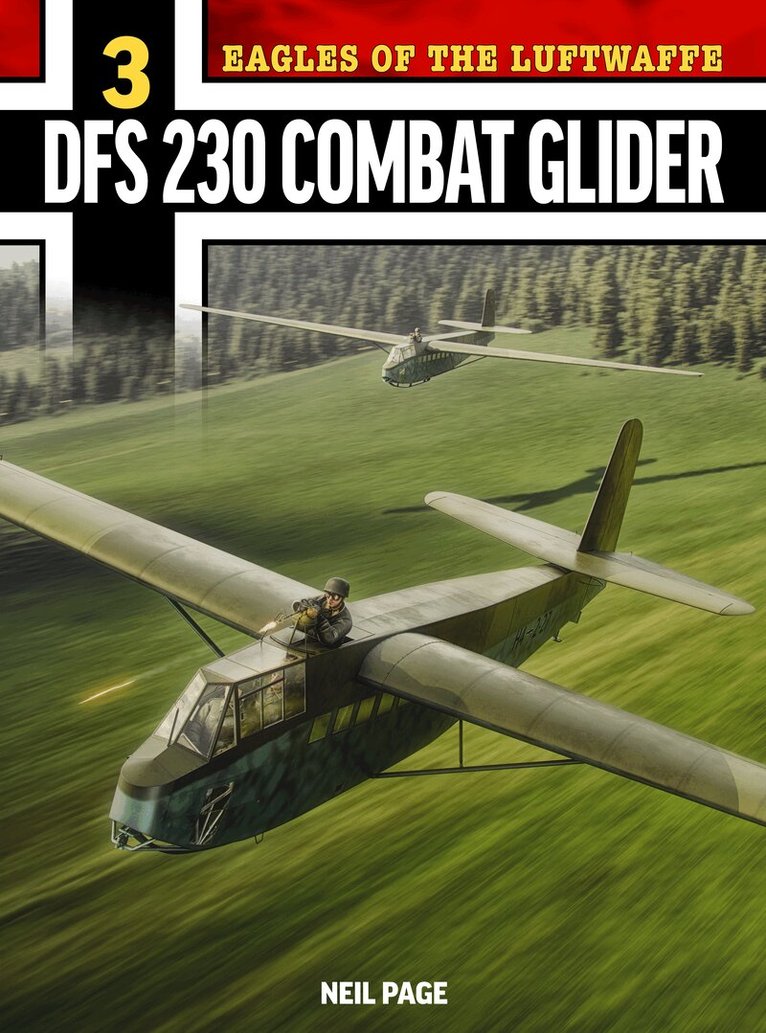
Eagles of the Luftwaffe: DFS 230
Av Neil Page
Häftad, 2025
198 kr
Lägg i varukorg
When it came to daring raids, Germanys airborne troops had a secret weapon during the Second World War: the DFS 230 combat and assault glider. Successful German attacks at Eben Emael, Corinth, Crete and Gran Sasso are synonymous with the type which could carry nine fully-equipped troops, dive …
Day Fighter Aces of the Luftwaffe 1939-42
Av Neil Page
Häftad, 2020
5,0 utav 5 stjärnor. Totalt antal röster: (1)
219 kr
Lägg i varukorg
Military and aviation history enthusiasts have always been interested in the fighter pilots of Hitler's Luftwaffe. Some of their stories are extraordinary. Fighting from the Arctic Circle to the North African deserts, from the Caucasus in the East to Normandy in the West, the German fighter pilot …
Day Fighter Aces of the Luftwaffe 1939-42
Av Neil Page
E-bok, 2020
214 kr
Lägg i varukorg
A pictorial history of Hitler''s fighter pilots that "will be of great interest to aircraft modelers and aviation historians alike" (AMPS Indianapolis).Military and aviation history enthusiasts have always been interested in the fighter pilots of Hitler''s Luftwaffe. Around five hundred Luftwaffe …
Day Fighter Aces of the Luftwaffe 1943-45
Av Neil Page
E-bok, 2020
214 kr
Lägg i varukorg
The second volume of this “excellent” overview of Germany’s World War II fighter pilots, filled with photos, maps, and aircraft profiles ( Air Power History ). This volume of Day Fighter Aces of the Luftwaffe traces the story of the Luftwaffe’s day fighter arm from 1942 through to the end of the …
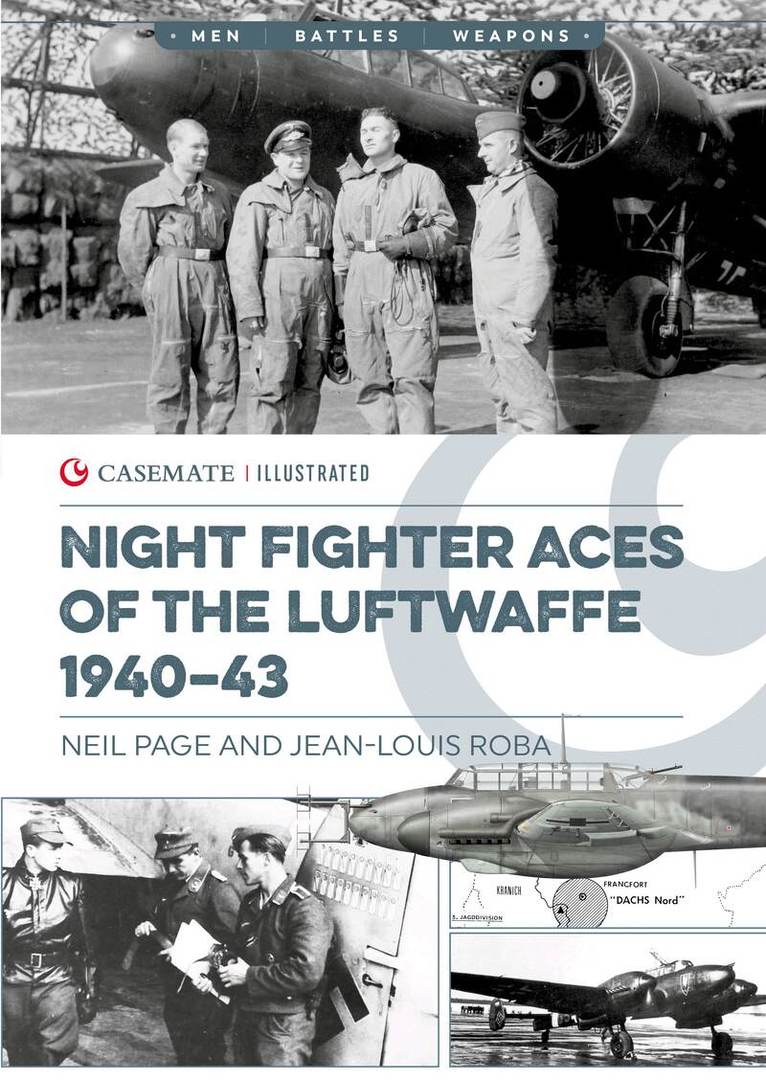
Luftwaffe Night Fighter Aces 1940–43
Häftad, 2024
279 kr
Lägg i varukorg
On 10 May 1940, the Wehrmacht launched its assault on the West. One element of the West’s response was the dispatch of RAF Bomber Command ‘heavy’ bombers at night over German industrial centers. These raids had only limited effectiveness, but the inability of the Luftwaffe to chase down RAF bombers …
Night Fighter Aces of the Luftwaffe 1940-43
E-bok, 2025
221 kr
Lägg i varukorg
During World War II, the Luftwaffe''s Nachtjagd evolved from chaos to effective night fighter units in response to RAF Bomber Command raids. On 10 May 1940, the Wehrmacht launched its assault on the West. One element of the West’s response was the dispatch of RAF Bomber Command ‘heavy’ bombers at …
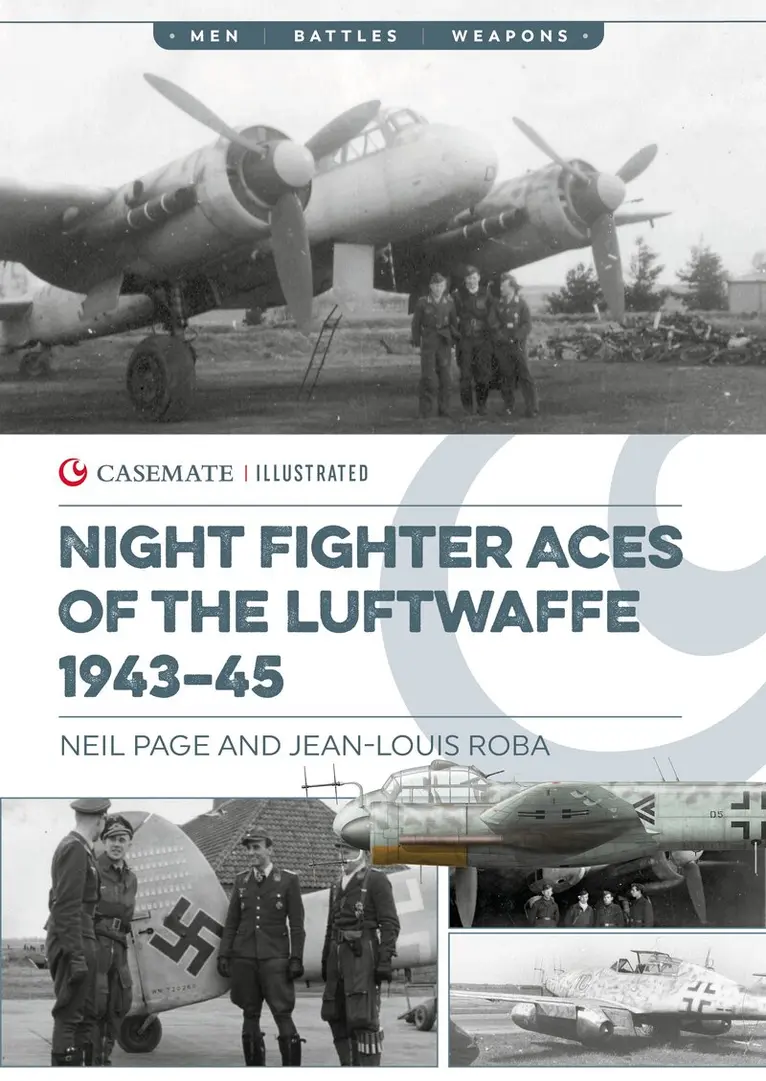
Night Fighter Aces of the Luftwaffe 1943-45
Häftad, 2025
273 kr
Lägg i varukorg
The week-long Allied bombing campaign against Hamburg in late July 1943 was not only hugely destructive but also had a significant impact on the German night fighter arm. From now on, the “boxes” of Kammhuber’s “Raumnachtjagd” would be the starting point from which fighters would be led into the …