Jean-Paul Pallud - Böcker
Visar alla böcker från författaren Jean-Paul Pallud. Handla med fri frakt och snabb leverans.
12 produkter
12 produkter
175 kr
Skickas inom 10-15 vardagar
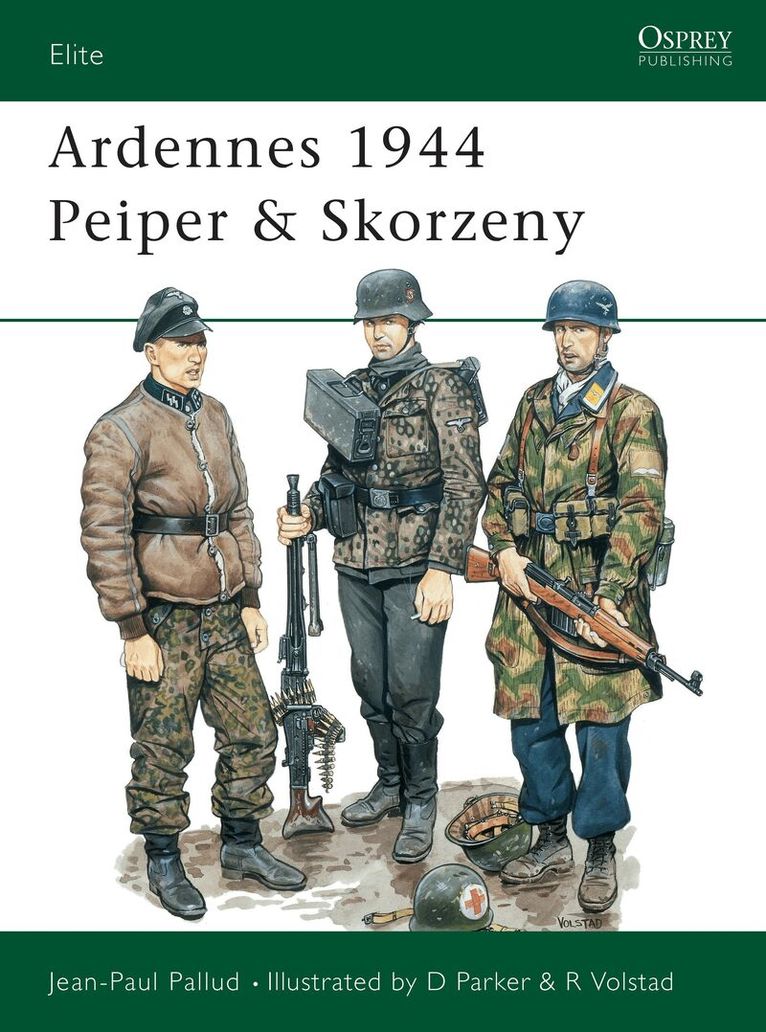
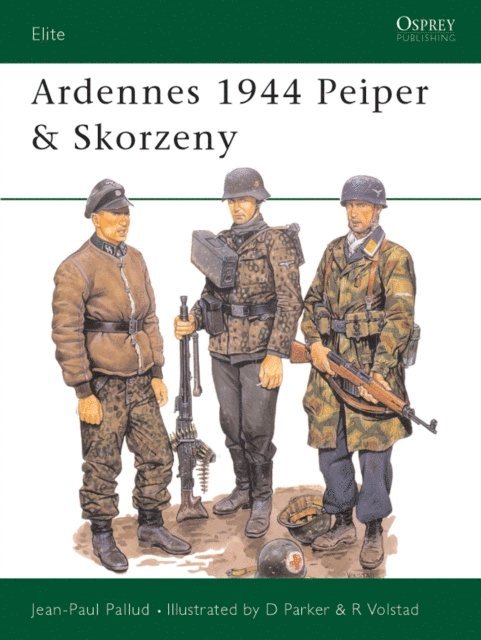
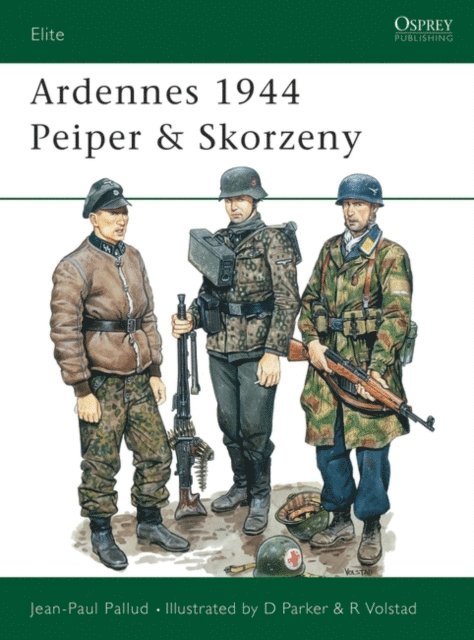
From the earliest planning stages of the German counter-offensive in the Ardennes, Hitler was convinced of the importance of taking the Meuse bridges.He resolved that, when his forces broke through the US lines, one special unit should be dressed in American uniforms and issued with American weapons and vehicles. In this guise they could take advantage of the surprise and shock of the breakthrough, and move forward to the Meuse bridges as if they were retreating Americans.In this illustrated volume, Jean-Paul Pallud details their organisation and the fateful sequence of events that followed.
507 kr
Skickas
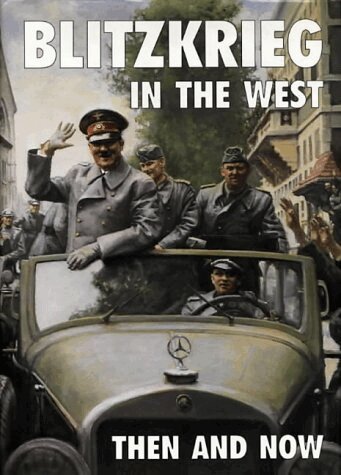
The author presents an account of the Battle of France: the forty-five traumatic days from May 10 to June 24, 1940 that resulted in one of the most remarkable military victories of modern times. During those six weeks, six nations found themselves at war, fighting across four countries. From the polders of the Netherlands in the north to the mountains of the Alps in the south, and from the Rhine valley to the Atlantic coast, Jean Paul Pallud explores every corner of the battlefield, the camera recording the scenes today where 50 years ago Dutch, Belgian, German, French, British and Italian soldiers were locked in mortal combat. Battles great and small are described and illustrated to colour the canvas of both the broad strategy and the individual firefight in Hitler's victorious campaign of Blitzkrieg in the West.
214 kr
Skickas
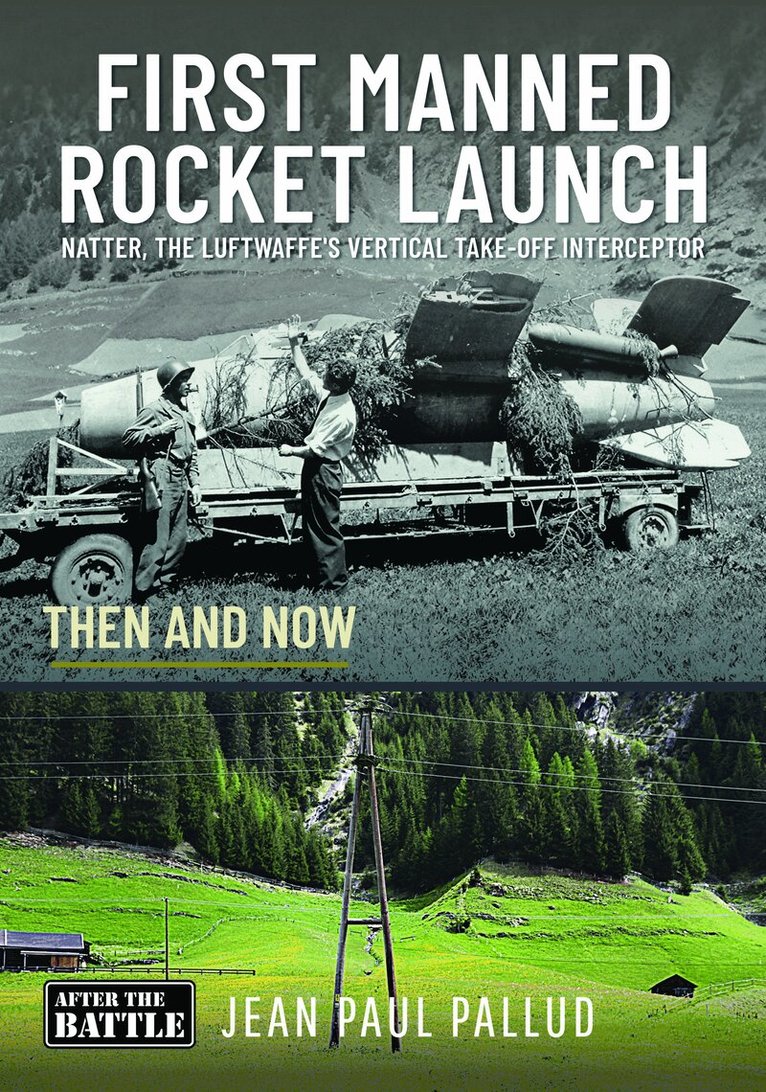
Well before Yuri Gagarin or Alan Shepard, Lothar Sieber became the first man to take off vertically from the ground under rocket power on March 1, 1945\. The plane crashed after flying for 55 seconds and he was killed. The launch marked a milestone on the road to spaceflight, even though it remained virtually unknown to the general public for more than half a century.But the Natter was a weapon of war born out in the closing months of World War II when Germany was desperately looking for 'wonder weapons' to fight the inevitable defeat.A vertical take-off rocket fighter, the Natter would reach the Allied bomber altitude in seconds, then the pilot would get within firing distance of a bomber, and fire all 24 rockets into the nose in a single shot. Its fuel running out, the pilot will then glide the plane at high speed to a lower altitude, at which point he will trigger the plane to break up, a large parachute opening at the rear, popping off the nose and the pilot with it. The pilot and the tail with the Walter rocket engine would land under their separate parachutes, while the disposable nose, fuselage and wings were to crash to the ground.The Natter is unquestionably an exciting aircraft but it is safe to assume that it would have been a failure as a bomber interceptor.
266 kr
Skickas
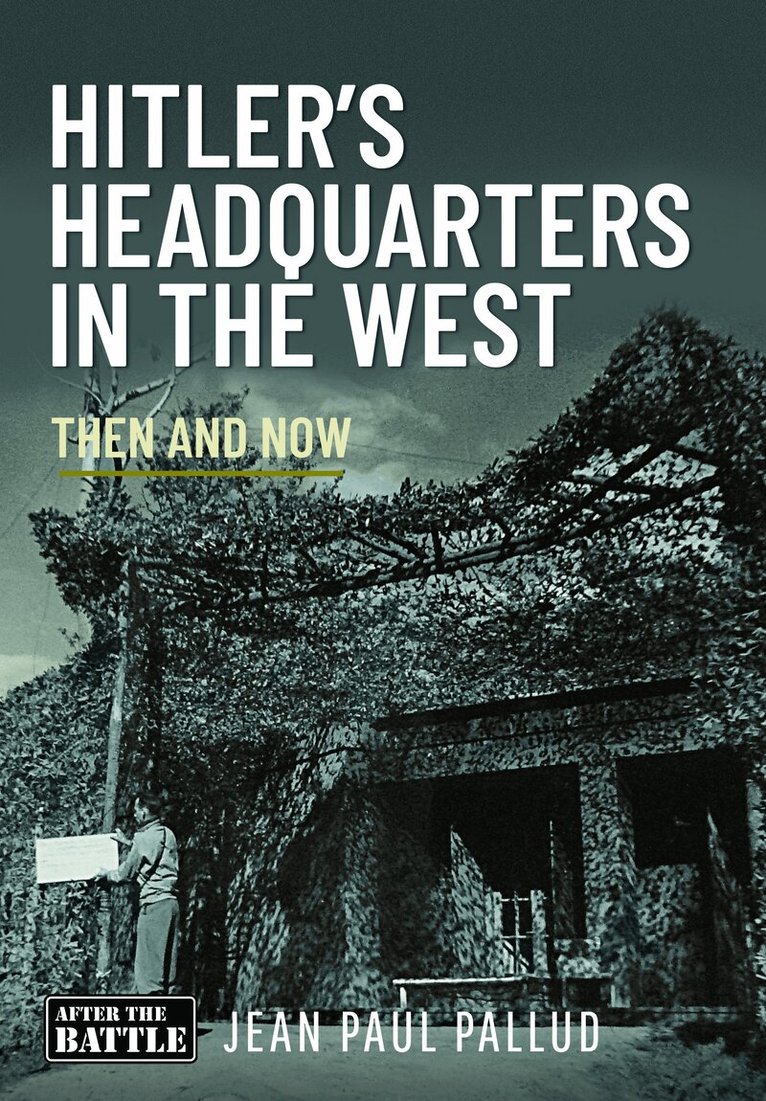
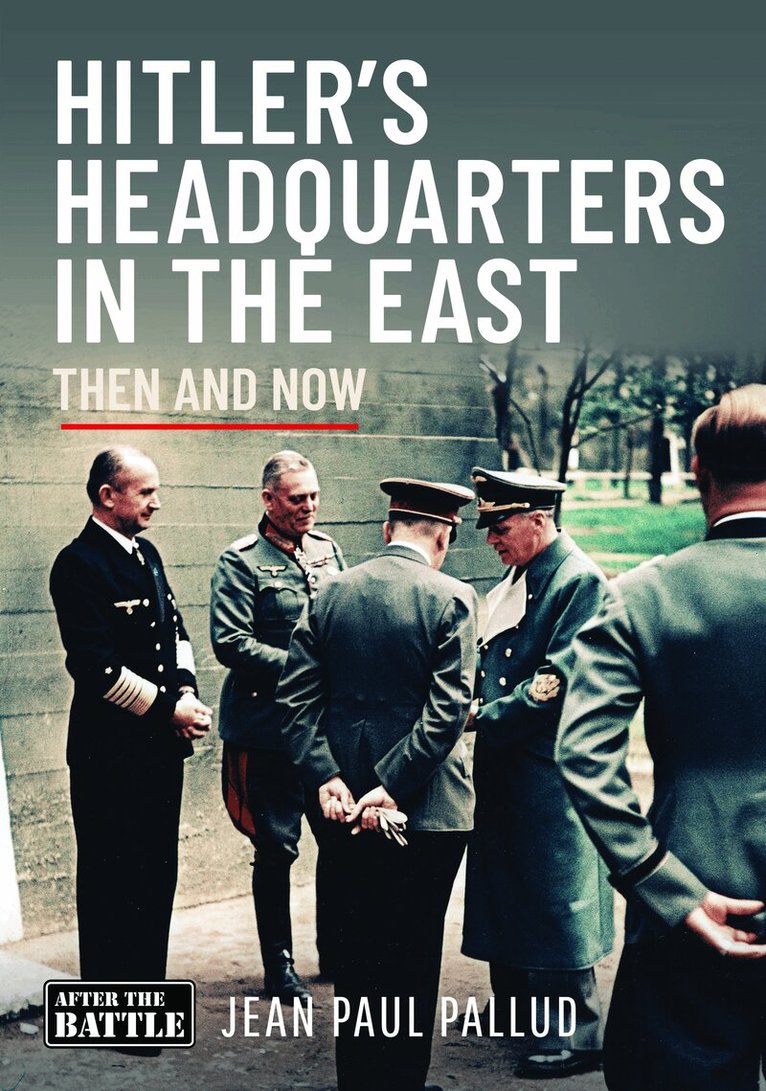
The Führer Headquarters, Führerhauptquartiere abbreviated FHQu in German, were headquarters used by Nazi leader Adolf Hitler and his close circle of commanders and officials. As Hitler directly controlled much of the German war effort, the FHQu were de facto military headquarters.At the beginning of the war, Hitler's railway train served as Führerhauptquartier, for example during the Balkans campaign in the spring of 1941, but the construction of Führerhauptquartiere, Hitler's Headquarters, was entrusted to the Organisation Todt, the Nazi civil engineering body.'Wolfsschanze' in East Prussia is well known, not least because of 'Operation Valkyrie', Oberst Claus von Stauffenberg's attempt to kill Hitler by detonating a bomb under a conference table on July 20, 1944\. It was one of the largest Führer headquarters, and the one where Hitler remained the longest period but by the end of 1944, 16 headquarters had been built throughout Europe and three more were still under construction. Many were never used.
318 kr
Skickas
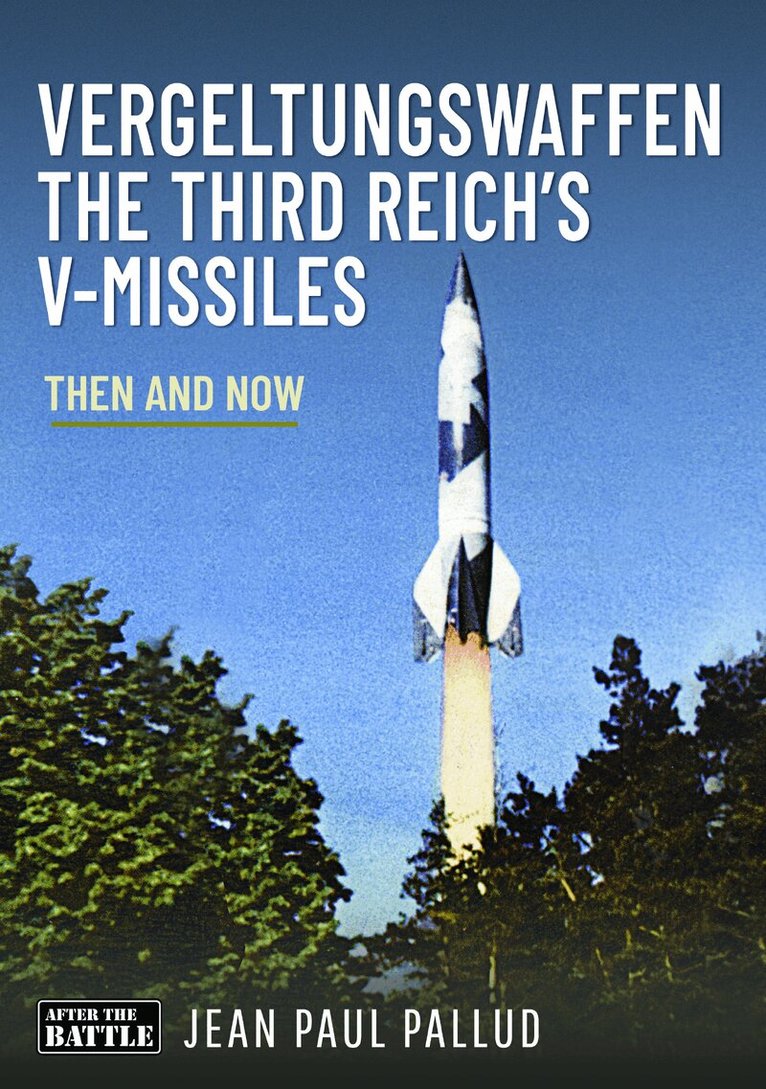
Whether it is their innovative technical development or the Nazi propaganda harping them as revolutionary wonder weapons, readers interested in World War II find the research on 'German secret weapons' very interesting.The V1, a flying bomb we would now call a cruise missile, opened in June 1944 and soon dozens of them were hitting England day and night. Churchill was so worried that he issued a memorandum proposing to drop poison gas on German cities. To strengthen the faith of the German people in the final victory, despite an increasingly desperate military situation, Nazi propaganda gave the name to this new weapon, V1 for Vergeltungswaffe 1, weapon of revenge number 1.The first V2s, a large liquid-fuelled rocket, were fired against Paris and London on September 8.The V1s and V2s, but also jet engines, were produced by slave workers in the underground factory of Mittelwerk. Inmates from nearby Dora concentration camps provided the labour force, the usual gruesome methods were employed, and over 20,000 of the forced laborers of the Mittelwerk perished. The SS finally seized power not onlye of the production of V-Weapons but also of their operational command.The last months of World War II, when Germany was on the defensive on all fronts and desperately looking for 'wonder weapons', saw a number of ineffective, albeit innovative, technical developments. Among them were the HDP and the Rheinbote, the third and fourth V-Weapons, which were launched into battle in small numbers.V-weapons were indeed inventive weapon concepts, but it must be remembered that Nazi Germany failed to realize that the real super-weapon was going to come from nuclear technology. The only real superweapon of World War II, the atomic bomb, was developed by the Western Allies.The Allied powers had recognized the technical potential of the V2s and to learn German technique of launching long-range rockets, an Operation 'Backfire' was conducted in the summer of 1945 with captured German personnel supervised by British technical experts. Three V2s were launched in October. The United States wasted no time in acquiring 120 top rocket scientist Germans and the first test of a V2 on American soil took place on March 3, 1946\. The Russians also captured German rocket technicians who quickly resumed their work in Russia.
258 kr
Skickas
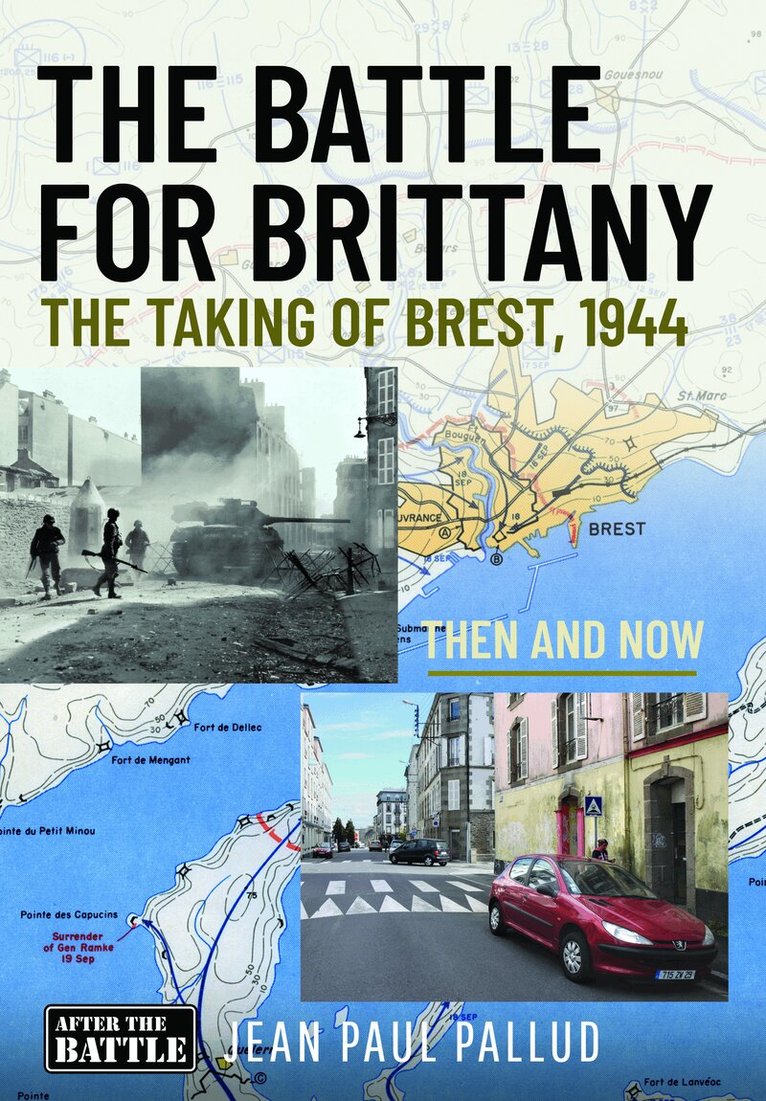
At the end of July, Operation 'Cobra' broke through the German defences and the American leaders rushed through Coutances and Avranches, and took the Pontaubault bridge on the 31st. On August 1, the VIII Corps had three crossing sites over the Sée River and four over the Sélune, the routes to enter Brittany were open.That day, as the 4th Armored Division thrust from Pontaubault toward Rennes, Lieutenant Georges S. Patton's Third US Army became operational.To secure Brittany, Patton's plan was to unleash armoured columns in the peninsula, the 4th Armored Division to drive through Rennes to Quiberon, and the 6th Armored Division to rush all the way to Brest. A third column, Task Force A, was to secure the vital railroad that ran along the north shore.The 4th Armored Division reached Nantes on August 6, to find the port facilities in ruins. On the northern shore of the peninsula, Task Force A encountered fierce resistance at Saint-Malo. While the task force continued westwards, the 83rd Division took on the siege and it took four weeks of repeated attacks, and the engagement of strong artillery forces and several heavy air raids, to obtain the surrender of the German fortress.The Americans faced a similar dogged defence at Brest and it took six weeks of fighting to obtain the surrender of Generalleutnant Hermann Ramcke on September 19. The Americans lost 10,000 killed and wounded in the battle, but Brest, as well as its harbour facilities, were destroyed.On September 13, after the extent of the reconstruction and works necessary to rehabilitate the harbour had been looked at, it was decided to abandon all repair work there. The serious Allied problem of port capacity persisted until November, when the Antwerp facilities became available.The charge was later made that the employment of three divisions and valuable transports and supplies to defeat the German garrison at Brest but the resources used there, quite small when compared to the total effort, could hardly have altered the pattern of the quick advance eastwards.
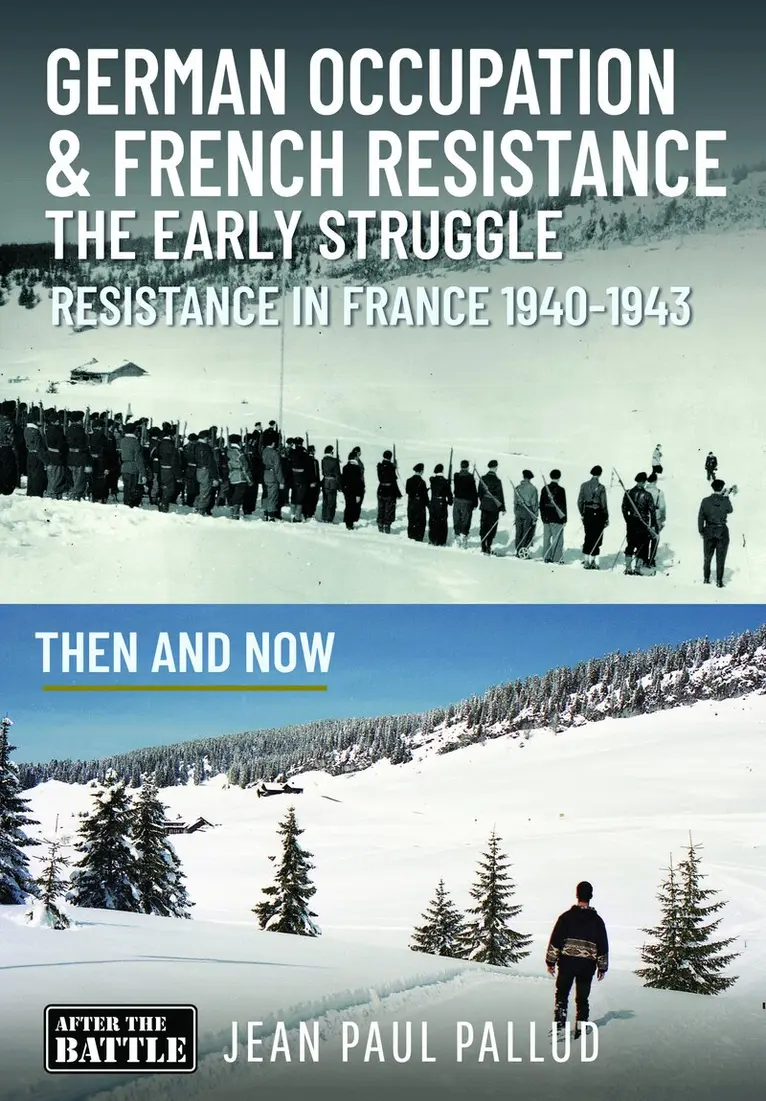
German Occupation & French Resistance - The Early Struggle
Resistance in France 1940-1943 Then and Now
Inbunden, Engelska, 2026
388 kr
Kommande
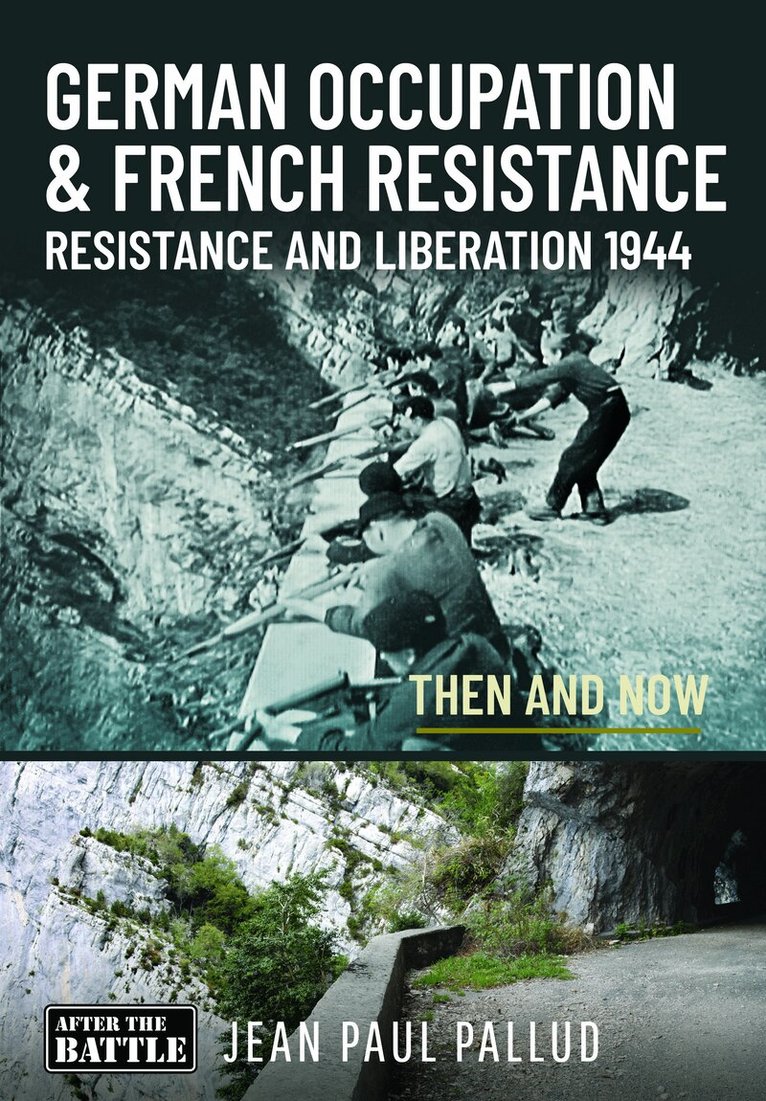
Resistance was a refusal to accept the finality of the military defeat of 1940; a refusal to accept that Vichy was the legitimate voice of France; a refusal to accept Vichy policy of collaboration. 'Resisters' were those French men and women who decided to keep on fighting the Germans.Rare men and women joined the Resistance in 1940, soon after the signature of the armistice, individually or within small isolated groups, alone, with no links between them. Others placed themselves at the service of the British SOE networks or the Free French networks. In line with the Soviet-German Non-Aggression Pact of August 1939, the Communist Party first took a neutral stance, though uncompromisingly hostile toward the Vichy regime. The Party joined the Resistance at the end of June 1941, when Germany attacked the Soviet Union, and soon created a clandestine armed force, ‘Francs Tireurs et Partisans’ (FTP).The communists called for immediate action and on August 21, a two-man squad shot Fähnrich Alfons Moser, a clerk with the Kriegsmarine, in the underground Metro in Paris. Five days later, the Germans shot five communists in reprisal, the first hostages to be executed in France. Many more followed, and recent studies indicate that 834 hostages were killed by the Germans between 1941 and 1944, in addition to approximately 2,900 resistance fighters executed after trial.The resistance movements were gradually organised, in the Occupied Zone, as well as in the Free Zone south of the Demarcation Line. In January 1942, de Gaulle sent Jean Moulin to France with the mission of unifying the Resistance. Jean Moulin succeeded in this unification and a National Council of Resistance (CNR) was created in May 1943, with representatives of the resistance movements of the two zones, political parties, and unions. The Germans hit hard in June, arresting Moulin on the 21st. He was so badly tortured by his SD interrogators that he succumbed within a fortnight. He revealed nothing, and the Germans were unable to dismantle the CNR.At the beginning of 1944, the armed groups of the different resistance movements were unified within the French Forces of the Interior (FFI).Plans were developed to bring chaos behind the German lines during the Allied landing in Normandy, and the Resistance promptly went into action on D-Day. The rail-cutting program was extraordinarily effective with hundreds of individual operations carried out.The Germans became alarmed by the impressive increase of the Resistance actions all over France and from the beginning of 1944 they launched successive attacks, for example against Mont Mouchet in the Massif-Central and at Saint-Marcel in Brittany in June. In the Alps, the Resistance being too strong to be dealt with solely by the occupation forces, the Germans were compelled to switch the 157. Reserve-Division, nominally a training formation, to anti-guerrilla operations against the Glières in March, and against the Vercors in July.Resistance activities increased significantly after D-Day, and harried German units committed numerous atrocities and war crimes against the civilian population. The worst of their crimes was committed by the 2. SS-Panzer-Division which hanged 99 men in Tulle on June 9 and murdered 642 civilians, women and children included, in Oradour-sur-Glane the next day.In the summer of 1944, Resistance forces liberated most of south-west and centre of France. In Brittany, the FFI provided very valuable assistance to the rapid advance of the American Third Army in August while in the south-east they facilitated the advance of the forces of the 6th Army Group which landed in Provence. In Paris, the Resistance launched an insurrection which practically liberated the city on August 25, before the arrival of the forces of the V Corps.After the Liberation, resistance fighters joined the new French Army and continued the fight alongside the Allies, allowing France to be associated with the 1945 victory over Nazi Germany.Including the resistance fighters executed, those killed in combat and those who died in deportation, some 37,500 resistance fighters died for France. In addition, some 3,900 people engaged in civil resistance were killed, bringing the total death toll to approximately 41,500.
214 kr
Skickas
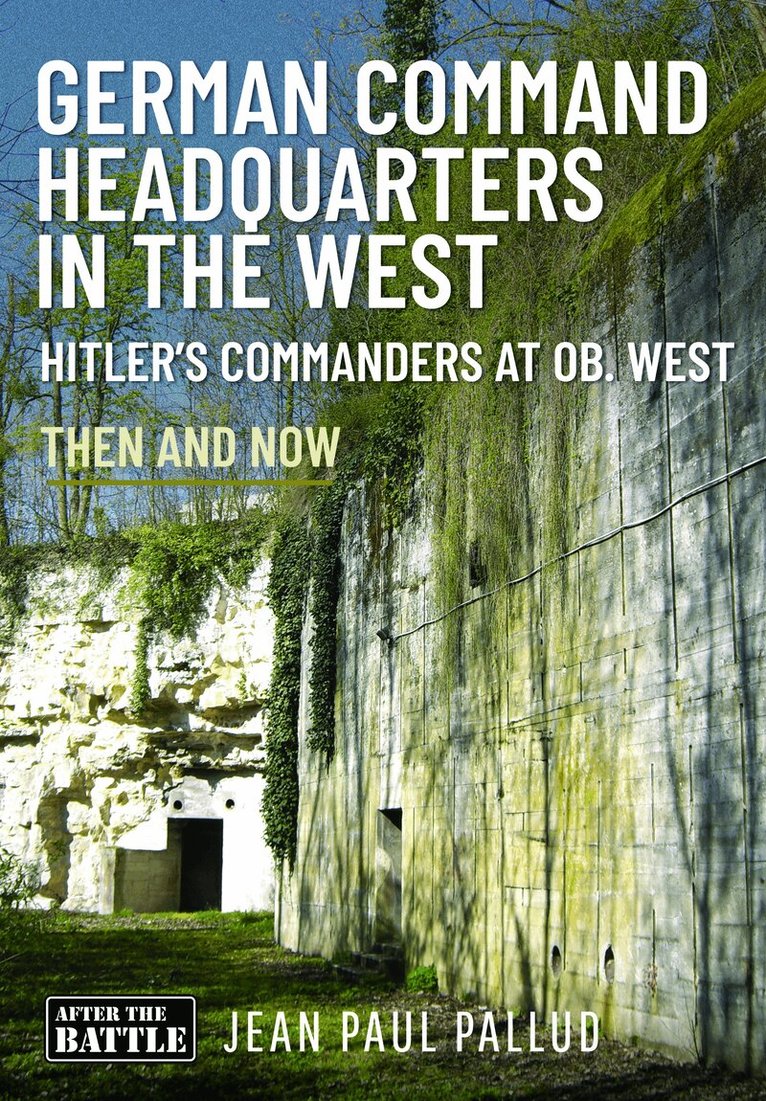
The Wehrmacht won a quick victory in the West in 1940, the Netherlands and Belgium capitulated in May, and France signed an armistice on June 22.Heeresgruppe A remained in France and Generalfeldmarschall Gerd von Rundstedt and his staff established themselves at Saint-Germain-en-Laye and they soon worked on drawing up provisional instructions for Operation 'Seelöwe', the invasion of Great Britain. In October, von Rundstedt was appointed Commander-in-Chief West (Oberbefehlshaber West or Ob. West for short) and made responsible for all the German-occupied territory in western Europe.In April 1941, he and his staff were secretly moved to the East to take command of the right wing of the offensive against Russia and the function of Ob. West was taken over by Generalfeldmarschall Erwin von Witzleben. In March 1942 von Witzleben took leave of his command due to ill health and from the 8th, von Rundstedt returned as Commander-in-Chief in the West.It was from Saint-Germain that the Ob. West, von Rundstedt, faced the Allied landing in Normandy in June 1944, the invasion as the Germans called it. The German forces were unable to stop the Allied operation, Hitler found fault with the local commanders and decided to relieve von Rundstedt of his command. Generalfeldmarschall Günther von Kluge was then appointed Ob. West and it was a grim situation that he inherited upon his arrival at Saint-Germain on July 3.Saint-Germain thus saw four of the most important Field Marshals of the Third Reich successively assuming command of the Ob. West, and a fifth, the famous Erwin Rommel, was also part of the story. Of these five Generalfeldmarschalls, three died for their involvement in the plot to eliminate Hitler, or for their sympathy with the conspiracy: von Witzleben was executed after an express judgment, and von Kluge and Rommel committed suicide.The Ob. West has left Saint-Germain with some remarkable constructions, most of which are still visible today, nestled in the city, witnesses to this strange episode in the history of the city.
235 kr
Skickas
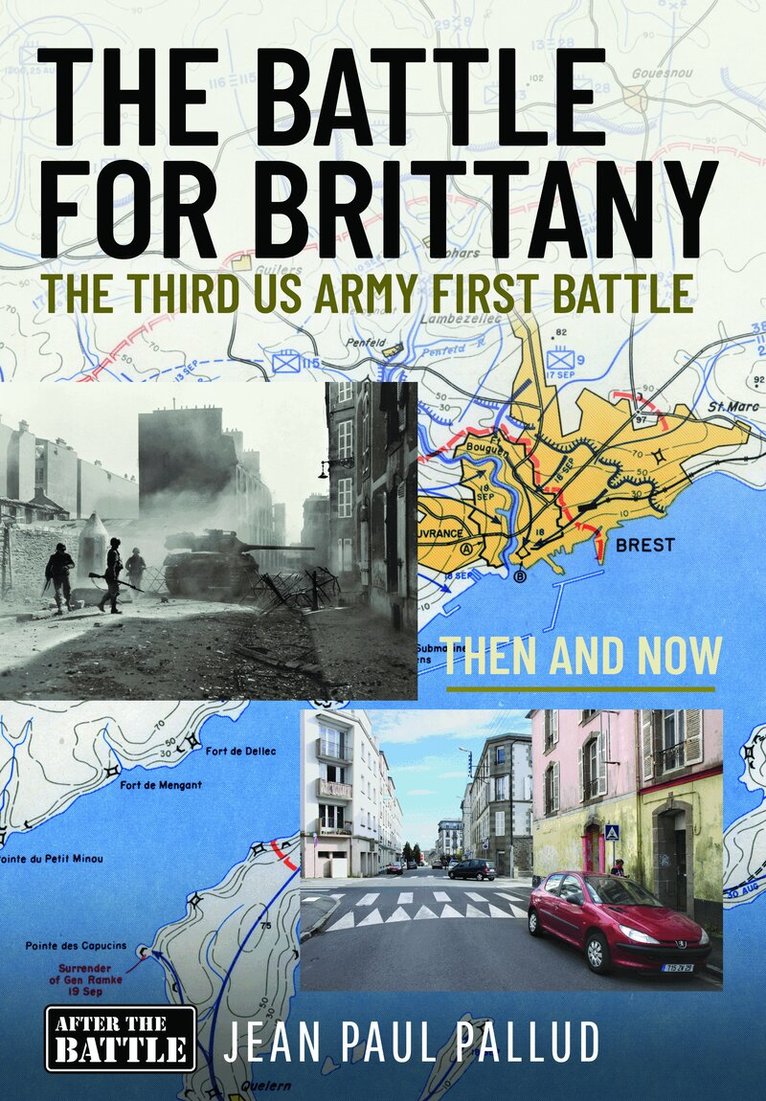
In a swift campaign the Third US Army conquered the Brittany peninsula in August 1944. The German forces in Brittany had been herded into Lorient, St Nazaire, and Brest, where they could only await American siege operations. Despite these achievements, the Brittany campaign had not yet secured the basic strategic objectives that had motivated it: the capture of harbours. St Malo was destroyed beyond hope of immediate repair and Nantes was demolished as well.At the end of the month, as the VIII Corps gathered its forces for a mighty effort to take Brest, the development of the breakout in Normandy and the pursuit beyond the Seine made the logistical planners start to look elsewhere for major ports of entry.The VIII Corps faced a dogged defence at Brest and it took six weeks of fighting to obtain the final surrender of Generalleutnant Ramcke on September 19. American casualties in the Battle of Brittany totalled 9,831; prisoners and the taken numbered 38,000, of whom more than 20,000 were combat troops.On September 13, after the extent of the reconstruction and works necessary to rehabilitate the harbour at Brest had been looked at, it was decided to abandon all repair work there. The serious Allied problem of port capacity persisted until November, when the Antwerp facilities became available.The charge was later made that the employment of three divisions and valuable transports and supplies to defeat the German garrison at Brest adversely affected pursuit operations beyond the Seine. However, it should be noted that the resources used at Brest were quite small compared to the main effort and could hardly have changed the development of the advance towards the Seine and beyond.Told through more than a hundred ‘Then and Now’ comparison photographs that bring history to life, this book tells the story of the long siege of Festung Brest. By pinpointing for the first time, the locations where so many photographs were taken, this book will allow the reader to walk in the footsteps of the heroes of this great moment in history.
258 kr
Kommande
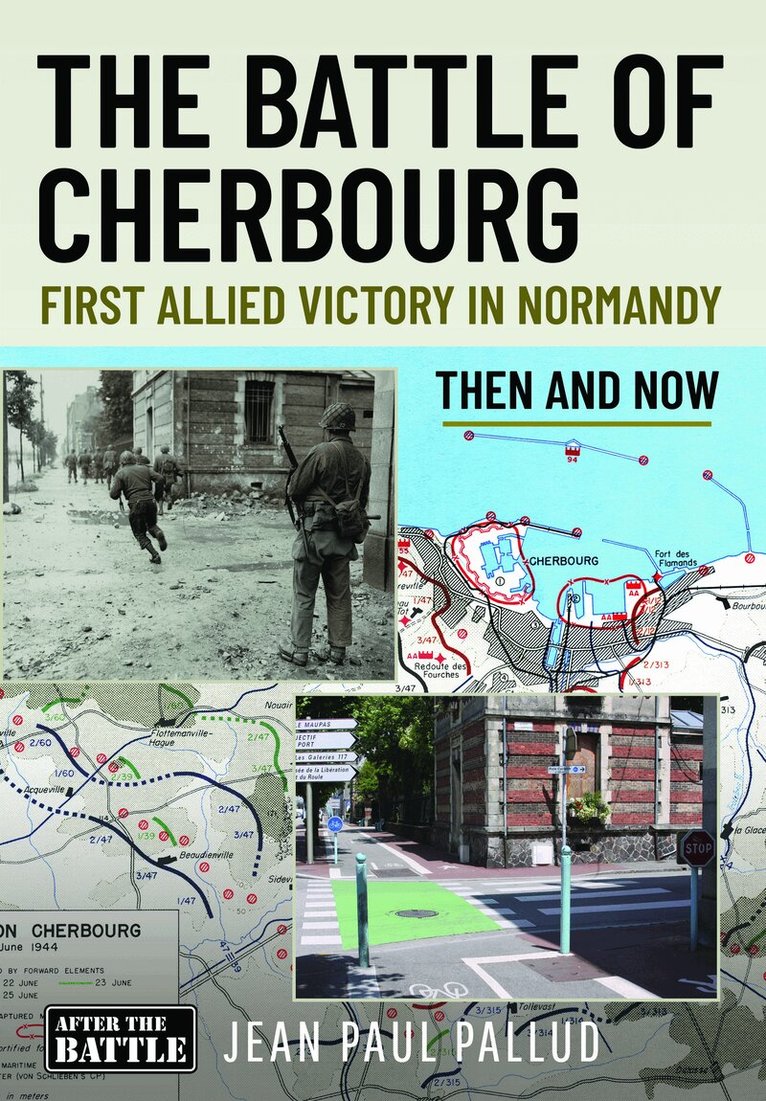
In developing plans for the Allied invasion of France, from the very beginning, SHAEF planners considered the vital need to secure deepwater ports to bring in all the supplies needed to support an army of hundreds of thousands of troops. Cherbourg, at the tip of the Cotentin Peninsula, was the closest to the landing beaches chosen for Operation ‘Overlord’. The planners therefore decided to land forces at the base on the peninsula, in order to enable the rapid capture of Cherbourg, and also to widen the front of the landing. The First US Army was tasked to capture it as quickly as possible.In the early hours of June 6, paratroopers from the 82nd and 101st Airborne Divisions landed inland from Utah Beach to capture the beach exits, and secure the crossings over the Douve River at Carentan. On June 10, the 101st Airborne Division captured Carentan, thus liaising with the Omaha beachhead and ensuring the Allies a continuous front.This success allowed VII Corps to advance westward to isolate the Cotentin Peninsula. On June 18, the 9th Infantry Division reached the west coast of the peninsula, and within 24 hours, the 4th, 9th, and 79th Infantry Divisions advanced northward.Within two days, they were within striking distance of Cherbourg, but the German commander, Generalleutnant Karl-Wilhelm von Schlieben, rejected a summons to surrender and began demolitions of the port. The VII Corps launched a general assault on June 22. Resistance was initially strong, but the Americans gradually drove the German defenders from their bunkers and pillboxes. Allied warships and cruisers bombarded the defences on the 25th, and the 79th Division captured Fort du Roule, which dominated Cherbourg and its defences, on the 26th. General von Schlieben surrendered the same day, and the port and arsenal capitulated on the 27th.Fregattenkapitän Witt, the port commander, escaped by boat to the Fort de l’Ouest, a bastion on the breakwater, and took command of the small forces holding this fort and the Fort du Centre. After two days of artillery hammering and several bombing raids, the two strongholds surrendered on June 29. The Battle of Cherbourg was over.In the battle for the Cotentin and Cherbourg, VII Corps had suffered over 22,000 casualties, while the Germans had lost 39,000 men taken prisoner, in addition to an unknown number killed.The early capture of Cherbourg was a major defeat for the Germans. In their plan to deny the Allies access to French ports, the German high command had anticipated that Cherbourg could hold out for several weeks (as Brest was soon to do). The capitulation of the Festung came much earlier than expected, and Hitler’s inner circle considered the fortress’s commander, General von Schlieben, a very poor commander. However, his engineers had carried out intensive demolition of the port, which was so thoroughly destroyed and mined that it was only put back into very limited use by mid-August.This, then, is the story of the capture of Cherbourg, the first Allied victory in Normandy, told through more than a hundred ‘Then and Now’ comparison photographs, which really bring history to life. You will thus be able to walk precisely in the footsteps of the heroes of this great moment in history.
355 kr
Skickas
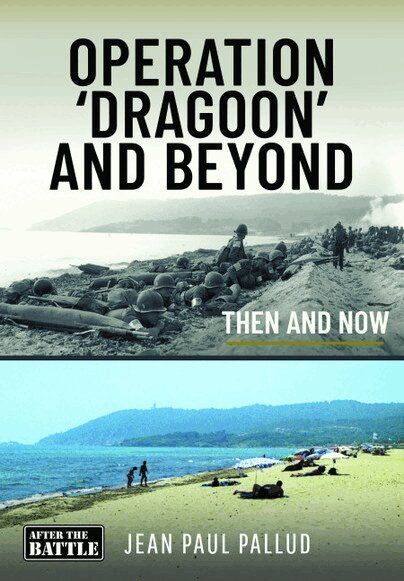
From the Riviera, to the Rhine and on to the Colmar pocket, all three operations are covered in this volume by Jean Paul Pallud, and each show the action and locations in our unique then and now style.The project of a landing operation in southern France was debated between American and British Allies from mid-1943, the Americans favouring the idea, the British expressing doubts on the value of such an operation. The Russians intervened in November when, at the Eureka conference at Teheran Joseph Stalin, the leader of the Soviet state, declared he was much interested in an operation in southern France. President Franklin D. Roosevelt and Prime Minister Winston Churchill agreed to launch Operation Anvil in southern France at the same time as Operation 'Overlord', the Normandy landings.Convinced that the Allied forces in the Mediterranean would better be used in the Italian campaign, Churchill appealed directly to Roosevelt in June to cancel 'Anvil' but Roosevelt answered that he was definitely for 'Anvil'. On July 2, the Combined Chiefs-of-Staff directed General Sir Henry Maitland Wilson, the C-in-C Mediterranean Theatre, to launch Operation 'Dragoon', a three-division assault against the coast of southern France by August 14.Under the shield of a large naval task force the US VI Corps and French forces landed on the beaches of the Riviera on August 15. Opposition from scattered German forces was weak. As the swiftly defeated German forces withdrew to the north through the Rh ne valley, pressed by the leaders of VI Corps, the French captured the ports of Marseille and Toulon, soon bringing them into operation. Troops from Operation 'Dragoon' met with the Allied units from Operation 'Overlord' on September 15. At the same time Headquarters of the US 6th Army Group, under Lieutenant General Jacob L. Devers, became operational taking command of the US Seventh Army and the French 1 re Arm e.The swift campaign soon came to a stop at the Vosges mountains, where Armeegruppe G was able to establish a stable defence line.The leaders of the 6th Army Group reached the Rhine in mid-November but there would be no crossing. Eisenhower ordered Devers to use whatever force necessary to clear the area between the Vosges and the Rhine and to turn the Seventh Army north as quickly as possible, attacking west and east of the Low Vosges.In spite of its uncertain antecedents, the well-planned Operation 'Dragoon' and the forces involved along with German unpreparedness and disarray contributed to a surprisingly rapid success that liberated most of southern France in just four weeks.
465 kr
Skickas
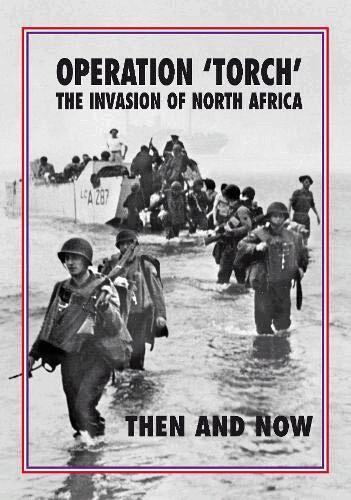
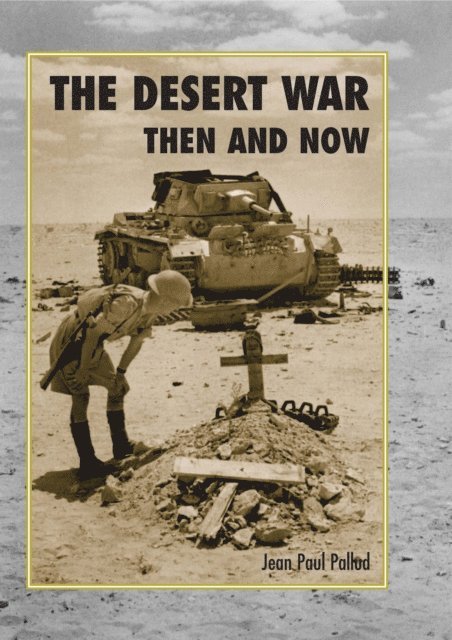
In 2012 Jean Paul Pallud wrote the After the Battle account of the Desert War; now he completes the story with detailed coverage of the landings of Operation `Torch’ in North-West Africa in November 1942.When the western Allies decided to launch a second front in North Africa, they carefully considered the anti-British feeling left in France by the ill-advised attack by the Royal Navy on the French Fleet at Mers el Kébir in July 1940. Consequently, the operation was given an American rather than a British complexion, General Eisenhower was chosen to lead a mostly American force into battle and the major Royal Navy contribution was kept as inconspicuous as possible.At this point in the war, the Allies had almost no experience with amphibious operations and it was a risky undertaking to carry out such an immense operation covering multiple landings over 600 miles apart. Even more amazing was the fact that part of the invasion forces was to depart from the United States, 6,000 miles away.As the orders were not confirmed until a month before Operation `Torch’ was launched, there was very little time to organise such a logistically complex operation involving American and British forces, and even less time for the pro-Allied French to organise more than small measures of support. There were two landings in the Mediterranean, at three main points near Algiers and three near Oran, and three landings on the Atlantic coast of Morocco. There, the main landing came ashore at Fédala, 18 miles north-east of Casablanca, and the armour was brought ashore at Safi, 140 miles south-east. In spite of all the difficulties, the landings all went well and the operation quickly achieved all of its initial objectives.However, the Germans reacted swiftly and, with little Allied interference, they rushed in reinforcements to Tunisia by air and sea. The Allies were thus drawn into a six-month campaign in Tunisia, the First Army from Operation `Torch’ soon joining hands with the Eighth Army advancing from Libya to finally clear Axis presence along the southern shore of the Mediterranean.This operation marked the first time that American troops fought against German forces during the Second World War. They had a rough baptism of fire in southern Tunisia in February 1943, training, equipment and leadership failed in many instances to meet the requirements of the battlefield, but the US Army was quick to learn and revise army doctrines, particularly with respect to the use of armour. The successful campaign created thousands of seasoned soldiers of all ranks whose experience would prove decisive in subsequent campaigns. The next test was only two months away — the invasion of Sicily. In addition, Operation `Torch’ brought the French army back into the war. Most important of all, the Allies had seized the initiative in the West.