Jean R. Brink – författare
Visar alla böcker från författaren Jean R. Brink. Handla med fri frakt och snabb leverans.
8 produkter
Rivall Friendship, by Bridget Manningham
Av Jean R. Brink, Jean R. Brink
Häftad, 2021
204 kr
Lägg i varukorg
The manuscript for Rivall Friendship was first acquired by the Newberry Library in 1937. At the time of the acquisition, the author of this seventeenth-century romance was anonymous. Scholar Jean R. Brink now suggests, based on dating of the manuscript and her analysis of its feminist themes, that …
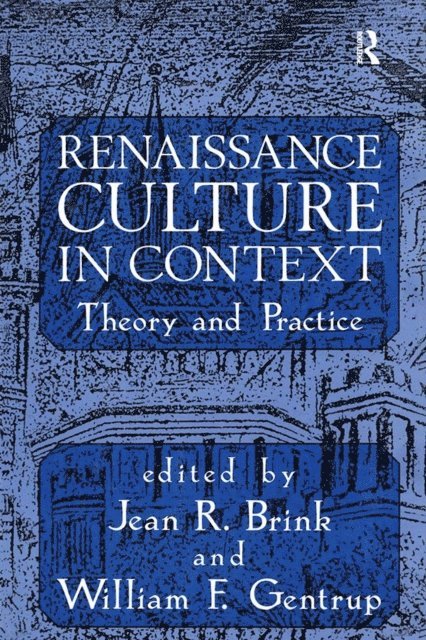
Renaissance Culture in Context
Theory and Practice
Av William F. Gentrup, Jean R. Brink
E-bok, 2017
935 kr
Lägg i varukorg
Scholarly traditions of the nineteenth and twentieth centuries have led us to assume that national traditions were defining in a way that they may not have been during the Renaissance, when Latin remained an international language. This collection interrogates the historical importance of national …
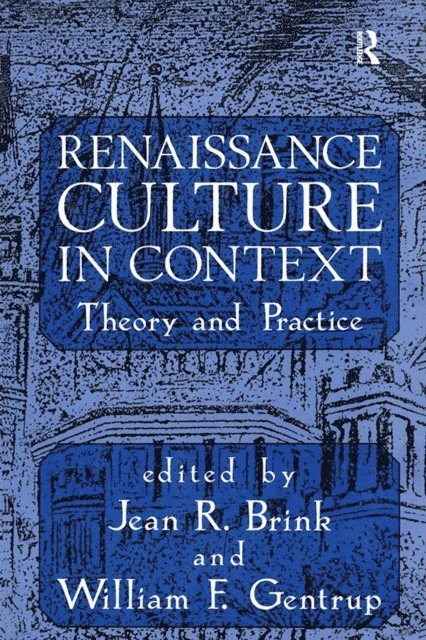
Renaissance Culture in Context
Theory and Practice
Av William F. Gentrup, Jean R. Brink
E-bok, 2017
956 kr
Lägg i varukorg
Scholarly traditions of the nineteenth and twentieth centuries have led us to assume that national traditions were defining in a way that they may not have been during the Renaissance, when Latin remained an international language. This collection interrogates the historical importance of national …
Early Spenser, 1554–80
'Minde on Honour Fixed'
Inbunden, 2019
1411 kr
Lägg i varukorg
Brink’s provocative biography shows that Spenser was not the would-be court poet whom Karl Marx’s described as ‘Elizabeth’s arse-kissing poet’. In this readable and informative account, Spenser is depicted as the protégé of a circle of London clergymen, who expected him to take holy orders. Brink …
Early Spenser, 1554–80
'Minde on Honour Fixed'
E-bok, 2019
345 kr
Lägg i varukorg
Brink’s provocative biography shows that Spenser was not the would-be court poet whom Karl Marx’s described as ‘Elizabeth’s arse-kissing poet’. In this readable and informative account, Spenser is depicted as the protégé of a circle of London clergymen, who expected him to take holy orders. Brink …
Early Spenser, 1554–80
'Minde on Honour Fixed'
E-bok, 2019
345 kr
Lägg i varukorg
Brink’s provocative biography shows that Spenser was not the would-be court poet whom Karl Marx’s described as ‘Elizabeth’s arse-kissing poet’. In this readable and informative account, Spenser is depicted as the protégé of a circle of London clergymen, who expected him to take holy orders. Brink …
Early Spenser, 1554–80
'Minde on Honour Fixed'
Häftad, 2020
264 kr
Lägg i varukorg
Brink’s provocative biography shows that Spenser was not the would-be court poet whom Karl Marx’s described as ‘Elizabeth’s arse-kissing poet’. In this readable and informative account, Spenser is depicted as the protégé of a circle of London clergymen, who expected him to take holy orders. Brink …
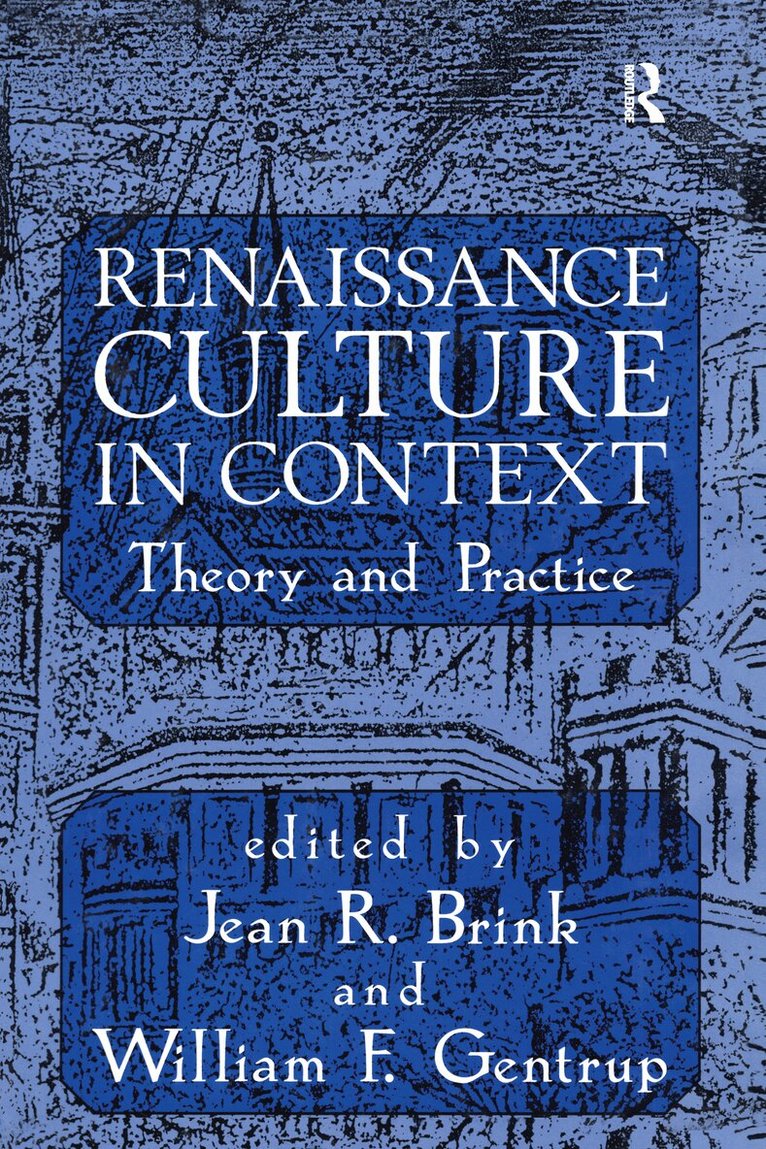
Renaissance Culture in Context
Theory and Practice
Av Jean R. Brink, William F. Gentrup
Inbunden, 1993
1413 kr
Tillfälligt slut
Scholarly traditions of the nineteenth and twentieth centuries have led us to assume that national traditions were defining in a way that they may not have been during the Renaissance, when Latin remained an international language. This collection interrogates the historical importance of national …