Jeannette Sloniowski - Böcker
Visar alla böcker från författaren Jeannette Sloniowski. Handla med fri frakt och snabb leverans.
5 produkter
5 produkter
728 kr
Skickas inom 7-10 vardagar
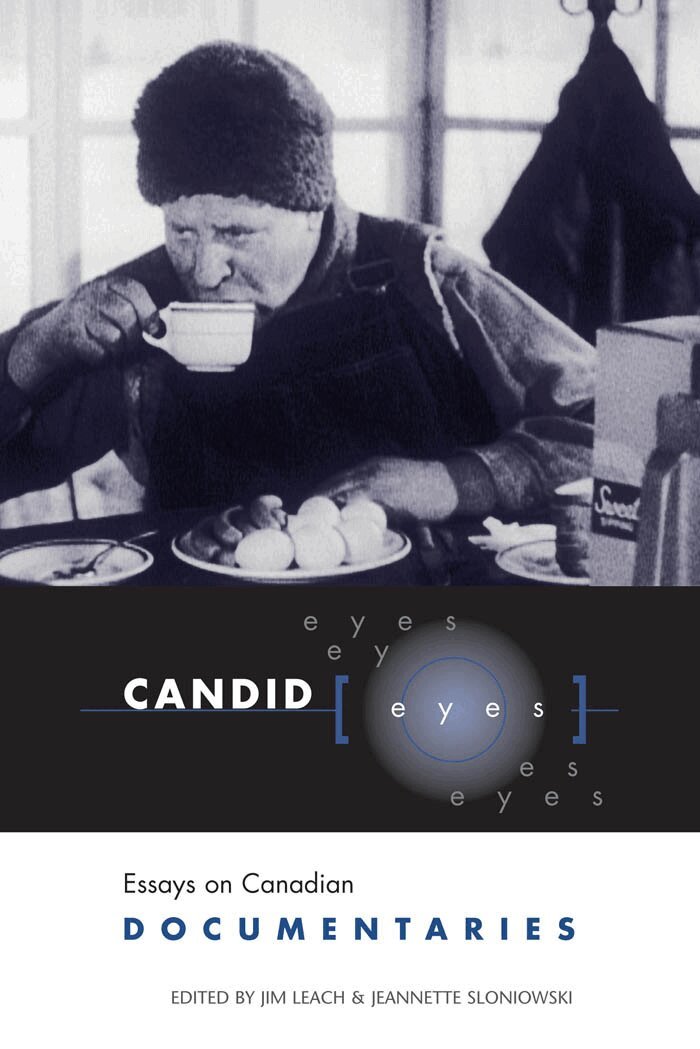
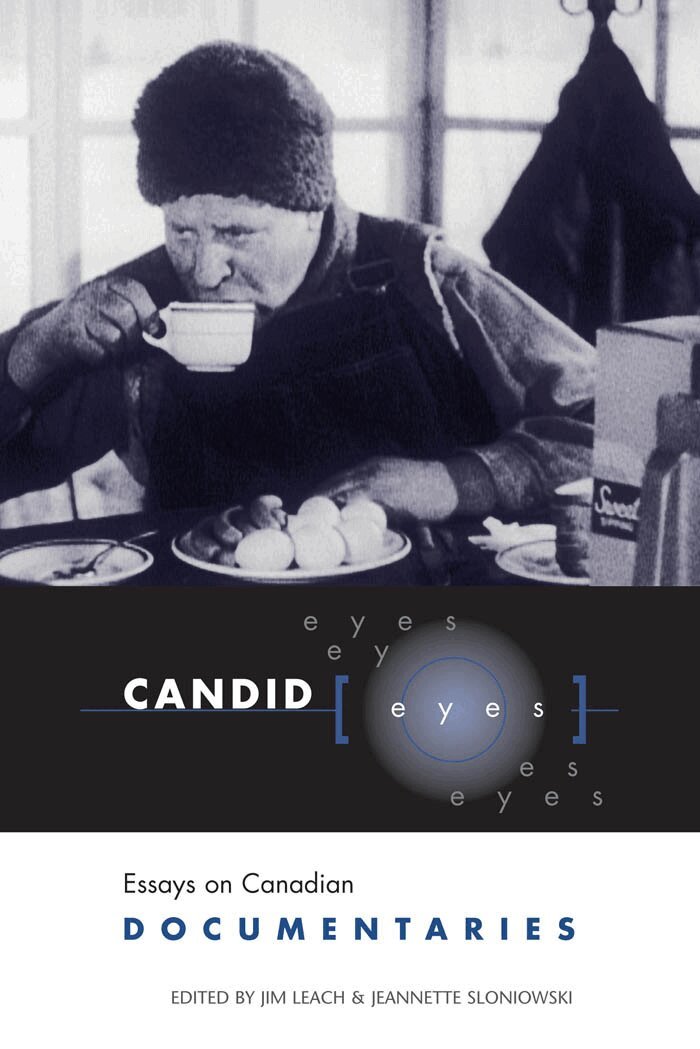
Beginning in 1922, when Robert Flaherty filmed 'Nanook of the North' in Canada's Arctic, and encouraged by John Grierson and the federal government in 1939 when they created the National Film Board of Canada (NFB), documentaries have dominated Canada's film production and, more than any other form, have been crucial to the formation of Canada's cinematic identity.Surprisingly, there has been very little critical writing on this distinguished body of work. Candid Eyes: Essays on Canadian Documentaries not only addresses this oversight in the scholarly literature, but in doing so, it presents an exceptional collection of essays by some of Canada's best known film scholars. Focusing on works produced in French and English under the NFB umbrella, the fourteen essays discuss and critique such landmark documentaries as 'Lonely Boy' (1962), 'Pour la suite du monde' (1963), and 'Kanehsatake' (1993). Long awaited and much needed, this volume will be an indispensable companion for anyone seriously interested in Canadian film studies.
429 kr
Skickas inom 7-10 vardagar
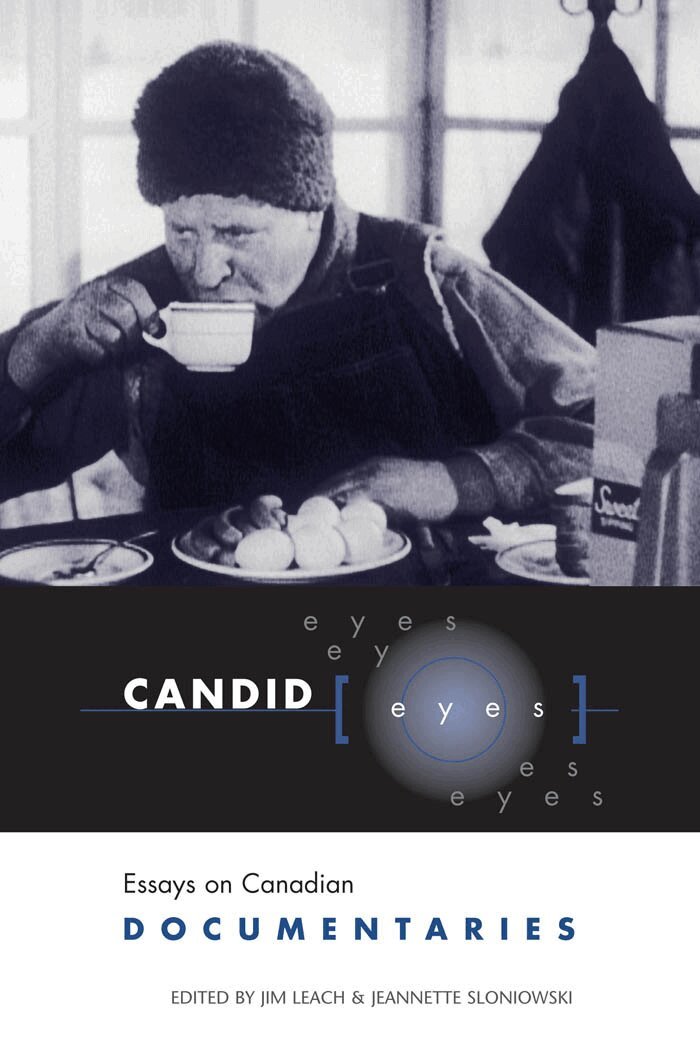
Beginning in 1922, when Robert Flaherty filmed 'Nanook of the North' in Canada's Arctic, and encouraged by John Grierson and the federal government in 1939 when they created the National Film Board of Canada (NFB), documentaries have dominated Canada's film production and, more than any other form, have been crucial to the formation of Canada's cinematic identity.Surprisingly, there has been very little critical writing on this distinguished body of work. Candid Eyes: Essays on Canadian Documentaries not only addresses this oversight in the scholarly literature, but in doing so, it presents an exceptional collection of essays by some of Canada's best known film scholars. Focusing on works produced in French and English under the NFB umbrella, the fourteen essays discuss and critique such landmark documentaries as 'Lonely Boy' (1962), 'Pour la suite du monde' (1963), and 'Kanehsatake' (1993). Long awaited and much needed, this volume will be an indispensable companion for anyone seriously interested in Canadian film studies.
406 kr
Skickas inom 10-15 vardagar
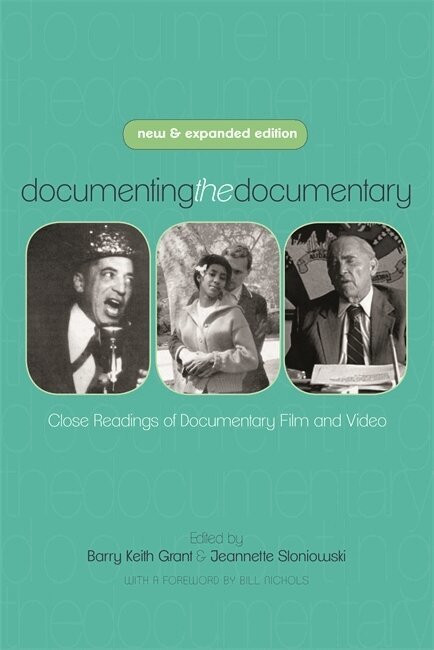
Originally released in 1998, Documenting the Documentary responded to a scholarly landscape in which documentary film was largely understudied and undervalued aesthetically, and analysed instead through issues of ethics, politics, and film technology. Editors Barry Keith Grant and Jeannette Sloniowski addressed this gap by presenting a useful survey of the artistic and persuasive aspects of documentary film from a range of critical viewpoints. This new edition of Documenting the Documentary adds five new essays on more recent films in addition to the text of the first edition. Thirty-one film and media scholars, many of them among the most important voices in the area of documentary film, cover the significant developments in the history of documentary filmmaking fromNanook of the North (1922), the first commercially released documentary feature, to contemporary independent film and video productions like Werner Herzog's Grizzly Man (2005) and the controversial Borat (2006). The works discussed also include representative examples of many important national and stylistic movements and various production contexts, from mainstream to avant-garde. In all, this volume offers a series of rich and revealing analyses of those ""regimes of truth"" that still fascinate filmgoers as much today as they did at the very beginnings of film history. As documentary film and visual media become increasingly important ways for audiences to process news and information, Documenting the Documentary continues to be a vital resource to understanding the genre. Students and teachers of film studies and fans of documentary film will appreciate this expanded classic volume. Contributors Include: Bart Testa, Carl Plantinga, Caryl Flinn, Catherine Russell, Charlie Keil, David T. Johnson, Diane Scheinman, Frank P. Tomasulo, Jeanne Hall, Jeffrey K. Ruoff, Jim Leach, Joan Nicks, Joanne Hershfield, John R. Cook, Julia Lesage, Leshu Torchin, Linda Williams, Lucy Fischer, Matthew Bernstein, Paula J. Massood, Robert Stam, Sandy Flitterman-Lewis, Seth Feldman, Sheila Petty, Thomas Waugh, Virginia Bonner, Vivian Sobchack, William Guynn, William Rothman.
588 kr
Skickas inom 11-20 vardagar
Sixteen essays, written by specialists from many fields, grapple with the problem of a popular culture that is not very popular - but is seen by most as vital to the body politic, whether endangered by globalization or capable of politically progressive messages for its audiences. Slippery Pastimes covers a variety of topics: Canadian popular music from rock 'n' roll to country, hip-hop to pop-Celtic; television; advertising; tourism; sport and even postage stamps! As co-editors, Nicks and Sloniowski have taken an open view of the Canadian Popular, and contributors have approached their topics from a variety of perspectives, including cultural studies, women's studies, film studies, sociology and communication studies. The essays are accessibly written for undergraduate students and interested general readers.
532 kr
Skickas inom 10-15 vardagar
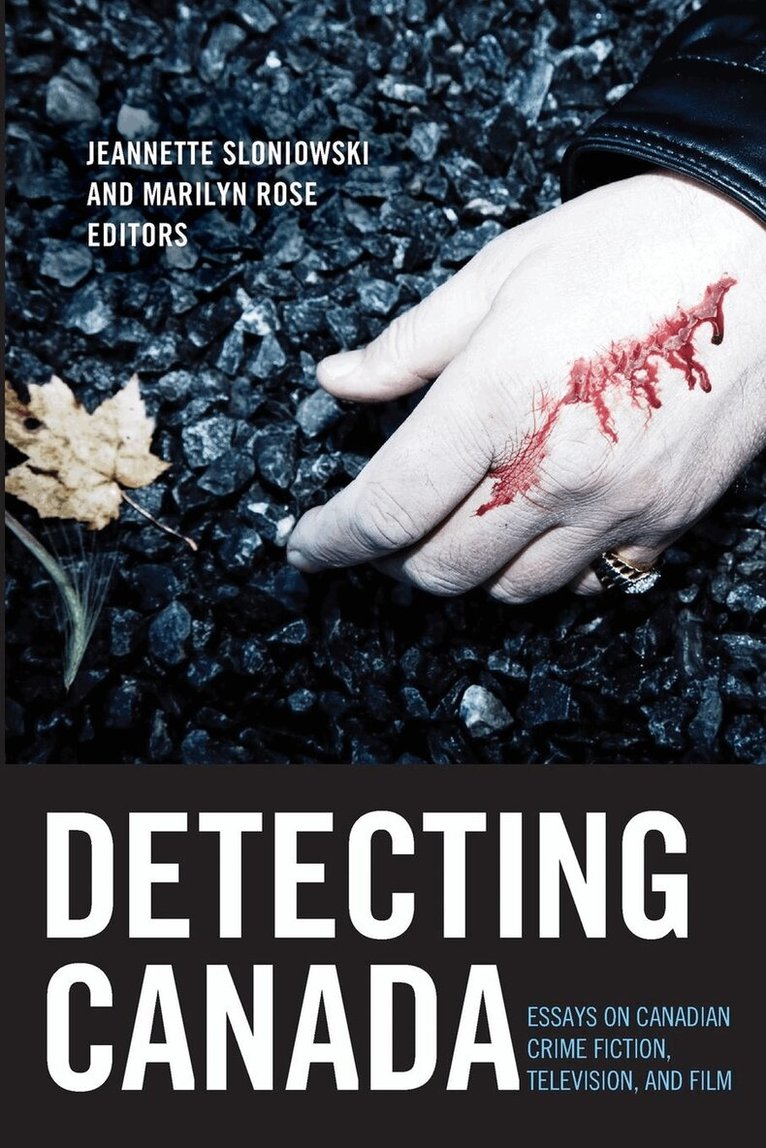
The first serious book-length study of crime writing in Canada, Detecting Canada contains thirteen essays on many of Canada's most popular crime writers, including Peter Robinson, Giles Blunt, Gail Bowen, Thomas King, Michael Slade, Margaret Atwood, and Anthony Bidulka. Genres examined range from the well-loved police procedural and the amateur sleuth to those less well known, such as anti-detection and contemporary noir novels. The book looks critically at the esteemed sixties' television show Wojeck, as well as the more recent series Da Vinci's Inquest, Da Vinci's City Hall, and Intelligence, and the controversial Durham County, a critically acclaimed but violent television series that ran successfully in both Canada and the United States.The essays in Detecting Canada look at texts from a variety of perspectives, including postcolonial studies, gender and queer studies, feminist studies, Indigenous studies, and critical race and class studies. Crime fiction, enjoyed by so many around the world, speaks to all of us about justice, citizenship, and important social issues in an uncertain world.