
Jeffrey K. Wilson – författare
Visar alla böcker från författaren Jeffrey K. Wilson. Handla med fri frakt och snabb leverans.
2 produkter
2 produkter
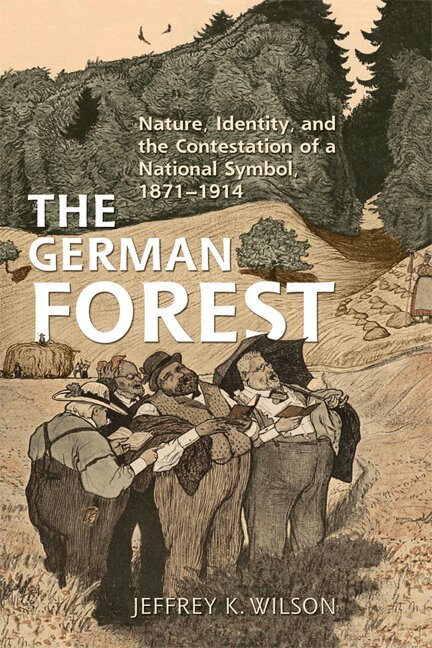
German Forest
Nature, Identity, and the Contestation of a National Symbol, 1871-1914
Inbunden, Engelska, 2012
867 kr
Skickas inom 5-8 vardagar
From the late eighteenth century, Germans increasingly identified the fate of their nation with that of their woodlands. A variety of groups soon mobilized the 'German forest' as a national symbol, though often in ways that suited their own social, economic, and political interests. The German Forest is the first book-length history of the development and contestation of the concept of 'German' woodlands.Jeffrey K. Wilson challenges the dominant interpretation that German connections to nature were based in agrarian romanticism rather than efforts at modernization. He explores a variety of conflicts over the symbol — from demands on landowners for public access to woodlands, to state attempts to integrate ethnic Slavs into German culture through forestry, and radical nationalist visions of woodlands as a model for the German 'race'. Through impressive primary and archival research, Wilson demonstrates that in addition to uniting Germans, the forest as a national symbol could also serve as a vehicle for protest and strife.
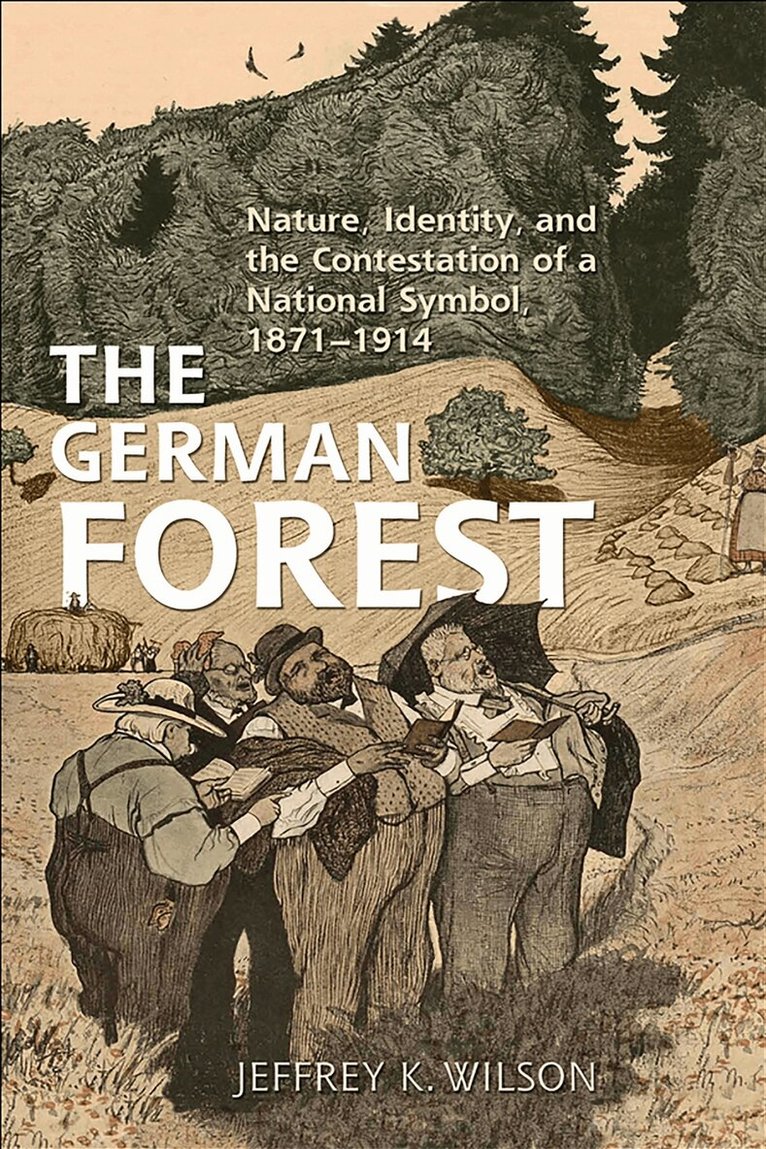
German Forest
Nature, Identity, and the Contestation of a National Symbol, 1871-1914
Häftad, Engelska, 2016
403 kr
Skickas inom 5-8 vardagar
From the late eighteenth century, Germans increasingly identified the fate of their nation with that of their woodlands. A variety of groups soon mobilized the 'German forest' as a national symbol, though often in ways that suited their own social, economic, and political interests. The German Forest is the first book-length history of the development and contestation of the concept of 'German' woodlands.Jeffrey K. Wilson challenges the dominant interpretation that German connections to nature were based in agrarian romanticism rather than efforts at modernization. He explores a variety of conflicts over the symbol — from demands on landowners for public access to woodlands, to state attempts to integrate ethnic Slavs into German culture through forestry, and radical nationalist visions of woodlands as a model for the German 'race'. Through impressive primary and archival research, Wilson demonstrates that in addition to uniting Germans, the forest as a national symbol could also serve as a vehicle for protest and strife.