Jenna Kammer - Böcker
Visar alla böcker från författaren Jenna Kammer. Handla med fri frakt och snabb leverans.
3 produkter
3 produkter
2 029 kr
Skickas inom 10-15 vardagar
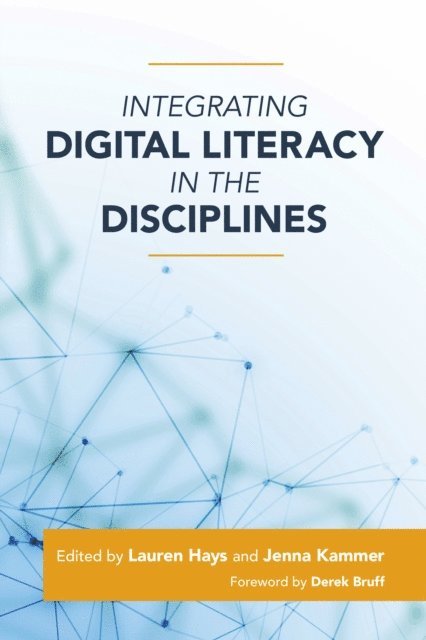
Digital literacy has become the vital competency that students need to master before graduating. This book provides rich examples of how to integrate it in disciplinary courses.While many institutions are developing introductory courses to impart universal literacy (skills students need to know) and creative literacy (skills for creating new content), discipline-specific skills (skills needed to succeed within a specific discipline) are a vital extension to their learning and ability to apply digital literacy in different contexts. This book provides examples of how to integrate digital literacy across a wide variety of courses spanning many domains.Rather than a wholly new core institutional outcome, digital literacy adds to the development of critical thinking, communication, problem-solving, and teamwork skills by building students’ capacities to assess online information so they can ethically share, communicate, or repurpose it through the appropriate use of available digital technologies. In short, it provides the vital digital dimension to their learning and the literacy skills which will be in increasing demand in their future lives.Following introductory chapters providing context and a theoretical framework, the contributing authors from different disciplines share the digital competencies and skills needed within their fields, the strategies they use to teach them, and insights about the choices they made. What shines through the examples is that, regardless of the specificity of the disciplinary examples, they offer all readers a commonality of approach and a trove of ideas that can be adapted to other contexts.This book constitutes a practical introduction for faculty interested in including opportunities to apply digital literacy to discipline-specific content. The book will benefit faculty developers and instructional designers who work with disciplinary faculty to integrate digital literacy. The book underscores the importance of preparing students at the course level to create, and be assessed on, digital content as fields are modernizing and delivery formats of assignments are evolving.Domains covered include digital literacy in teacher education, writing, musicology, indigenous literary studies, communications, journalism, business information technology, strategic management, chemistry, biology, health sciences, optometry, school librarianship, and law.The book demonstrates a range of approaches that can used to teach digital literacy skills in the classroom, including:·Progressing from digital literacy to digital fluency ·Increasing digital literacy by creating digital content · Assessment of digital literacy ·Identifying ethical considerations with digital literacy ·Sharing digital content outside of the classroom ·Identifying misinformation in digital communications ·Digitizing instructional practices, like lab notes and essays ·Reframing digital literacy from assumption to opportunity ·Preparing students to teach digital literacy to others ·Collaborating with other departments on campus to support digital literacy instruction ·Incorporating media into digital literacy (digital media literacy) ·Using digital storytelling and infographics to teach content knowledge] ·Weaving digital literacy throughout the curriculum of a program, and with increasing depth
468 kr
Skickas inom 10-15 vardagar
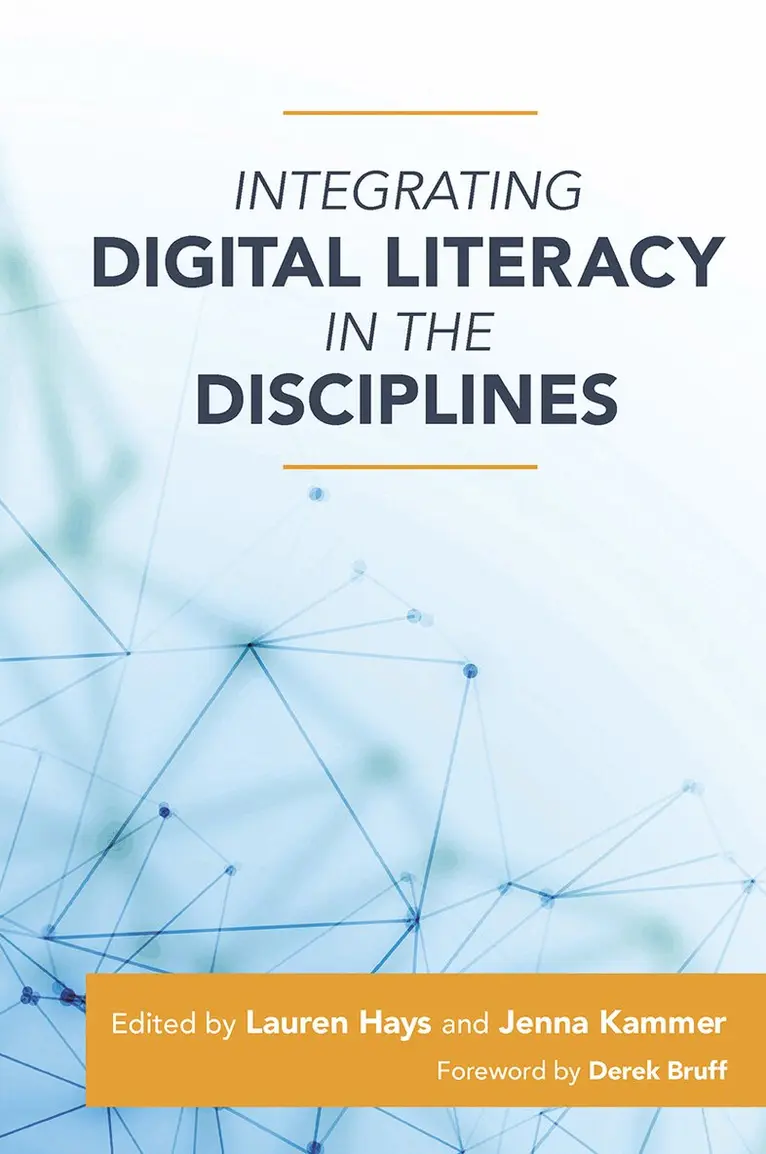
Digital literacy has become the vital competency that students need to master before graduating. This book provides rich examples of how to integrate it in disciplinary courses.While many institutions are developing introductory courses to impart universal literacy (skills students need to know) and creative literacy (skills for creating new content), discipline-specific skills (skills needed to succeed within a specific discipline) are a vital extension to their learning and ability to apply digital literacy in different contexts. This book provides examples of how to integrate digital literacy across a wide variety of courses spanning many domains.Rather than a wholly new core institutional outcome, digital literacy adds to the development of critical thinking, communication, problem-solving, and teamwork skills by building students’ capacities to assess online information so they can ethically share, communicate, or repurpose it through the appropriate use of available digital technologies. In short, it provides the vital digital dimension to their learning and the literacy skills which will be in increasing demand in their future lives.Following introductory chapters providing context and a theoretical framework, the contributing authors from different disciplines share the digital competencies and skills needed within their fields, the strategies they use to teach them, and insights about the choices they made. What shines through the examples is that, regardless of the specificity of the disciplinary examples, they offer all readers a commonality of approach and a trove of ideas that can be adapted to other contexts.This book constitutes a practical introduction for faculty interested in including opportunities to apply digital literacy to discipline-specific content. The book will benefit faculty developers and instructional designers who work with disciplinary faculty to integrate digital literacy. The book underscores the importance of preparing students at the course level to create, and be assessed on, digital content as fields are modernizing and delivery formats of assignments are evolving.Domains covered include digital literacy in teacher education, writing, musicology, indigenous literary studies, communications, journalism, business information technology, strategic management, chemistry, biology, health sciences, optometry, school librarianship, and law.The book demonstrates a range of approaches that can used to teach digital literacy skills in the classroom, including:·Progressing from digital literacy to digital fluency ·Increasing digital literacy by creating digital content · Assessment of digital literacy ·Identifying ethical considerations with digital literacy ·Sharing digital content outside of the classroom ·Identifying misinformation in digital communications ·Digitizing instructional practices, like lab notes and essays ·Reframing digital literacy from assumption to opportunity ·Preparing students to teach digital literacy to others ·Collaborating with other departments on campus to support digital literacy instruction ·Incorporating media into digital literacy (digital media literacy) ·Using digital storytelling and infographics to teach content knowledge] ·Weaving digital literacy throughout the curriculum of a program, and with increasing depth
525 kr
Skickas inom 7-10 vardagar
Today's libraries are thoroughly digital environments, not only storing and preserving written information electronically, but also emphasizing digital access to information as a pathway to equitably educating the community on issues of health, employment, education, and local history. And fostering patrons' ability to effectively use digital tools for information and personal enrichment is a natural fit for public libraries, complimenting other initiatives like information literacy and media literacy. This book provides a holistic view of digital literacy support across the full spectrum of the public library, using real-world examples to help public libraries transform the work of digital literacy from answering on-the-fly tech questions to implementing full scale digital literacy programs which are integrated throughout the library. Public library workers, library board members, and those who want to understand more about the digital literacy imperative within public libraries will delve into the concept of digital literacy, the ways in which it empowers individuals in digital systems of information, and how it fits in with other kinds of literacy; find ideas for effective digital literacy technical support, programming, services, spaces, collection development, outreach, and more; learn how to measure the impact of digital literacy initiatives, identify gaps within the community where the library can make an impact, and overcome challenges; discover guidance on building partnerships, both internal and external, and finding additional sources of funding to expand digital literacy opportunities within the scope of what is already available; receive practical advice from the "Ask the Expert" sidebars throughout the book, where practitioners share their knowledge and experience; and get adaptable tools such as sample language, an expenditure budget, an individual needs assessment, a digital literacy readiness checklist, survey instruments, and a lesson plan template that can be used for digital literacy programming.