Jennifer Ann Ho - Böcker
Visar alla böcker från författaren Jennifer Ann Ho. Handla med fri frakt och snabb leverans.
3 produkter
3 produkter
525 kr
Skickas inom 5-8 vardagar
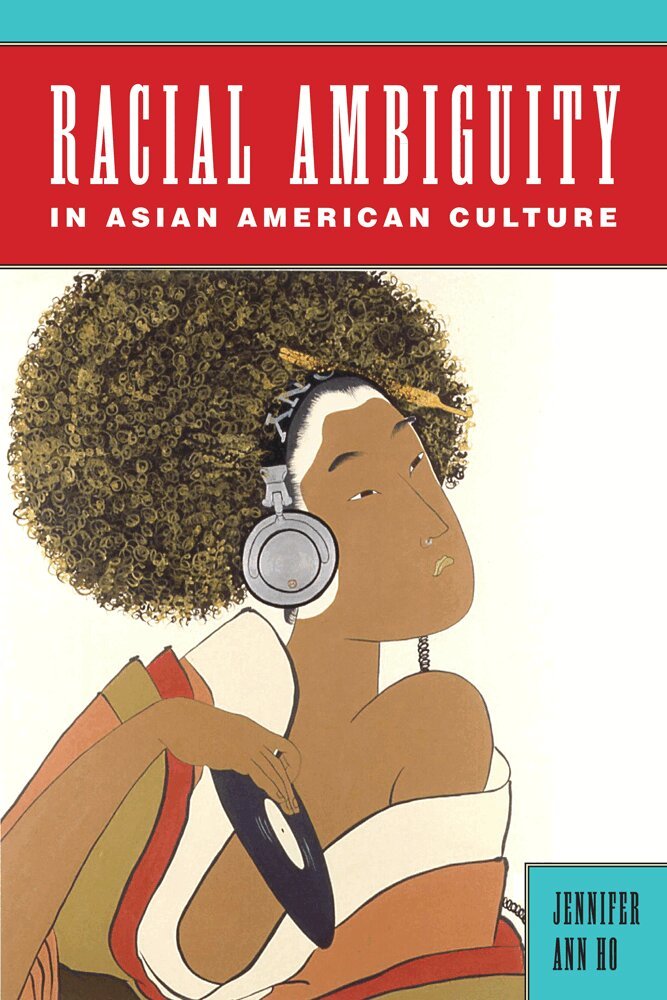
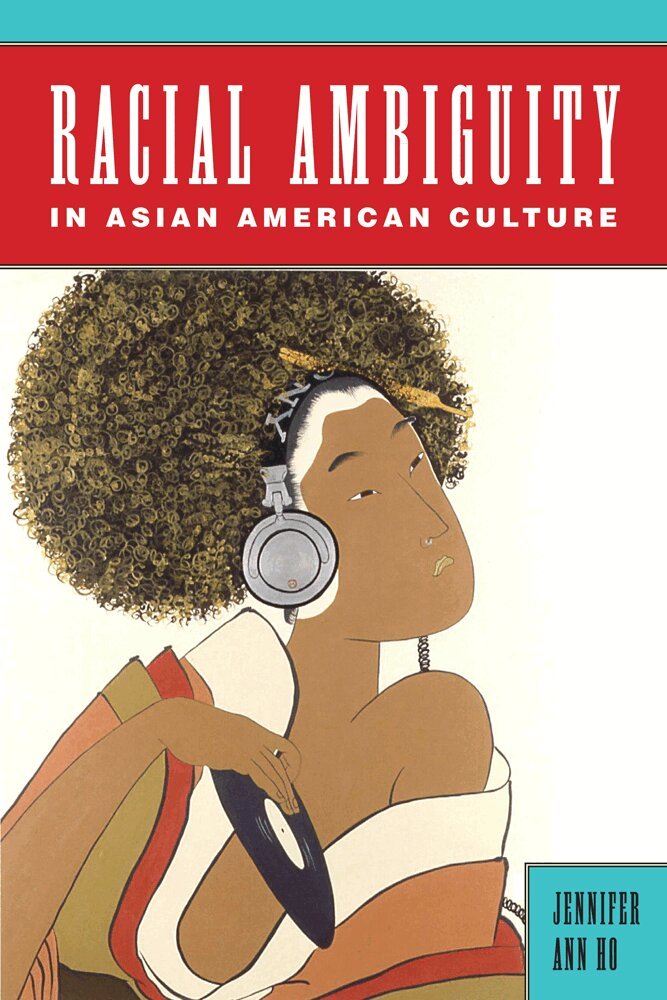
The sheer diversity of the Asian American populace makes them an ambiguous racial category. Indeed, the 2010 U.S. Census lists twenty-four Asian-ethnic groups, lumping together under one heading people with dramatically different historical backgrounds and cultures. In Racial Ambiguity in Asian American Culture, Jennifer Ann Ho shines a light on the hybrid and indeterminate aspects of race, revealing ambiguity to be paramount to a more nuanced understanding both of race and of what it means to be Asian American. Exploring a variety of subjects and cultural artifacts, Ho reveals how Asian American subjects evince a deep racial ambiguity that unmoors the concept of race from any fixed or finite understanding. For example, the book examines the racial ambiguity of Japanese American nisei Yoshiko Nakamura deLeon, who during World War II underwent an abrupt transition from being an enemy alien to an assimilating American, via the Mixed Marriage Policy of 1942. It looks at the blogs of Korean, Taiwanese, and Vietnamese Americans who were adopted as children by white American families and have conflicted feelings about their “honorary white” status. And it discusses Tiger Woods, the most famous mixed-race Asian American, whose description of himself as “Cablinasian”-reflecting his background as Black, Asian, Caucasian, and Native American-perfectly captures the ambiguity of racial classifications. Race is an abstraction that we treat as concrete, a construct that reflects only our desires, fears, and anxieties. Jennifer Ho demonstrates in Racial Ambiguity in Asian American Culture that seeing race as ambiguous puts us one step closer to a potential antidote to racism.
1 599 kr
Skickas inom 5-8 vardagar
The sheer diversity of the Asian American populace makes them an ambiguous racial category. Indeed, the 2010 U.S. Census lists twenty-four Asian-ethnic groups, lumping together under one heading people with dramatically different historical backgrounds and cultures. In Racial Ambiguity in Asian American Culture, Jennifer Ann Ho shines a light on the hybrid and indeterminate aspects of race, revealing ambiguity to be paramount to a more nuanced understanding both of race and of what it means to be Asian American. Exploring a variety of subjects and cultural artifacts, Ho reveals how Asian American subjects evince a deep racial ambiguity that unmoors the concept of race from any fixed or finite understanding. For example, the book examines the racial ambiguity of Japanese American nisei Yoshiko Nakamura deLeon, who during World War II underwent an abrupt transition from being an enemy alien to an assimilating American, via the Mixed Marriage Policy of 1942. It looks at the blogs of Korean, Taiwanese, and Vietnamese Americans who were adopted as children by white American families and have conflicted feelings about their “honorary white” status. And it discusses Tiger Woods, the most famous mixed-race Asian American, whose description of himself as “Cablinasian”-reflecting his background as Black, Asian, Caucasian, and Native American-perfectly captures the ambiguity of racial classifications. Race is an abstraction that we treat as concrete, a construct that reflects only our desires, fears, and anxieties. Jennifer Ho demonstrates in Racial Ambiguity in Asian American Culture that seeing race as ambiguous puts us one step closer to a potential antidote to racism.
264 kr
Skickas inom 7-10 vardagar
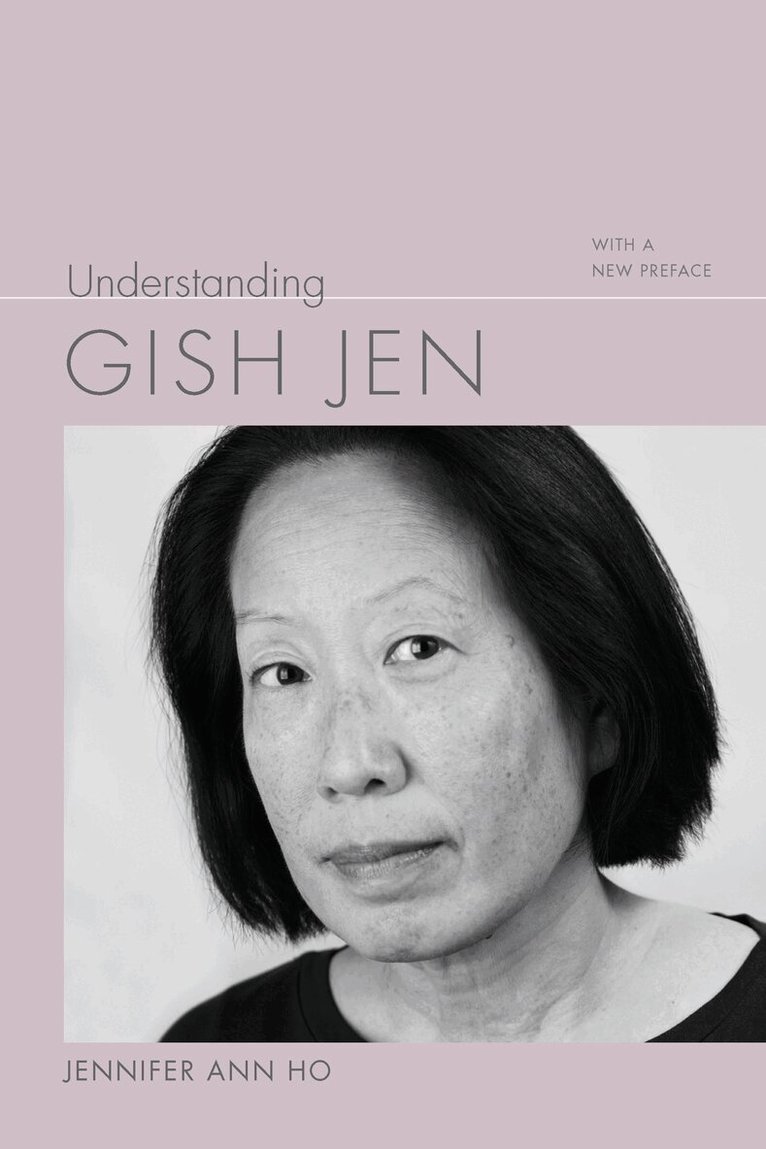
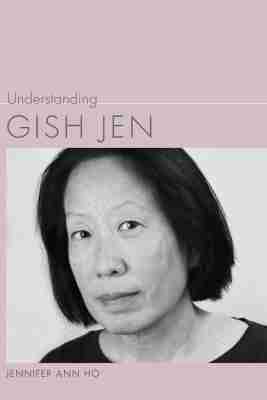
Traces the evolution of Jen's career, her themes, and the development of her narrative voice.Jennifer Ann Ho introduces readers to a "typical American" writer, Gish Jen, the author of four novels, Typical American, Mona in the Promised Land, The Love Wife, and World and Town; a collection of short stories, Who's Irish?; and a collection of lectures, Tiger Writing: Art, Culture, and the Interdependent Self. Jen writes with an engaging, sardonic, and imaginative voice illuminating themes common to the American experience: immigration, assimilation, individualism, the freedom to choose one's path in life, and the complicated relationships that we have with our families and our communities. A second-generation Chinese American, Jen is widely recognized as an important American literary voice, at once accessible, philosophical, and thought-provoking. In addition to her novels, she has published widely in periodicals such as the New Yorker, Atlantic Monthly, and Yale Review.Ho traces the evolution of Jen's career, her themes, and the development of her narrative voice. In the process she shows why Jen's observations about life in the United States, though revealed through the perspectives of her Asian American and Asian immigrant characters, resonate with a variety of audiences who find themselves reflected in Jen's accounts of love, grief, desire, disappointment, and the general domestic experiences that shape all our lives.Following a brief biographical sketch, Ho examines each of Jen's major works, showing how she traces the transformation of immigrant dreams into mundane life, explores the limits of self-identification, and characterizes problems of cross-national communication alongside the universal problems of aging and generational conflict. Looking beyond Jen's fiction work, a final chapter examines her essays and her concerns and stature as a public intellectual, and detailed primary and secondary bibliographies provide a valuable point of departure for both teaching and future scholarship.