Jennifer Bajorek - Böcker
Visar alla böcker från författaren Jennifer Bajorek. Handla med fri frakt och snabb leverans.
4 produkter
4 produkter
553 kr
Skickas inom 7-10 vardagar
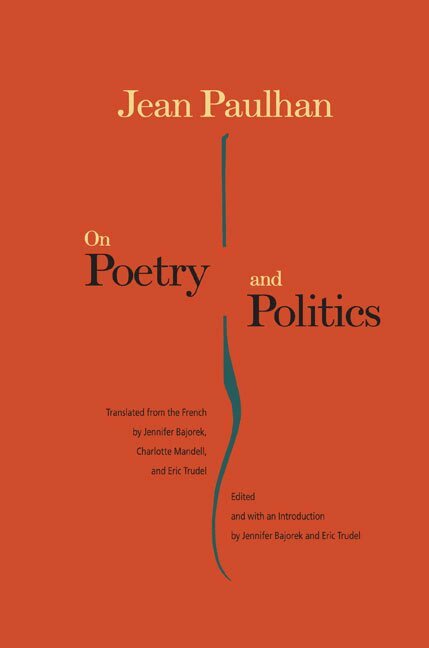
Jean Paulhan was a legendary editorial figure of twentieth-century French literature, assisting and publishing many of the most important writers of his lifetime. He was also the author of several volumes of fiction and numerous essays dealing with literature, art, rhetoric, and language. Yet he published his own work in a manner that deliberately kept it inconspicuous, or as Maurice Blanchot put it, "in the margins." A critics' critic, he gave his texts the same scrupulous attention he gave to others, and was recognized as a discreet master. But when he was sufficiently upset or angry, as he was when French politics endangered the intellectual freedom of French writers and writing, he published ferociously. This volume is the first English translation of these major essays, presenting in one book the development of his thinking on his most studied subject: how language works, or, to echo Blanchot again, how literature is possible. Much of contemporary literary theory finds its modern antecedents in Paulhan's essays. He reflected on large questions such as the philosophy and psychology of literature, while at the same time showing a concern for detail and aesthetic accomplishment. He constantly emphasized the act of reading as an activity and literature as the engagement and provocation of such activity. Beloved by writers because he took the problems of writing with the utmost seriousness, his own personal style was marked by self-effacement and irony.
867 kr
Skickas inom 10-15 vardagar
Counterfeit Capital is a comparative and interdisciplinary study exploring the unexpected yet essential relationship between irony and capital in the texts of Baudelaire and Marx. It argues for the renewed relevance of their work to contemporary thinking about the place of aesthetic and cultural experience in social and political life and articulates their poetic and philosophical innovations with their political statements in new and powerful ways. Through readings of Baudelaire's poetry and prose and Marx's Capital, this book illuminates their ongoing contribution to our understanding of themes and topics at the forefront of contemporary theoretical debate, including the effects of new technologies on the means of human action and transformation and the prospects for community and memory under capitalism. This book also revisits Walter Benjamin's interpretations of the philosopher and the poet. Rereading Baudelaire and Marx together with the unplumbed lessons of Benjamin's interpretations, it contributes to a growing body of interdisciplinary scholarship on the political dimensions and effects of language and to the current rethinking, in Marxist and post-Marxist theory, of conceptions of political time and agency.
2 154 kr
Skickas inom 7-10 vardagar
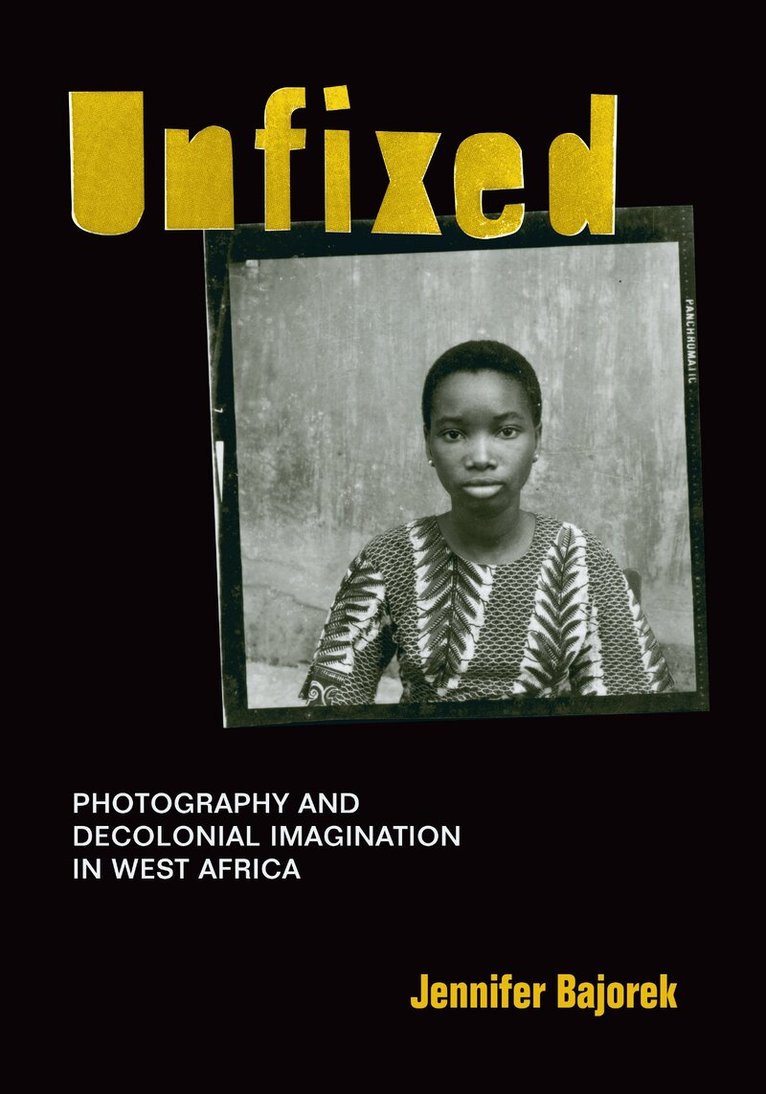
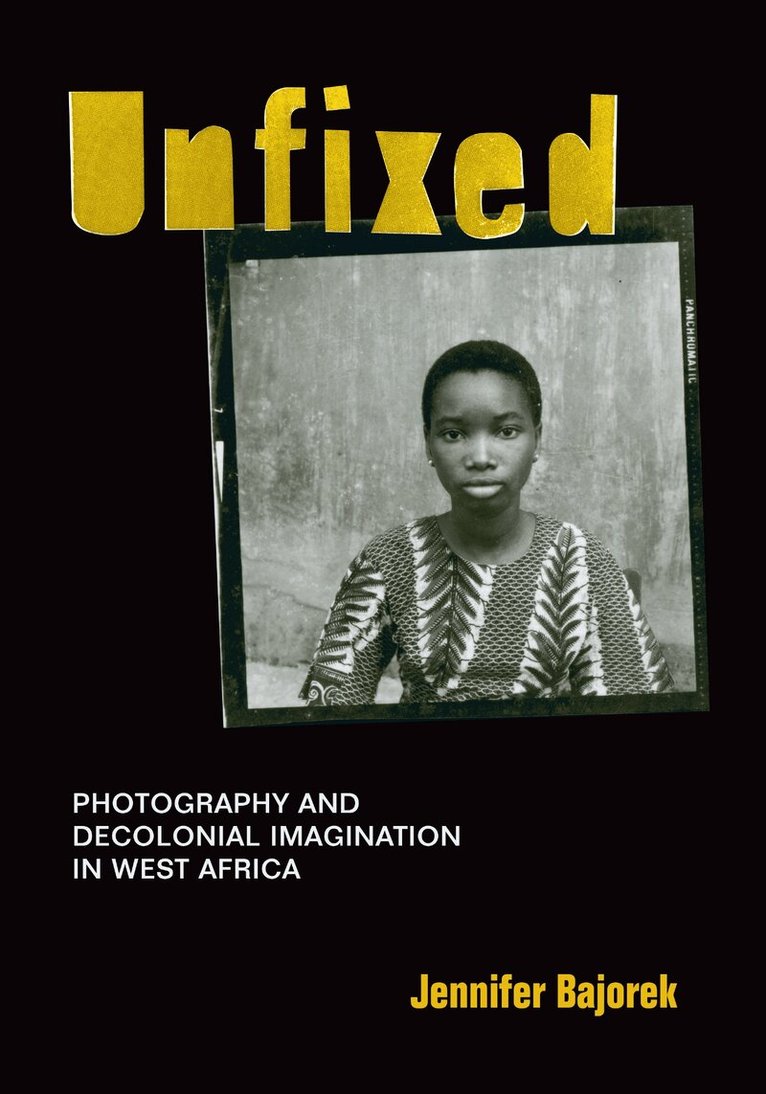
In Unfixed Jennifer Bajorek traces the relationship between photography and decolonial political imagination in Francophone west Africa in the years immediately leading up to and following independence from French colonial rule in 1960. Focusing on images created by photographers based in Senegal and Benin, Bajorek draws on formal analyses of images and ethnographic fieldwork with photographers to show how photography not only reflected but also actively contributed to social and political change. The proliferation of photographic imagery-through studio portraiture, bureaucratic ID cards, political reportage and photojournalism, magazines, and more-provided the means for west Africans to express their experiences, shape public and political discourse, and reimagine their world. In delineating how west Africans' embrace of photography was associated with and helped spur the democratization of political participation and the development of labor and liberation movements, Bajorek tells a new history of photography in west Africa-one that theorizes photography's capacity for doing decolonial work.
526 kr
Skickas
In Unfixed Jennifer Bajorek traces the relationship between photography and decolonial political imagination in Francophone west Africa in the years immediately leading up to and following independence from French colonial rule in 1960. Focusing on images created by photographers based in Senegal and Benin, Bajorek draws on formal analyses of images and ethnographic fieldwork with photographers to show how photography not only reflected but also actively contributed to social and political change. The proliferation of photographic imagery-through studio portraiture, bureaucratic ID cards, political reportage and photojournalism, magazines, and more-provided the means for west Africans to express their experiences, shape public and political discourse, and reimagine their world. In delineating how west Africans' embrace of photography was associated with and helped spur the democratization of political participation and the development of labor and liberation movements, Bajorek tells a new history of photography in west Africa-one that theorizes photography's capacity for doing decolonial work.