Jennifer Jahner – författare
Visar alla böcker från författaren Jennifer Jahner. Handla med fri frakt och snabb leverans.
9 produkter
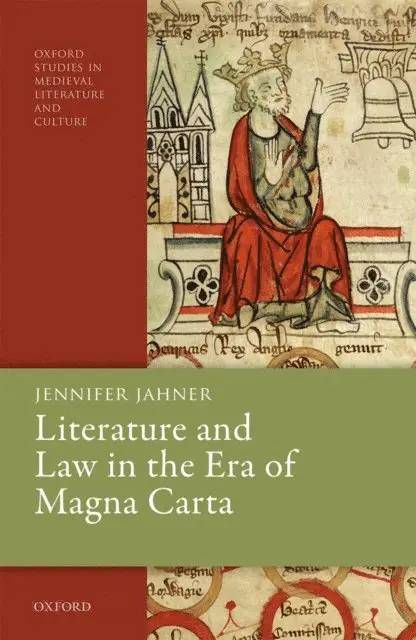
Literature and Law in the Era of Magna Carta
E-bok, 2019
485 kr
Lägg i varukorg
The monograph series Oxford Studies in Medieval Literature and Culture showcases the plurilingual and multicultural quality of medieval literature and actively seeks to promote research that not only focuses on the array of subjects medievalists now pursue in literature, theology, and philosophy, …
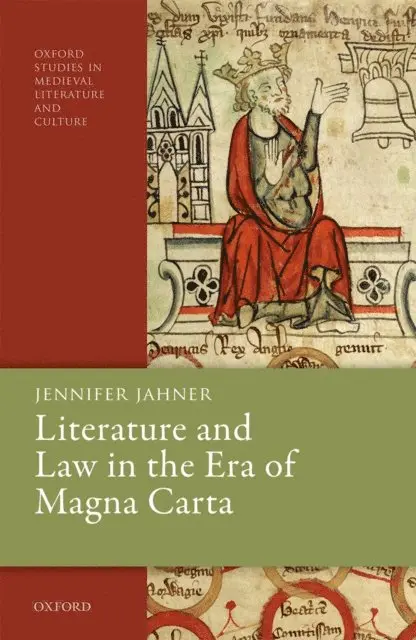
Literature and Law in the Era of Magna Carta
E-bok, 2019
485 kr
Lägg i varukorg
The monograph series Oxford Studies in Medieval Literature and Culture showcases the plurilingual and multicultural quality of medieval literature and actively seeks to promote research that not only focuses on the array of subjects medievalists now pursue in literature, theology, and philosophy, …
Literature and Law in the Era of Magna Carta
Inbunden, 2019
1648 kr
Lägg i varukorg
The monograph series Oxford Studies in Medieval Literature and Culture showcases the plurilingual and multicultural quality of medieval literature and actively seeks to promote research that not only focuses on the array of subjects medievalists now pursue in literature, theology, and philosophy, …
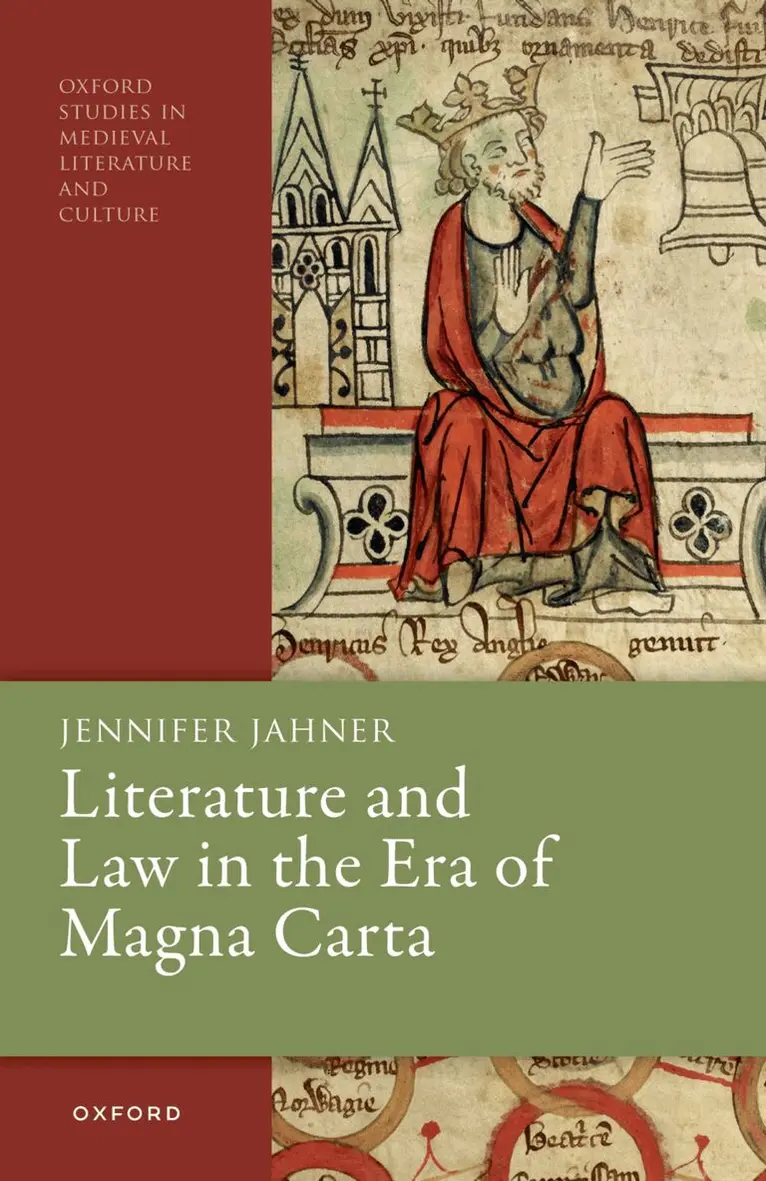
Literature and Law in the Era of Magna Carta
Häftad, 2024
549 kr
Lägg i varukorg
The monograph series Oxford Studies in Medieval Literature and Culture showcases the plurilingual and multicultural quality of medieval literature and actively seeks to promote research that not only focuses on the array of subjects medievalists now pursue in literature, theology, and philosophy, …
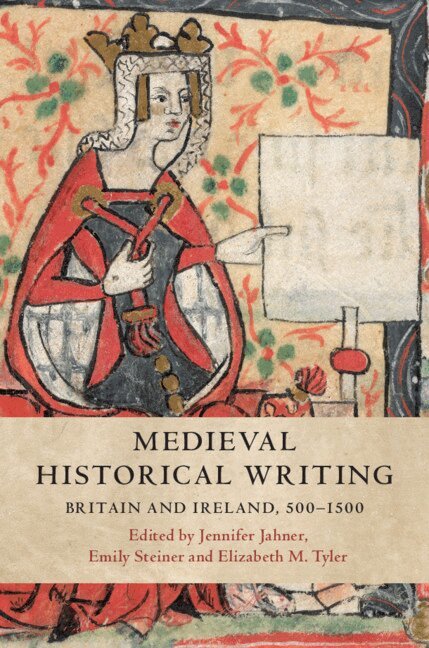
Medieval Historical Writing
Britain and Ireland, 500-1500
Av Jennifer Jahner, Emily Steiner m. fl.
Inbunden, 2019
2622 kr
Lägg i varukorg
History writing in the Middle Ages did not belong to any particular genre, language or class of texts. Its remit was wide, embracing the events of antiquity; the deeds of saints, rulers and abbots; archival practices; and contemporary reportage. This volume addresses the challenges presented by …
Medieval Historical Writing
Britain and Ireland, 500–1500
Av Elizabeth M. Tyler, Emily Steiner m. fl.
E-bok, 2019
2677 kr
Lägg i varukorg
History writing in the Middle Ages did not belong to any particular genre, language or class of texts. Its remit was wide, embracing the events of antiquity; the deeds of saints, rulers and abbots; archival practices; and contemporary reportage. This volume addresses the challenges presented by …
Medieval Historical Writing
Britain and Ireland, 500–1500
Av Elizabeth M. Tyler, Emily Steiner m. fl.
E-bok, 2019
2736 kr
Lägg i varukorg
History writing in the Middle Ages did not belong to any particular genre, language or class of texts. Its remit was wide, embracing the events of antiquity; the deeds of saints, rulers and abbots; archival practices; and contemporary reportage. This volume addresses the challenges presented by …
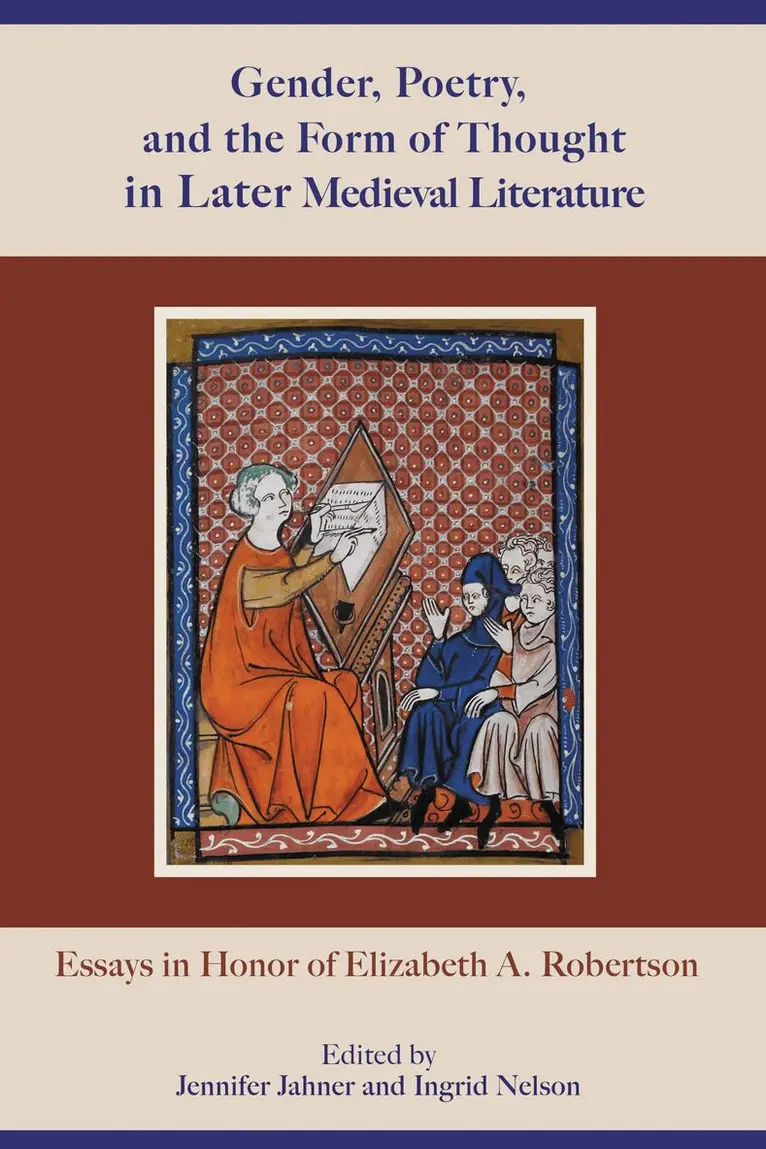
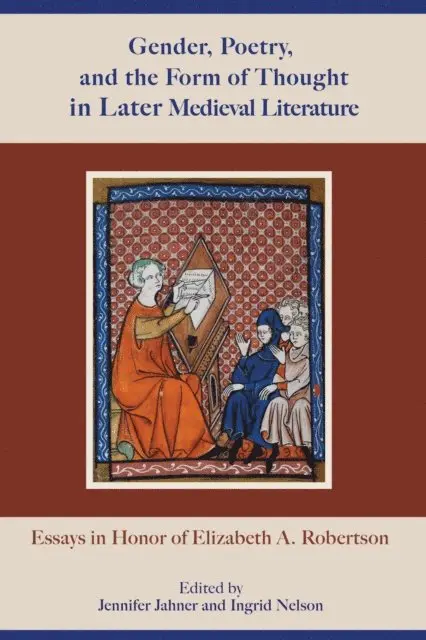
Gender, Poetry, and the Form of Thought in Later Medieval Literature
Essays in Honor of Elizabeth A. Robertson
Av Jennifer Jahner, Ingrid Nelson
Inbunden, 2022
1388 kr
Lägg i varukorg
Over the course of her career, Elizabeth Robertson has pursued innovative scholarship that investigates the overlapping domains of medieval philosophy, literature, and gender studies. This collection of essays, dedicated to her work, examines gender as a construct of language, a mode of embodiment, …
Gender, Poetry, and the Form of Thought in Later Medieval Literature
Essays in Honor of Elizabeth A. Robertson
Av Jennifer Jahner, Ingrid Nelson
E-bok, 2022
1524 kr
Lägg i varukorg
Over the course of her career, Elizabeth Robertson has pursued innovative scholarship that investigates the overlapping domains of medieval philosophy, literature, and gender studies. This collection of essays, dedicated to her work, examines gender as a construct of language, a mode of embodiment, …