Jennifer Knust - Böcker
Visar alla böcker från författaren Jennifer Knust. Handla med fri frakt och snabb leverans.
3 produkter
3 produkter
763 kr
Skickas inom 11-20 vardagar
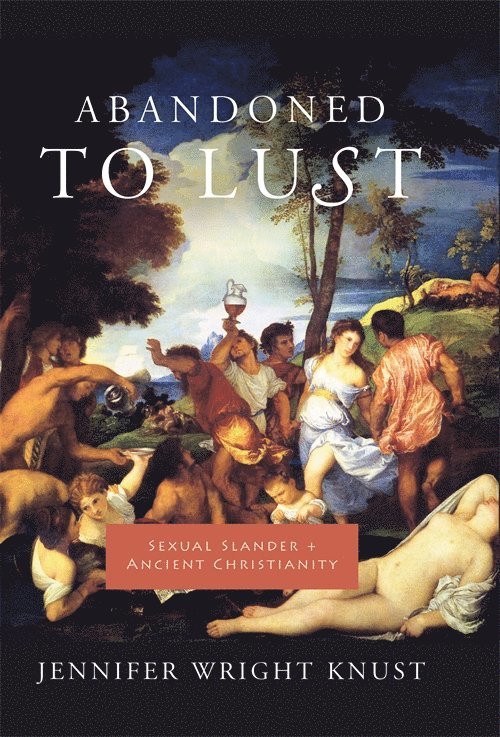
Early Christians used charges of adultery, incest, and lascivious behavior to demonize their opponents, police insiders, resist pagan rulers, and define what it meant to be a Christian. Christians frequently claimed that they, and they alone were sexually virtuous, comparing themselves to those marked as outsiders, especially non-believers and "heretics," who were said to be controlled by lust and unable to rein in their carnal desires. True or not, these charges allowed Christians to present themselves as different from and morally superior to those around them. Through careful, innovative readings, Jennifer Knust explores the writings of Paul, Justin Martyr, Irenaeus of Lyons, and other early Christian authors who argued that Christ alone made self-mastery possible. Rejection of Christ led to both immoral sexual behavior and, ultimately, alienation and punishment from God. Knust considers how Christian writers participated in a long tradition of rhetorical invective, a rhetoric that was often employed to defend status and difference.Christians borrowed, deployed, and reconfigured classical rhetorical techniques, turning them against their rulers to undercut their moral and political authority. Knust also examines the use of accusations of licentiousness in conflicts between rival groups of Christians. Portraying rival sects as depraved allowed accusers to claim their own group as representative of "true Christianity." Knust's book also reveals the ways in which sexual slurs and their use in early Christian writings reflected cultural and gendered assumptions about what constituted purity, morality, and truth. In doing so, Abandoned to Lust highlights the complex interrelationships between sex, gender, and sexuality within the classical, biblical, and early-Christian traditions.
440 kr
Skickas inom 7-10 vardagar
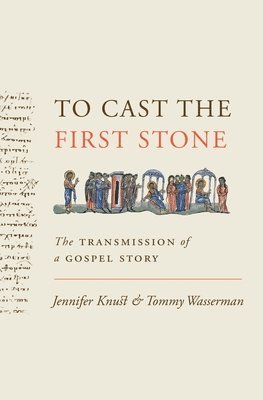
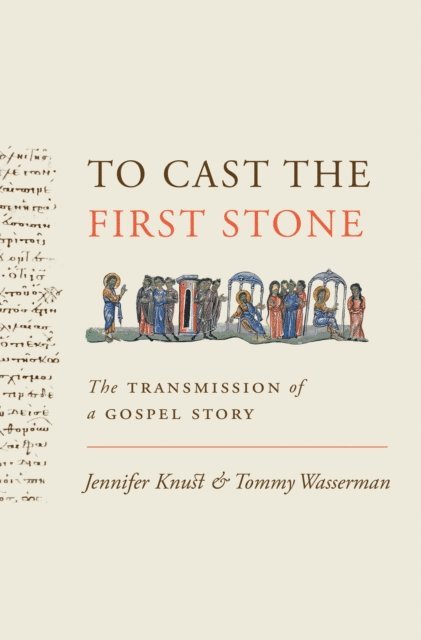
The story of the woman taken in adultery features a dramatic confrontation between Jesus and the Pharisees over whether the adulteress should be stoned as the law commands. In response, Jesus famously states, “Let him who is without sin be the first to throw a stone at her.” To Cast the First Stone traces the history of this provocative story from its first appearance to its enduring presence today.Likely added to the Gospel of John in the third century, the passage is often held up by modern critics as an example of textual corruption by early Christian scribes and editors, yet a judgment of corruption obscures the warm embrace the story actually received. Jennifer Knust and Tommy Wasserman trace the story’s incorporation into Gospel books, liturgical practices, storytelling, and art, overturning the mistaken perception that it was either peripheral or suppressed, even in the Greek East. The authors also explore the story’s many different meanings. Taken as an illustration of the expansiveness of Christ’s mercy, the purported superiority of Christians over Jews, the necessity of penance, and more, this vivid episode has invited any number of creative receptions. This history reveals as much about the changing priorities of audiences, scribes, editors, and scholars as it does about an “original” text of John.To Cast the First Stone calls attention to significant shifts in Christian book cultures and the enduring impact of oral tradition on the preservation—and destabilization—of scripture.
314 kr
Skickas inom 7-10 vardagar
The story of the woman taken in adultery features a dramatic confrontation between Jesus and the Pharisees over whether the adulteress should be stoned as the law commands. In response, Jesus famously states, “Let him who is without sin be the first to throw a stone at her.” To Cast the First Stone traces the history of this provocative story from its first appearance to its enduring presence today.Likely added to the Gospel of John in the third century, the passage is often held up by modern critics as an example of textual corruption by early Christian scribes and editors, yet a judgment of corruption obscures the warm embrace the story actually received. Jennifer Knust and Tommy Wasserman trace the story’s incorporation into Gospel books, liturgical practices, storytelling, and art, overturning the mistaken perception that it was either peripheral or suppressed, even in the Greek East. The authors also explore the story’s many different meanings. Taken as an illustration of the expansiveness of Christ’s mercy, the purported superiority of Christians over Jews, the necessity of penance, and more, this vivid episode has invited any number of creative receptions. This history reveals as much about the changing priorities of audiences, scribes, editors, and scholars as it does about an “original” text of John.To Cast the First Stone calls attention to significant shifts in Christian book cultures and the enduring impact of oral tradition on the preservation—and destabilization—of scripture.