Jennifer M. Jeffers - Böcker
Visar alla böcker från författaren Jennifer M. Jeffers. Handla med fri frakt och snabb leverans.
3 produkter
3 produkter
2 401 kr
Skickas inom 10-15 vardagar
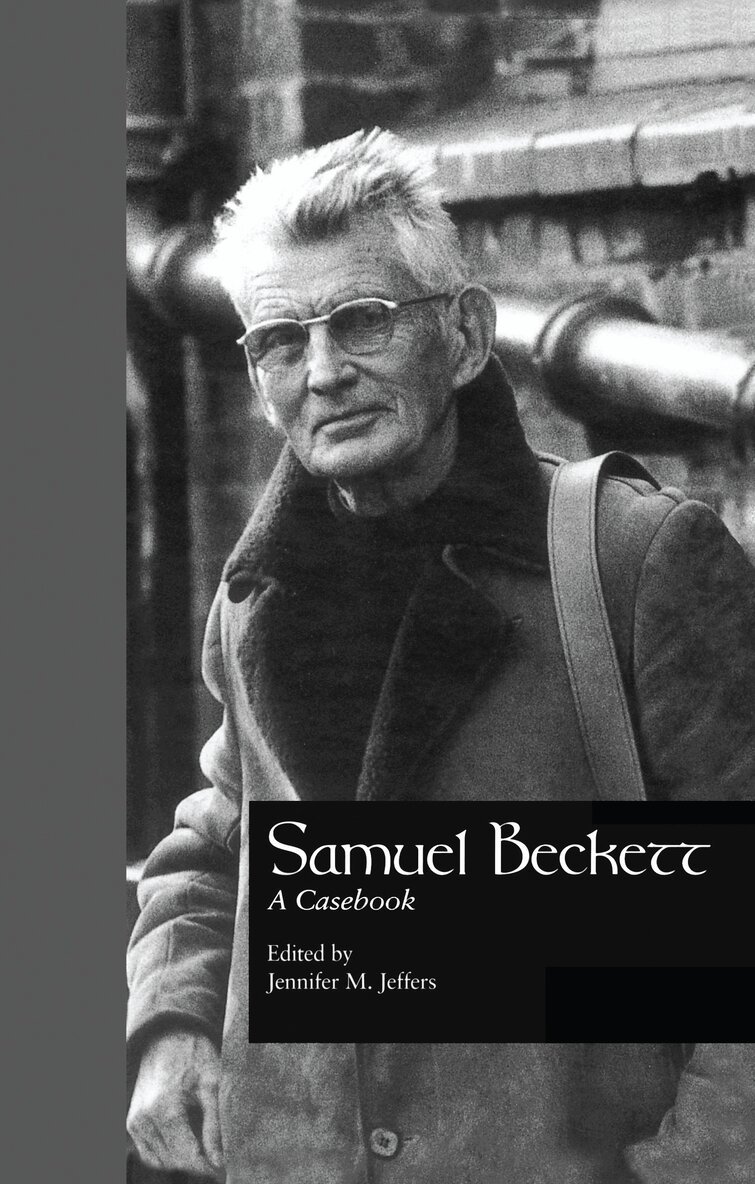
Samuel Beckett: A Casebook may be characterized as a new collection of essays by a generation of Beckett scholars who did not have access to the author. This text demarcates the line between the critical work produced when Beckett was alive, and the critical work produced within ten years of the author's death. This collection is distinctive, too, because the text offers a variety of critical perspectives which engage and problematize Beckett's dramatic canon. From Deleuzean rhizomatics to New Historicism to the crucial question of gender-each reading re-positions Beckett's plays and forces us to rethink our standard interpretations of Beckett's drama.
747 kr
Skickas inom 10-15 vardagar
Samuel Beckett: A Casebook may be characterized as a new collection of essays by a generation of Beckett scholars who did not have access to the author. This text demarcates the line between the critical work produced when Beckett was alive, and the critical work produced within ten years of the author's death. This collection is distinctive, too, because the text offers a variety of critical perspectives which engage and problematize Beckett's dramatic canon. From Deleuzean rhizomatics to New Historicism to the crucial question of gender-each reading re-positions Beckett's plays and forces us to rethink our standard interpretations of Beckett's drama.
1 281 kr
Skickas inom 10-15 vardagar
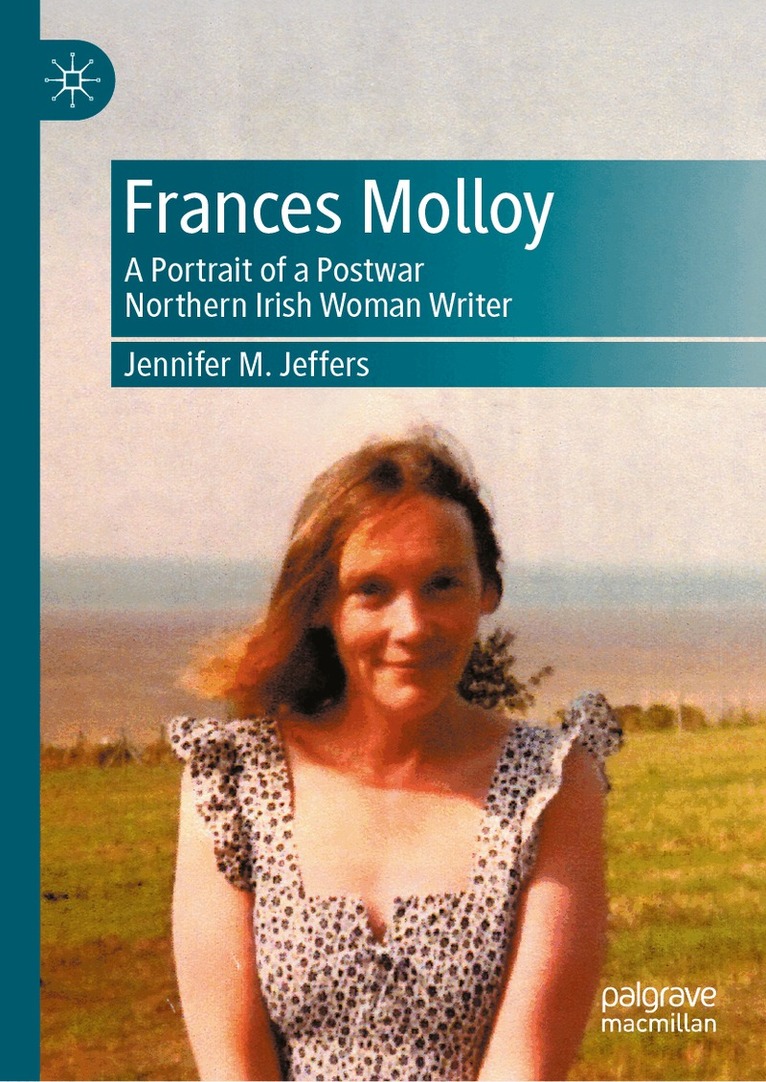
Frances Molloy: The Portrait of a Postwar Northern Irish Woman Writer is the story of Ann McGill Brady, the woman who wrote herself into the history of the Irish novel as Frances Molloy. It is also the story of a poor, uneducated, Catholic female in Northern Ireland in the 1960s; she had few choices and they were the traditional ones: marriage or work a dead-end job. For young Molloy, marriage was out the question because she did not want to replicate her own mother’s life. Molloy believed that God did have a higher plan for her life, and she believed that she would better serve the world as a nun than as a seamstress in a pajama factory. Frances Molloy gives a voice to the poverty, prejudice, and violence the Catholic community endured in Northern Ireland under the Stormont Government in the post-World War II era. While identity is always at the forefront of society in Northern Ireland, there is little record of the Catholic female, bound by tradition and poverty, in the North. A group without a history is a group without an identity—no one has yet written a history of the poor Northern Irish Catholic female in the latter half of the twentieth century. Frances Molloy was a Catholic woman in a sectarian state, and her story includes discrimination, segregation, and unjust incarceration in Northern Ireland in the latter half of the twentieth century.