Jennifer Panek - Böcker
Visar alla böcker från författaren Jennifer Panek. Handla med fri frakt och snabb leverans.
4 produkter
4 produkter
220 kr
Skickas inom 7-10 vardagar
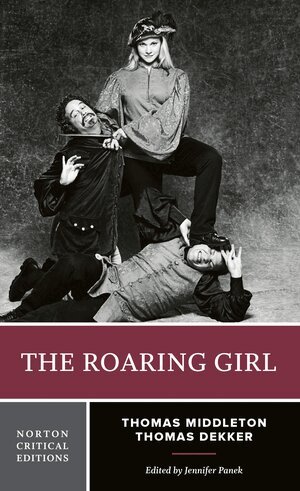
This Norton Critical Edition of Thomas Middleton and Thomas Dekker’s The Roaring Girl is based on the text from English Renaissance Drama: A Norton Anthology. It is accompanied by generous explanatory annotations, five illustrations, and a detailed introduction.“Contexts” is thematically arranged to include almost all known documents from the period concerning Mary Frith (aka Moll Cutpurse), among them records of her court appearances, letters recounting the same, and her last will. Also reprinted are significant passages from her purported 1662 “autobiography,” The Life and Death of Mrs. Mary Frith. While of dubious veracity, the “autobiography” is useful for comparing the play’s portrayal of Moll with later developments in Moll Cutpurse lore, which the Norton Critical Edition traces through the eighteenth and nineteenth centuries. Perhaps most engaging for classroom discussion are substantial excerpts from the 1620 cross-dressing pamphlets—Hic Mulier; or, The Man-Woman and Haec Vir; or, The Womanish Man—which appear in annotated, modern-spelling versions. Together they give insight into how gender-bending trends in clothing, similar to those practiced by Moll, were understood in the early seventeenth century. A related passage from A Sermon of Apparel adds another perspective on cross-dressing practices.Fourteen critical essays chart the development of scholarly interest in The Roaring Girl, from the first half of the twentieth century, when the play received only passing reference, through the work on city comedy in the 1970s and 1980s, to the explosion of analyses in the late 1980s and 1990s, when the play became a major focus for early modern gender studies. The more recent critical essays move beyond a strict focus on gender and cross-dressing to explore The Roaring Girl’s depiction of other aspects of early modern London, including consumer culture and the contemporary fascination with the language of the criminal underworld. Contributors include, among others, T. S. Eliot, Alexander Leggatt, Mary Beth Rose, Jonathan Dollimore, Jean E. Howard, and Jonathan Gil Harris.A Selected Bibliography is also included.
614 kr
Skickas inom 7-10 vardagar
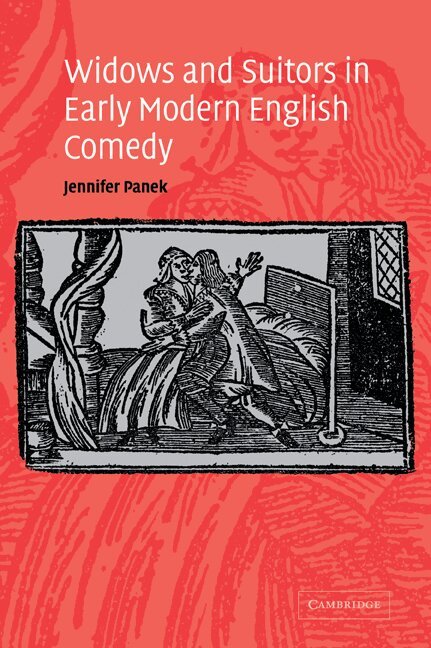
The courtship and remarriage of a rich widow was a popular motif in early modern comic theatre. Jennifer Panek brings together a wide variety of texts, from ballads and jest-books to sermons and court records, to examine the staple widow of comedy in her cultural context and to examine early modern attitudes to remarriage. She persuasively challenges the critical tendency to see the stereotype of the lusty widow as a tactic to dissuade women from second marriages, arguing instead that it was deployed to enable her suitors to regain their masculinity, under threat from the dominant, wealthier widow. The theatre, as demonstrated by Middleton, Dekker, Beaumont and Fletcher and others, was the prime purveyor of a fantasy in which a young man's sexual mastery of a widow allowed him to seize the economic opportunity she offered.
1 371 kr
Skickas inom 7-10 vardagar
The courtship and remarriage of a rich widow was a popular motif in early modern comic theatre. Jennifer Panek brings together a wide variety of texts, from ballads and jest-books to sermons and court records, to examine the staple widow of comedy in her cultural context and to examine early modern attitudes to remarriage. She persuasively challenges the critical tendency to see the stereotype of the lusty widow as a tactic to dissuade women from second marriages, arguing instead that it was deployed to enable her suitors to regain their masculinity, under threat from the dominant, wealthier widow. The theatre, as demonstrated by Middleton, Dekker, Beaumont and Fletcher and others, was the prime purveyor of a fantasy in which a young man's sexual mastery of a widow allowed him to seize the economic opportunity she offered.
269 kr
Skickas inom 7-10 vardagar
This Element turns to the stage to ask a simple question about gender and affect: what causes the shame of the early modern rape victim? Beneath honour codes and problematic assumptions about consent, the answer lies in affect, disgust. It explores both the textual "performance" of affect, how literary language works to evoke emotions and the ways disgust can work in theatrical performance. Here Shakespeare's poem The Rape of Lucrece is the classic paradigm of sexual pollution and shame, where disgust's irrational logic of contamination leaves the raped wife in a permanent state of uncleanness that spreads from body to soul. Staging Disgust offers alternatives to this depressing trajectory: Middleton's Women Beware Women and Shakespeare's Titus Andronicus perform disgust with a difference, deploying the audience's revulsion to challenge the assumption that a raped woman should "naturally" feel intolerable shame.