Jenny Wüstenberg - Böcker
Visar alla böcker från författaren Jenny Wüstenberg. Handla med fri frakt och snabb leverans.
8 produkter
8 produkter
2 924 kr
Skickas inom 10-15 vardagar
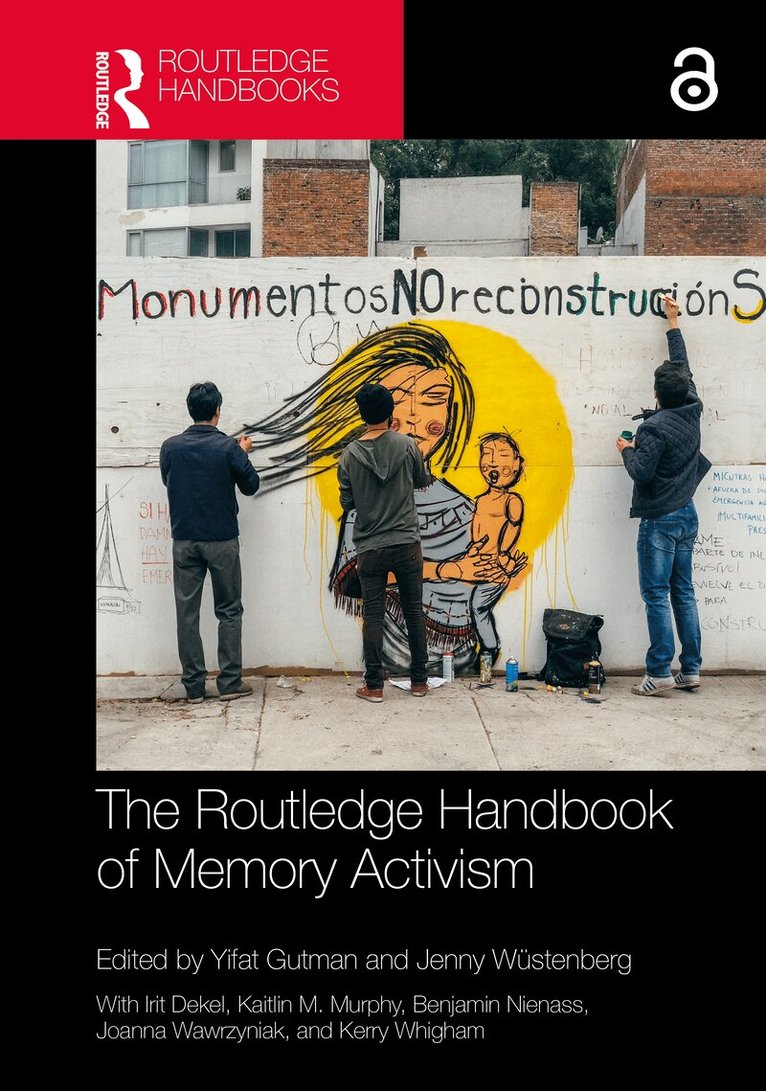
This Handbook is the first systematic effort to map the fast-growing phenomenon of memory activism and to delineate a new field of research that lies at the intersection of memory and social movement studies.From Charlottesville to Cape Town, from Santiago to Sydney, we have recently witnessed protesters demanding that symbols of racist or colonial pasts be dismantled and that we talk about histories that have long been silenced. But such events are only the most visible instances of grassroots efforts to influence the meaning of the past in the present. Made up of more than 80 chapters that encapsulate the rich diversity of scholarship and practice of memory activism by assembling different disciplinary traditions, methodological approaches, and empirical evidence from across the globe, this Handbook establishes important questions and their theoretical implications arising from the social, political, and economic reality of memory activism.Memory activism is multifaceted, takes place in a variety of settings, and has diverse outcomes – but it is always crucial to understanding the constitution and transformation of our societies, past and present. This volume will serve as a guide and establish new analytic frameworks for scholars, students, policymakers, journalists, and activists alike.
680 kr
Skickas inom 10-15 vardagar
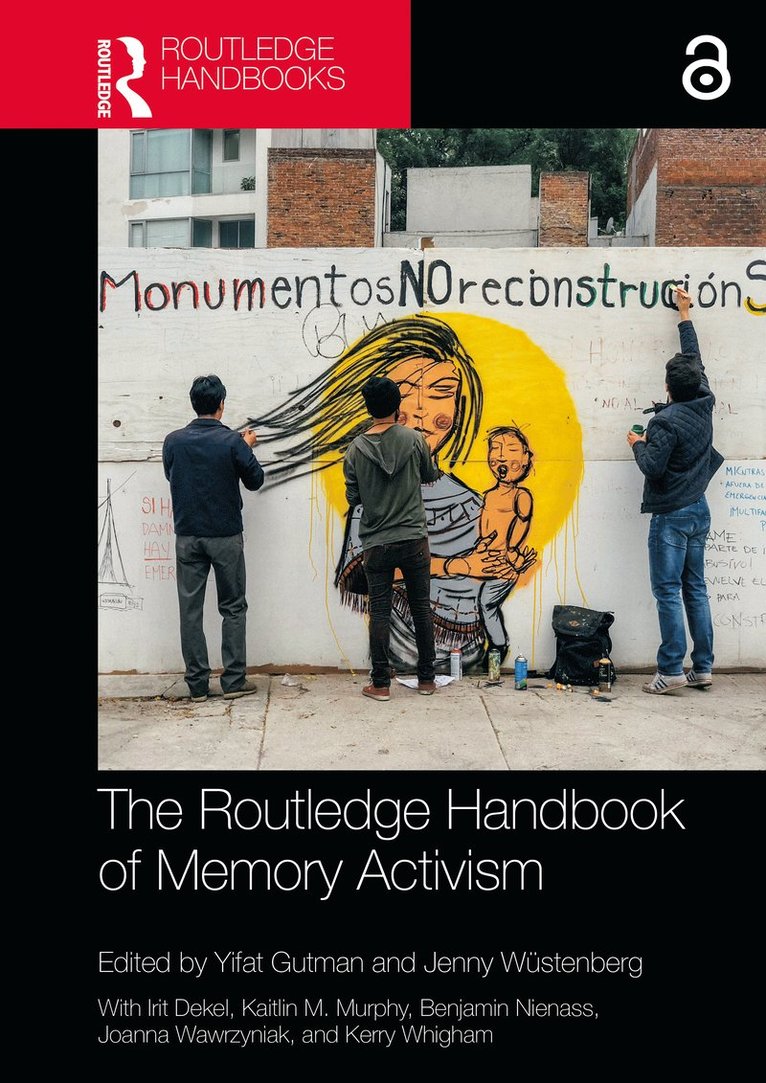
This Handbook is the first systematic effort to map the fast-growing phenomenon of memory activism and to delineate a new field of research that lies at the intersection of memory and social movement studies.From Charlottesville to Cape Town, from Santiago to Sydney, we have recently witnessed protesters demanding that symbols of racist or colonial pasts be dismantled and that we talk about histories that have long been silenced. But such events are only the most visible instances of grassroots efforts to influence the meaning of the past in the present. Made up of more than 80 chapters that encapsulate the rich diversity of scholarship and practice of memory activism by assembling different disciplinary traditions, methodological approaches, and empirical evidence from across the globe, this Handbook establishes important questions and their theoretical implications arising from the social, political, and economic reality of memory activism.Memory activism is multifaceted, takes place in a variety of settings, and has diverse outcomes – but it is always crucial to understanding the constitution and transformation of our societies, past and present. This volume will serve as a guide and establish new analytic frameworks for scholars, students, policymakers, journalists, and activists alike.
979 kr
Kommande
This open access book proposes slow memory as a new framework for understanding how remembrance operates across time, urging scholars and practitioners to resist the acceleration that characterizes both contemporary scholarship and public memory cultures.The authors explore the theoretical foundations of slow memory in relation to environmental humanities and Indigenous studies, emphasizing themes of deep time, intergenerational justice, and contested memory regimes. The collection focuses on the fields of environment, (de)industrialization, welfare, politics, and conflict to examine how gradual transformations impact the present through remembrance practices at different tempos. It advocates for a deceleration of scholarly and commemorative practices to develop ethical, sustainable, and inclusive engagements with the past.By foregrounding slowness as a conceptual and methodological tool, and slow memory as a “connective concept,” this book offers a vital framework for scholars, policymakers, and practitioners seeking to rethink the temporalities of remembrance in an era of rapid transformation. The ebook editions of this book are available open access under a CC BY-NC-ND 4.0 licence on bloomsburycollections.com. This publication is based upon work from COST Action CA20105 on Slow Memory, supported by COST (European Cooperation in Science and Technology). COST is a funding agency for research and innovation networks. Our Actions help connect research initiatives across Europe and enable scientists to grow their ideas by sharing them with their peers. This boosts their research, career and innovation.
331 kr
Kommande
This open access book proposes slow memory as a new framework for understanding how remembrance operates across time, urging scholars and practitioners to resist the acceleration that characterizes both contemporary scholarship and public memory cultures.The authors explore the theoretical foundations of slow memory in relation to environmental humanities and Indigenous studies, emphasizing themes of deep time, intergenerational justice, and contested memory regimes. The collection focuses on the fields of environment, (de)industrialization, welfare, politics, and conflict to examine how gradual transformations impact the present through remembrance practices at different tempos. It advocates for a deceleration of scholarly and commemorative practices to develop ethical, sustainable, and inclusive engagements with the past.By foregrounding slowness as a conceptual and methodological tool, and slow memory as a “connective concept,” this book offers a vital framework for scholars, policymakers, and practitioners seeking to rethink the temporalities of remembrance in an era of rapid transformation. The ebook editions of this book are available open access under a CC BY-NC-ND 4.0 licence on bloomsburycollections.com. This publication is based upon work from COST Action CA20105 on Slow Memory, supported by COST (European Cooperation in Science and Technology). COST is a funding agency for research and innovation networks. Our Actions help connect research initiatives across Europe and enable scientists to grow their ideas by sharing them with their peers. This boosts their research, career and innovation.
2 229 kr
Skickas inom 3-6 vardagar
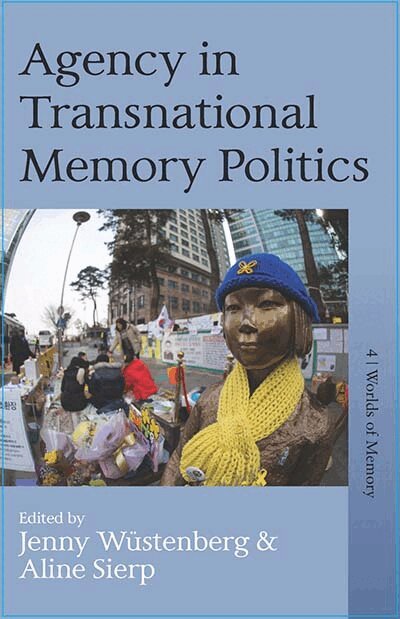
The dynamics of transnational memory play a central role in modern politics, from postsocialist efforts at transitional justice to the global legacies of colonialism. Yet, the relatively young subfield of transnational memory studies remains underdeveloped and fractured across numerous disciplines, even as nascent, boundary-crossing theories on topics such as multi-vocal, traveling, or entangled remembrance suggest new ways of negotiating difficult political questions. This volume brings together theoretical and practical considerations to provide transnational memory scholars with an interdisciplinary investigation into agency—the “who” and the “how” of cross-border commemoration that motivates activists and fascinates observers.
2 229 kr
Skickas inom 3-6 vardagar
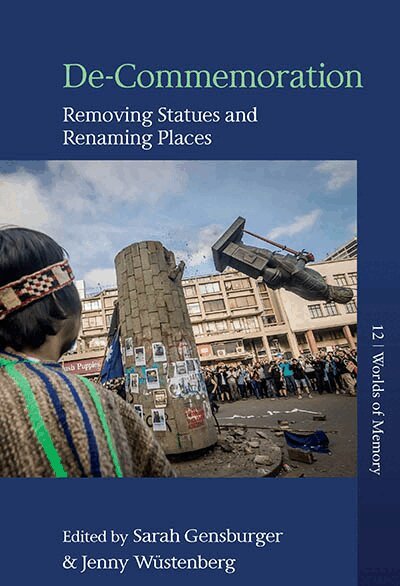
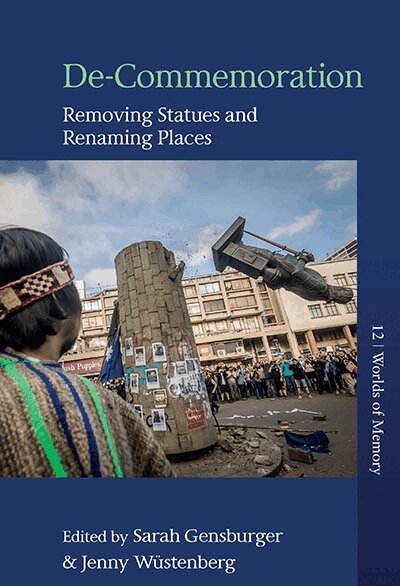
In the wake of recent protests against police violence and racism, calls to dismantle problematic memorials have reverberated around the globe. This is not a new phenomenon, however, nor is it limited to the Western world. De-Commemoration focuses on the concept of de-commemoration as it relates to remembrance. Drawing on research from experts on memory dynamics across various disciplines, this extensive collection seeks to make sense of the current state of de-commemoration as it transforms contemporary societies around the world.
321 kr
Kommande
In the wake of recent protests against police violence and racism, calls to dismantle problematic memorials have reverberated around the globe. This is not a new phenomenon, however, nor is it limited to the Western world. De-Commemoration focuses on the concept of de-commemoration as it relates to remembrance. Drawing on research from experts on memory dynamics across various disciplines, this extensive collection seeks to make sense of the current state of de-commemoration as it transforms contemporary societies around the world.
428 kr
Skickas inom 3-6 vardagar
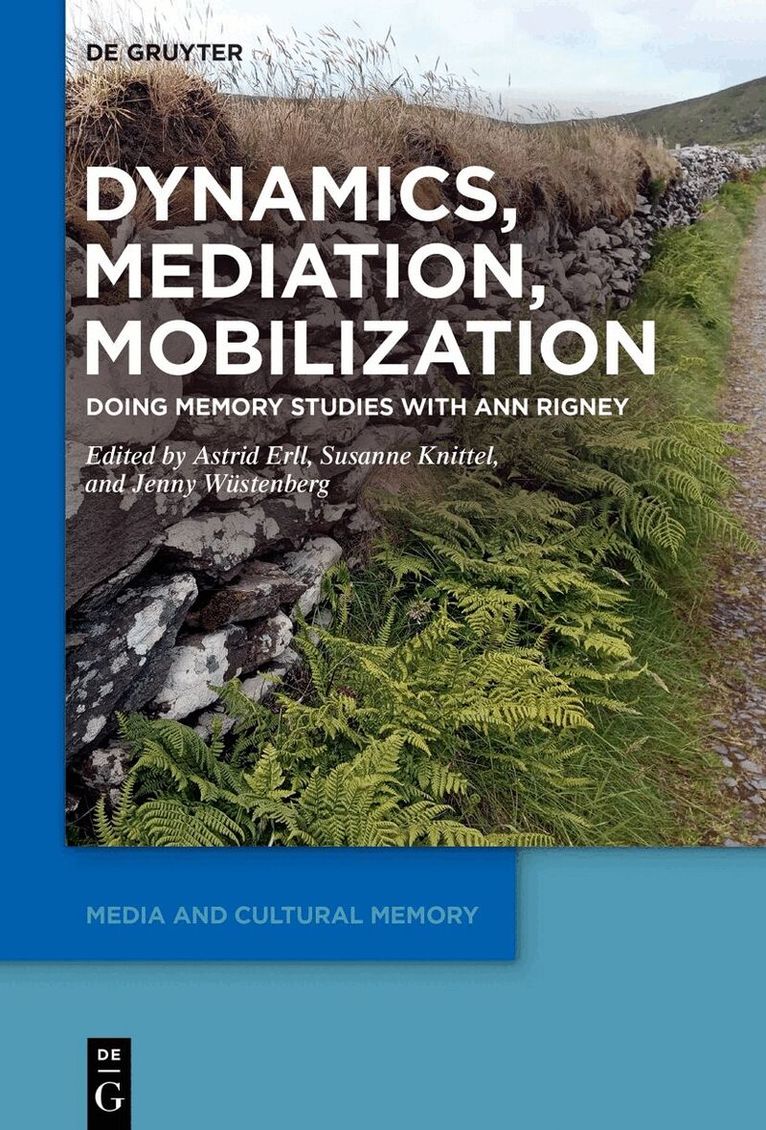
Dynamics, Mediation, Mobilization provides an accessible overview of cultural memory studies, a field substantially shaped by Ann Rigney. In more than sixty short chapters, leading and emerging scholars in the field present key concepts for the study of cultural memory – from ‘divided narratives’ to ‘the platformization of memory’ and ‘the memory of activism’. The volume includes voices from literary studies, media studies, history, sociology, political science, anthropology, and psychology. Eight sections discuss innovations in the major research areas of cultural memory studies today: 1. History, Narrative, Literature; 2. The Dynamics of Memory; 3. Mediation and Remediation; 4. Lives and Afterlives of Texts; 5. National and Transnational Memory; 6. The Matter of Memory; 7. The Agency of the Aesthetic; 8. The Memory-Activism Nexus. This new handbook will be an indispensable resource for cultural memory research across disciplines, opening up this exciting field to interested students and advanced academics alike.