
JerA³nimo GarcA-a-FernA!ndez – författare
682 kr
Läs direkt efter köp
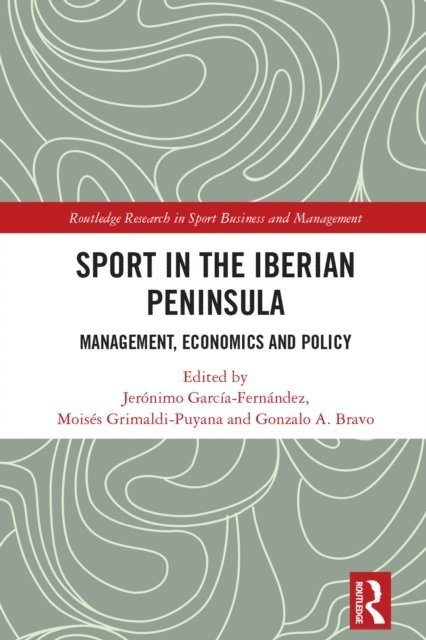
This is the first book in English to offer an overview of the development of the sport industry in Spain and Portugal, examining the social, economic, cultural, and political impact sport has had in this region and on world sport more broadly.
Drawing on sources in Spanish and Portuguese, the book presents important new perspectives and empirical material not previously available to English-speaking audiences. With a strong focus on management, development, economics, governance and law, set in a broader historical and socio-cultural context, the book explains the unique characteristics of the sport industry in the Iberian Peninsula. It takes a deep dive into Spanish and Portuguese football - in many ways the centre of gravity of Iberian sport – and into sport tourism, a hugely significant component of the broader economy of the region. The book also considers important emerging themes in Iberian sport, from the development of women’s sport to the global profile of Cristiano Ronaldo and Rafael Nadal, and considers the wider influence of Iberian sport across the wider Hispanic diaspora.
This is fascinating and illuminating reading for anybody with an interest in sport business and management, global sporting cultures, international business, or Hispanic or Latin American studies.
706 kr
Läs direkt efter köp
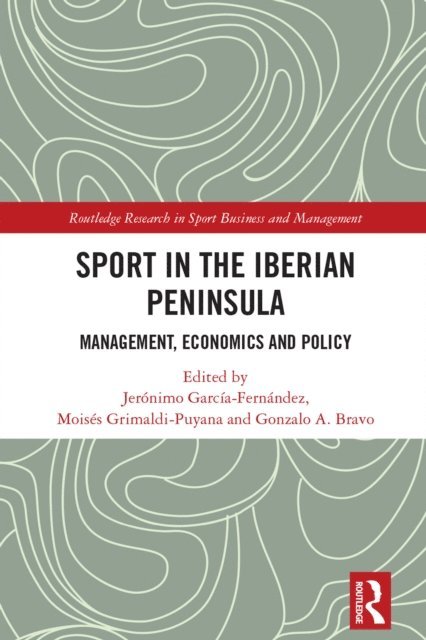
This is the first book in English to offer an overview of the development of the sport industry in Spain and Portugal, examining the social, economic, cultural, and political impact sport has had in this region and on world sport more broadly.
Drawing on sources in Spanish and Portuguese, the book presents important new perspectives and empirical material not previously available to English-speaking audiences. With a strong focus on management, development, economics, governance and law, set in a broader historical and socio-cultural context, the book explains the unique characteristics of the sport industry in the Iberian Peninsula. It takes a deep dive into Spanish and Portuguese football - in many ways the centre of gravity of Iberian sport – and into sport tourism, a hugely significant component of the broader economy of the region. The book also considers important emerging themes in Iberian sport, from the development of women’s sport to the global profile of Cristiano Ronaldo and Rafael Nadal, and considers the wider influence of Iberian sport across the wider Hispanic diaspora.
This is fascinating and illuminating reading for anybody with an interest in sport business and management, global sporting cultures, international business, or Hispanic or Latin American studies.
706 kr
Läs direkt efter köp
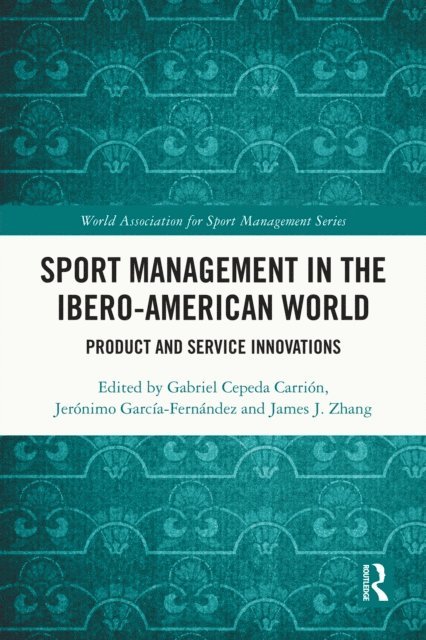
This book explores innovation in technology, products, and services in sport management in the Ibero-American region, one of the most rapidly developing regions in world sport. This timely volume captures a sense of the potential impact and opportunities presented in the region for international sport businesses and sporting organisations.
The book presents cutting-edge research into topics as diverse as digitization in the Chilean sport industry; responses to COVID-19 by sports clubs in the region; consumer behavior in the Portuguese fitness industry; multiplatform content distribution in Brazilian basketball, and the strategy behind the growth and development of the Valencia marathon in Spain. It is full of insight, data, and examples of best practice in innovation.
This is fascinating reading for any student, researcher, or practitioner working in sport management, sport business, sport governance, international business and management, or Ibero-American studies.
706 kr
Läs direkt efter köp
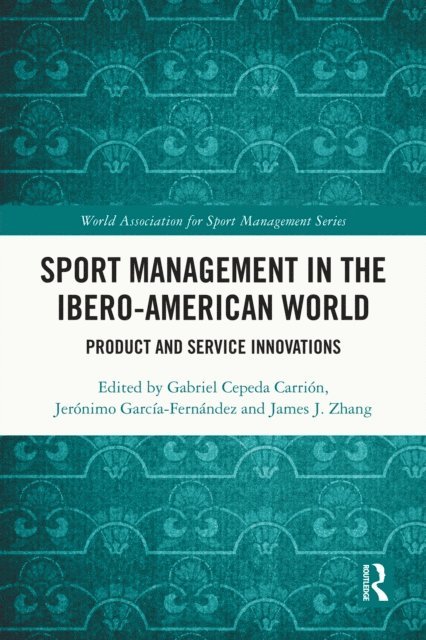
This book explores innovation in technology, products, and services in sport management in the Ibero-American region, one of the most rapidly developing regions in world sport. This timely volume captures a sense of the potential impact and opportunities presented in the region for international sport businesses and sporting organisations.
The book presents cutting-edge research into topics as diverse as digitization in the Chilean sport industry; responses to COVID-19 by sports clubs in the region; consumer behavior in the Portuguese fitness industry; multiplatform content distribution in Brazilian basketball, and the strategy behind the growth and development of the Valencia marathon in Spain. It is full of insight, data, and examples of best practice in innovation.
This is fascinating reading for any student, researcher, or practitioner working in sport management, sport business, sport governance, international business and management, or Ibero-American studies.