Jessica A. Albrecht – författare
Visar alla böcker från författaren Jessica A. Albrecht. Handla med fri frakt och snabb leverans.
6 produkter
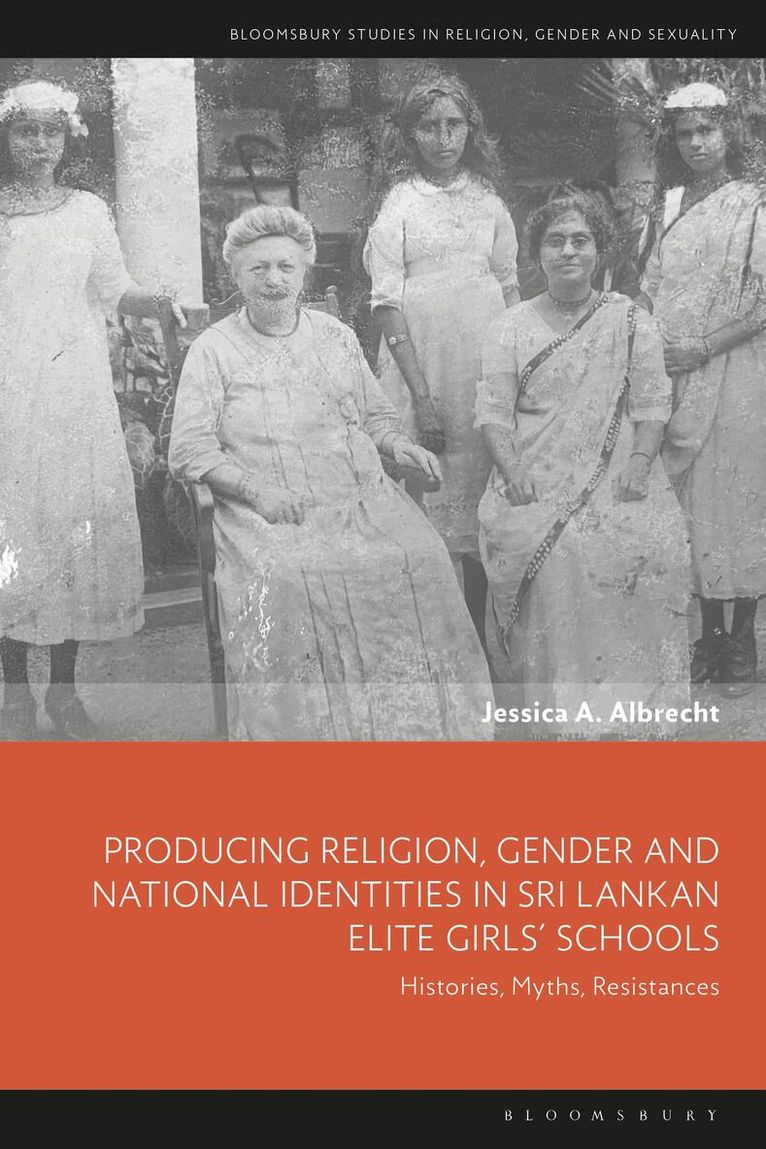
Producing Religion, Gender and National Identities in Sri Lankan Elite Girls’ Schools
Histories, Myths, Resistances
Av Jessica A. Albrecht, Dawn Llewellyn
Inbunden, 2026
1208 kr
Lägg i varukorg
This book provides the first comparative analysis of how religious, gender and national identities have been constructed in Christian, Buddhist and Hindu girls’ schools in Sri Lanka in the context of colonial histories and postcolonial struggles.Attended by the children of the socio-political …
Producing Religion, Gender and National Identities in Sri Lankan Elite Girls’ Schools
Histories, Myths, Resistances
E-bok, 2026
1286 kr
Lägg i varukorg
This book provides the first comparative analysis of how religious, gender and national identities have been constructed in Christian, Buddhist and Hindu girls' schools in Sri Lanka in the context of colonial histories and postcolonial struggles. Attended by the children of the socio-political …
Producing Religion, Gender and National Identities in Sri Lankan Elite Girls’ Schools
Histories, Myths, Resistances
E-bok, 2026
1325 kr
Lägg i varukorg
This book provides the first comparative analysis of how religious, gender and national identities have been constructed in Christian, Buddhist and Hindu girls' schools in Sri Lanka in the context of colonial histories and postcolonial struggles. Attended by the children of the socio-political …
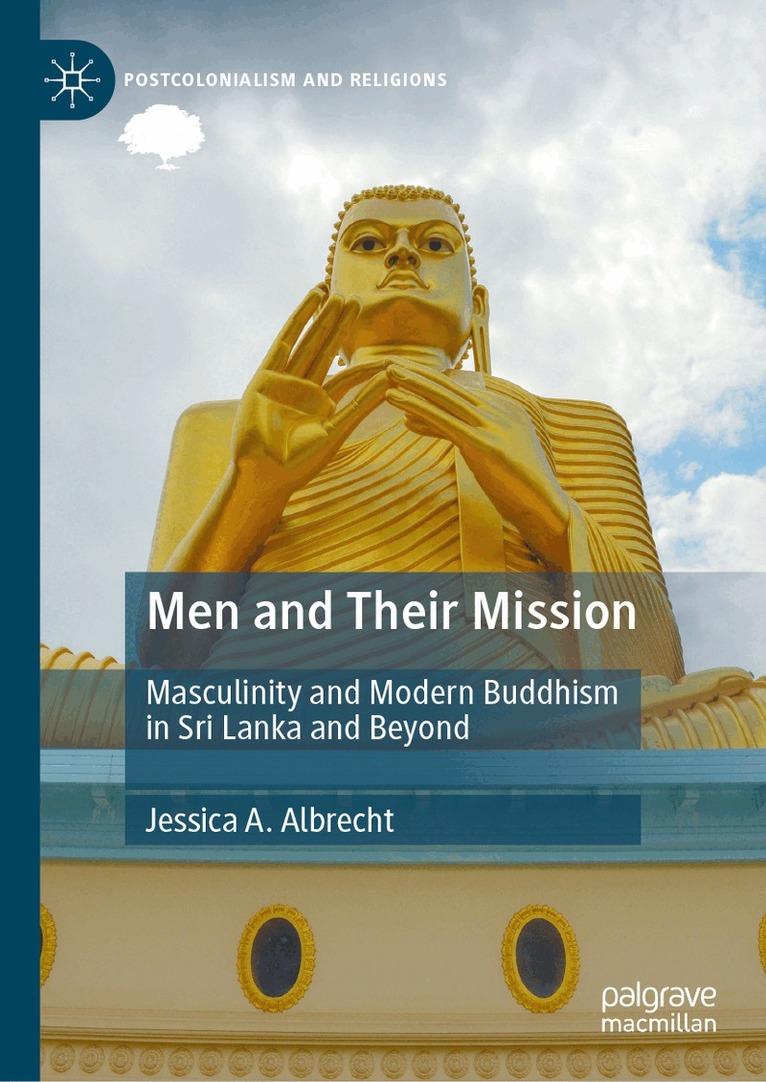
Men and Their Mission
Masculinity and Modern Buddhism in Sri Lanka and Beyond
Av Jessica A. Albrecht, Jessica. A Albrecht
Inbunden, 2026
1429 kr
Lägg i varukorg
This book engages with masculinity in modern and contemporary Buddhism in Sri Lanka (1850-today) through the lens of exemplary male religious leaders, politicians and the culture of boys’ education since the late nineteenth century. Through mixed methods, archival and original historical source …
Men and Their Mission
Masculinity and Modern Buddhism in Sri Lanka and Beyond
E-bok, 2026
1785 kr
Lägg i varukorg
This book engages with masculinity in modern and contemporary Buddhism in Sri Lanka (1850-today) through the lens of exemplary male religious leaders, politicians and the culture of boys' education since the late nineteenth century. Through mixed methods, archival and original historical source …
Religion and Standpoint, Queer, Crip, and Trans Theories
Av Jessica A. Albrecht, Cody J. Sanders m. fl.
Inbunden, 2026
1208 kr
Lägg i varukorg
Bringing together material religion and discourse theory, this cross-disciplinary book argues that theories of embodiment and religion co-produce one another. Responding to the scholarly turn towards embodiment and phenomenology beginning in queer studies and branching out into the humanities more …