Jessica Moody - Böcker
Visar alla böcker från författaren Jessica Moody. Handla med fri frakt och snabb leverans.
6 produkter
6 produkter
Del 10 - Mother Earth News Wiser Living Series
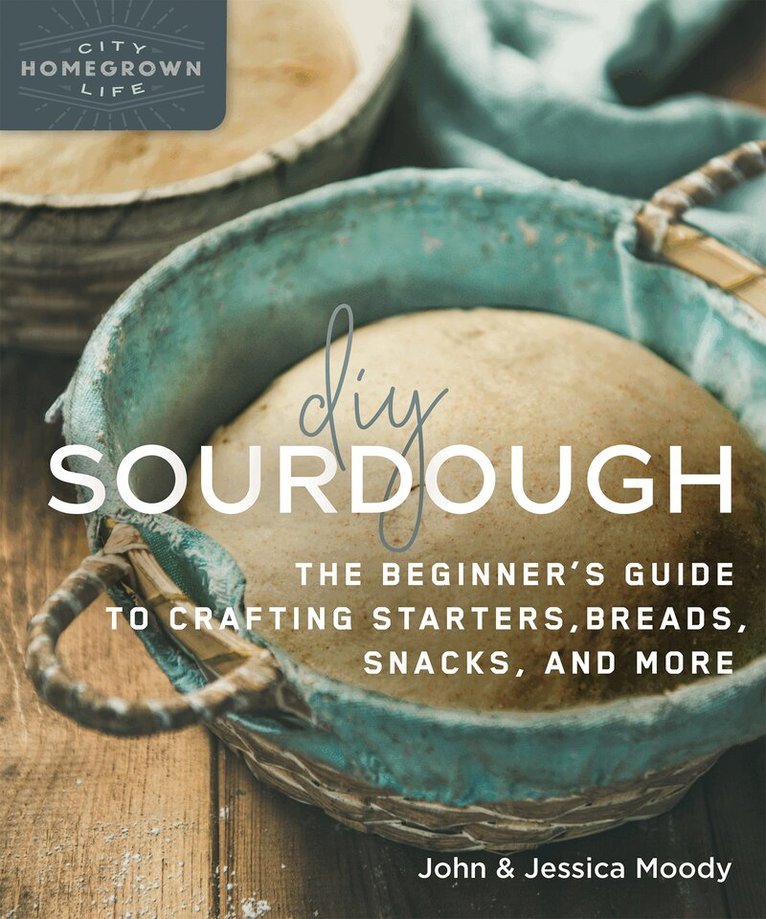
DIY Sourdough
The Beginner's Guide to Crafting Starters, Bread, Snacks, and More
Häftad, Engelska, 2020
219 kr
Skickas inom 5-8 vardagar
“Enjoy delicious, nutritious sourdough family favorites such as English muffins and cinnamon raisin bread right in the comfort of your own home.” —Hannah Crum, coauthor of The Big Book of Kombucha Real life is busy enough without having social media-worthy sourdough on your to-do list. But if your goal is to make simple, nourishing, and delicious whole grain sourdough for your whole family, then DIY Sourdough is your one-stop beginner’s guide. Coverage includes:Simple sourdough recipes for breads, snacks, and moreThe secrets to consistent resultsTips and tricks for homemade sourdough, including flour buying, home milling, and sourdough starterHomemade bread scheduling options, including split-day sourdough recipes for making sourdough an easy part of your weekly routine.DIY Sourdough is your personal guide to getting started with sourdough. It gives you a helping hand to succeed and offers a simple time-saving approach to make nourishing and delicious sourdough that fits into a hectic lifestyle.“People have been fermenting grains, baking bread, and keeping sourdough starters alive for millennia using very simple, basic techniques. John and Jessica Moody bring back the simplicity by demonstrating in clear terms how a busy homesteading family, be they rural or urban, can bake a wide range of sourdough-based baked products with ease. To boot, DIY Sourdough will provide you with myriad recipes for feeding your family healthy, digestible baked products for breakfast, lunch, dinner, and in-between.” —Jereme Zimmerman, award-winning author of Brew Beer Like a Yeti
1 448 kr
Kommande
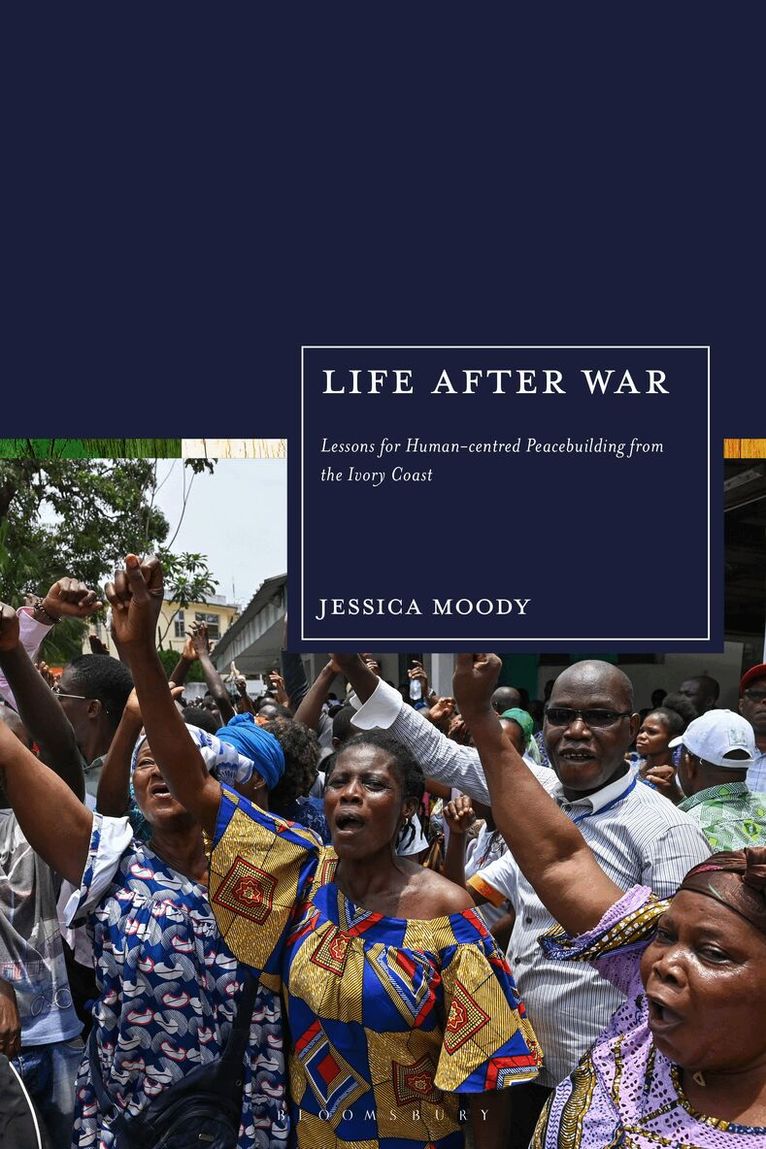
Delving into the lives of ten Ivoirian citizens in the aftermath of the Ivoirian Civil War, this book sheds new light on how ordinary people contribute to post-conflict peacebuilding, and how it impacts their day-to-day lives. Ex-combatants contemplate the glory days of the conflict and how they have struggled to reintegrate into a post-conflict society which they feel does not want them. Survivors explain the challenges of returning home after war and dealing with trauma in a country where their families have been torn apart. Civilians discuss the ways that they have helped to build peace and the power that their knowledge of the local context has had on peacebuilding. Soldiers explore the difficulty of integrating rebels into the military at the end of a war and the ongoing challenges that this poses to military cohesion. Taken together, these stories highlight the need for peacebuilding programmes to ditch one-size-fits-all approaches in order to grapple with the specific social dynamics in post-conflict countries. This is essential reading for researchers and students of peacebuilding, international development and African studies, as well as for practitioners the world over.
Del 11 - Liverpool Studies in International Slavery
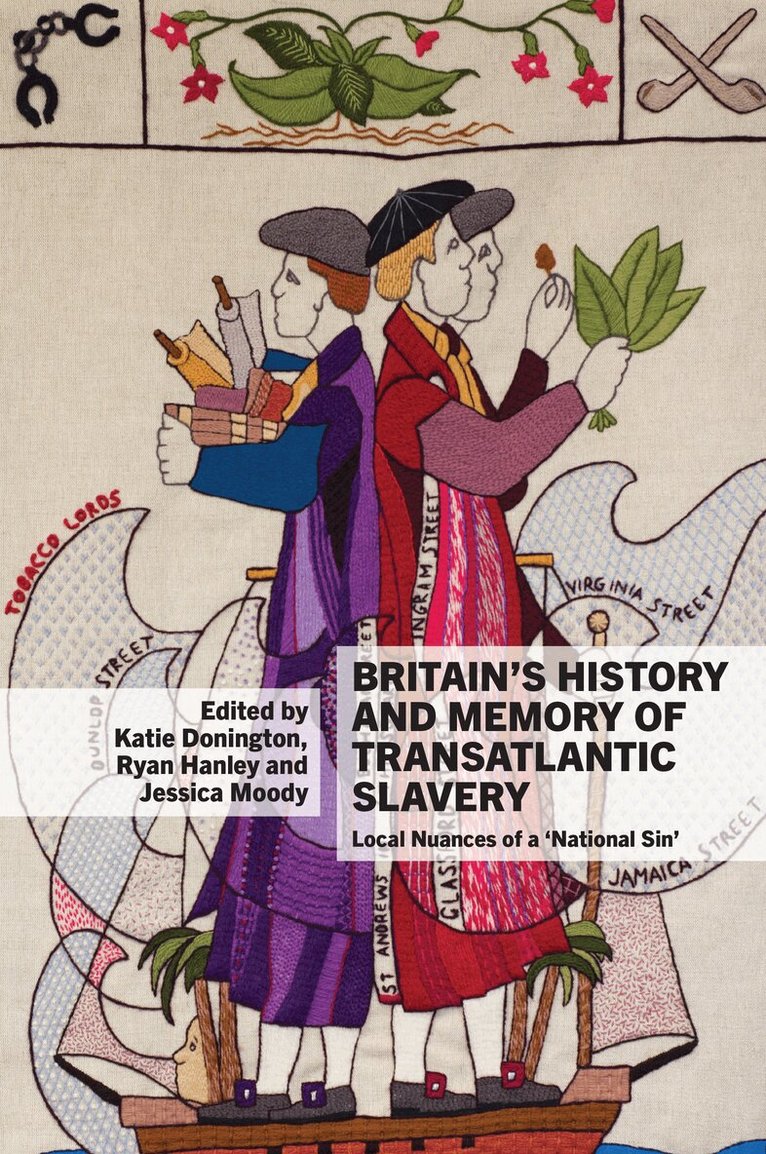
Britain’s History and Memory of Transatlantic Slavery
Local Nuances of a ‘National Sin’
Inbunden, Engelska, 2016
1 908 kr
Skickas inom 7-10 vardagar
Transatlantic slavery, just like the abolition movements, affected every space and community in Britain, from Cornwall to the Clyde, from dockyard alehouses to country estates. Today, its financial, architectural and societal legacies remain, scattered across the country in museums and memorials, philanthropic institutions and civic buildings, empty spaces and unmarked graves. Just as they did in the eighteenth and nineteenth centuries, British people continue to make sense of this ‘national sin’ by looking close to home, drawing on local histories and myths to negotiate their relationship to the distant horrors of the ‘Middle Passage’, and the Caribbean plantation. For the first time, this collection brings together localised case studies of Britain’s history and memory of its involvement in the transatlantic slave trade, and slavery. These essays, ranging in focus from eighteenth-century Liverpool to twenty-first-century rural Cambridgeshire, from racist ideologues to Methodist preachers, examine how transatlantic slavery impacted on, and continues to impact, people and places across Britain.
Del 18 - Liverpool Studies in International Slavery
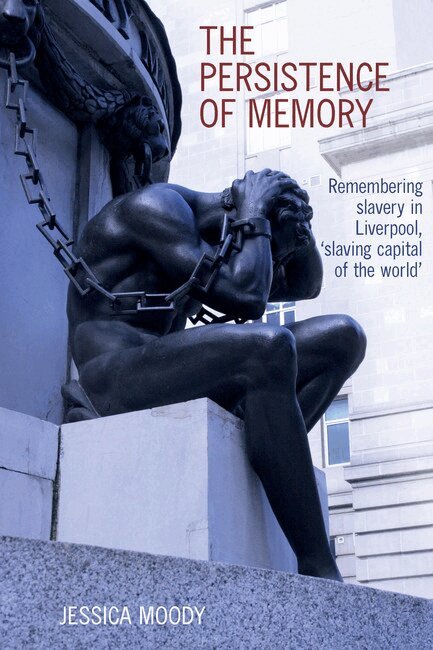
persistence of memory
Remembering slavery in Liverpool, 'slaving capital of the world'
Inbunden, Engelska, 2020
754 kr
Skickas inom 7-10 vardagar
An Open Access edition of this book is available on our website and on the OAPEN Library, funded by the LUP Open Access Author Fund.The Persistence of Memory is a history of the public memory of transatlantic slavery in the largest slave-trading port city in Europe, from the end of the 18th century into the 21st century; from history to memory. Mapping this public memory over more than two centuries reveals the ways in which dissonant pasts, rather than being ‘forgotten histories’, persist over time as a contested public debate. This public memory, intimately intertwined with constructions of ‘place’ and ‘identity’, has been shaped by legacies of transatlantic slavery itself, as well as other events, contexts and phenomena along its trajectory, revealing the ways in which current narratives and debate around difficult histories have histories of their own. By the 21st century, Liverpool, once the ‘slaving capital of the world’, had more permanent and long-lasting memory work relating to transatlantic slavery than any other British city. The long history of how Liverpool, home to Britain’s oldest continuous black presence, has publicly ‘remembered’ its own slaving past, how this has changed over time and why, is of central significance and relevance to current and ongoing efforts to face contested histories, particularly those surrounding race, slavery and empire.
Del 18 - Liverpool Studies in International Slavery
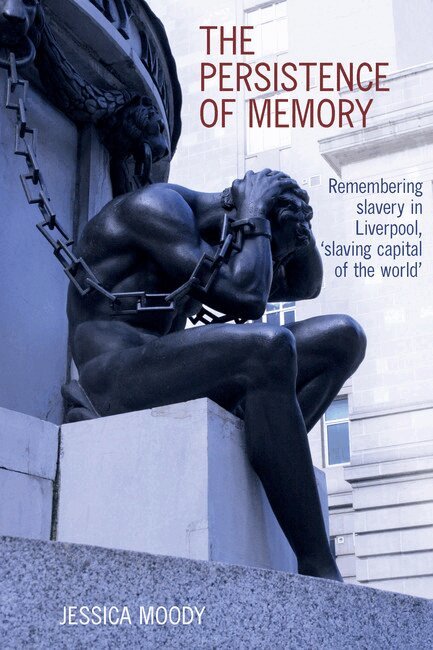
persistence of memory
Remembering slavery in Liverpool, 'slaving capital of the world'
Häftad, Engelska, 2020
516 kr
Skickas inom 7-10 vardagar
An Open Access edition of this book is available on our website and on the OAPEN Library, funded by the LUP Open Access Author Fund.The Persistence of Memory is a history of the public memory of transatlantic slavery in the largest slave-trading port city in Europe, from the end of the 18th century into the 21st century; from history to memory. Mapping this public memory over more than two centuries reveals the ways in which dissonant pasts, rather than being ‘forgotten histories’, persist over time as a contested public debate. This public memory, intimately intertwined with constructions of ‘place’ and ‘identity’, has been shaped by legacies of transatlantic slavery itself, as well as other events, contexts and phenomena along its trajectory, revealing the ways in which current narratives and debate around difficult histories have histories of their own. By the 21st century, Liverpool, once the ‘slaving capital of the world’, had more permanent and long-lasting memory work relating to transatlantic slavery than any other British city. The long history of how Liverpool, home to Britain’s oldest continuous black presence, has publicly ‘remembered’ its own slaving past, how this has changed over time and why, is of central significance and relevance to current and ongoing efforts to face contested histories, particularly those surrounding race, slavery and empire.
Del 11 - Liverpool Studies in International Slavery
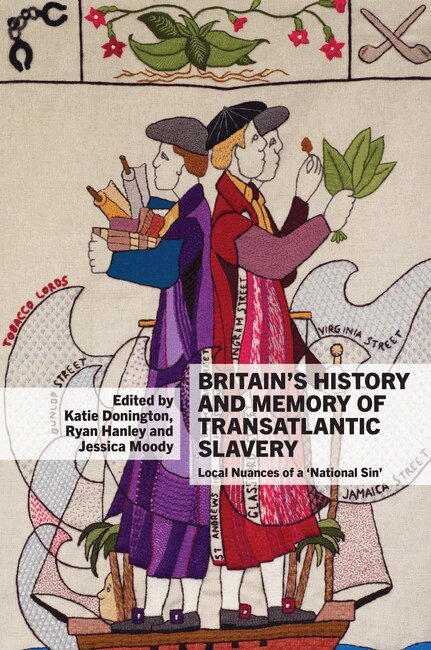
Britain’s History and Memory of Transatlantic Slavery
Local Nuances of a ‘National Sin’
Häftad, Engelska, 2021
559 kr
Skickas inom 7-10 vardagar
Transatlantic slavery, just like the abolition movements, affected every space and community in Britain, from Cornwall to the Clyde, from dockyard alehouses to country estates. Today, its financial, architectural and societal legacies remain, scattered across the country in museums and memorials, philanthropic institutions and civic buildings, empty spaces and unmarked graves. Just as they did in the eighteenth and nineteenth centuries, British people continue to make sense of this ‘national sin’ by looking close to home, drawing on local histories and myths to negotiate their relationship to the distant horrors of the ‘Middle Passage’, and the Caribbean plantation. For the first time, this collection brings together localised case studies of Britain’s history and memory of its involvement in the transatlantic slave trade, and slavery. These essays, ranging in focus from eighteenth-century Liverpool to twenty-first-century rural Cambridgeshire, from racist ideologues to Methodist preachers, examine how transatlantic slavery impacted on, and continues to impact, people and places across Britain.