Jill M. Sullivan – författare
Visar alla böcker från författaren Jill M. Sullivan. Handla med fri frakt och snabb leverans.
4 produkter
4 produkter
E-bok
Engelska, 20111 308 kr
Läs direkt efter köp
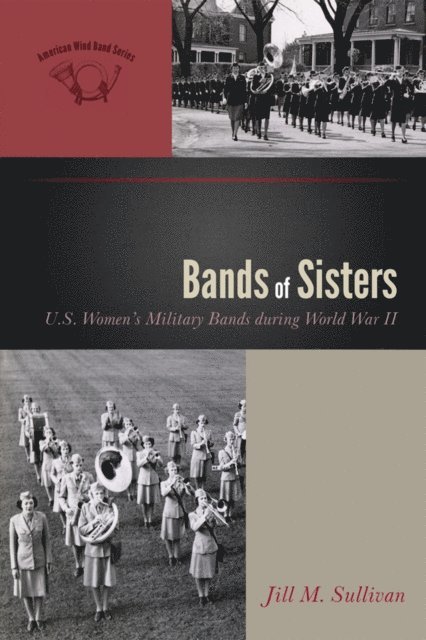
On Saturday, November 14, 1944, radio listeners heard an enthusiastic broadcast announcer describe something they had never heard before: Women singing the "Marines'' Hymn" instead of the traditional all-male United States Marine Band. The singers were actually members of its sister organization, The Marine Corps Women''s Reserve Band of Camp Lejeune, North Carolina. Today, few remember these all-female military bands because only a small number of their performances were broadcast or pressed to vinyl. But, as Jill Sullivan argues in Bands of Sisters: U.S. Women''s Military Bands during World War II, these gaps in the historical record can hardly be treated as the measure of their success.The novelty of these bands—initially employed by the U.S. military to support bond drives—drew enough spectators for the bands to be placed on tour, raising money for the war and boosting morale. The women, once discharged at the war''s end, refused to fade into post-war domesticity. Instead, the strong bond fostered by youthful enthusiasm and the rare opportunity to serve in the military while making professional caliber music would come to last some 60 years. Based on interviews with over 70 surviving band members, Bands of Sisters tells the tale of this remarkable period in the history of American women.Sullivan covers the history of these ensembles, tracing accounts such as the female music teachers who would leave their positions to become professional musicians—no easy matter for female instrumentalists of the pre-war era. Sullivan further traces how some band members would later be among the first post-war music therapists based on their experience working with medical personnel in hospitals to treat injured soldiers. The opportunities presented by military service inevitably promoted new perspectives on what women could accomplish outside of the home, resulting in a lifetime of lasting relationships that would inspire future generations of musicians.
Inbunden, Engelska, 2016
1 571 kr
Skickas inom 10-15 vardagar
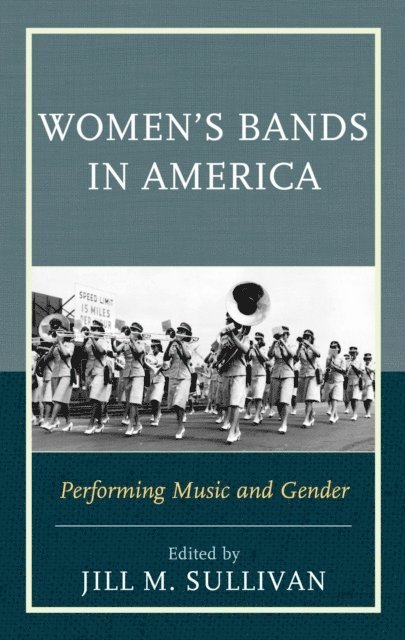
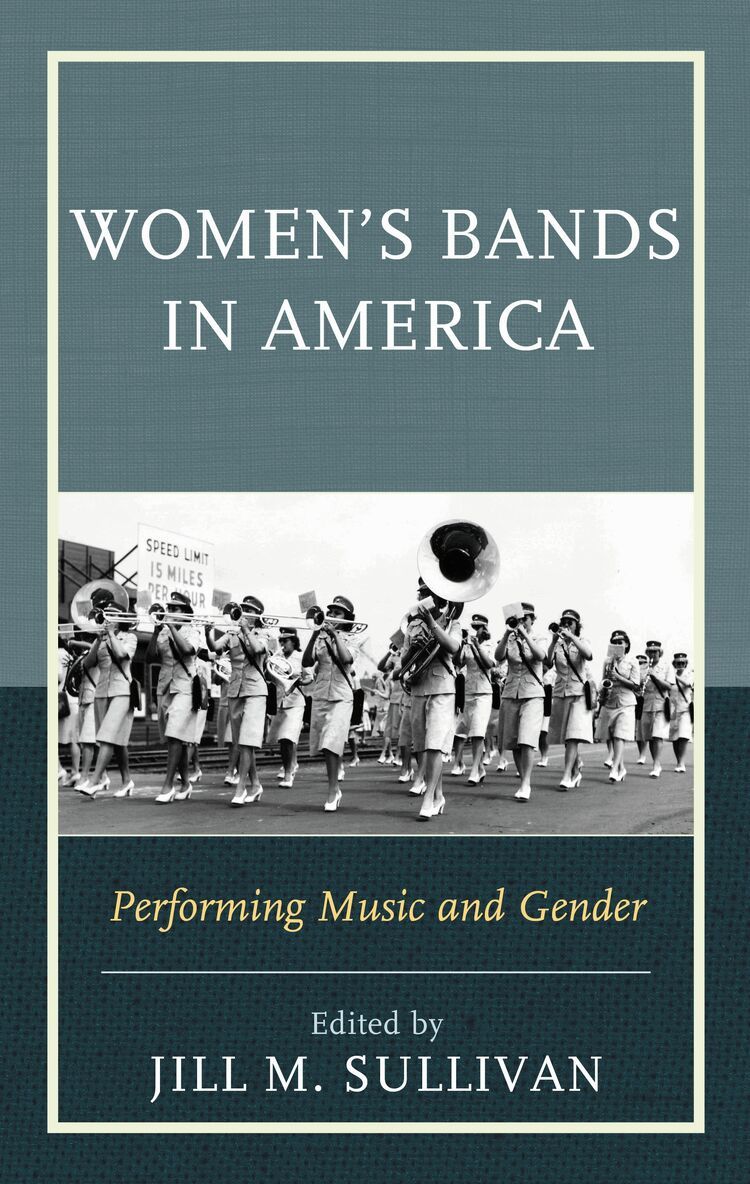
Women's Bands in America is the first comprehensive exploration of women’s bands across the three centuries in American history. Contributors trace women's emerging roles in society as seen through women's bands—concert and marching—spanning three centuries of American history. Authors explore town, immigrant,industry, family, school, suffrage, military, jazz, and rock bands, adopting a variety of methodologies and theoretical lenses in order to assemble and interrogate their findings within the context of women's roles in American society over time.Contributors bring together a series of disciplines in this unique work, including music education, musicology, American history, women's studies, and history of education. They also draw on numerous primary sources: diaries, film, military records, newspaper articles, oral-history interviews, personal letters, photographs, published ephemera, radio broadcasts, and recordings. Thoroughly, contributors engage in archival historical research, biography, case study, content analysis, iconographic study, oral history, and qualitative research to bring their topics to life. This ambitious collection will be of use not only to students and scholars of instrumental music education, music history and ethnomusicology, but also gender studies and American social history.Contributions by: Vilka E. Castillo Silva, Dawn Farmer, Danelle Larson, Brian Meyers, Sarah Minette, Gayle Murchison, Jeananne Nichols, David Rickels, Joanna Ross Hersey, Sarah Schmalenberger, Amy Spears, and Sondra Wieland Howe.
E-bok
Engelska, 20161 654 kr
Läs direkt efter köp
Women''s Bands in America is the first comprehensive exploration of women’s bands across the three centuries in American history. Contributors trace women''s emerging roles in society as seen through women''s bands—concert and marching—spanning three centuries of American history. Authors explore town, immigrant,industry, family, school, suffrage, military, jazz, and rock bands, adopting a variety of methodologies and theoretical lenses in order to assemble and interrogate their findings within the context of women''s roles in American society over time.Contributors bring together a series of disciplines in this unique work, including music education, musicology, American history, women''s studies, and history of education. They also draw on numerous primary sources: diaries, film, military records, newspaper articles, oral-history interviews, personal letters, photographs, published ephemera, radio broadcasts, and recordings. Thoroughly, contributors engage in archival historical research, biography, case study, content analysis, iconographic study, oral history, and qualitative research to bring their topics to life. This ambitious collection will be of use not only to students and scholars of instrumental music education, music history and ethnomusicology, but also gender studies and American social history.Contributions by: Vilka E. Castillo Silva, Dawn Farmer, Danelle Larson, Brian Meyers, Sarah Minette, Gayle Murchison, Jeananne Nichols, David Rickels, Joanna Ross Hersey, Sarah Schmalenberger, Amy Spears, and Sondra Wieland Howe.
Inbunden, Engelska, 2026
1 427 kr
Skickas inom 10-15 vardagar
This book provides a history of music education (1839–1960), capturing the beginning of music participation and engagement in many of the public universities that started as normal schools.The normal schools of the 19th and 20th centuries each had their own identity, curricular policies, networks of stakeholders, music education coursework, and collaborative-performing opportunities. The contributing authors argue that arts education, specifically music, was part of the curriculum in the first public normal schools in America, which provided rich democratic arts experiences to its teacher-education students. Their embodied music experiences would live on to impact music teaching and learning curriculum not only in the k-12 schools where they taught, but nearly two centuries of music education in the colleges and universities from which they stem.