Jinyan Zeng – författare
Visar alla böcker från författaren Jinyan Zeng. Handla med fri frakt och snabb leverans.
7 produkter
Ai Xiaoming
A Chinese Woman Intellectual
Av Jinyan Zeng
Häftad, 2026
638 kr
Kommande
Ai Xiaoming: A Chinese Woman Intellectual examines the construction and transformation of intellectual identity in modern China through the life and work of Ai Xiaoming, foregrounding how women intellectuals negotiate public engagement under pervasive political, institutional, technological, and …
Ai Xiaoming
A Chinese Woman Intellectual
Av Jinyan Zeng
Inbunden, 2026
2475 kr
Kommande
Ai Xiaoming: A Chinese Woman Intellectual examines the construction and transformation of intellectual identity in modern China through the life and work of Ai Xiaoming, foregrounding how women intellectuals negotiate public engagement under pervasive political, institutional, technological, and …
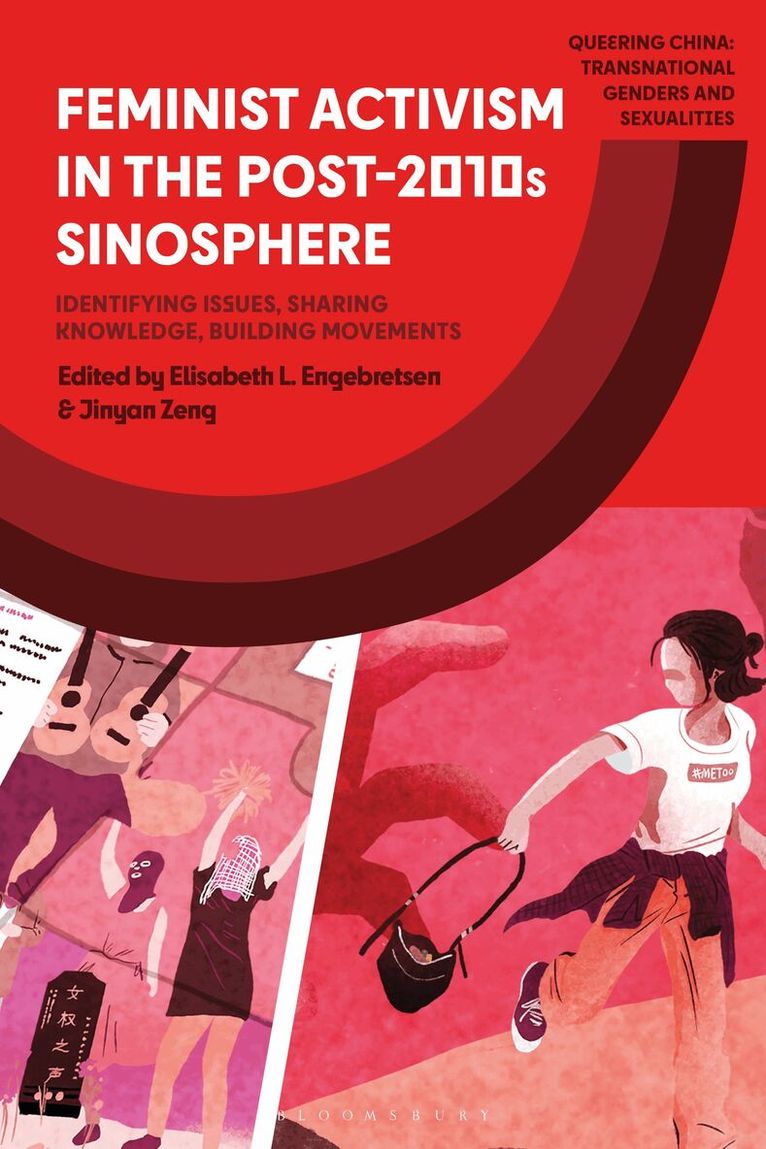
Feminist Activism in the Post-2010s Sinosphere
Identifying Issues, Sharing Knowledge, Building Movements
Av Elisabeth L. Engebretsen, Jinyan Zeng
Inbunden, 2024
1207 kr
Lägg i varukorg
Bringing together scholars and scholar-activists from a wide range of disciplines, this groundbreaking book delves into the diversity and vibrancy of feminist activism in Xi-era China.Feminist Activism in the Post-2010s Sinosphere examines a variety of urgent feminist issues in 21st-century China, …
Feminist Activism in the Post-2010s Sinosphere
Identifying Issues, Sharing Knowledge, Building Movements
Av Elisabeth L. Engebretsen, Jinyan Zeng
E-bok, 2024
452 kr
Lägg i varukorg
Bringing together scholars and scholar-activists from a wide range of disciplines, this groundbreaking book delves into the diversity and vibrancy of feminist activism in Xi-era China. Feminist Activism in the Post-2010s Sinosphere examines a variety of urgent feminist issues in 21st-century China, …
Feminist Activism in the Post-2010s Sinosphere
Identifying Issues, Sharing Knowledge, Building Movements
Av Elisabeth L. Engebretsen, Jinyan Zeng
E-bok, 2024
452 kr
Lägg i varukorg
Bringing together scholars and scholar-activists from a wide range of disciplines, this groundbreaking book delves into the diversity and vibrancy of feminist activism in Xi-era China. Feminist Activism in the Post-2010s Sinosphere examines a variety of urgent feminist issues in 21st-century China, …
Feminist Activism in the Post-2010s Sinosphere
Identifying Issues, Sharing Knowledge, Building Movements
Av Elisabeth L. Engebretsen, Jinyan Zeng
Häftad, 2026
416 kr
Lägg i varukorg
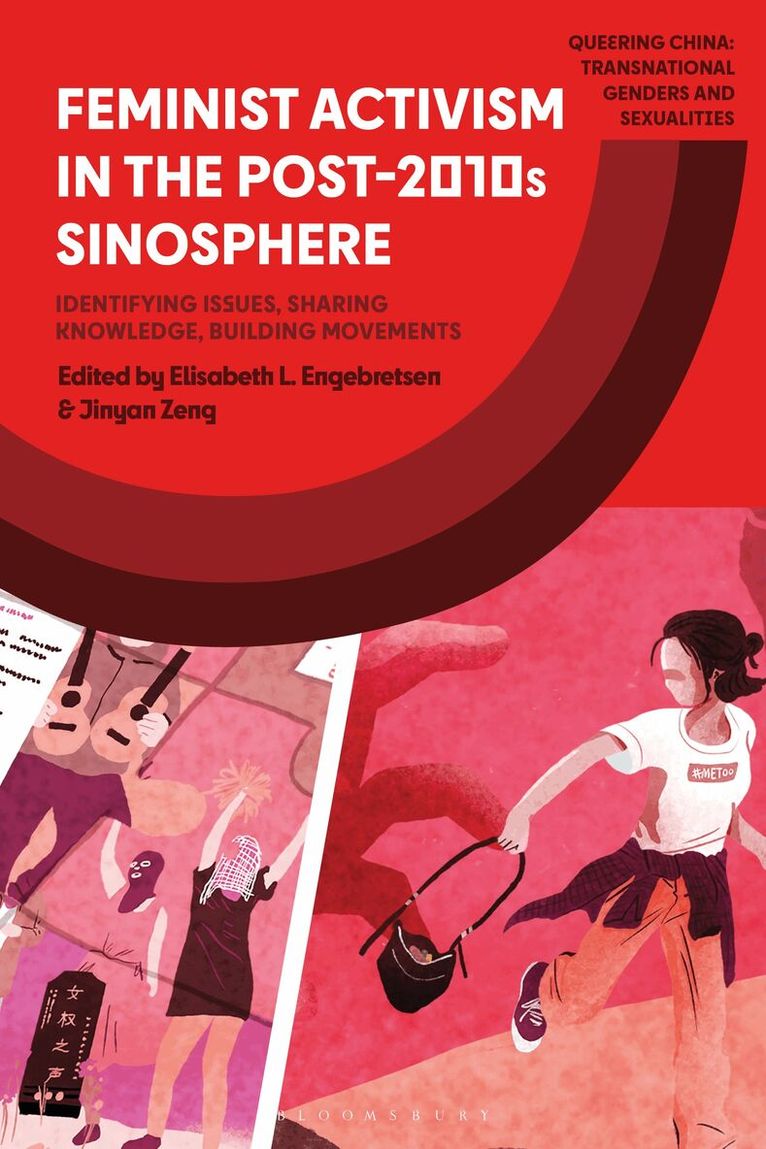
Bringing together scholars and scholar-activists from a wide range of disciplines, this groundbreaking book delves into the diversity and vibrancy of feminist activism in Xi-era China.Feminist Activism in the Post-2010s Sinosphere examines a variety of urgent feminist issues in 21st-century China, …
Structures of Affect
Gender and Political Culture in China
Av Jinyan Zeng, Xibai Xu m. fl.
Inbunden, 2027
1196 kr
Kommande
Examines the central role of affect and gender in shaping personality, community, nationhood and political discourse in contemporary China. Drawing on (auto)ethnography, interviews, films, podcasts, and cultural and artistic productions from the 2000s to 2025, this book demonstrates how …