Joan Coutu – författare
Visar alla böcker från författaren Joan Coutu. Handla med fri frakt och snabb leverans.
6 produkter
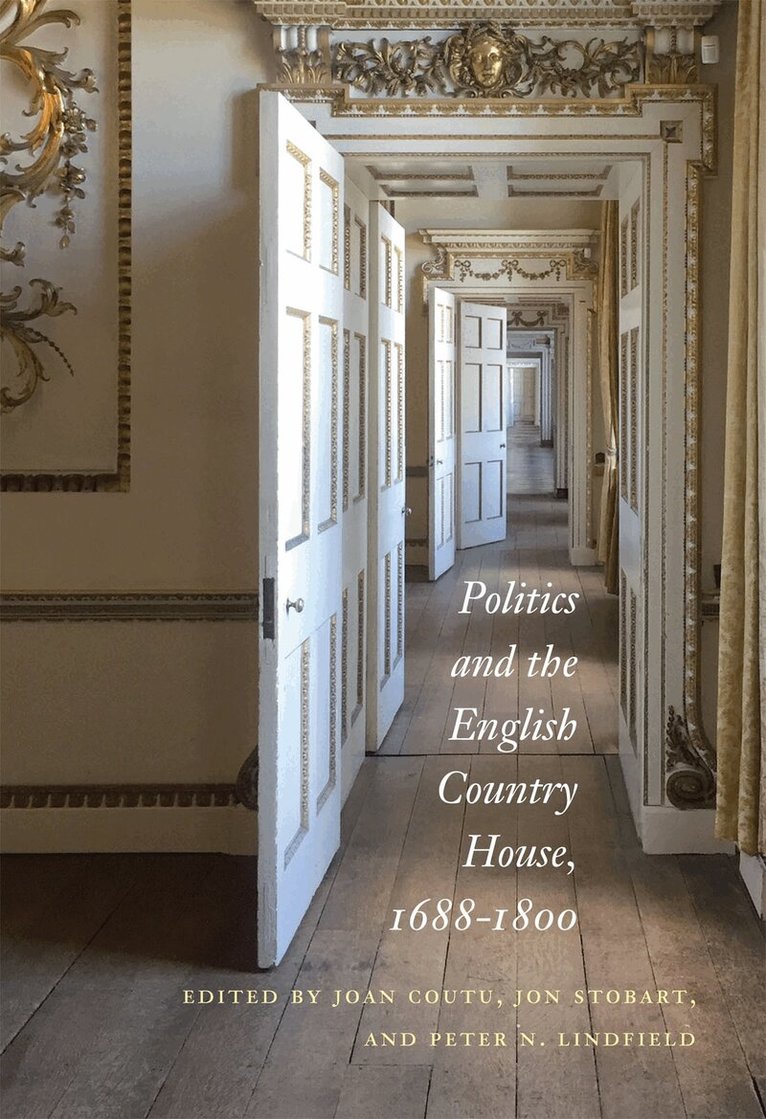
Politics and the English Country House, 1688–1800
Av Joan Coutu, Jon Stobart m. fl.
Inbunden, 2023
1103 kr
Lägg i varukorg
Politics has always been at the heart of the English country house, in its design and construction, as well as in the activities and experiences of those who lived in and visited these places. As Britain moved from an agrarian to an imperial economy over the course of the eighteenth century, the …
Politics and the English Country House, 1688-1800
Av Peter N. Lindfield, Jon Stobart m. fl.
E-bok, 2023
955 kr
Lägg i varukorg
Politics has always been at the heart of the English country house, in its design and construction, as well as in the activities and experiences of those who lived in and visited these places. As Britain moved from an agrarian to an imperial economy over the course of the eighteenth century, the …
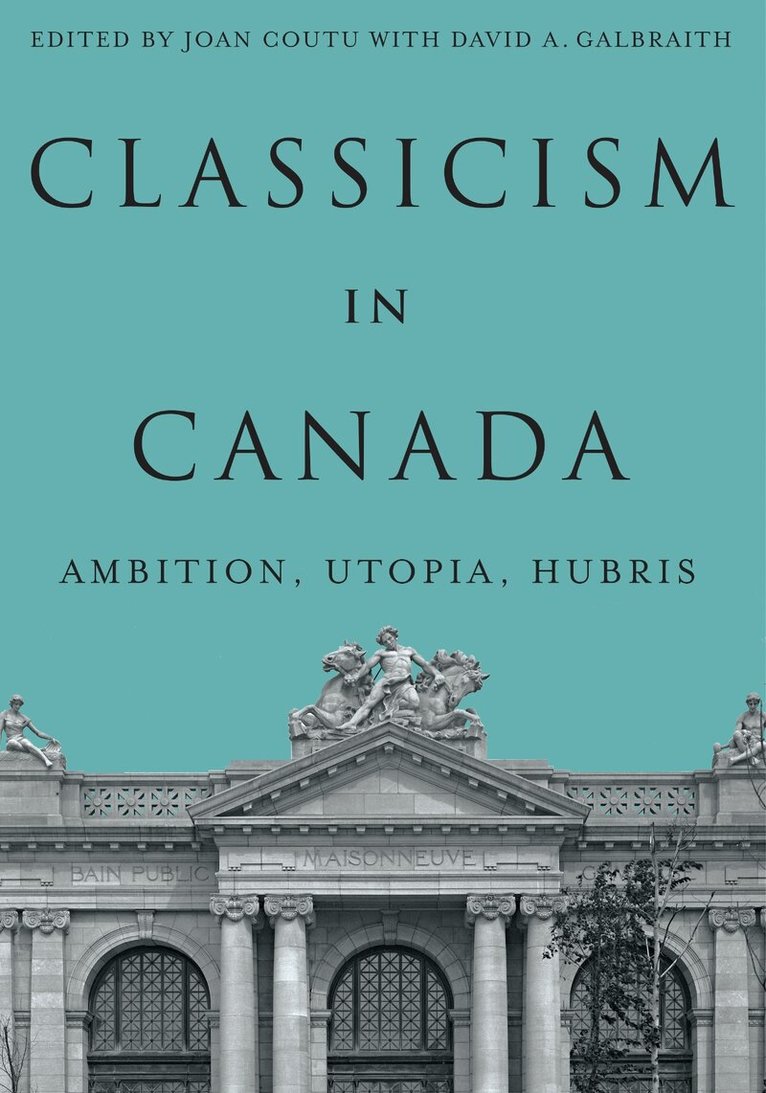
Classicism in Canada
Ambition, Utopia, Hubris
Av Joan Coutu, David A. Galbraith
Inbunden, 2026
1089 kr
Lägg i varukorg
The classical architectural and planning schemes conceived by Canada’s Anglo-settler elite in the early twentieth century embodied a prescriptive vision of power and grandeur for the country and its people on a scale almost unimaginable today. This provocative collection of essays examines the …
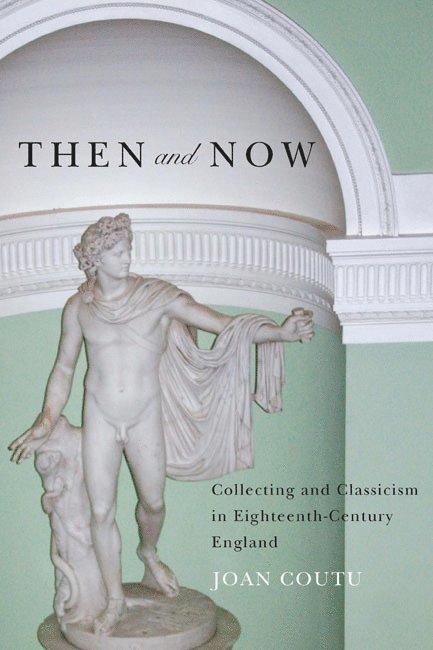
Then and Now
Collecting and Classicism in Eighteenth-Century England
Av Joan Coutu
Inbunden, 2015
1448 kr
Lägg i varukorg
In the mid-eighteenth century, English gentlemen filled their houses with copies and casts of classical statuary while the following generation preferred authentic antique originals. By charting this changing preference within a broader study of material culture, Joan Coutu examines the evolving …
Persuasion and Propaganda
Monuments and the Eighteenth-Century British Empire
Av Joan Coutu
E-bok, 2006
1072 kr
Lägg i varukorg
Lavishly illustrated, Persuasion and Propaganda is the first study of these works of art within the framework of colonial politics and political culture. While examining the rise of the idea of the public in the modern world, Joan Coutu also explores how "empire" was constantly being redefined. …
Then and Now
Collecting and Classicism in Eighteenth-Century England
Av Joan Coutu
E-bok, 2015
1102 kr
Lägg i varukorg
In the mid-eighteenth century, English gentlemen filled their houses with copies and casts of classical statuary while the following generation preferred authentic antique originals. By charting this changing preference within a broader study of material culture, Joan Coutu examines the evolving …