Joan Hawkins – Författare
Visar alla böcker från författaren Joan Hawkins. Handla med fri frakt och snabb leverans.
11 produkter
11 produkter
463 kr
Skickas inom 7-10 vardagar
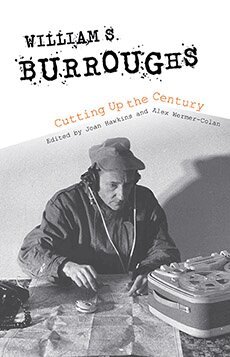
William S. Burroughs Cutting Up the Century is the definitive book on Burroughs' overarching cut-up project and its relevance to the American twentieth century. Burroughs's Nova Trilogy (The Soft Machine, Nova Express, and The Ticket That Exploded) remains the best-known of his textual cut-up creations, but he committed more than a decade of his life to searching out multimedia for use in works of collage. By cutting up, folding in, and splicing together newspapers, magazines, letters, book reviews, classical literature, audio recordings, photographs, and films, Burroughs created an eclectic and wide-ranging countercultural archive. This collection includes previously unpublished work by Burroughs such as cut-ups of work written by his son, cut-ups of critical responses to his own work, collages on the Vietnam War and the Watergate scandal, excerpts from his dream journals, and some of the few diary entries that Burroughs wrote about his wife, Joan.William S. Burroughs Cutting Up the Century also features original essays, interviews, and discussions by established Burroughs scholars, respected artists, and people who encountered Burroughs. The essays consider Burroughs from a range of starting points—literary studies, media studies, popular culture, gender studies, post-colonialism, history, and geography. Ultimately, the collection situates Burroughs as a central artist and thinker of his time and considers his insights on political and social problems that have become even more dire in ours.
1 131 kr
Kommande
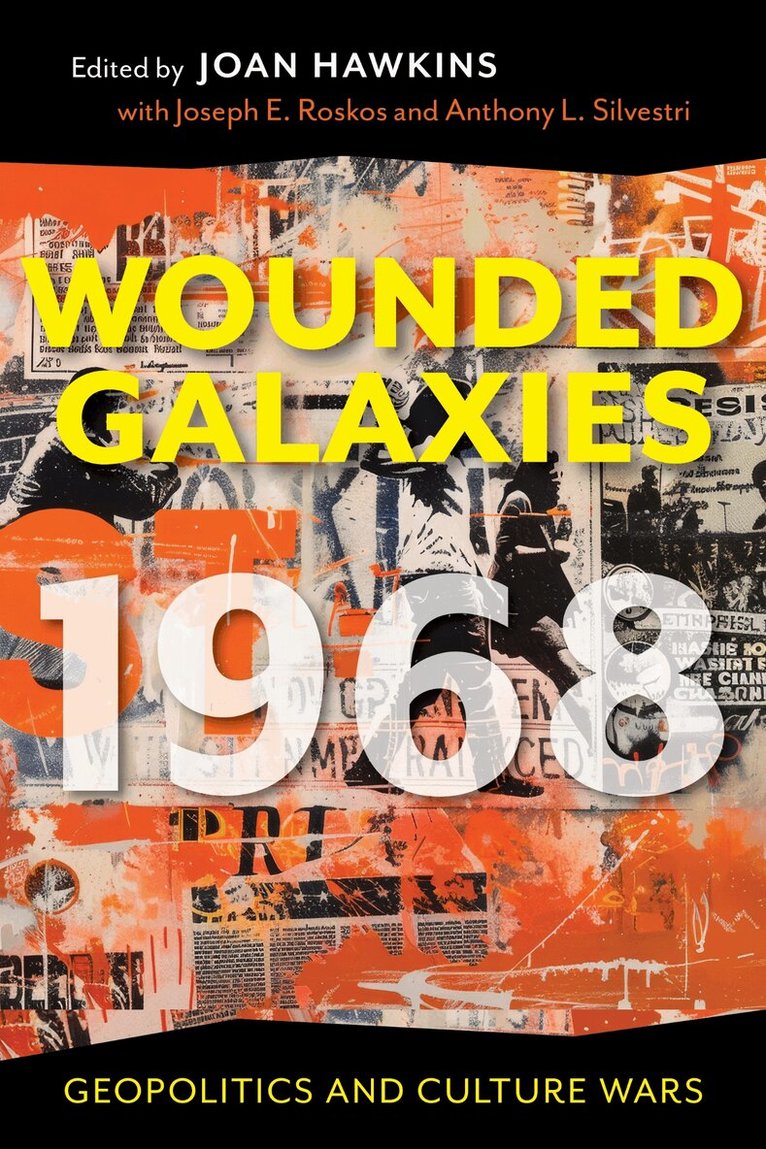
Wounded Galaxies 1968 examines the relationship between radical politics, radical aesthetics, radical culture, and the legacy of a watershed year for the world. Like the Surrealists before them, 1968's counterculture believed that changing the world (politics) and changing art (life, culture) were part of the same project.This year saw violent protests and uprisings, including those at the National Democratic Convention in Chicago; the Prague Spring and subsequent Warsaw Pact invasion of Czechoslovakia; the Tlatelolco massacre of students in Mexico City; France's Mai 1968; and further uprisings across Europe, Africa, Asia, and South America. The Vietnam War was nearing its peak with the Tet Offensive and the Mai Lai massacre; Martin Luther King Jr. and Robert Kennedy were assassinated. Yet it was also the year of Rosemary's Baby and the Beatles' White Album; Apollo 8 became the first crewed spacecraft to orbit the Moon; and the first International Special Olympics Summer Games were held at Chicago's Soldier Field. Combining original contemporary documents with scholarly essays and memoirs, Wounded Galaxies 1968 asks readers to consider the geopolitical alongside the cultural, inviting us to make some of the same intellectual and emotional connections that contemporaries did back then. An engaging cultural critique of a tumultuous year, Wounded Galaxies 1968 demonstrates that, while changing the world proved frustratingly difficult, changing life was largely successful with significant transformations across society, education, and the arts—changes whose impacts have continued to be felt in the United States and Western Europe well into the twenty-first century.
500 kr
Kommande
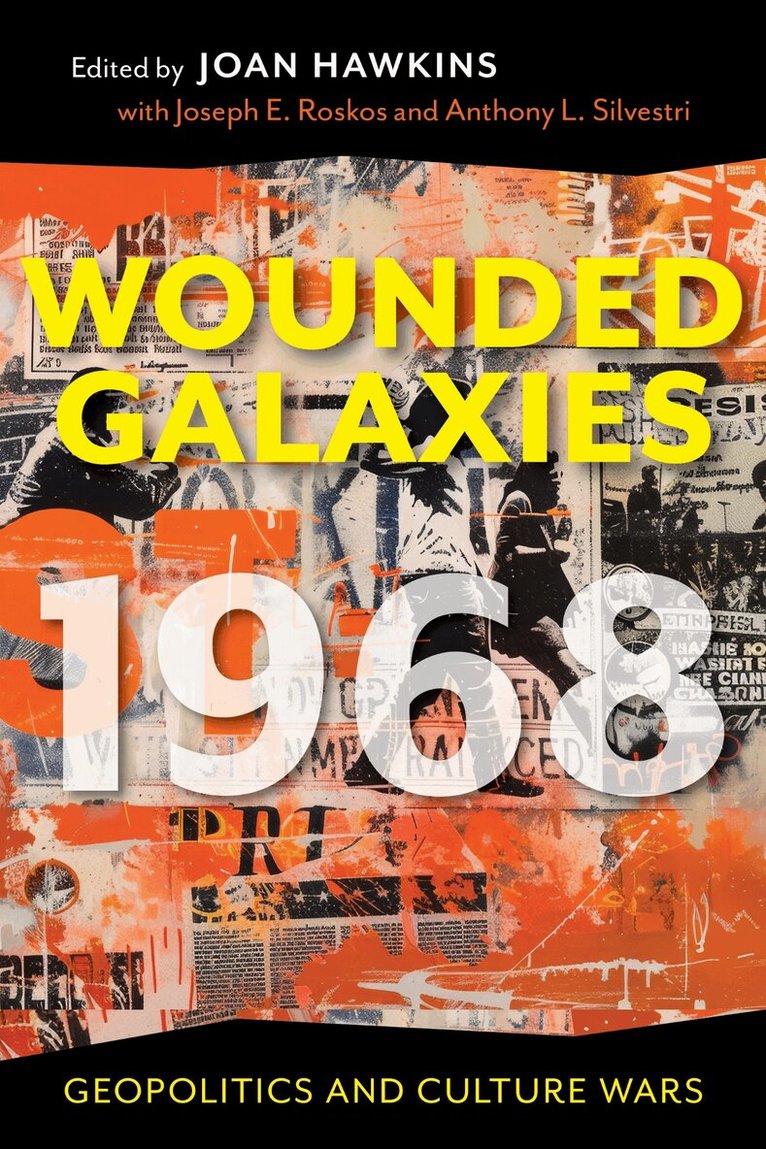
Wounded Galaxies 1968 examines the relationship between radical politics, radical aesthetics, radical culture, and the legacy of a watershed year for the world. Like the Surrealists before them, 1968's counterculture believed that changing the world (politics) and changing art (life, culture) were part of the same project.This year saw violent protests and uprisings, including those at the National Democratic Convention in Chicago; the Prague Spring and subsequent Warsaw Pact invasion of Czechoslovakia; the Tlatelolco massacre of students in Mexico City; France's Mai 1968; and further uprisings across Europe, Africa, Asia, and South America. The Vietnam War was nearing its peak with the Tet Offensive and the Mai Lai massacre; Martin Luther King Jr. and Robert Kennedy were assassinated. Yet it was also the year of Rosemary's Baby and the Beatles' White Album; Apollo 8 became the first crewed spacecraft to orbit the Moon; and the first International Special Olympics Summer Games were held at Chicago's Soldier Field. Combining original contemporary documents with scholarly essays and memoirs, Wounded Galaxies 1968 asks readers to consider the geopolitical alongside the cultural, inviting us to make some of the same intellectual and emotional connections that contemporaries did back then. An engaging cultural critique of a tumultuous year, Wounded Galaxies 1968 demonstrates that, while changing the world proved frustratingly difficult, changing life was largely successful with significant transformations across society, education, and the arts—changes whose impacts have continued to be felt in the United States and Western Europe well into the twenty-first century.
315 kr
Skickas inom 7-10 vardagar
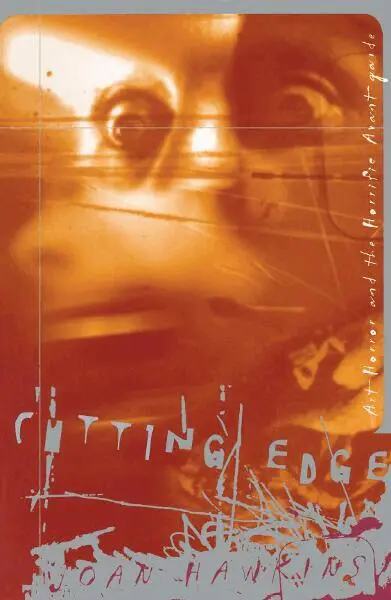
Explores what horror movies tell us about issues of taste.Even before Jean-Luc Godard and other members of the French New Wave championed Hollywood B movies, aesthetes and cineasts relished the raw emotions of genre films. This contradiction has been particularly true of horror cinema, in which the same images and themes found in exploitation and splatter movies are also found in avant-garde and experimental films, blurring boundaries of taste and calling into question traditional distinctions between high and low culture. In Cutting Edge, Joan Hawkins offers an original and provocative discussion of taste, trash aesthetics, and avant-garde culture of the 1960s and 1970s to reveal horror’s subversiveness as a genre. In her treatment of what she terms "art-horror" films, Hawkins examines home viewing, video collection catalogs, and fanzines for insights into what draws audiences to transgressive films. Cutting Edge provides the first extended political critique of Yoko Ono’s rarely seen Rape and shows how a film such as Franju’s Eyes without a Face can work simultaneously as an art, political, and splatter film. The rediscovery of Tod Browning’s Freaks as an art film, the "eurotrash" cinema of Jess Franco, camp cults like the one around Maria Montez, and the "cross-over" reception of Andy Warhol’s Frankenstein are all studied for what they reveal about cultural hierarchies. Looking at the low aspects of high culture and the high aspects of low culture, Hawkins scrutinizes the privilege habitually accorded "high" art-a tendency, she argues, that lets highbrow culture off the hook and removes it from the kinds of ethical and critical social discussions that have plagued horror and porn. Full of unexpected insights, Cutting Edge calls for a rethinking of high/low distinctions-and a reassigning of labels at the video store.
156 kr
Skickas inom 5-8 vardagar
156 kr
Skickas inom 5-8 vardagar
156 kr
Skickas inom 5-8 vardagar
386 kr
Skickas
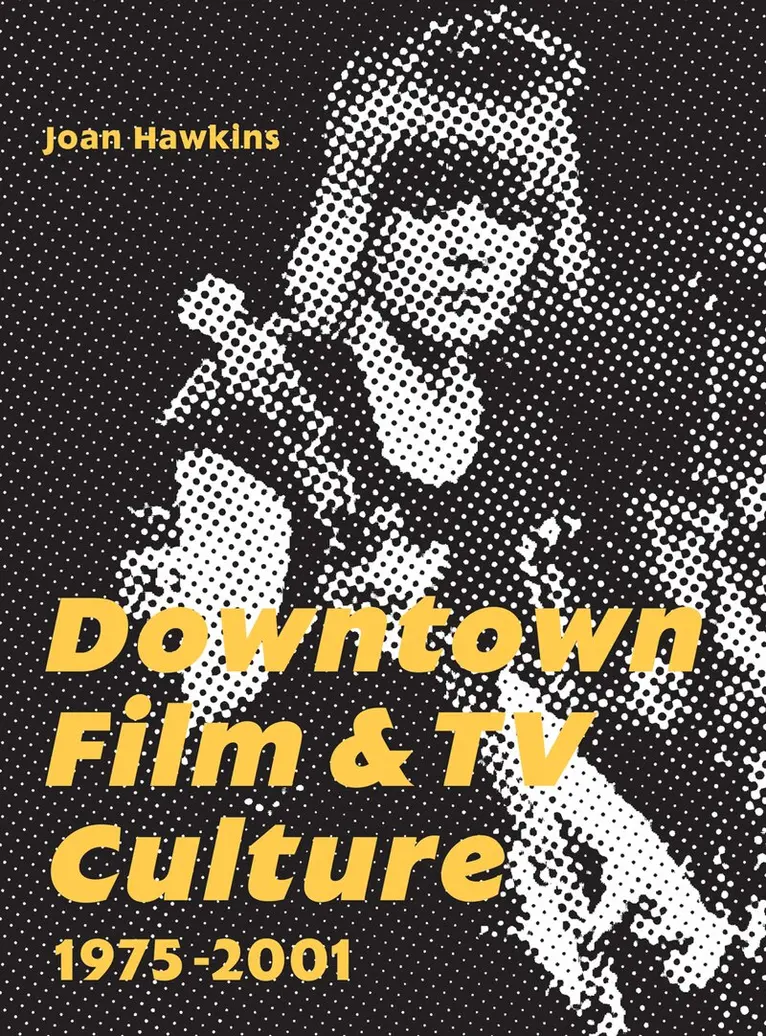
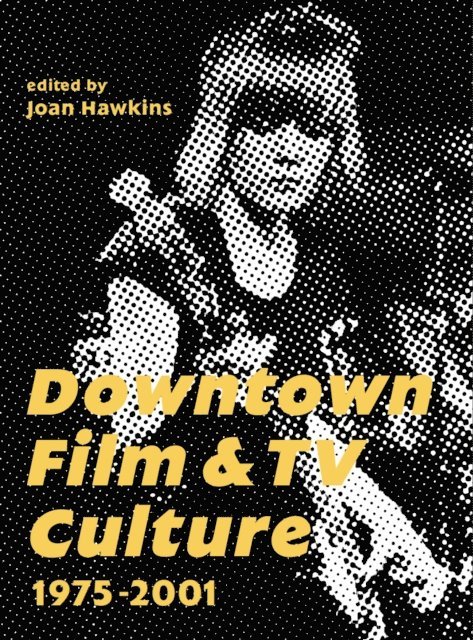
Downtown Film and TV Culture 1975–2001 brings together essays by filmmakers, exhibitors, cultural critics and scholars from multiple generations of the New York Downtown scene to illuminate individual films and filmmakers and explore the creation of a Downtown Canon, the impact of AIDS on younger filmmakers, community access to cable television broadcasts, and the impact of the historic downtown scene on contemporary experimental culture. The book includes J. Hoberman’s essay ‘No Wavelength: The Parapunk Underground’, as well as historical essays by Tony Conrad and Lynne Tillman, interviews with filmmakers Bette Gordon and Beth B, and essays by Ivan Kral and Nick Zedd.
188 kr
Skickas inom 5-8 vardagar
188 kr
Skickas inom 5-8 vardagar
156 kr
Skickas inom 5-8 vardagar