Joan Titus – författare
Visar alla böcker från författaren Joan Titus. Handla med fri frakt och snabb leverans.
6 produkter
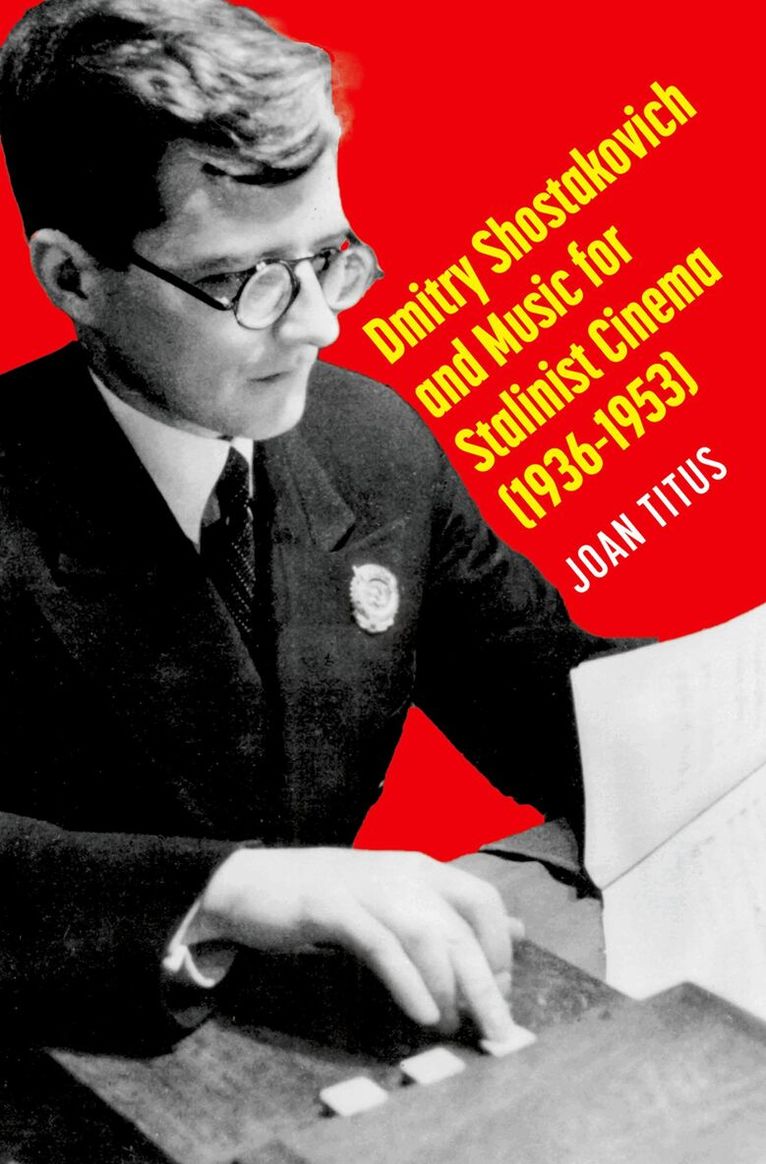
Dmitry Shostakovich and Music for Stalinist Cinema (1936-1953)
Av Joan Titus
Inbunden, 2025
984 kr
Lägg i varukorg
In her first volume, Joan Titus explored the early years of Dmitry Shostakovich's career as the first Russian musician to emerge as a composer for the Soviet cinema. In this second volume, Dmitry Shostakovich and Music for Stalinist Cinema (1936-1953), Titus explores Shostakovich's continued …
Dmitry Shostakovich and Music for Stalinist Cinema (1936-1953)
Av Joan Titus
E-bok, 2024
1001 kr
Lägg i varukorg
In her first volume, Joan Titus explored the early years of Dmitry Shostakovich''s career as the first Russian musician to emerge as a composer for the Soviet cinema. In this second volume, Dmitry Shostakovich and Music for Stalinist Cinema (1936-1953) , Titus explores Shostakovich''s continued …
Dmitry Shostakovich and Music for Stalinist Cinema (1936-1953)
Av Joan Titus
E-bok, 2024
1001 kr
Lägg i varukorg
In her first volume, Joan Titus explored the early years of Dmitry Shostakovich''s career as the first Russian musician to emerge as a composer for the Soviet cinema. In this second volume, Dmitry Shostakovich and Music for Stalinist Cinema (1936-1953) , Titus explores Shostakovich''s continued …
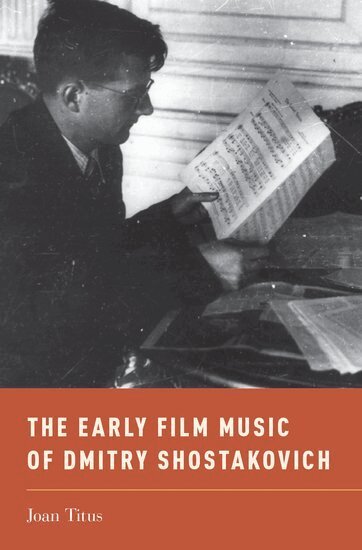
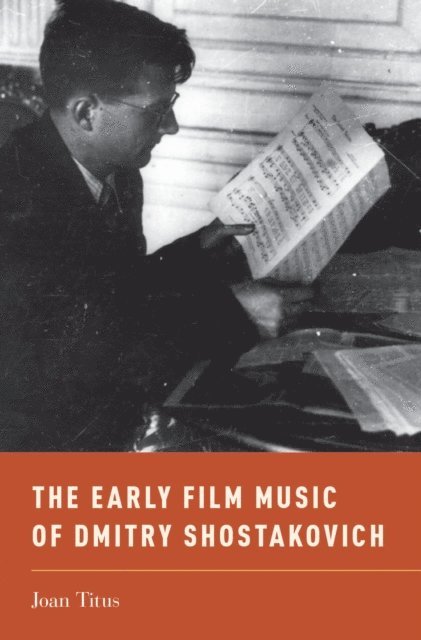
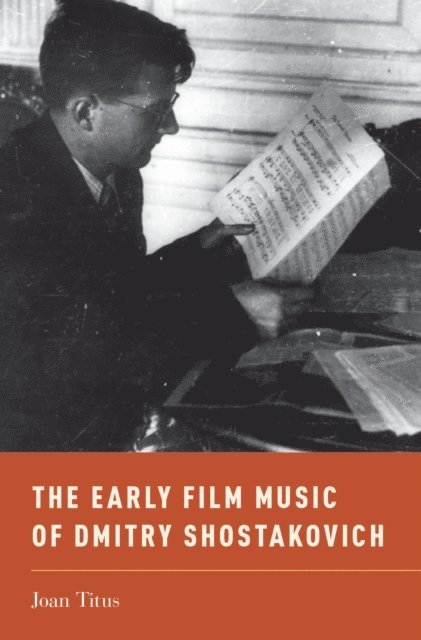
The Early Film Music of Dmitry Shostakovich
Av Joan Titus
Inbunden, 2016
1148 kr
Lägg i varukorg
In the late 1920s, Dmitry Shostakovich emerged as one of the first Soviet film composers. With his first score for the silent film the New Babylon (1929) and the many sound scores that followed, he was positioned to observe and participate in the changing politics of the film industry and negotiate …
Early Film Music of Dmitry Shostakovich
Av Joan Titus
E-bok, 2016
755 kr
Lägg i varukorg
In the late 1920s, Dmitry Shostakovich emerged as one of the first Soviet film composers. With his first score for the silent film New Babylon (1928-29) and the many sound scores that followed, he was situated to observe and participate in the changing politics of the film industry and negotiate …
Early Film Music of Dmitry Shostakovich
Av Joan Titus
E-bok, 2016
755 kr
Lägg i varukorg
In the late 1920s, Dmitry Shostakovich emerged as one of the first Soviet film composers. With his first score for the silent film New Babylon (1928-29) and the many sound scores that followed, he was situated to observe and participate in the changing politics of the film industry and negotiate …