Jody Joy - Böcker
Visar alla böcker från författaren Jody Joy. Handla med fri frakt och snabb leverans.
3 produkter
3 produkter
63 kr
Skickas inom 7-10 vardagar
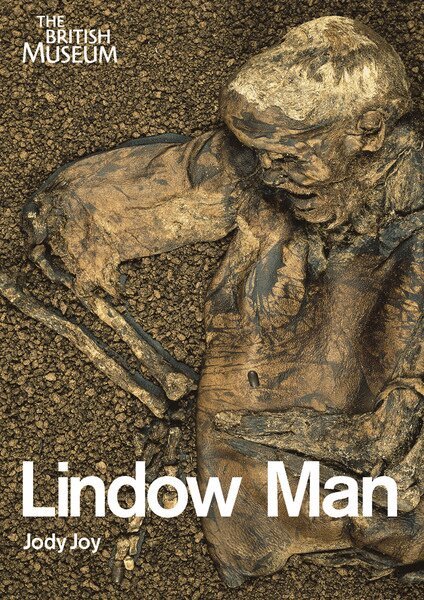
Lindow Man was accidentally discovered by peat-cutters in Cheshire in the 1980s. He was first thought to be a modern murder victim, but scientific investigations soon proved that he had died in the first century AD, around the time of the Roman conquest of Britain. The environment of the peat bog had kept his body in a remarkable state of preservation, and he is still providing a wealth of information to researchers about the diet and health of people at that time. Many theories have been put forward about his death. He was (apparently) struck on the head, strangled, and his throat was cut, before he went into the marsh. Does this literal overkill indicate that he was a sacrificial victim? Experts are still trying to understand exactly how he died. Other bog bodies have been found in Ireland and Scandinavia – what are the possible connections? Jody Joy tells the gripping and gruesome story of the discovery, examination and Lindow Man, and explores the many unanswered questions which remain.
550 kr
Skickas
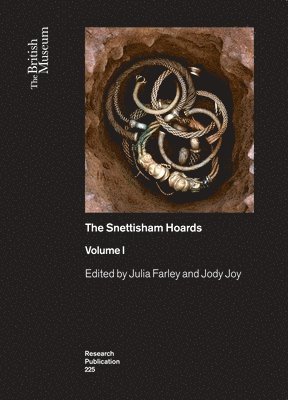
For over 60 years, spectacular discoveries have been made on a wooded hillside at Snettisham, overlooking the northwest Norfolk coast, close to Hunstanton. The location of the discoveries, at Ken Hill, is known as the ‘gold field’ because of the large number of gold and silver alloy neck-rings (‘torcs’) and coins recovered from the site. Known as the ‘Snettisham Treasure’, these objects represent one of the largest collections of prehistoric precious metal objects ever discovered, and one of the largest concentrations of Celtic art. The objects were found in at least 14 separate hoards buried between 150 BC and AD 100 – spanning the late Iron Age and early Roman periods, but with a peak of activity during the late Iron Age. The objects from Snettisham are widely known, but the site has never been fully published. This book is the first comprehensive account of the discoveries and excavations at the site and presents a full catalogue of the finds. The majority are in the British Museum, with a significant collection also held by Norwich Castle Museum. The book also presents the results of extensive scientific analysis, revealing new and exciting details about how torcs were manufactured. The final section places Snettisham in its wider social and landscape context. The authors argue that each hoard represents different collection and depositional histories. The repeated, yet varied, acts of deposition at the site were part of creating, negotiating and reinforcing social structures, as well as performing and creating social change.
765 kr
Skickas inom 5-8 vardagar