Joe McElhaney - Böcker
Visar alla böcker från författaren Joe McElhaney. Handla med fri frakt och snabb leverans.
7 produkter
7 produkter
245 kr
Skickas inom 7-10 vardagar
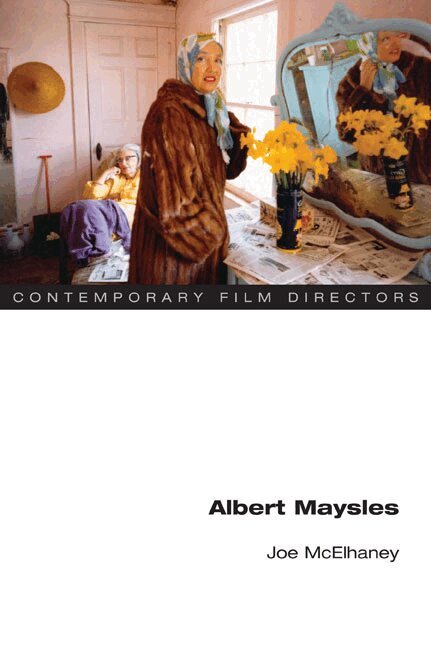
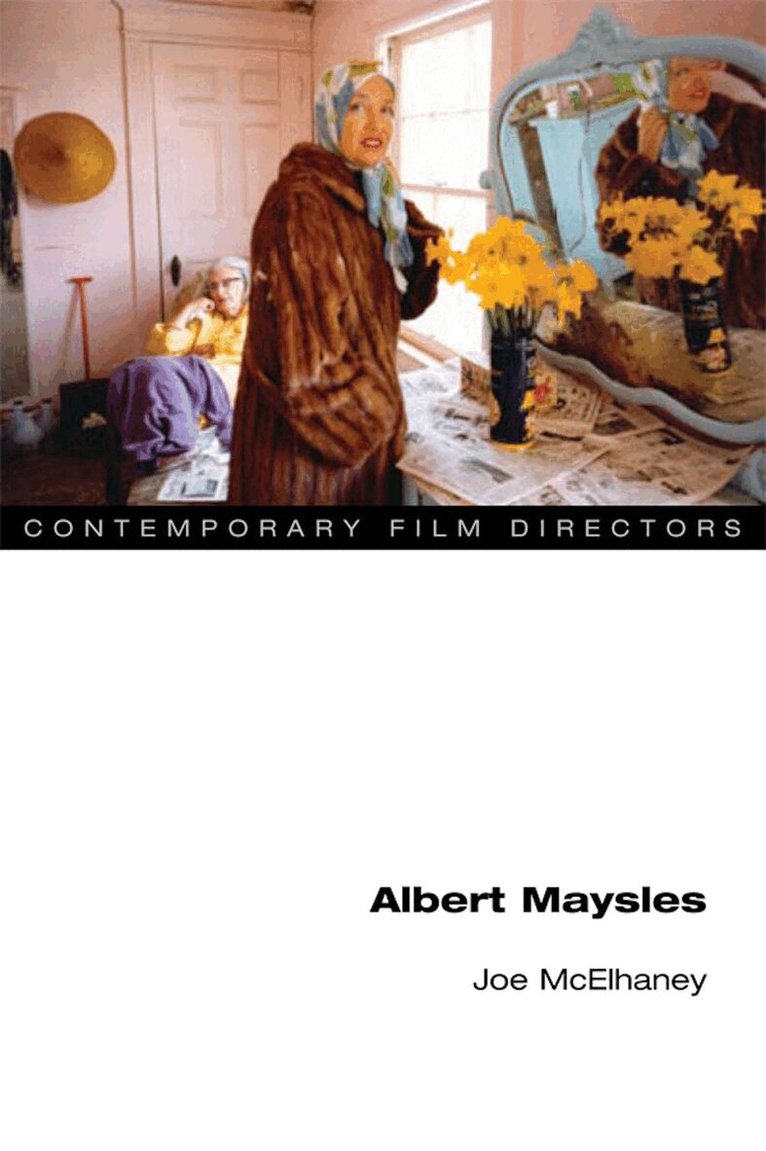
Albert Maysles has created some of the most influential documentaries of the postwar period. Such films as Salesman,Gimme Shelter, and Grey Gardens continue to generate intense debate about the ethics and aesthetics of the documentary form. In this in-depth study, Joe McElhaney offers a novel understanding of the historical relevance of Maysles. By closely focusing on Maysles's expressive use of his camera, particularly in relation to the filming of the human figure, this book situates Maysles's films within not only documentary film history but film history in general, arguing for their broad-ranging importance to both narrative film and documentary cinema. Complete with an engaging interview with Maysles and a detailed comparison of the variant releases of his documentary on the Beatles (What's Happening: The Beatles in the U.S.A. and The Beatles: The First U.S. Visit), this work is a pivotal study of a significant filmmaker.
2 342 kr
Skickas inom 7-10 vardagar
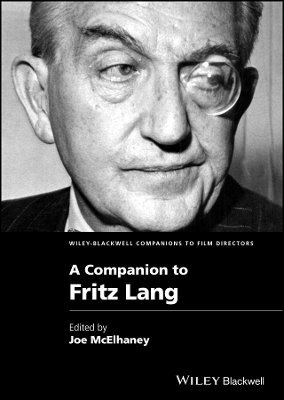
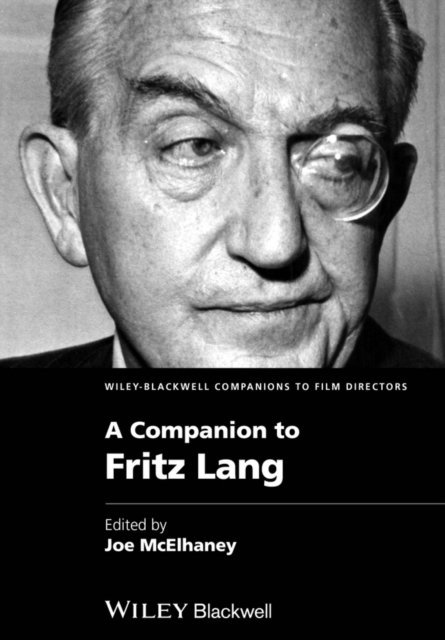
A Companion to Fritz Lang “Fritz Lang’s movie-making spans a major part of the history of cinema, across genres, styles, and national contexts. With smartness and sharpness, the essays in this essential volume come from many angles to capture the richness of Lang’s cinema and bring great insight to its study.”Dana Polan, Cinema Studies, NYU Fritz Lang’s influence on cinema cannot be overstated, with a career that stretched from the silent era in Germany to the decline of the Hollywood studio system in the late 1950s, from the Weimar Republic to Nazi Germany, from Depression America to the McCarthy era. One of the best known émigrés from Germany’s school of Expressionism, Lang is also credited with influencing the emergence of film noir. A Companion to Fritz Lang offers the first full-scale collection of scholarship available in English on one of the most important filmmakers of all time. Addressing much of Lang’s voluminous body of work, from Metropolis and M, to lesser-known titles such as Western Union and Clash by Night, this volume offers a superb overview of Lang’s cinema with revealing insights into his enduring influence on directors such as Godard, Scorsese, Chabrol, and Tarantino. The two dozen essays presented here are an unrivaled and up-to-the-minute assessment of the prolific and resilient life and vision of one of cinema’s greatest auteurs.
1 186 kr
Tillfälligt slut
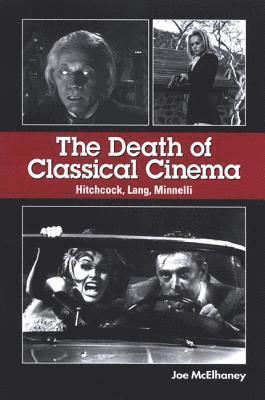
A study of three classical filmmakers and the films they made at the cusp of the modernist movement in cinema.The Death of Classical Cinema uncovers the extremely rich yet insufficiently explored dialogue between classical and modernist cinema, examining the work of three classical filmmakers-Alfred Hitchcock, Fritz Lang, and Vincente Minnelli-and the films they made during the decline of the traditional Hollywood studio system. Faced with the significant challenges posed by alternative art cinema and modernist filmmaking practices in the early 1960s, these directors responded with films that were self-conscious attempts at keeping pace with the developments in film modernism. These films-Lang's The Thousand Eyes of Dr. Mabuse, Hitchcock's Marnie, and Minnelli's Two Weeks in Another Town-were widely regarded as failures at the time and bolstered critics' claims concerning the irrelevance of their directors in relation to contemporary filmmaking. However, author Joe McElhaney sheds new light on these films by situating them in relation to such acclaimed modernist works of the period as Godard's Contempt, Fellini's La dolce vita, Antonioni's Red Desert, and Resnais's Last Year at Marienbad. He finds that these modernist films, rather than being diametrically opposed in form to the work of Hitchcock, Lang, and Minnelli, are in fact profoundly linked to them.
420 kr
Tillfälligt slut
A study of three classical filmmakers and the films they made at the cusp of the modernist movement in cinema.The Death of Classical Cinema uncovers the extremely rich yet insufficiently explored dialogue between classical and modernist cinema, examining the work of three classical filmmakers-Alfred Hitchcock, Fritz Lang, and Vincente Minnelli-and the films they made during the decline of the traditional Hollywood studio system. Faced with the significant challenges posed by alternative art cinema and modernist filmmaking practices in the early 1960s, these directors responded with films that were self-conscious attempts at keeping pace with the developments in film modernism. These films-Lang's The Thousand Eyes of Dr. Mabuse, Hitchcock's Marnie, and Minnelli's Two Weeks in Another Town-were widely regarded as failures at the time and bolstered critics' claims concerning the irrelevance of their directors in relation to contemporary filmmaking. However, author Joe McElhaney sheds new light on these films by situating them in relation to such acclaimed modernist works of the period as Godard's Contempt, Fellini's La dolce vita, Antonioni's Red Desert, and Resnais's Last Year at Marienbad. He finds that these modernist films, rather than being diametrically opposed in form to the work of Hitchcock, Lang, and Minnelli, are in fact profoundly linked to them.
390 kr
Skickas inom 10-15 vardagar
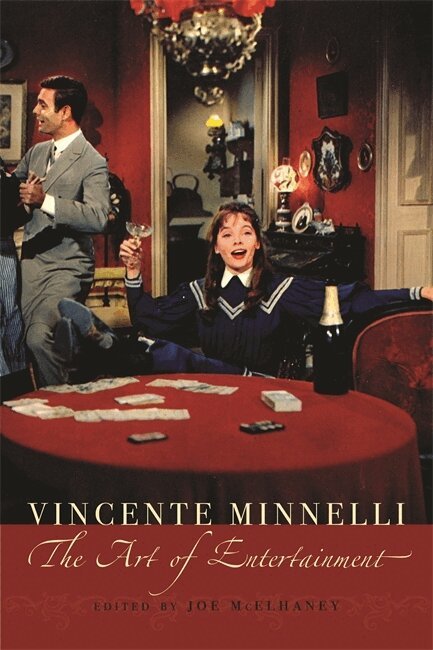
This book offers a comprehensive scholarly examination of Vincente Minnelli, one of American cinema's central filmmakers.Widely known for innovative films like ""Meet Me in St. Louis"", ""An American in Paris"", and ""The Band Wagon"", Vincente Minnelli also directed classic film comedies like ""Father of the Bride"" and ""Designing Woman"", and melodramas such as ""The Bad and the Beautiful"" and ""Some Came Running"". Though his work is beloved by filmmakers and audiences alike, Minnelli has nonetheless received very little critical attention in English. ""Vincente Minnelli: The Art of Entertainment"" remedies this imbalance, offering the first-ever comprehensive and scholarly examination of Minnelli's career within a variety of discourses and methods.Bringing together a number of previously uncollected and untranslated essays by some of the most important scholars and critics in North America, Australia, and Europe, ""Vincente Minnelli: The Art of Entertainment"" places Minnelli's cinema in its rightful position at the forefront of film history. In essays written over the last five decades, as well as a number of new essays commissioned especially for this volume, contributors consider Minnelli from a number of perspectives from auteurism to genre studies and psychoanalysis to close textual analysis.The volume is divided into four chronological sections, Minnelli in the 1960s: The Rise and Fall of an Auteur; The 1970s and 1980s: Genre, Psychoanalysis, and Close Readings; The 1990s: Matters of History, Culture, and Sexuality; and, Minnelli Today: The Return of the Artist. An introduction by Joe McElhaney addresses the history of the reception of Minnelli's films, situating this reception within larger questions of film theory, criticism, and aesthetics.Too often dismissed as little more than a stylist dependent on the resources of the studio system and the structures of genre, Vincente Minnelli deserves a second look from serious film scholars. ""Vincente Minnelli: The Art of Entertainment"" demonstrates the remarkable and sustained rigor of Minnelli's vision and will appeal to students and teachers of film studies as well as fans of Minnelli's work.
379 kr
Skickas inom 10-15 vardagar
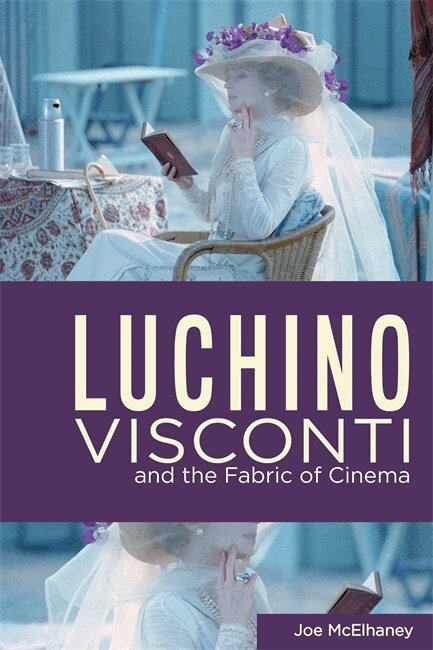
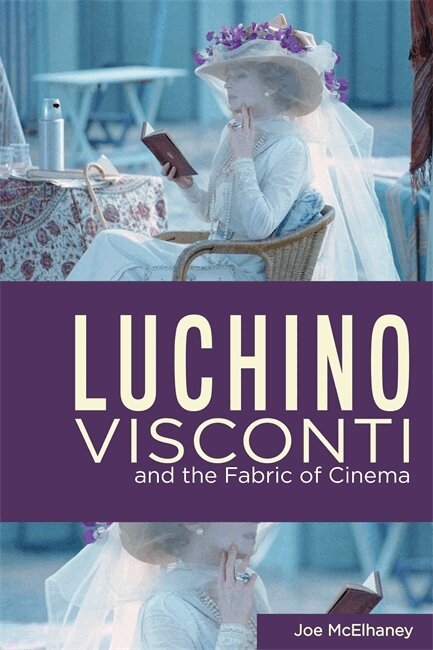
In Luchino Visconti and the Fabric of Cinema, Joe McElhaney situates Visconti's films as privileged and deeply expressive instances of a trope that McElhaney identifies as the ""cinema of fabric"": a reoccurrence in film in which textiles-clothing, curtains, tablecloths, bedsheets-determine the filming process. An Italian neorealist, Visconti emerges out of a movement immediately following WWII wherein fabric assumes crucial functions, yet Visconti's use of fabric surpasses his colleagues in many ways, including its fluid, multifaceted articulations of space and time. Visconti's homosexuality is central to this theory in that it assumes metaphoric potential in addressing ""forbidden"" sexual desires that are made visible in the films. Visconti's cinema of fabric gives voice to desires not simply for human bodies draped in fabric but also for entire environments, a world of the senses in which fabric becomes a crucial method for giving form to such desires. McElhaney examines Visconti's neorealist origins in Ossessione, La terra trema, and Rocco and His Brothers, particularly through fabric's function within literary realism and naturalism. Neorealist revisionism through the extravagant drapings of the diva film is examined in Bellissima and Senso whereas White Nights and The Stranger are examined for the theatricalizing through fabric of their literary sources. Visconti's interest in German culture vis-?á-vis The Damned, Death in Venice, and Ludwig, is articulated through a complex intertwining of fabric, aesthetics, politics, and transgressive sexual desire. Finally, Visconti's final two films, Conversation Piece and The Innocent, assess through fabric both the origins of Italian fascism and the political tensions contemporaneous with the films' productions. Fabric in Visconti is often tied to the aesthetic impulse itself in a world of visionaries attempting to dominate their surrounding environments and where a single piece of fabric may come to represent the raw material for creation. This book will tantalize any reader with a keen eye and strong interest in film and queer studies.
1 053 kr
Skickas inom 10-15 vardagar
In Luchino Visconti and the Fabric of Cinema, Joe McElhaney situates Visconti's films as privileged and deeply expressive instances of a trope that McElhaney identifies as the ""cinema of fabric"": a reoccurrence in film in which textiles-clothing, curtains, tablecloths, bedsheets-determine the filming process. An Italian neorealist, Visconti emerges out of a movement immediately following WWII wherein fabric assumes crucial functions, yet Visconti's use of fabric surpasses his colleagues in many ways, including its fluid, multifaceted articulations of space and time. Visconti's homosexuality is central to this theory in that it assumes metaphoric potential in addressing ""forbidden"" sexual desires that are made visible in the films. Visconti's cinema of fabric gives voice to desires not simply for human bodies draped in fabric but also for entire environments, a world of the senses in which fabric becomes a crucial method for giving form to such desires. McElhaney examines Visconti's neorealist origins in Ossessione, La terra trema, and Rocco and His Brothers, particularly through fabric's function within literary realism and naturalism. Neorealist revisionism through the extravagant drapings of the diva film is examined in Bellissima and Senso whereas White Nights and The Stranger are examined for the theatricalizing through fabric of their literary sources. Visconti's interest in German culture vis-?á-vis The Damned, Death in Venice, and Ludwig, is articulated through a complex intertwining of fabric, aesthetics, politics, and transgressive sexual desire. Finally, Visconti's final two films, Conversation Piece and The Innocent, assess through fabric both the origins of Italian fascism and the political tensions contemporaneous with the films' productions. Fabric in Visconti is often tied to the aesthetic impulse itself in a world of visionaries attempting to dominate their surrounding environments and where a single piece of fabric may come to represent the raw material for creation. This book will tantalize any reader with a keen eye and strong interest in film and queer studies.