Joel Michael Reynolds - Böcker
Visar alla böcker från författaren Joel Michael Reynolds. Handla med fri frakt och snabb leverans.
8 produkter
8 produkter
1 208 kr
Skickas inom 7-10 vardagar
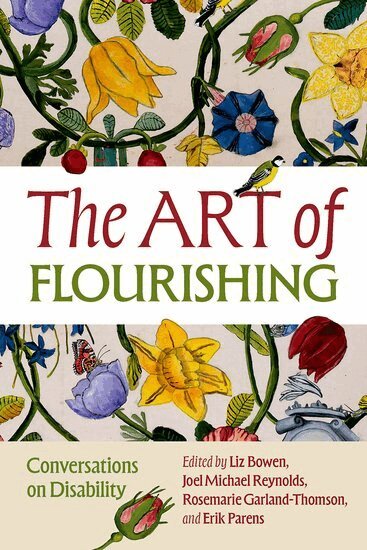
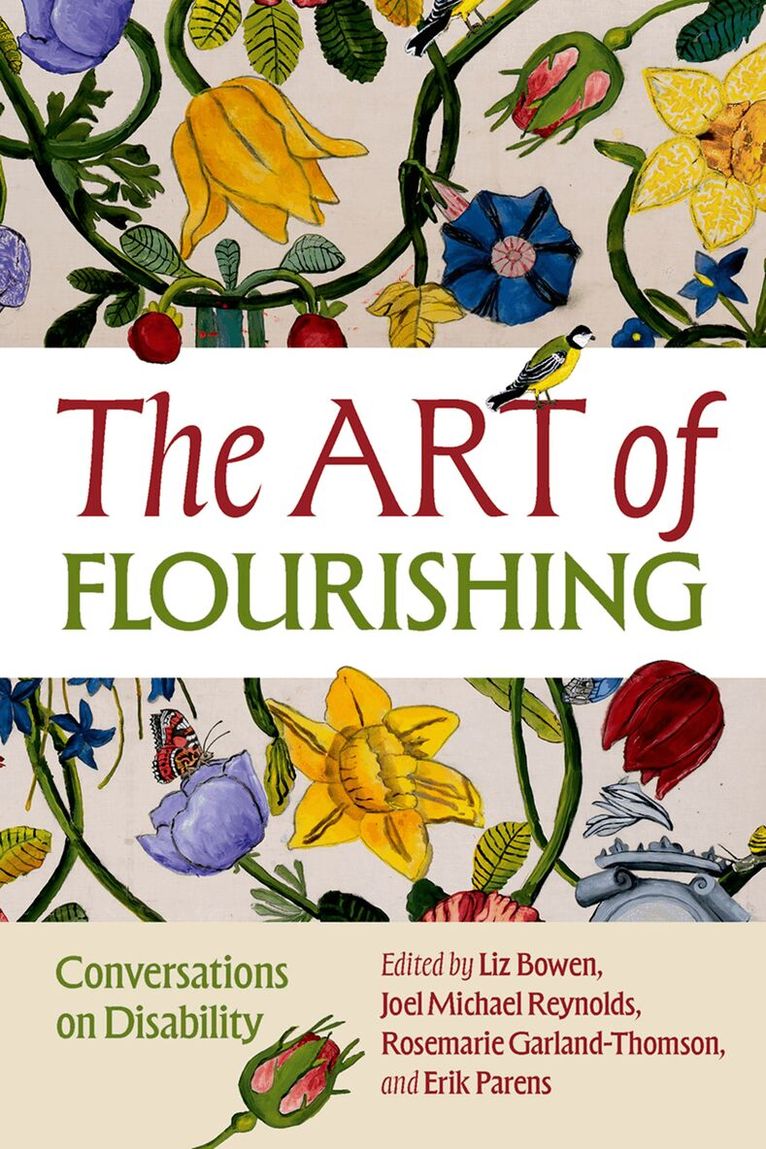
Disabled people are experts in innovation and adaptation, experts in building networks of support and knowledge sharing, and experts in navigating a world that is not built for them. This expertise is not a niche form of knowledge, but one that speaks to a fundamental question about how we should live together--and even thrive together--amid the vast landscape of human difference. In pieces discussing everything from moving with guide dogs to hiking on wheels to nurturing chosen family, The Art of Flourishing offers a window into the innumerable and varied ways scholars, artists, writers, and thought leaders with disabilities understand what it means to "flourish."For some, it means contesting the medical establishment's narratives of technological salvation that attempt to "fix" people who don't need fixing. For others, it means cultivating interdependent networks of artistic collaboration, or it means having agency in choosing how one appears in and navigates public space. Based on a series of public talks hosted by The Hastings Center, a bioethics research institute, and funded by the National Endowment for the Humanities, this volume demonstrates the incredible range of priorities, practices, and possibilities that characterize disabled experience. It also invites both scholarly and public audiences to imagine what it would take to build a world in which everyone gets to exercise their own capacities in ways they find meaningful.
189 kr
Skickas inom 5-8 vardagar
Disabled people are experts in innovation and adaptation, experts in building networks of support and knowledge sharing, and experts in navigating a world that is not built for them. This expertise is not a niche form of knowledge, but one that speaks to a fundamental question about how we should live together--and even thrive together--amid the vast landscape of human difference. In pieces discussing everything from moving with guide dogs to hiking on wheels to nurturing chosen family, The Art of Flourishing offers a window into the innumerable and varied ways scholars, artists, writers, and thought leaders with disabilities understand what it means to "flourish."For some, it means contesting the medical establishment's narratives of technological salvation that attempt to "fix" people who don't need fixing. For others, it means cultivating interdependent networks of artistic collaboration, or it means having agency in choosing how one appears in and navigates public space. Based on a series of public talks hosted by The Hastings Center, a bioethics research institute, and funded by the National Endowment for the Humanities, this volume demonstrates the incredible range of priorities, practices, and possibilities that characterize disabled experience. It also invites both scholarly and public audiences to imagine what it would take to build a world in which everyone gets to exercise their own capacities in ways they find meaningful.
1 895 kr
Skickas inom 10-15 vardagar
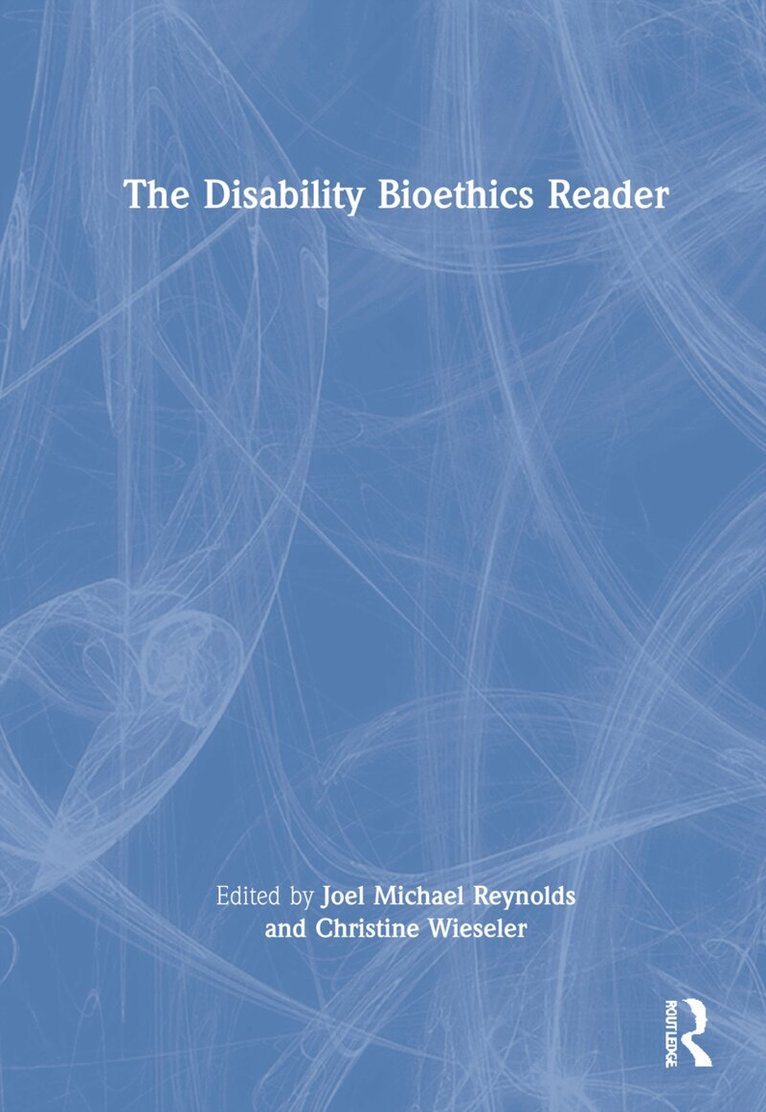
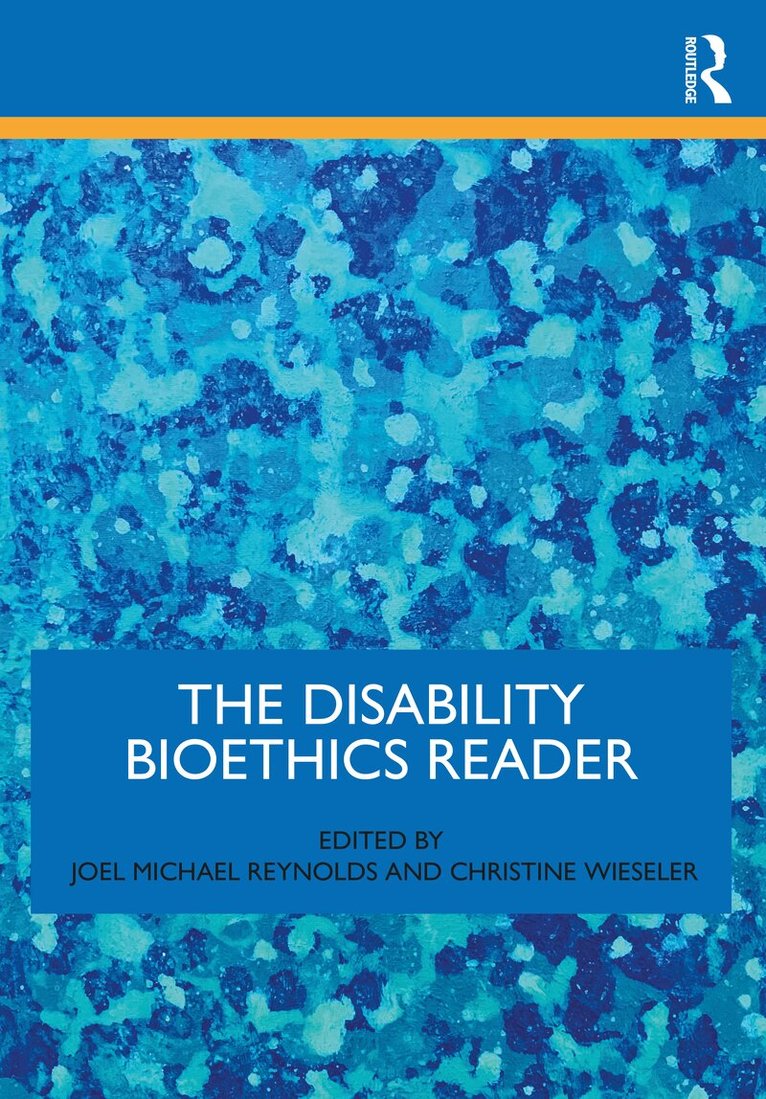
The Disability Bioethics Reader is the first introduction to the field of bioethics presented through the lens of critical disability studies and the philosophy of disability.Introductory and advanced textbooks in bioethics focus almost entirely on issues that disproportionately affect disabled people and that centrally deal with becoming or being disabled. However, such textbooks typically omit critical philosophical reflection on disability. Directly addressing this omission, this volume includes 36 chapters, most appearing here for the first time, that cover key areas pertaining to disability bioethics, such as: state-of-the-field analyses of modern medicine, bioethics, and disability theoryhealth, disease, and the philosophy of medicineissues at the edge- and end-of-life, including physician-aid-in-dying, brain death, and minimally conscious statesenhancement and biomedical technologyinvisible disabilities, chronic pain, and chronic illnessimplicit bias and epistemic injustice in health caredisability, quality of life, and well-beingrace, disability, and healthcare justiceconnections between disability theory and aging, trans, and fat studiesprenatal testing, abortion, and reproductive justice. The Disability Bioethics Reader, unlike traditional bioethics textbooks, also engages with decades of empirical and theoretical scholarship in disability studies—scholarship that spans the social sciences and humanities—and gives serious consideration to the history of disability activism.
715 kr
Skickas inom 10-15 vardagar
The Disability Bioethics Reader is the first introduction to the field of bioethics presented through the lens of critical disability studies and the philosophy of disability.Introductory and advanced textbooks in bioethics focus almost entirely on issues that disproportionately affect disabled people and that centrally deal with becoming or being disabled. However, such textbooks typically omit critical philosophical reflection on disability. Directly addressing this omission, this volume includes 36 chapters, most appearing here for the first time, that cover key areas pertaining to disability bioethics, such as: state-of-the-field analyses of modern medicine, bioethics, and disability theoryhealth, disease, and the philosophy of medicineissues at the edge- and end-of-life, including physician-aid-in-dying, brain death, and minimally conscious statesenhancement and biomedical technologyinvisible disabilities, chronic pain, and chronic illnessimplicit bias and epistemic injustice in health caredisability, quality of life, and well-beingrace, disability, and healthcare justiceconnections between disability theory and aging, trans, and fat studiesprenatal testing, abortion, and reproductive justice. The Disability Bioethics Reader, unlike traditional bioethics textbooks, also engages with decades of empirical and theoretical scholarship in disability studies—scholarship that spans the social sciences and humanities—and gives serious consideration to the history of disability activism.
538 kr
Skickas inom 10-15 vardagar
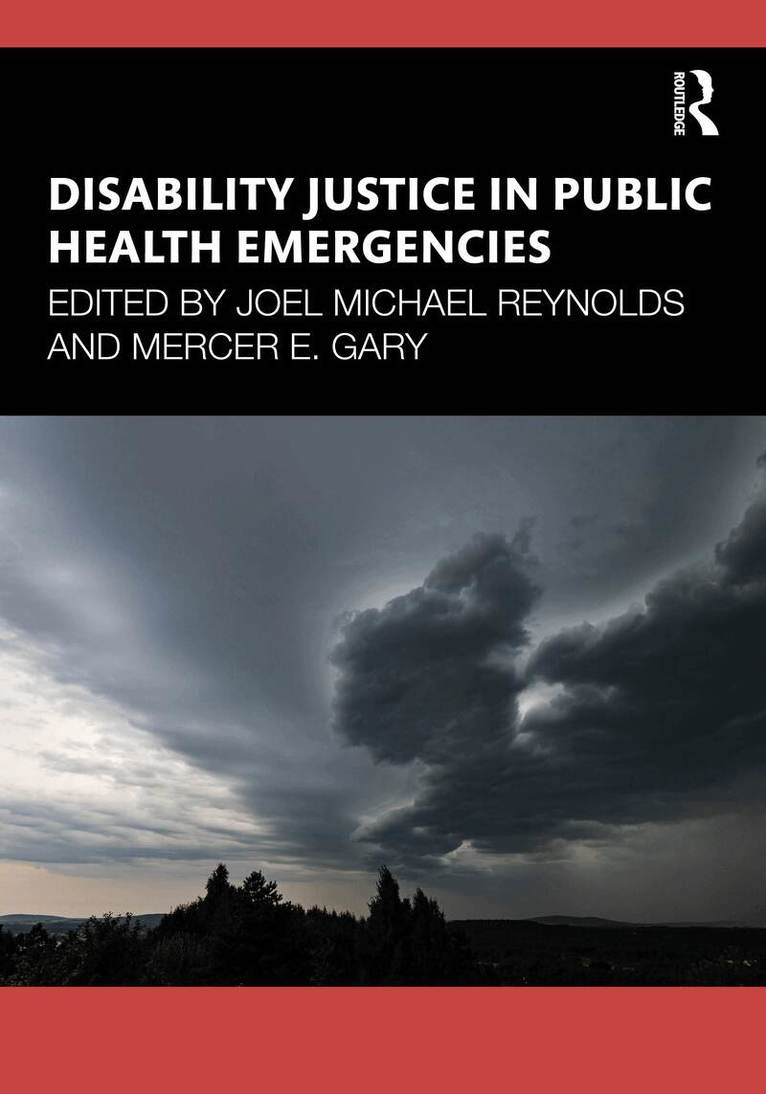
Disability Justice in Public Health Emergencies is the first book to highlight contributions from critical disability scholarship to the fields of public health ethics and disaster ethics. It takes up such contributions with the aim of charting a path forward for clinicians, bioethicists, public health experts, and anyone involved in emergency planning to better care for disabled people—and thereby for all people—in the future. Across 11 chapters, the contributors detail how existing public health emergency responses have failed and still fail to address the multi-faceted needs of disabled people. They analyze complications in the context of epidemic and pandemic disease and emphasize that vulnerabilities imposed upon disabled people track and foster patterns of racial and class domination.The central claim of the volume is that the ethical and political insights of disability theory and activism provide key resources for equitable disaster planning for all. The volume builds upon the existing efforts of disability communities to articulate emergency planning priorities and response measures that take into account the large body of qualitative and quantitative research on disabled people’s health, needs, and experiences. It is only by listening to disabled people’s voices that we will all fare better in future public health emergencies.The book will be of interest to scholars and graduate students working in bioethics, disability studies, public health policy, medical sociology, and the medical humanities.
1 963 kr
Skickas inom 10-15 vardagar
Disability Justice in Public Health Emergencies is the first book to highlight contributions from critical disability scholarship to the fields of public health ethics and disaster ethics. It takes up such contributions with the aim of charting a path forward for clinicians, bioethicists, public health experts, and anyone involved in emergency planning to better care for disabled people—and thereby for all people—in the future. Across 11 chapters, the contributors detail how existing public health emergency responses have failed and still fail to address the multi-faceted needs of disabled people. They analyze complications in the context of epidemic and pandemic disease and emphasize that vulnerabilities imposed upon disabled people track and foster patterns of racial and class domination.The central claim of the volume is that the ethical and political insights of disability theory and activism provide key resources for equitable disaster planning for all. The volume builds upon the existing efforts of disability communities to articulate emergency planning priorities and response measures that take into account the large body of qualitative and quantitative research on disabled people’s health, needs, and experiences. It is only by listening to disabled people’s voices that we will all fare better in future public health emergencies.The book will be of interest to scholars and graduate students working in bioethics, disability studies, public health policy, medical sociology, and the medical humanities.
999 kr
Skickas inom 10-15 vardagar
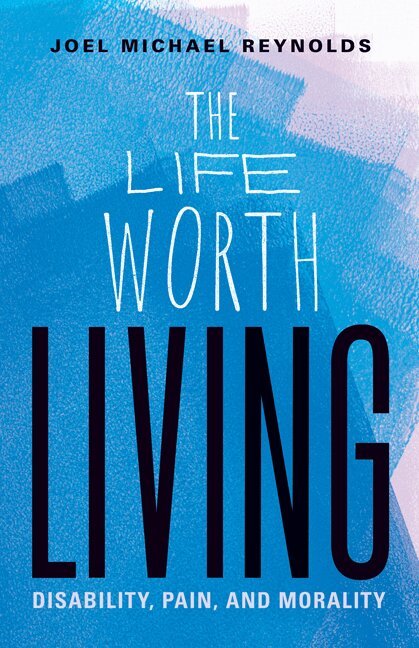
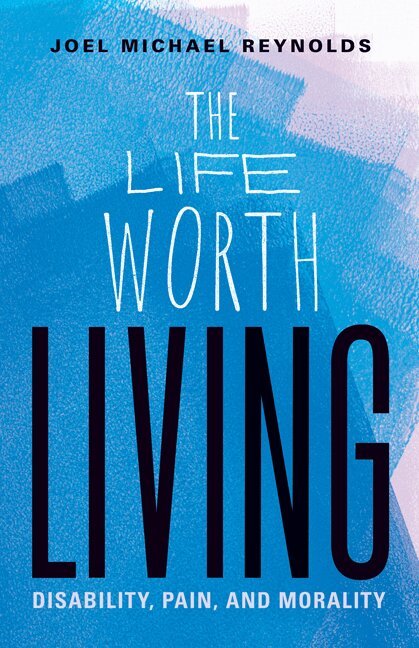
A philosophical challenge to the ableist conflation of disability and painMore than 2,000 years ago, Aristotle said: “let there be a law that no deformed child shall live.” This idea is alive and well today. During the past century, Supreme Court Justice Oliver Wendell Holmes Jr. argued that the United States can forcibly sterilize intellectually disabled women and philosopher Peter Singer argued for the right of parents to euthanize certain cognitively disabled infants. The Life Worth Living explores how and why such arguments persist by investigating the exclusion of and discrimination against disabled people across the history of Western moral philosophy. Joel Michael Reynolds argues that this history demonstrates a fundamental mischaracterization of the meaning of disability, thanks to the conflation of lived experiences of disability with those of pain and suffering. Building on decades of activism and scholarship in the field, Reynolds shows how longstanding views of disability are misguided and unjust, and he lays out a vision of what an anti-ableist moral future requires. The Life Worth Living is the first sustained examination of disability through the lens of the history of moral philosophy and phenomenology, and it demonstrates how lived experiences of disability demand a far richer account of human flourishing, embodiment, community, and politics in philosophical inquiry and beyond. Accessibility features: Retail e-book files for this title are screen-reader friendly with images accompanied by short alt text and/or extended descriptions.
232 kr
Skickas inom 7-10 vardagar
A philosophical challenge to the ableist conflation of disability and painMore than 2,000 years ago, Aristotle said: “let there be a law that no deformed child shall live.” This idea is alive and well today. During the past century, Supreme Court Justice Oliver Wendell Holmes Jr. argued that the United States can forcibly sterilize intellectually disabled women and philosopher Peter Singer argued for the right of parents to euthanize certain cognitively disabled infants. The Life Worth Living explores how and why such arguments persist by investigating the exclusion of and discrimination against disabled people across the history of Western moral philosophy. Joel Michael Reynolds argues that this history demonstrates a fundamental mischaracterization of the meaning of disability, thanks to the conflation of lived experiences of disability with those of pain and suffering. Building on decades of activism and scholarship in the field, Reynolds shows how longstanding views of disability are misguided and unjust, and he lays out a vision of what an anti-ableist moral future requires. The Life Worth Living is the first sustained examination of disability through the lens of the history of moral philosophy and phenomenology, and it demonstrates how lived experiences of disability demand a far richer account of human flourishing, embodiment, community, and politics in philosophical inquiry and beyond. Accessibility features: Retail e-book files for this title are screen-reader friendly with images accompanied by short alt text and/or extended descriptions.