Joel Wallman - Böcker
Visar alla böcker från författaren Joel Wallman. Handla med fri frakt och snabb leverans.
4 produkter
4 produkter
943 kr
Skickas inom 7-10 vardagar
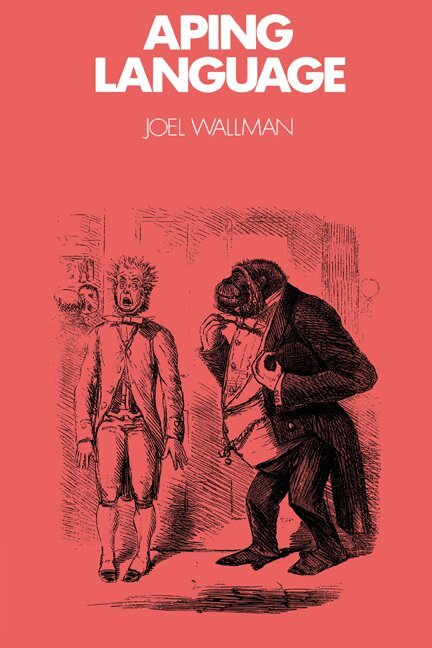
Language is regarded, at least in most intellectual traditions, as the quintessential human attribute, at once evidence and source of most that is considered transcendent in us, distinguishing ours from the merely mechanical nature of the beast. Even if language did not have the sacrosanct status it does in our conception of human nature, however, the question of its presence in other species would still promote argument, for we lack any universally accepted, defining features of language, ones that would allow us to identify it unequivocally ours from other species and contention over the crucial attributes of language are responsible for the stridency of the debate over whether nonhuman animals can learn language. Aping Language is a critical assessment of each of the recent experiments designed to impact a language, either natural or invented, to an ape. The performance of the animals in these experiments is compared with the course of semantic and syntactic development in children, both speaking and signing. The book goes on to examine what is known about the neurological, cognitive, and specifically linguistic attributes of our species that subserve language, and it discusses how they might have come into existence. Finally, the communication of nonhuman primates in nature is assayed to consider whether or not it was reasonable to assume, as the experimenters in these projects did, that apes possess an ability to acquire language.
487 kr
Skickas inom 7-10 vardagar
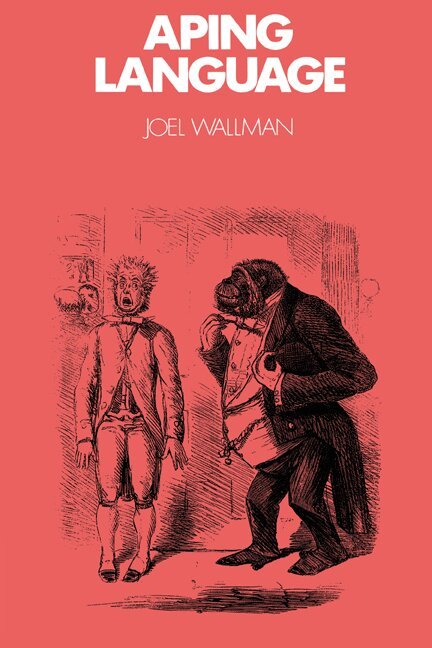
Language is regarded, at least in most intellectual traditions, as the quintessential human attribute, at once evidence and source of most that is considered transcendent in us, distinguishing ours from the merely mechanical nature of the beast. Even if language did not have the sacrosanct status it does in our conception of human nature, however, the question of its presence in other species would still promote argument, for we lack any universally accepted, defining features of language, ones that would allow us to identify it unequivocally ours from other species and contention over the crucial attributes of language are responsible for the stridency of the debate over whether nonhuman animals can learn language. Aping Language is a critical assessment of each of the recent experiments designed to impact a language, either natural or invented, to an ape. The performance of the animals in these experiments is compared with the course of semantic and syntactic development in children, both speaking and signing. The book goes on to examine what is known about the neurological, cognitive, and specifically linguistic attributes of our species that subserve language, and it discusses how they might have come into existence. Finally, the communication of nonhuman primates in nature is assayed to consider whether or not it was reasonable to assume, as the experimenters in these projects did, that apes possess an ability to acquire language.
460 kr
Skickas inom 7-10 vardagar
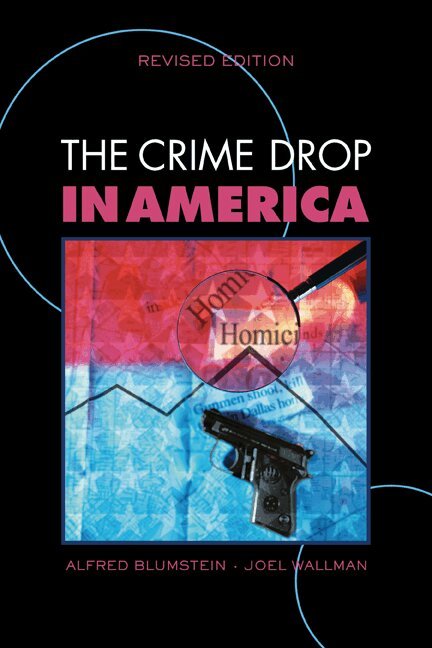
Violent crime in America shot up sharply in the mid-1980s and continued to climb until 1991, after which something unprecedented occurred. The crime level declined to a level not seen since the 1960s. This revised edition of The Crime Drop in America focuses first on the dramatic drop in crime rates in America in the 1990s, and then, in a new epilogue, on the patterns since 2000. The separate chapters written by distinguished experts cover the many factors affecting crime rates: policing, incarceration, drug markets, gun control, economics, and demographics. Detailed analyses emphasize the mutual effects of changes in crack markets, a major focus of youth violence, and the drop in rates of violence following decline in demand for crack. The contrasts between the crime-drop period of the 1990s and the period since 2000 are explored in the new epilogue, which also reviews major new developments in thinking about the causes and control of crime.
758 kr
Skickas inom 7-10 vardagar
Violent crime in America shot up sharply in the mid-1980s and continued to climb until 1991, after which something unprecedented occurred. The crime level declined to a level not seen since the 1960s. This revised edition of The Crime Drop in America focuses first on the dramatic drop in crime rates in America in the 1990s, and then, in a new epilogue, on the patterns since 2000. The separate chapters written by distinguished experts cover the many factors affecting crime rates: policing, incarceration, drug markets, gun control, economics, and demographics. Detailed analyses emphasize the mutual effects of changes in crack markets, a major focus of youth violence, and the drop in rates of violence following decline in demand for crack. The contrasts between the crime-drop period of the 1990s and the period since 2000 are explored in the new epilogue, which also reviews major new developments in thinking about the causes and control of crime.