Johan Brosché – författare
Visar alla böcker från författaren . Handla med fri frakt och snabb leverans.
4 produkter
4 produkter
Inbunden, Engelska, 2027
949 kr
Kommande
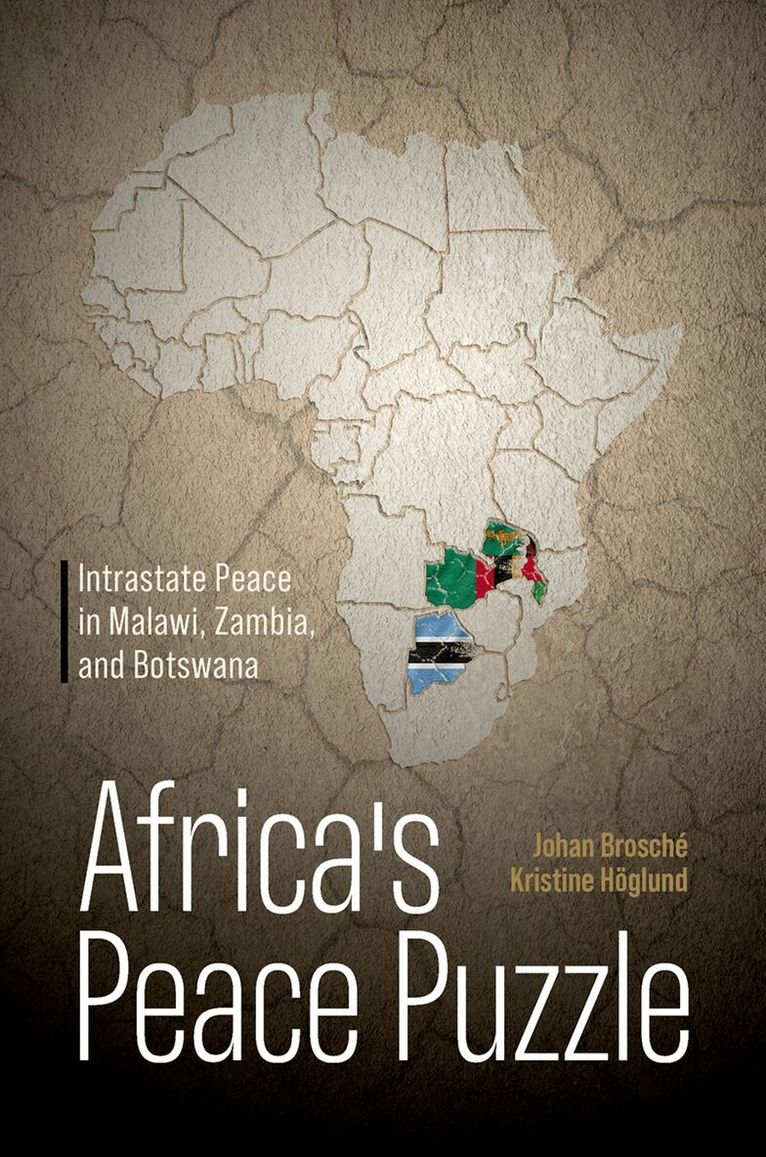
Africa is often portrayed as a continent marked by violence and war. While conflict has indeed touched much of the continent, a few countries have managed to avoid it altogether. Africa's Peace Puzzle tells the story of three of them^—Malawi, Zambia, and Botswana^—^which together represent almost 90 percent of the population living in African states that have never experienced civil war. This book introduces the Topography of Peace, which highlights how peace endures through a balance between "strains" that threaten stability and "strengths" and "stabilizers" that help societies hold together. The analysis shows that while all three countries have experienced pressures that could have led to civil war, these challenges have played out differently in each context, shaping distinct topographies of peace.Across Malawi, Zambia, and Botswana, five shared features stand out: relatively conciliatory ethnic and communal relations; the absence of deep inequalities between groups; traditions of inclusive and pragmatic governance; the presence of legitimate actors willing to step in to mitigate and resolve conflict; and an underlying pattern of asymmetry and containment that prevents disputes from escalating. Together, these factors offer fresh insight into how peace can endure^—^even in the most fragile of settings.
Häftad, Engelska, 2027
325 kr
Kommande
Africa is often portrayed as a continent marked by violence and war. While conflict has indeed touched much of the continent, a few countries have managed to avoid it altogether. Africa's Peace Puzzle tells the story of three of them^—Malawi, Zambia, and Botswana^—^which together represent almost 90 percent of the population living in African states that have never experienced civil war. This book introduces the Topography of Peace, which highlights how peace endures through a balance between "strains" that threaten stability and "strengths" and "stabilizers" that help societies hold together. The analysis shows that while all three countries have experienced pressures that could have led to civil war, these challenges have played out differently in each context, shaping distinct topographies of peace.Across Malawi, Zambia, and Botswana, five shared features stand out: relatively conciliatory ethnic and communal relations; the absence of deep inequalities between groups; traditions of inclusive and pragmatic governance; the presence of legitimate actors willing to step in to mitigate and resolve conflict; and an underlying pattern of asymmetry and containment that prevents disputes from escalating. Together, these factors offer fresh insight into how peace can endure^—^even in the most fragile of settings.
Inbunden, Engelska, 2012
2 264 kr
Skickas inom 10-15 vardagar
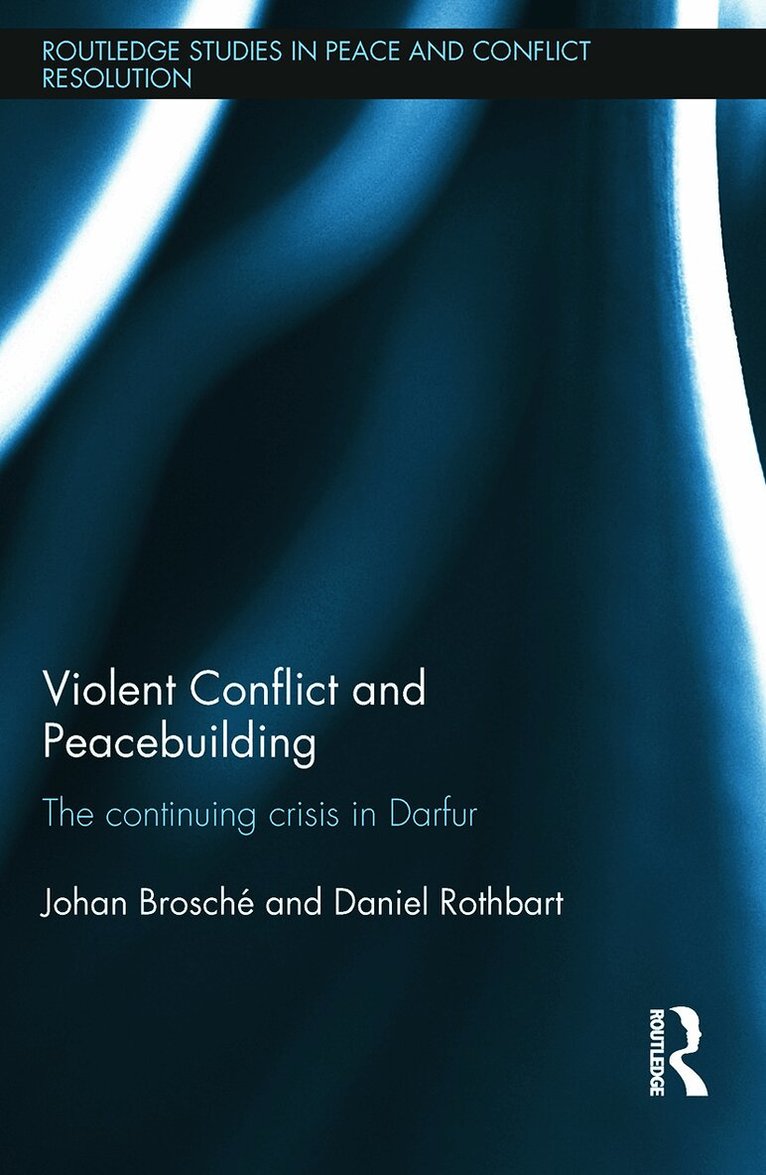
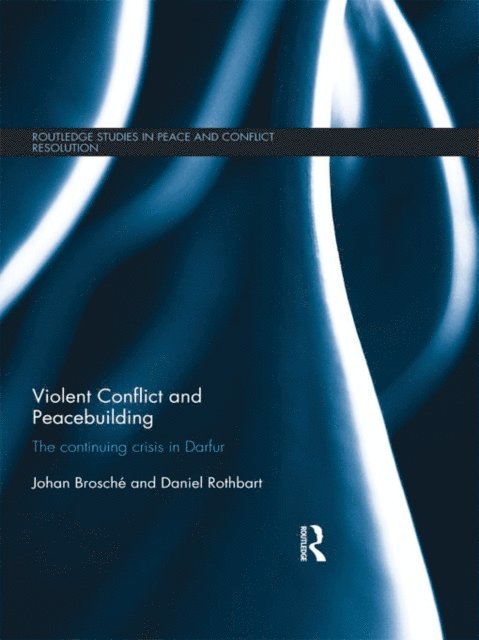
This book examines the continuing devastation in the Darfur region of Sudan, from the perspective of a multiplicity of conflicts of distinct types.The crisis reached its peak in 2003–2004, when certain Arab militias joined forces with the Sudan armed forces in a campaign against insurgent resistance movements. Engulfed in the tumult, Darfurians experienced systematic slaughter, sexual violence, and internal displacement on a massive scale. Although the violence has waned in recent years, the fighting continues to this day. The authors cast this crisis as a complex web of four distinct, yet interlacing, conflict types: long-standing disputes between farmers and herders and between different herder communitiespolitical struggles between the local elite leaders of the resistance movements, and those between traditional leaders (elders) and younger aspiring leaderslong-standing grievances of marginalized groups against those at the national centre of powercross-border conflicts, primarily the proxy war waged between Chad and SudanThe crisis in South Sudan is also examined through the lens of conflict complementarity. This book will be of interest to students of African politics, genocide, political violence, ethnic conflict, war and conflict studies, peacebuilding and IR.
Häftad, Engelska, 2013
698 kr
Skickas inom 10-15 vardagar
This book examines the continuing devastation in the Darfur region of Sudan, from the perspective of a multiplicity of conflicts of distinct types.The crisis reached its peak in 2003–2004, when certain Arab militias joined forces with the Sudan armed forces in a campaign against insurgent resistance movements. Engulfed in the tumult, Darfurians experienced systematic slaughter, sexual violence, and internal displacement on a massive scale. Although the violence has waned in recent years, the fighting continues to this day. The authors cast this crisis as a complex web of four distinct, yet interlacing, conflict types: long-standing disputes between farmers and herders and between different herder communitiespolitical struggles between the local elite leaders of the resistance movements, and those between traditional leaders (elders) and younger aspiring leaderslong-standing grievances of marginalized groups against those at the national centre of powercross-border conflicts, primarily the proxy war waged between Chad and SudanThe crisis in South Sudan is also examined through the lens of conflict complementarity. This book will be of interest to students of African politics, genocide, political violence, ethnic conflict, war and conflict studies, peacebuilding and IR.