Johan M. Havenaar - Böcker
Visar alla böcker från författaren Johan M. Havenaar. Handla med fri frakt och snabb leverans.
2 produkter
2 produkter
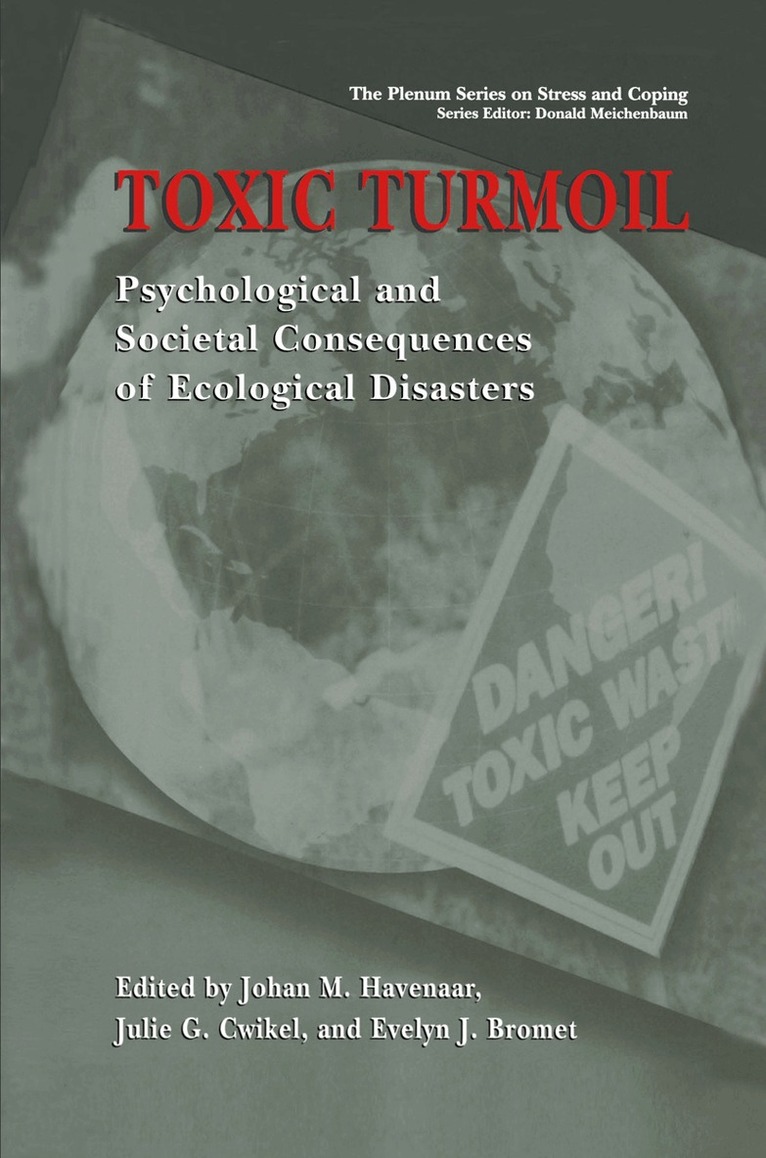
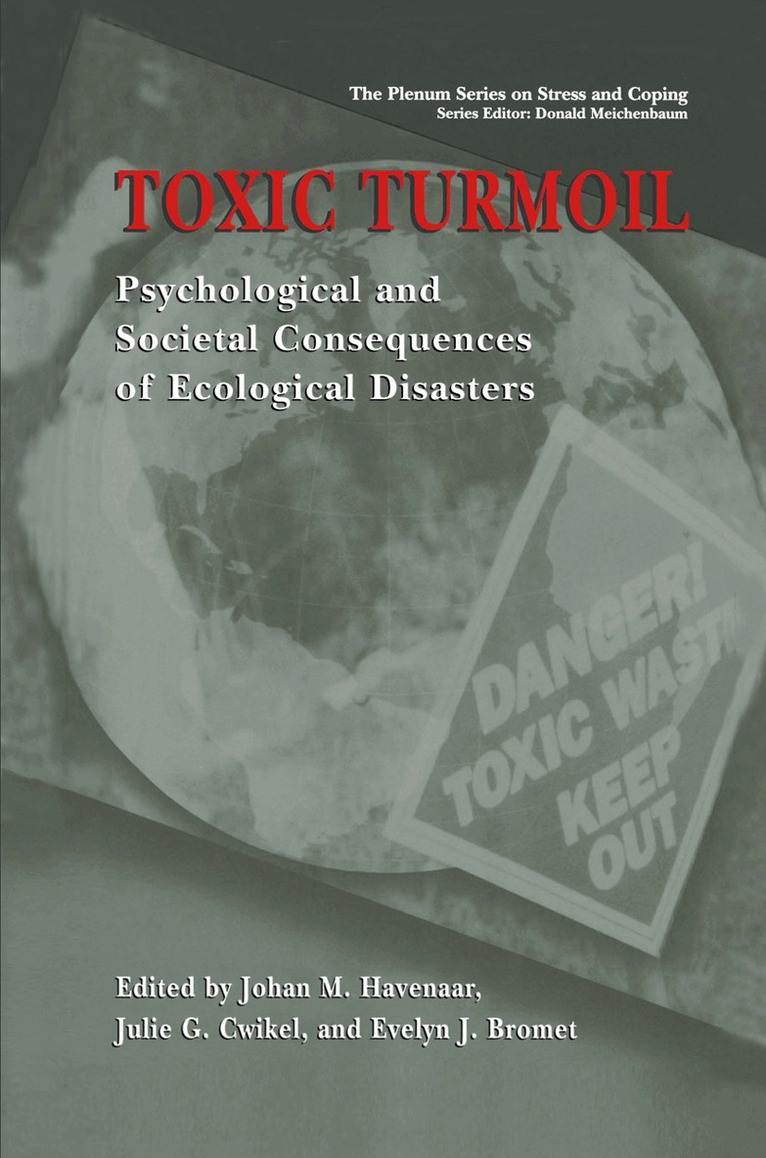
Toxic Turmoil
Psychological and Societal Consequences of Ecological Disasters
Inbunden, Engelska, 2002
1 034 kr
Skickas inom 10-15 vardagar
Over the past two decades the world has witnessed an increasing number of disasters involving massive exposure of the population to radiation, chemical toxins, or other hazardous agents. The recent bombings of the World Trade Center in New York -- setting aside all other personal, economic, or geopolitical aspects encompassed by this tragic event -- is yet another unfortunate example. Besides the massive loss of life, a large segment of the population of Manhattan was willfully exposed to large clouds of dust and smoke, asbestos, and other harmful materials. As a consequence of this terrorist act, apprehension about possible further attacks, perhaps with biological or chemical weapons, will continue to hold the country in its grip for quite some time. The term `ecological disaster' is used to indicate these incidents, some minor, some catastrophic or apocalyptic. Often these accidents are followed by widespread fear of future adverse health effects. In many cases these fears are justified or partly justified for those who became exposed. However sometimes illness may occur in the absence of significant exposure to toxic substances.Concerns and worries about health tend to facilitate the appearance of medically unexplained symptoms or syndromes. This mental health component has received relatively little attention in the disaster literature. It can occur simultaneously with direct physical consequences and is not always clearly distinguishable from it. This situation appears to be particularly likely to occur in the wake of chemical and nuclear events, which are usually followed by years of disputes about facts and opinions about health effects and their relation to the disaster. This book presents an overview of research on the psychological and societal consequences of ecological disasters. It gives in-depth case studies on most of the major incidents that have occurred in the 1980s and 1990s. It summarizes the accumulated knowledge in this area and identifies areas of future research. It can serve as a resource for practitioners and policymakers dealing with current and future ecological calamities and may help them to define an adequate response to the complex public health challenges these incidents represent.
1 096 kr
Skickas inom 10-15 vardagar
When an accident involves many people and when its consequences are many and serious, we speak of a disaster. Disasters have the same causal fac tors as accidents: they differ from accidents by the gravity of consequences, not by causes. The action of a single individual may result in thousands of deaths and huge financial losses. The metal fatigue of a screw may, by a chain of events, cause an explosion killing hundreds or lead to a break in a dam and a devastating flood. The fact that minor and unpredictable acts can lead to disasters is im portant because it allows us to predict that the years to come will bring with them more disasters with ever more severe consequences. The density ofhu man populations is growing. By the year 2025 some four fifths of the world's population will be living in urban settings. An explosion or a gas leak in a densely populated area will cause incomparably more damage than a simi lar event in a rural area. Modern technology is immensely powerful (and its power is continuing to grow) and can be used in a disastrous manner. Ag gression is just as possible now as it was in the past, but the tools of aggression are vastly more dangerous than ever before. This book, edited by Johan M. Havenaar, Julie G. Cwikel, and Evelyn J. Bromet, is therefore very timely.