• Fri frakt över 249 kr
  • •
  • Snabba leveranser
  • •
  • Billiga böcker
Kundservice

Du är på sajten för privatpersoner.

Företag, bibliotek eller offentlig verksamhet?

Du handlar på classic.bokus.com, där alla dina funktioner finns intakta.
Till classic.bokus.com
Bokus logotyp. Gå till startsidan.
  • Erbjudanden
  • Nyheter
  • Student
  • Topplistor
  • Barn & ungdom
  • Bokus Play
  • E-böcker
  • Pocketböcker
  • Spel & pussel

10% rabatt på allt med kod: NYSTART10 →

Sidfot

Mina sidor

    Hjälp

    • Kundservice
    • Vanliga frågor och svar
    • Frakt och leverans
    • Retur vid ångerrätt
    • Reklamera vara
    • Betalning
    • Köpvillkor
    • Allmänna villkor
    • Information om webbplatsens tillgänglighet

    Om Bokus

    • Om oss
    • Pressrum
    • För studenter
    • För företag
    • För bibliotek och offentlig verksamhet
    • För leverantörer
    • Hållbarhet

    Populärt

    • Aktuella erbjudanden
    • Presentkort
    • Studentlitteratur
    • Nya böcker
    • Topplistor
    • Signerade böcker
    • Engelska böcker

    Inspiration

    • Boktips
    • BookTok
    • Populära bokserier
    • Barnbokskaraktärer
    • Populära författare
    Logotyp för Bokus
    Följ oss på Facebook (extern länk)Följ oss på Instagram (extern länk)Följ oss på YouTube (extern länk)Följ oss på TikTok (extern länk)
    bokus @ CookiesAnpassa cookiesIntegritetspolicyKöpvillkor
    Till Citymail hemsida (extern länk)Till Budbee hemsida (extern länk)Till Postnord hemsida (extern länk)Till Schenker hemsida (extern länk)Till Early Bird hemsida (extern länk)Till Walleys hemsida (extern länk)
    1. Hälsa och familj
    2. Hälsa
    3. Särskilda hälsotillstånd
    4. Stress

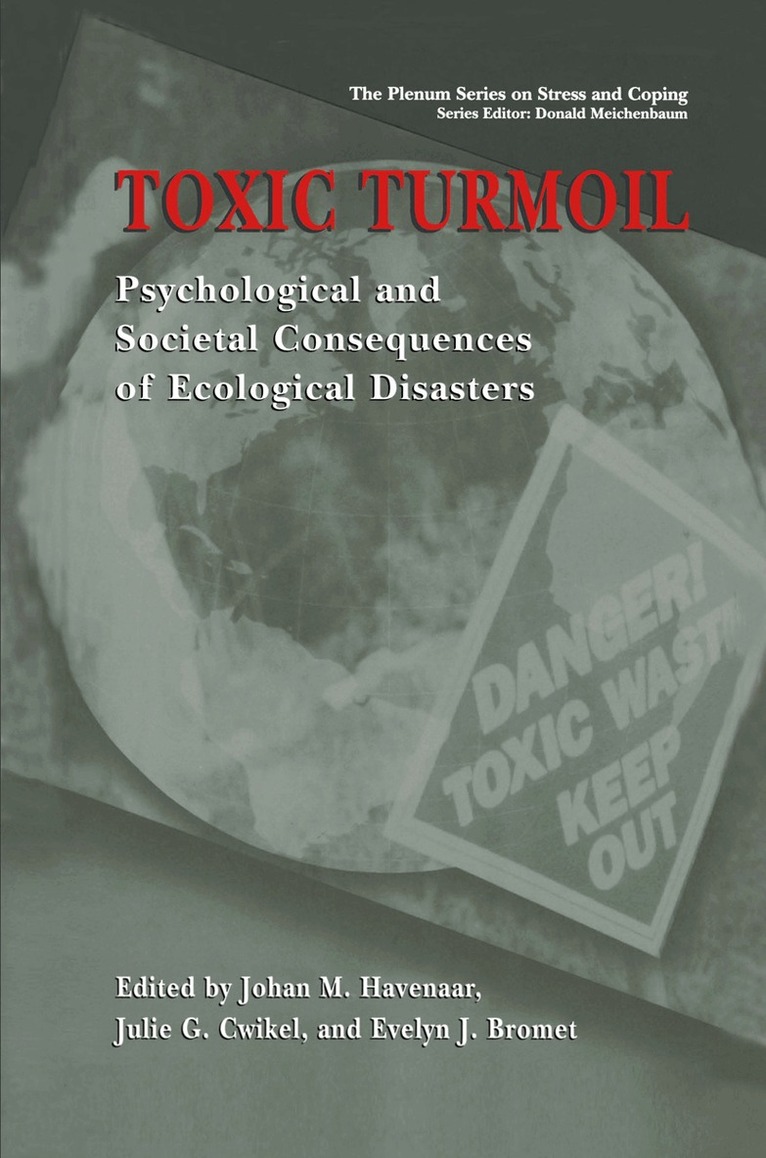
    Toxic Turmoil

    Psychological and Societal Consequences of Ecological Disasters

    AvJohan M. Havenaar,Julie G. Cwikel

    Inbunden, Engelska, 2002

    Del i serien Springer Series on Stress and Coping

    1 056 kr

    Beställningsvara. Skickas inom 10-15 vardagar. Fri frakt över 249 kr.

    Beskrivning

    Over the past two decades the world has witnessed an increasing number of disasters involving massive exposure of the population to radiation, chemical toxins, or other hazardous agents. The recent bombings of the World Trade Center in New York -- setting aside all other personal, economic, or geopolitical aspects encompassed by this tragic event -- is yet another unfortunate example. Besides the massive loss of life, a large segment of the population of Manhattan was willfully exposed to large clouds of dust and smoke, asbestos, and other harmful materials. As a consequence of this terrorist act, apprehension about possible further attacks, perhaps with biological or chemical weapons, will continue to hold the country in its grip for quite some time. The term `ecological disaster' is used to indicate these incidents, some minor, some catastrophic or apocalyptic. Often these accidents are followed by widespread fear of future adverse health effects. In many cases these fears are justified or partly justified for those who became exposed. However sometimes illness may occur in the absence of significant exposure to toxic substances.Concerns and worries about health tend to facilitate the appearance of medically unexplained symptoms or syndromes. This mental health component has received relatively little attention in the disaster literature. It can occur simultaneously with direct physical consequences and is not always clearly distinguishable from it. This situation appears to be particularly likely to occur in the wake of chemical and nuclear events, which are usually followed by years of disputes about facts and opinions about health effects and their relation to the disaster. This book presents an overview of research on the psychological and societal consequences of ecological disasters. It gives in-depth case studies on most of the major incidents that have occurred in the 1980s and 1990s. It summarizes the accumulated knowledge in this area and identifies areas of future research. It can serve as a resource for practitioners and policymakers dealing with current and future ecological calamities and may help them to define an adequate response to the complex public health challenges these incidents represent.

    Produktinformation

    • Utgivningsdatum:2002-08-31
    • Mått:155 x 235 x 21 mm
    • Vikt:612 g
    • Format:Inbunden
    • Språk:Engelska
    • Serie:Springer Series on Stress and Coping
    • Antal sidor:279
    • Upplaga:2002
    • Förlag:Springer Science+Business Media
    • ISBN:9780306467844

    Utforska kategorier

    • Stress inom Hälsa och familj
    • Psykologi: jaget, identitet och personlighet inom Psykologi och pedagogik

    Innehållsförteckning

    • I: Introduction.- 1. Ecological Disaster: A Concern for the Future.- 2. Public Health Aspects of Chemical Catastrophes.- 3. Understanding the Psychological and Societal Response of Individuals, Groups, Authorities, and Media to Toxic Hazards.- II: Case Examples of Ecological Disasters.- 4. Psychological Response of Mothers of Young Children to the Three Mile Island and Chernobyl Nuclear Plant Accidents One Decade Later.- 5. The Chaotic Aftermath of an Airplane Crash in Amsterdam: A Second Disaster.- 6. The Gulf War and Its Aftermath.- 7. Bhopal Gas Leak Disaster: Impact on Mental Health.- 8. Psychological and Physical Health Effects of the 1995 Sarin Attack in the Tokyo Subway System.- 9. Perceived Health and Psychosocial Well-Being in the Aral Sea Area: Results from a Survey in an Area of Slow Environmental Degradation.- III: Dealing with Ecological Disaster.- 10. Methodological Issues in the Investigation of Chemical Accidents.- 11. Responding to the Psychosocial Effects of Toxic Disaster: Policy Initiatives, Constraints, and Challenges.- 12. Voices from the Inside: Psychological Responses to Toxic Disasters.- 13. Disasters and the Selection of Public Mental Health Priorities: A Perspective from Developing Countries.- 14. Epilogue: Lessons Learned and Unresolved Issues.