John C. Coffee Jr. – författare
Visar alla böcker från författaren John C. Coffee Jr.. Handla med fri frakt och snabb leverans.
8 produkter
Gatekeepers
The Professions and Corporate Governance
E-bok, 2006
473 kr
Lägg i varukorg
In the wake of a series of corporate governance disasters in the US and Europe which have gained almost mythic status - Enron, WorldCom, Tyco, Adelphia, HealthSouth, Parmalat - one question has not yet been addressed. A number of ''gatekeeping'' professions - auditors, attorneys, securities …
Knights, Raiders, and Targets
The Impact of the Hostile Takeover
Av Susan Rose-Ackerman, Louis Lowenstein m. fl.
E-bok, 1988
1175 kr
Lägg i varukorg
Fascinating as the corporate takeovers of recent years have been--with their "golden parachutes" and junk bonds, "greenmailers" and white knights--it is far from clear what underlying forces are at work, and what their long-term consequences will be. Debate over these questions has become …
Gatekeepers
The Professions and Corporate Governance
Häftad, 2019
798 kr
Lägg i varukorg
In the wake of a series of corporate governance disasters in the US and Europe which have gained almost mythic status - Enron, WorldCom, Tyco, Adelphia, HealthSouth, Parmalat - one question has not yet been addressed. A number of 'gatekeeping' professions - auditors, attorneys, securities analysts, …
Gatekeepers
The Professions and Corporate Governance
Inbunden, 2006
1950 kr
Lägg i varukorg
In the wake of a series of corporate governance disasters in the US and Europe which have gained almost mythic status - Enron, WorldCom, Tyco, Adelphia, HealthSouth, Parmalat - one question has not yet been addressed. A number of 'gatekeeping' professions - auditors, attorneys, securities analysts, …
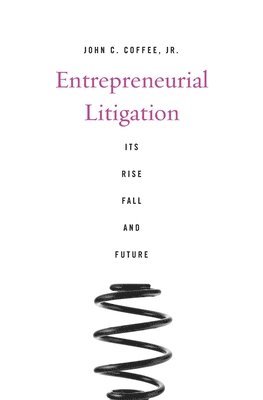
Entrepreneurial Litigation
Its Rise, Fall, and Future
Inbunden, 2015
489 kr
Lägg i varukorg
Uniquely in the United States, lawyers litigate large cases on behalf of many claimants who could not afford to sue individually. In these class actions, attorneys act typically as risk-taking entrepreneurs, effectively hiring the client rather than acting as the client’s agent. Lawyer-financed, …
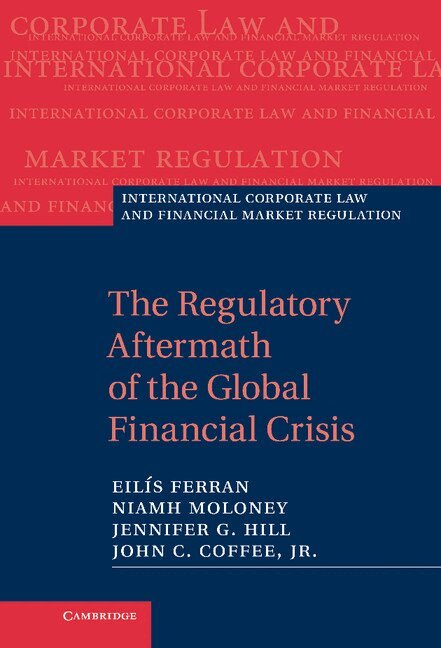
The Regulatory Aftermath of the Global Financial Crisis
Av Eilís Ferran, Niamh Moloney m. fl.
Inbunden, 2012
2247 kr
Lägg i varukorg
The EU and the US responded to the global financial crisis by changing the rules for the functioning of financial services and markets and by establishing new oversight bodies. With the US Dodd-Frank Act and numerous EU regulations and directives now in place, this book provides a timely and …
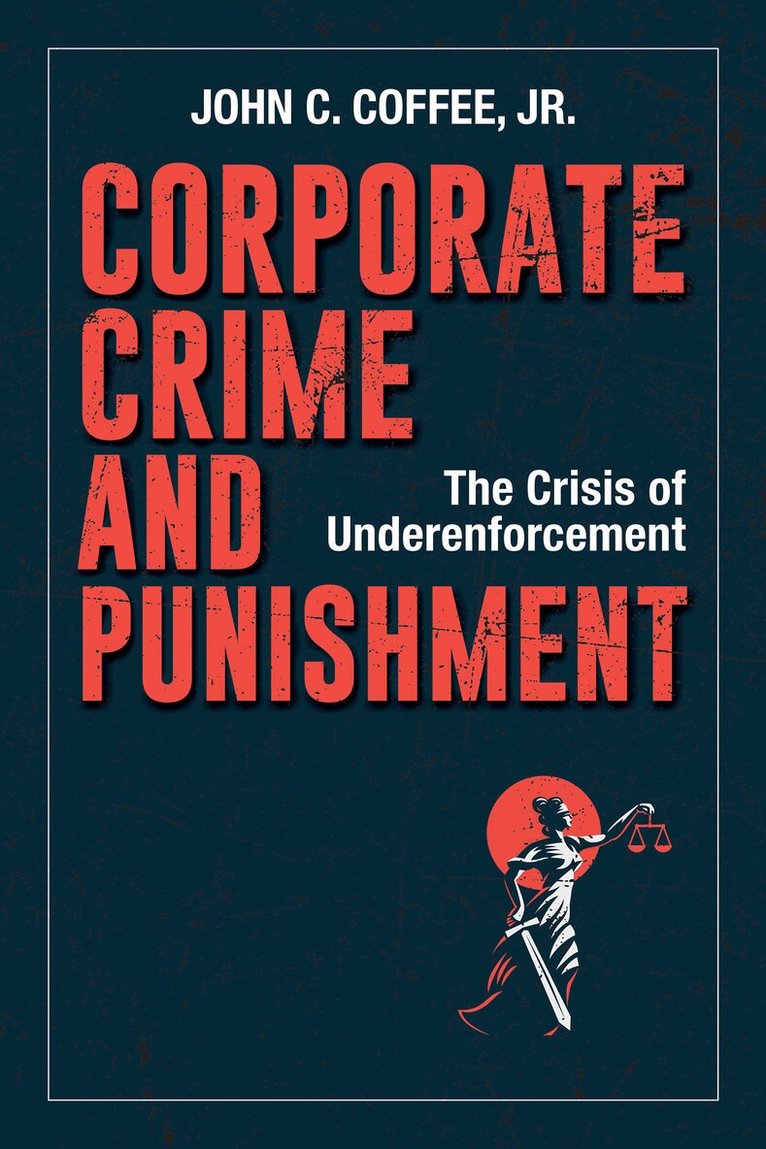
Corporate Crime and Punishment
Inbunden, 2020
356 kr
Lägg i varukorg
A study and analysis of lack of enforcement against criminal actions in corporate America and what can be done to fix it. In the early 2000s, federal enforcement efforts sent white collar criminals at Enron and WorldCom to prison. But since the 2008 financial collapse, this famously hasn’t …
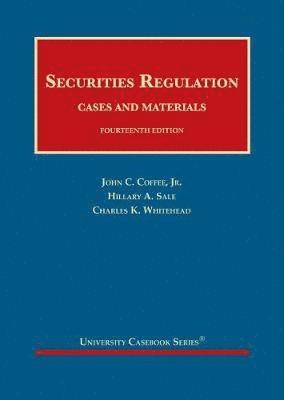
Securities Regulation
Av John C. Coffee Jr., Hillary A. Sale m. fl.
Inbunden, 2020
3955 kr
Lägg i varukorg