John G McKENZIE – författare
Visar alla böcker från författaren John G McKENZIE. Handla med fri frakt och snabb leverans.
13 produkter
Nervous Disorders And Character
A Study in Pastoral Psychology and Psychotherapy
Inbunden, 1999
1268 kr
Lägg i varukorg
First published in 1999. This is Volume XXI of thirty-eight in the General Psychology series. Written in 1946, this is a collection of Tate Lectures bringing together the author’s thirty years' study of the neuroses, and twenty-five years of personal dealing with the victims of neurotic conflict.
In the Queen's Bench, in Appeal From Superior Court Montreal [microform]
John G. McKenzie, Et Al., (garnishees Below), Appellants, and Duncan McFarlane, (plaintiff Contesting Garnishees' Declaration Below), Respondent; Appellat's [sic] Case
Av John G McKenzie, Duncan McFarlane m. fl.
Häftad, 2021
157 kr
Lägg i varukorg
Nervous Disorders And Character
A Study in Pastoral Psychology and Psychotherapy
E-bok, 2013
450 kr
Lägg i varukorg
First published in 1999. This is Volume XXI of thirty-eight in the General Psychology series. Written in 1946, this is a collection of Tate Lectures bringing together the author’s thirty years'' study of the neuroses, and twenty-five years of personal dealing with the victims of neurotic conflict.
Nervous Disorders And Character
A Study in Pastoral Psychology and Psychotherapy
E-bok, 2013
450 kr
Lägg i varukorg
First published in 1999. This is Volume XXI of thirty-eight in the General Psychology series. Written in 1946, this is a collection of Tate Lectures bringing together the author’s thirty years'' study of the neuroses, and twenty-five years of personal dealing with the victims of neurotic conflict.
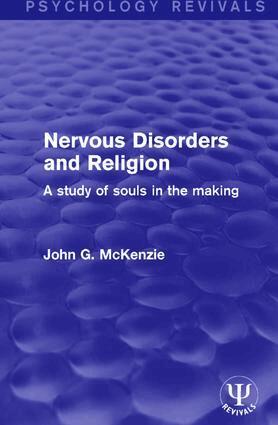
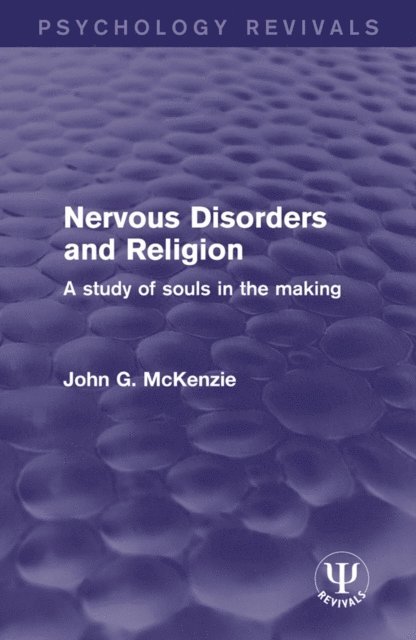
Nervous Disorders and Religion
A Study of Souls in the Making
Inbunden, 2016
2079 kr
Lägg i varukorg
Originally published in 1951, this title is a study in developmental psychology with special reference to the effect of various types of religion on mental health and religious experience. With instinct as a ‘disappearing category’ in the psychology of human nature, a new approach to the …
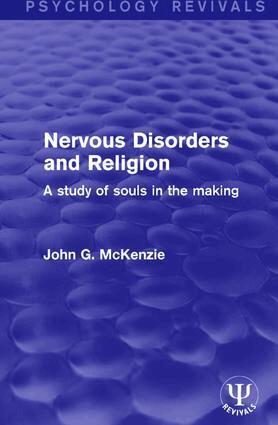
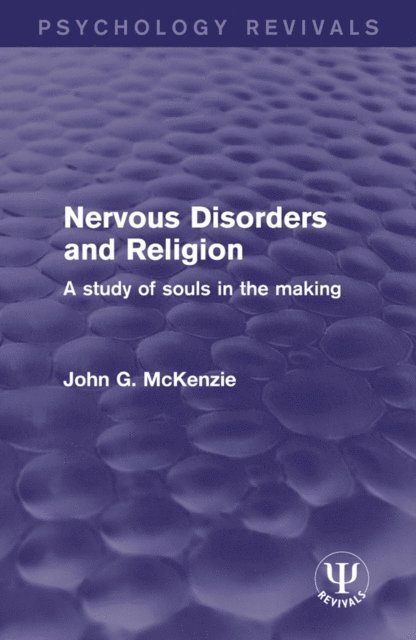
Nervous Disorders and Religion
A Study of Souls in the Making
Häftad, 2018
603 kr
Lägg i varukorg
Originally published in 1951, this title is a study in developmental psychology with special reference to the effect of various types of religion on mental health and religious experience. With instinct as a ‘disappearing category’ in the psychology of human nature, a new approach to the …
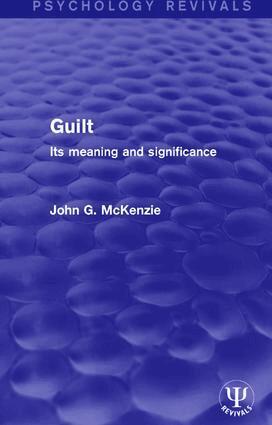
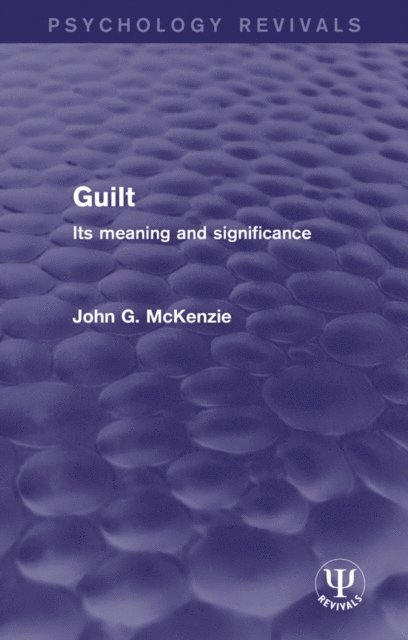
Guilt
Its Meaning and Significance
Inbunden, 2016
1781 kr
Lägg i varukorg
It is acknowledged by most students of human behaviour that the idea of guilt is closely connected with that of man’s freedom and responsibility. It is a theme of law-court and pulpit, a concern of psychoanalysis and probation officers, a growing pre-occupation of the novelist. Our era has even …
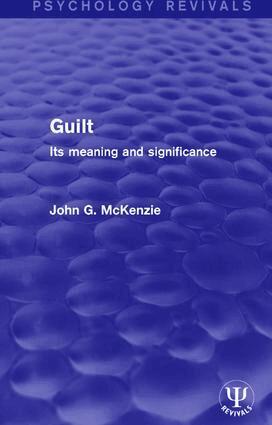
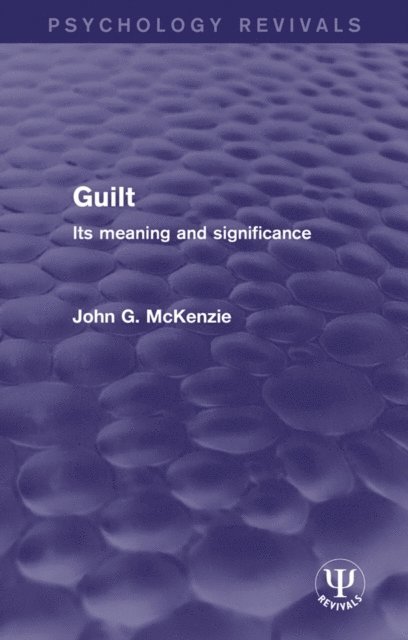
Guilt
Its Meaning and Significance
Häftad, 2018
589 kr
Lägg i varukorg
It is acknowledged by most students of human behaviour that the idea of guilt is closely connected with that of man’s freedom and responsibility. It is a theme of law-court and pulpit, a concern of psychoanalysis and probation officers, a growing pre-occupation of the novelist. Our era has even …
Nervous Disorders And Character
A Study in Pastoral Psychology and Psychotherapy
Häftad, 2014
398 kr
Lägg i varukorg
First published in 1999. This is Volume XXI of thirty-eight in the General Psychology series. Written in 1946, this is a collection of Tate Lectures bringing together the author’s thirty years' study of the neuroses, and twenty-five years of personal dealing with the victims of neurotic conflict.
Guilt
Its Meaning and Significance
E-bok, 2016
695 kr
Lägg i varukorg
It is acknowledged by most students of human behaviour that the idea of guilt is closely connected with that of man’s freedom and responsibility. It is a theme of law-court and pulpit, a concern of psychoanalysis and probation officers, a growing pre-occupation of the novelist. Our era has even …
Guilt
Its Meaning and Significance
E-bok, 2016
710 kr
Lägg i varukorg
It is acknowledged by most students of human behaviour that the idea of guilt is closely connected with that of man’s freedom and responsibility. It is a theme of law-court and pulpit, a concern of psychoanalysis and probation officers, a growing pre-occupation of the novelist. Our era has even …
Nervous Disorders and Religion
A Study of Souls in the Making
E-bok, 2016
712 kr
Lägg i varukorg
Originally published in 1951, this title is a study in developmental psychology with special reference to the effect of various types of religion on mental health and religious experience. With instinct as a ‘disappearing category’ in the psychology of human nature, a new approach to the …
Nervous Disorders and Religion
A Study of Souls in the Making
E-bok, 2016
727 kr
Lägg i varukorg
Originally published in 1951, this title is a study in developmental psychology with special reference to the effect of various types of religion on mental health and religious experience. With instinct as a ‘disappearing category’ in the psychology of human nature, a new approach to the …
![John G McKenzie, Duncan McFarlane, A & W Robertson (Firm) - In the Queen's Bench, in Appeal From Superior Court Montreal [microform], Häftad. Tillgänglighet: Lägg i varukorg](https://image.bokus.com/images2/9781013488986_766)