John Gaddis - Böcker
Visar alla böcker från författaren John Gaddis. Handla med fri frakt och snabb leverans.
5 produkter
5 produkter
2 258 kr
Skickas inom 5-8 vardagar
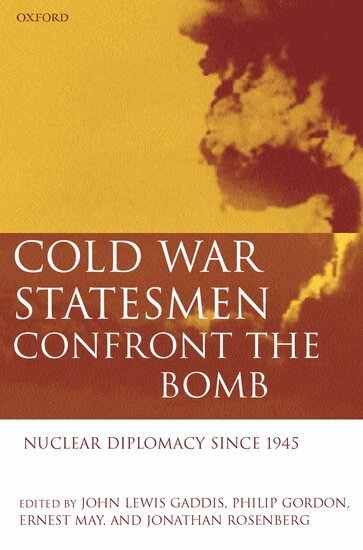
Cold War Statesmen Confront the Bomb: Nuclear Diplomacy Since 1945 is a path-breaking work that uses biographical techniques to test one of the most important and widely debated questions in international politics: Did the advent of the nuclear bomb prevent the Third World War? Many scholars and much conventional wisdom assumes that nuclear deterrence has prevented major power war since the end of the Second World War; this remains a principal tenet of US strategic policy today. Others challenge this assumption, and argue that major war would have been `obsolete' even without the bomb. This book tests these propositions by examining the careers of ten leading Cold War statesmen--Harry S Truman; John Foster Dulles; Dwight D. Eisenhower; John F. Kennedy; Josef Stalin; Nikita Krushchev; Mao Zedong; Winston Churchill; Charles De Gaulle; and Konrad Adenauer--and asking whether they viewed war, and its acceptability, differently after the advent of the bomb. The book's authors argue almost unanimously that nuclear weapons did have a significant effect on the thinking of these leading statesmen of the nuclear age, but a dissenting epilogue from John Mueller challenges this thesis.
904 kr
Skickas inom 5-8 vardagar
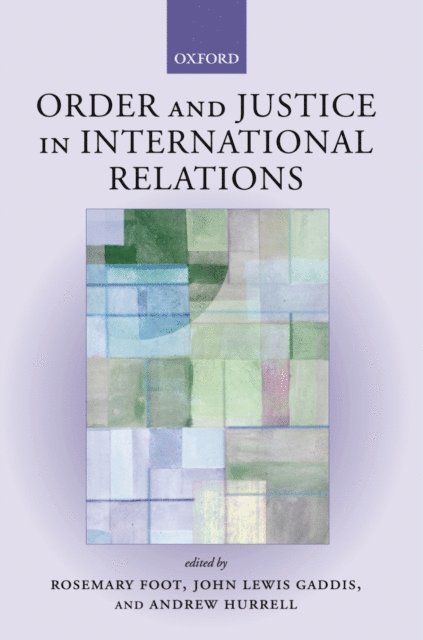
The relationship between international order and justice has long been central to the study and practice of international relations. For most of the 20th century, states and international society gave priority to a view of order that focused on the minimum conditions for coexistence in a pluralist, conflictual world. Justice was seen either as secondary or sometimes even as a challenge to order. Recent developments have forced a reassessment of this position. Firstly, many trends in the 1990s increased expectations of greater justice within a liberal and liberalizing international order - for example, in relation to human rights, humanitarian intervention, collective security, and self-determination. Second, globalization deepened the sense of ideational and material interdependence, prompting acknowledgement that we co-exist in a single world and that effective solutions to shared problems cannot be achieved without a concern for justice - especially as the negative aspects of globalization have become more evident.
2 411 kr
Skickas inom 5-8 vardagar
The relationship between international order and justice has long been central to the study and practice of international relations. For most of the twentieth century, states and international society gave priority to a view of order that focused on the minimum conditions for coexistence in a pluralist, conflictual world. Justice was seen either as secondary or sometimes even as a challenge to order. Recent developments have forced a reassessment of this position. Firstly, many trends in the 1990s increased expectations of greater justice within a liberal and liberalizing international order - for example, in relation to human rights, humanitarian intervention, collective security, and self-determination. Second, globalization deepened the sense of ideational and material interdependence, prompting acknowledgement that we co-exist in a single world and that effective solutions to shared problems cannot be achieved without a concern for justice - especially as the negative aspects of globalization have become more evident. Third, claims to justice and critiques of the existing order have been forcefully pressed by an increasing range of non-governmental and other groups within transnational civil society. These three developments suggest movement towards a greater solidarist consciousness and ambition, based primarily on a liberal vision of the relationship between order and justice.This book sets current concerns within a broad historical and theoretical context; explores the depth and scope of this presumed solidarism amidst the difficulties of acting on the basis of a more strongly articulated liberal position; and underscores the complexity and abiding tensions inherent in the relationship between order and justice. Chapters examine a wide range of state and transnational perspectives on order and justice, including those from China, India, Russia, the United States, and the Islamic world. Other chapters investigate how the order-justice relationship is mediated within major international institutions, including the United Nations, the World Trade Organization and the global financial institutions.
2 492 kr
Skickas inom 3-6 vardagar
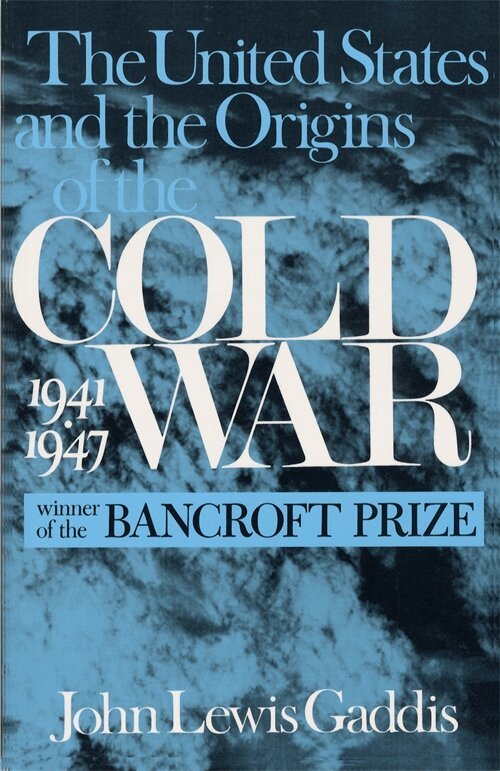
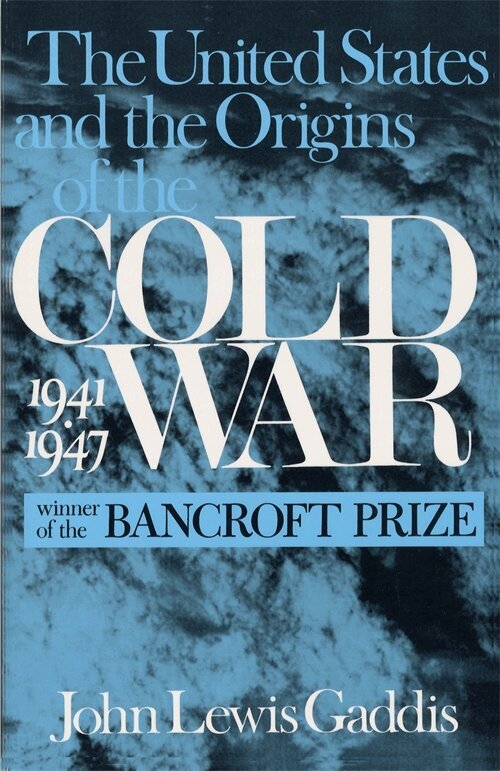
John Lewis Gaddis' acclaimed history of U.S. policy toward the Soviet Union during and immediately after World War II is now available with a new preface by the author. This book moves beyond the focus on economic considerations that was central to the work of New Left historians, examining the many other forces-domestic politics, bureaucratic inertia, quirks of personality, and perceptions of Soviet intentions-that influenced key decision makers in Washington, and in doing so seeks to analyze these determinants of policy in terms of their full diversity and relative significance.
337 kr
Skickas inom 7-10 vardagar
John Lewis Gaddis' acclaimed history of U.S. policy toward the Soviet Union during and immediately after World War II is now available with a new preface by the author. This book moves beyond the focus on economic considerations that was central to the work of New Left historians, examining the many other forces-domestic politics, bureaucratic inertia, quirks of personality, and perceptions of Soviet intentions-that influenced key decision makers in Washington, and in doing so seeks to analyze these determinants of policy in terms of their full diversity and relative significance.