John J. Grabowski – författare
Visar alla böcker från författaren John J. Grabowski. Handla med fri frakt och snabb leverans.
3 produkter
3 produkter
353 kr
Skickas inom 3-6 vardagar
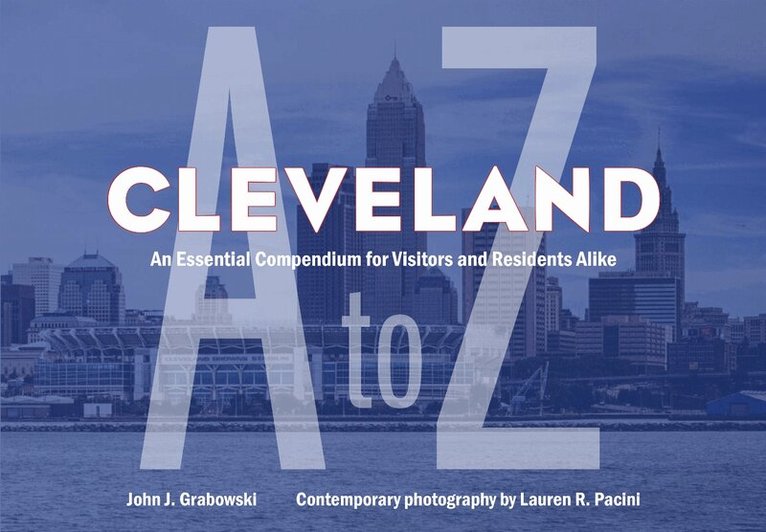
A richly illustrated celebration of Cleveland history and culture.Cities around the globe, whether large or small, have characteristics that create a particular identity. So what about Cleveland? What are its nuances, its images? In addressing that question, Cleveland A to Z is not a typical city guide. Rather than concentrating solely on the usual topics—landmarks, restaurants, shopping, and notable facts—this guide touches on deeper themes related to Cleveland's people, places, stories, and events. These 72 short articles reveal details about the city's rich history, while also hinting at the issues, attitudes, and even the quirks that define Cleveland's character. Cleveland A to Z truly serves as an entry point for a fuller exploration of the city's history.Originally released as part of the Western Reserve Historical Society's 150th anniversary celebration, this book is evidence of the Historical Society's outstanding and nationally significant collections. Almost every historical photo in this volume derives from the archives of the Society. Those collections represent a trust for the community—an essential service to students, scholars, family historians, and old and new Clevelanders.With striking contemporary photographs by Lauren R. Pacini paired with the insights of historian John J. Grabowski, Cleveland A to Z is a fascinating and entertaining resource for anyone interested in this important American city.
376 kr
Skickas inom 5-8 vardagar
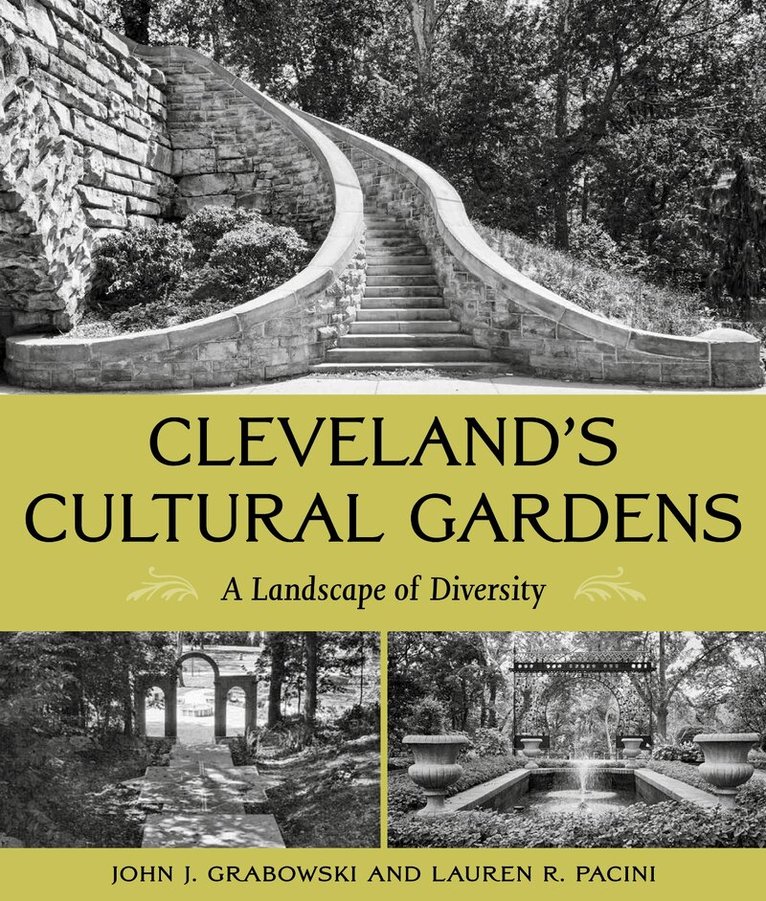
Honoring and embodying the cultural heritages of a region through the beauty of shared outdoor spacesFrom their beginnings as private farmland to their current form as monuments to cultural and ethnic diversity, the unique collection of landscaped, themed gardens that compose Cleveland's Cultural Gardens holds a rich history. John J. Grabowski guides readers through this story, using both archival images and Lauren R. Pacini's stunning contemporary photography to illustrate their development and importance. The effect is a comprehensive view of the factors that made the Cultural Gardens possible, from Cleveland's geographical features to international conflicts.First erected as the Shakespeare Garden in 1916, the land bordering Doan Brook slowly began to incorporate tributes to immigrants, reflecting Cleveland's role as a key location for eastern European immigrants. Through this chronicle of the gardens' changing landscapes, Grabowski shapes a gripping narrative of shifting attitudes toward immigration, both locally and nationally. Throughout both world wars, the Cold War, and more recent events, the gardens' composition has changed to reflect more diversity, now encompassing 33 individual gardens that honor cultures and countries with connections to Cleveland. Today, each garden features plants native to the corresponding culture, from German to Vietnamese and from Ethiopian to Finnish. This vast cultural inclusivity makes Cleveland's Cultural Gardens a forerunner in the push for greater representation of cultures and people of color in memorials and public spaces.The gardens also highlight a growing emphasis on collaboration and coexistence among cultures, as symbolized in the Peace Garden of the Nations and its crypt of intermingled soil from historic shrines around the world. This book will be of interest to field specialists and nonexperts alike for its excellent illustrations and for its discussion of culture, inclusion, and diversity both on a local and national scale.
577 kr
Skickas inom 5-8 vardagar
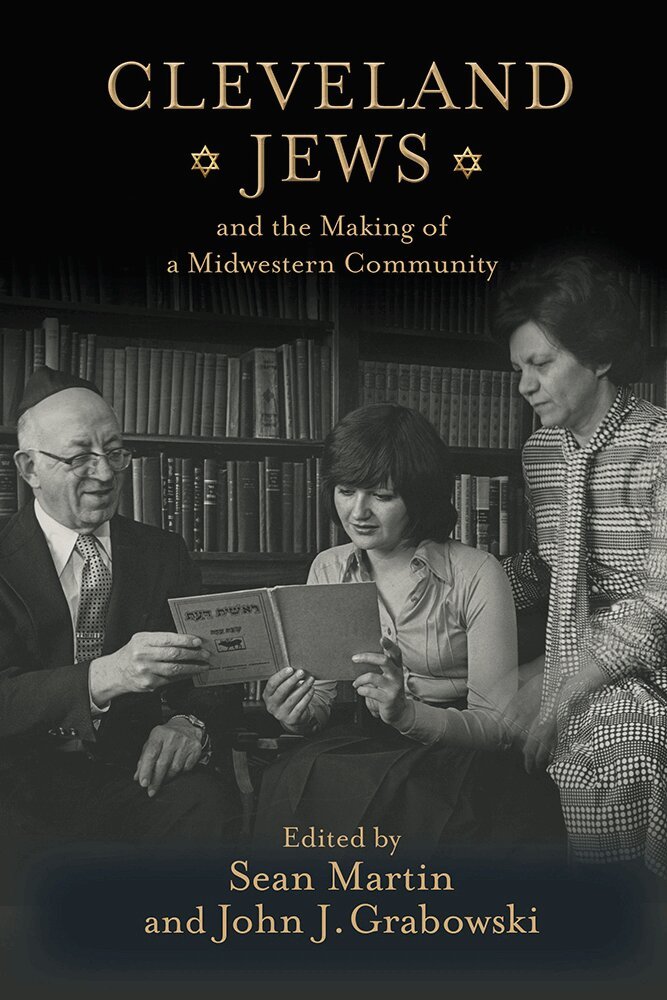
This volume gathers an array of voices to tell the stories of Cleveland's twentieth century Jewish community. Strong and stable after an often turbulent century, the Jews of Cleveland had both deep ties in the region and an evolving and dynamic commitment to Jewish life. The authors present the views and actions of community leaders and everyday Jews who embodied that commitment in their religious participation, educational efforts, philanthropic endeavors, and in their simple desire to live next to each other in the city's eastern suburbs. The twentieth century saw the move of Cleveland's Jews out of the center of the city, a move that only served to increase the density of Jewish life. The essays collected here draw heavily on local archival materials and present the area's Jewish past within the context of American and American Jewish studies.