John J. McCusker – författare
Visar alla böcker från författaren John J. McCusker. Handla med fri frakt och snabb leverans.
3 produkter
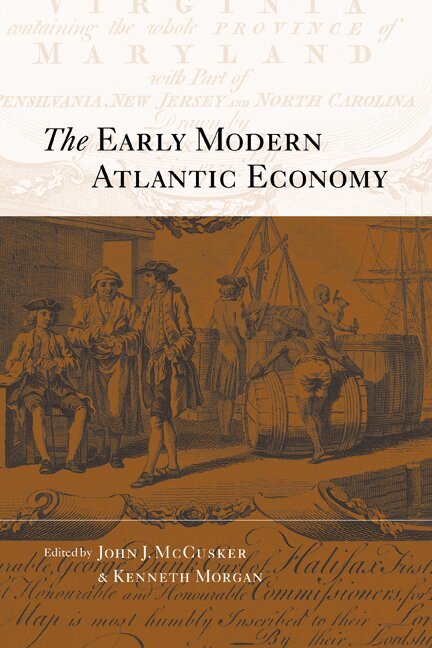
The Early Modern Atlantic Economy
Av John J. McCusker, Kenneth Morgan
Inbunden, 2001
1928 kr
Lägg i varukorg
This book throws new light on the interlocking commercial relationships of the Atlantic trading world during the centuries ending with the American and French Revolutions. Grouped under four themes - the role of merchants and their connections; the development of trades; imperial economies; and …
Money and Exchange in Europe and America, 1600-1775
A Handbook
Häftad, 1992
1066 kr
Lägg i varukorg
The handbook explains how money and exchange functioned as elements of the American economy in the seventeenth and eighteenth centuries; it also provides sufficient technical and statistical information to allow the reader to convert a sum recorded in one currency into its equivalent in another. …
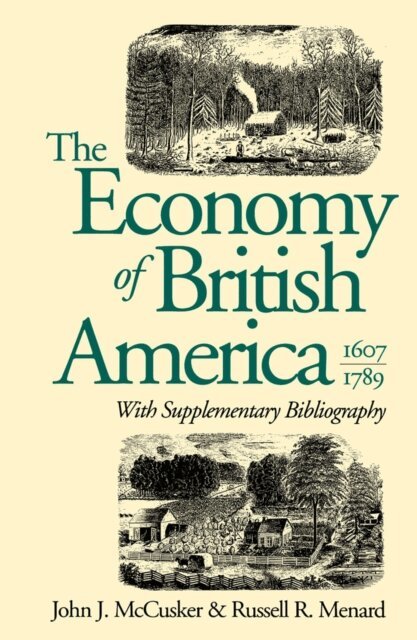
Economy of British America, 1607-1789
Av Russell R. Menard, John J. McCusker
E-bok, 2014
410 kr
Lägg i varukorg
By the American Revolution, the farmers and city-dwellers of British America had achieved, individually and collectively, considerable prosperity. The nature and extent of that success are still unfolding. In this first comprehensive assessment of where research on prerevolutionary economy stands, …