John Kadvany – författare
Visar alla böcker från författaren John Kadvany. Handla med fri frakt och snabb leverans.
6 produkter
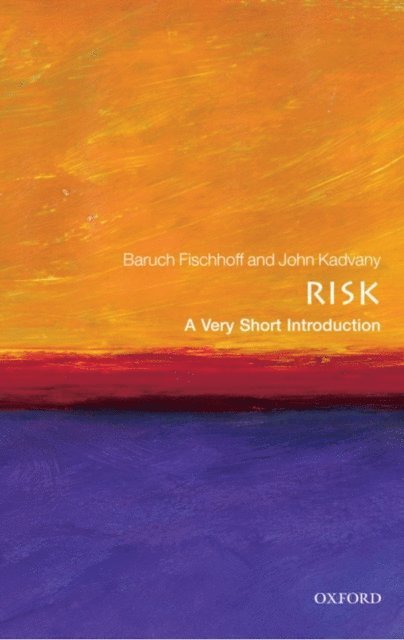
Risk
A Very Short Introduction
Av Baruch Fischhoff, John Kadvany
Häftad, 2011
116 kr
Lägg i varukorg
We find risks everywhere--from genetically modified crops, medical malpractice, and stem-cell therapy to intimacy, online predators, identity theft, inflation, and robbery. They arise from our own acts and they are imposed on us. In this Very Short Introduction, Baruch Fischhoff and John Kadvany …
Risk
A Very Short Introduction
Av John Kadvany, Baruch Fischhoff
E-bok, 2011
95 kr
Lägg i varukorg
We find risks everywhere--from genetically modified crops, medical malpractice, and stem-cell therapy to intimacy, online predators, identity theft, inflation, and robbery. They arise from our own acts and they are imposed on us. In this Very Short Introduction , Baruch Fischhoff and John Kadvany …
Risk
A Very Short Introduction
Av John Kadvany, Baruch Fischhoff
E-bok, 2011
2,0 utav 5 stjärnor. Totalt antal röster: (1)
84 kr
Lägg i varukorg
We find risks everywhere--from genetically modified crops, medical malpractice, and stem-cell therapy to intimacy, online predators, identity theft, inflation, and robbery. They arise from our own acts and they are imposed on us. In this Very Short Introduction , Baruch Fischhoff and John Kadvany …
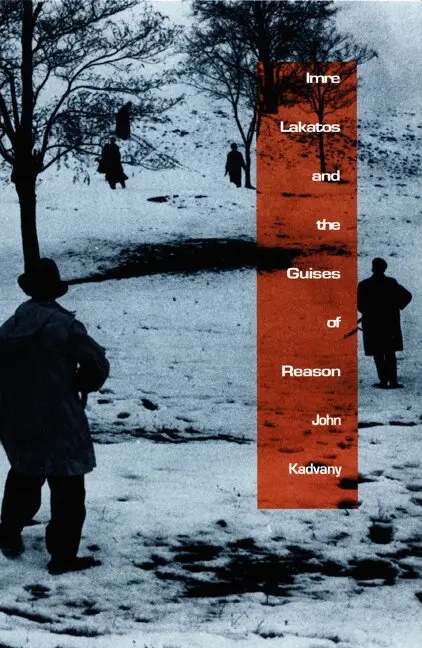
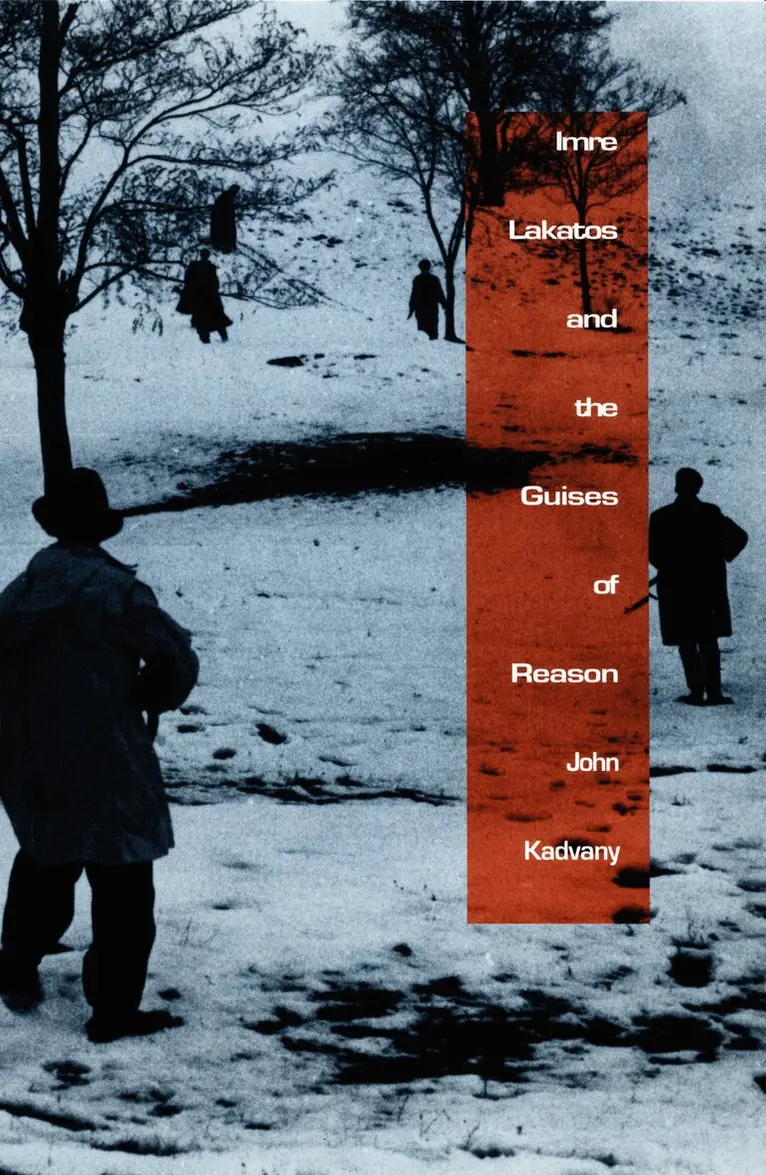
Imre Lakatos and the Guises of Reason
Av John Kadvany
Häftad, 2001
443 kr
Lägg i varukorg
The Hungarian ÉmigrÉ Imre Lakatos (1922–1974) earned a worldwide reputation through the influential philosophy of science debates involving Thomas Kuhn, Paul Feyerabend, and Sir Karl Popper. In Imre Lakatos and the Guises of Reason John Kadvany shows that embedded in Lakatos’s English-language work …
Imre Lakatos and the Guises of Reason
Av John Kadvany
E-bok, 2001
651 kr
Lägg i varukorg
The Hungarian émigré Imre Lakatos (1922–1974) earned a worldwide reputation through the influential philosophy of science debates involving Thomas Kuhn, Paul Feyerabend, and Sir Karl Popper. In Imre Lakatos and the Guises of Reason John Kadvany shows that embedded in Lakatos’s English-language work …
Imre Lakatos and the Guises of Reason
Av John Kadvany
Inbunden, 2001
1415 kr
Tillfälligt slut
The Hungarian ÉmigrÉ Imre Lakatos (1922–1974) earned a worldwide reputation through the influential philosophy of science debates involving Thomas Kuhn, Paul Feyerabend, and Sir Karl Popper. In Imre Lakatos and the Guises of Reason John Kadvany shows that embedded in Lakatos’s English-language work …