John Koethe – författare
Visar alla böcker från författaren John Koethe. Handla med fri frakt och snabb leverans.
27 produkter
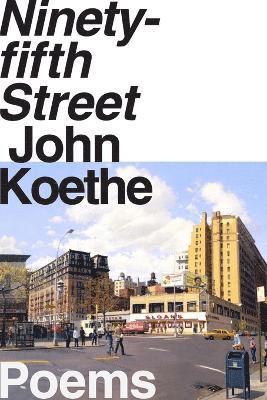
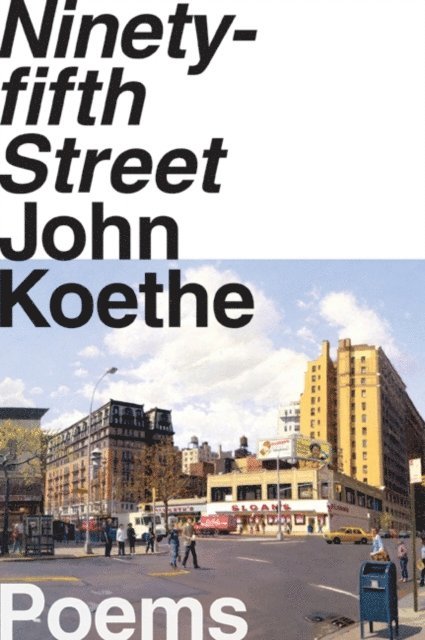
Ninety-fifth Street
Poems
Av John Koethe
E-bok, 2009
91 kr
Lägg i varukorg
A Harper Perennial paperback original, Ninety-fifth Street is a beautiful new collection of poems by John Koethe, acclaimed by poet Edward Hirsch as an heir to Wallace Stevens. In this, his eighth book of poems, Koethe, the author of North Point North and Falling Water , offers readers the …
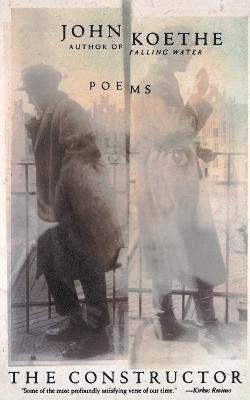
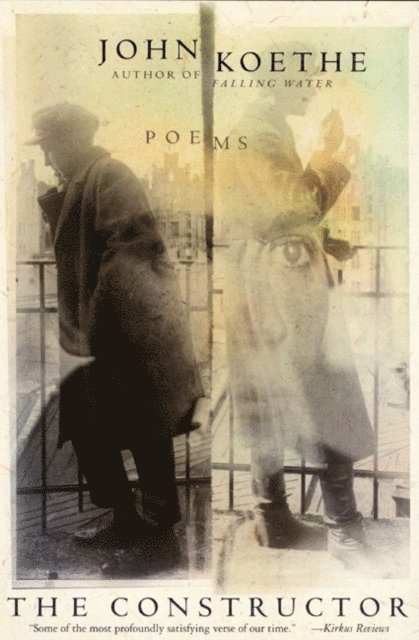
Constructor
Poems
Av John Koethe
E-bok, 2009
91 kr
Lägg i varukorg
"John Koethe''s The Constructor is a scrupulous, elegant account of the meditative intellect as an instrument continually registering the passage of time. Exquisitely modulated and brutally honest, these poems would be harrowing were they not so seductively beautiful. No one writing in this country …
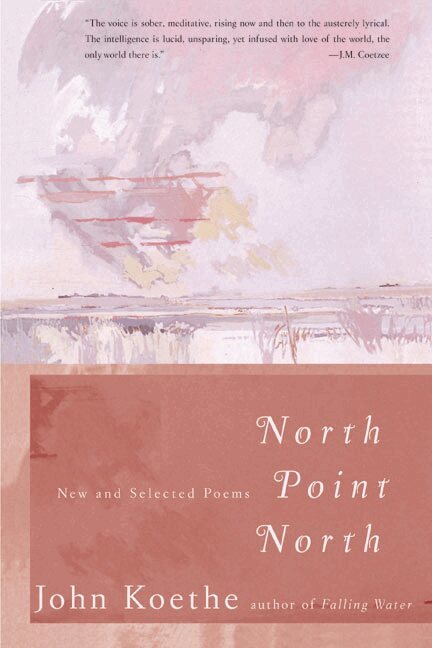
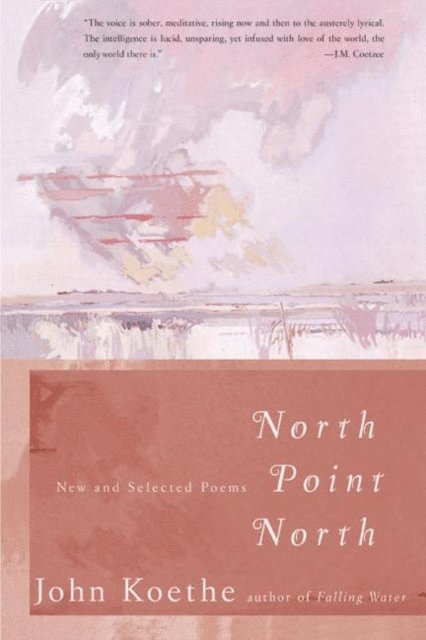
North Point North
New and Selected Poems
Av John Koethe
E-bok, 2009
91 kr
Lägg i varukorg
North Point North: New and Selected Poems showcases the work of an important contemporary American poet, winner of the prestigious Kingsley-Tufts Award for Poetry. The volume opens with twenty-one new poems, some of which have appeared in The New Yorker , American Poetry Review , the New Republic , …
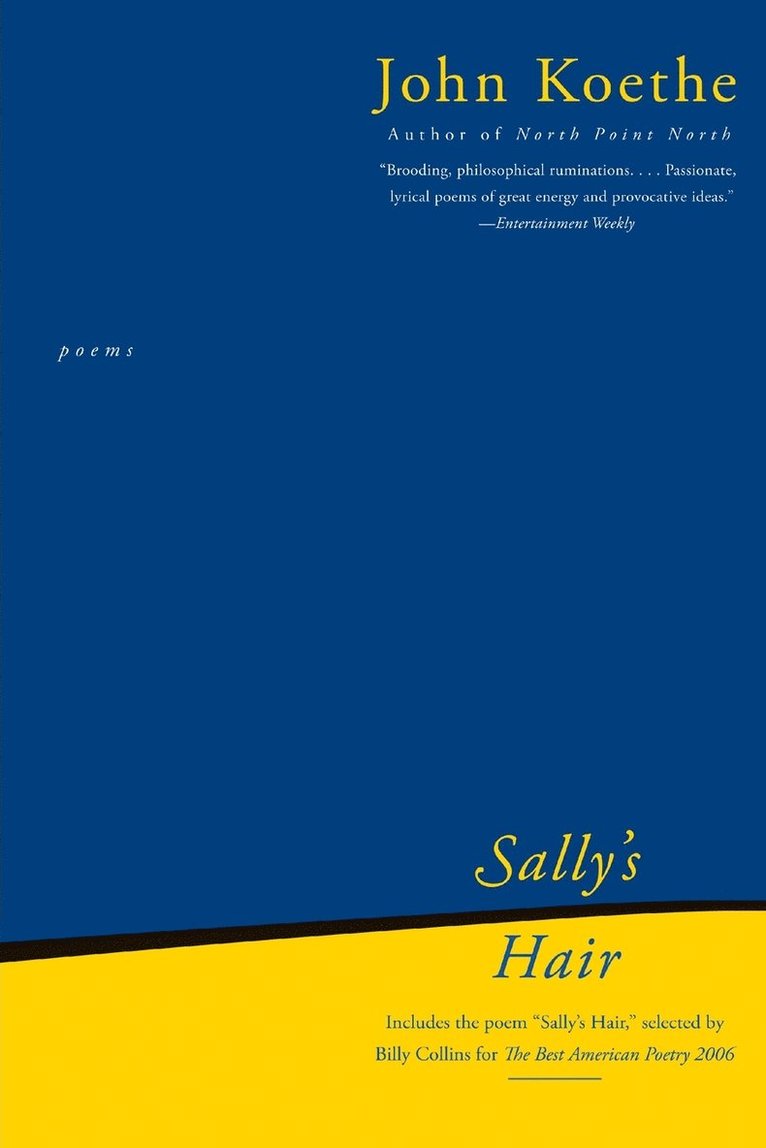
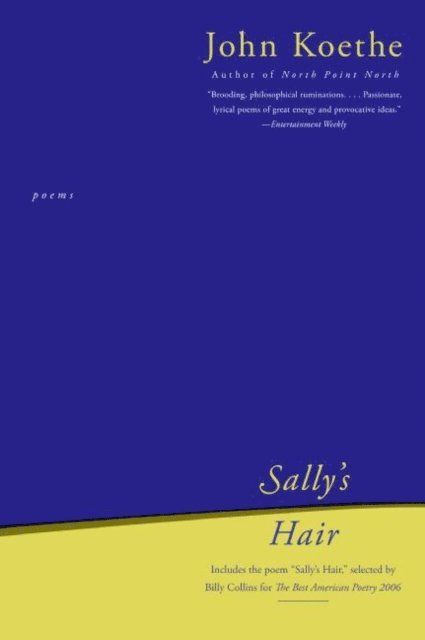
Sally's Hair
Poems
Av John Koethe
E-bok, 2009
91 kr
Lägg i varukorg
Let me stay there for a while, while evening Gathers in the sky and daylight lingers on the hills. There''s something in the air, something I can''t quite see, Hiding behind this stock of images, this language Culled from all the poems I''ve ever loved. John Koethe''s remarkable gift to readers is …
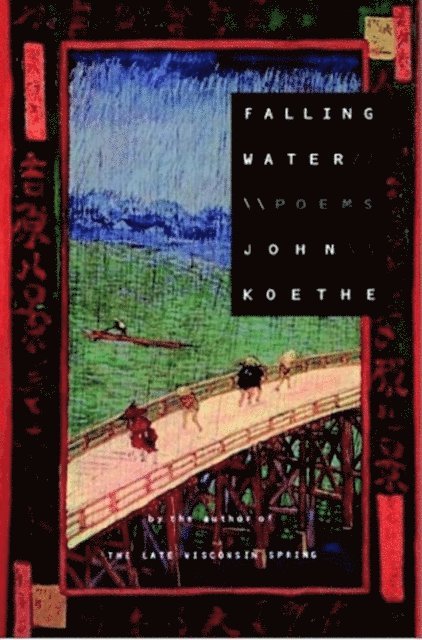
Falling Water
Poems
Av John Koethe
E-bok, 2010
84 kr
Lägg i varukorg
"As a poet who is a teacher of philosophy, John Koethe knows better than most of us the uses and dissatisfactions of both disciplines, if indeed they are disciplines. In this ravishing and haunted book he comes face to face with the time when ''more than half my life is gone,'' and must try to find …
Beyond Belief
Poems
Av John Koethe
E-bok, 2022
229 kr
Lägg i varukorg
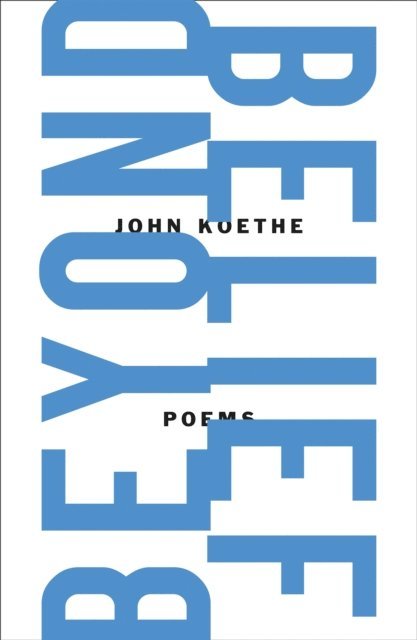
A rich, meditative new collection of poetry from John Koethe, the "necessary and great poet" ( Hyperallergic ). It’s presumptuous, but if you’re reading this you Probably know my usual obsessions and preoccupations: The “world”—both the word and what it stands for—and time, Which is or isn’t real, …
Beyond Belief
Poems
Av John Koethe
Häftad, 2023
164 kr
Lägg i varukorg
A rich, meditative new collection of poetry from John Koethe, the "necessary and great poet" ( Hyperallergic ). Its presumptuous, but if youre reading this you Probably know my usual obsessions and preoccupations: The worldboth the word and what it stands forand time, Which is or isnt real, …
Cemeteries and Galaxies
Poems
Av John Koethe
Häftad, 2025
277 kr
Lägg i varukorg
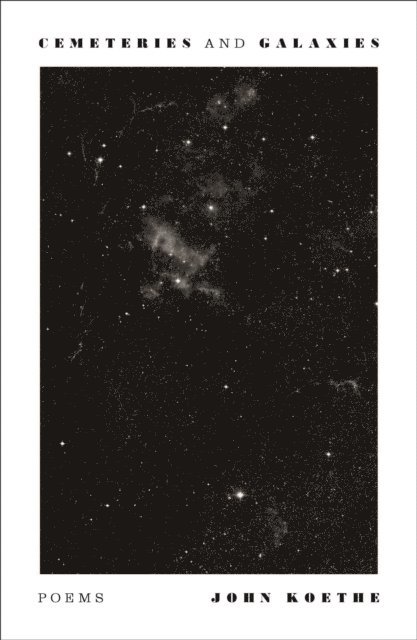
John Koethe unravels timeless questions of death, math, meaning, and much more in this mesmerizing collection. John Koethe, one of our most philosophically sophisticated poets, has written a book of pithy, contentious, witty poems about our perennial, never-satisfied search for meaning. The silent …
Cemeteries and Galaxies
Poems
Av John Koethe
E-bok, 2025
175 kr
Lägg i varukorg
John Koethe unravels timeless questions of death, math, meaning, and much more in this mesmerizing collection. John Koethe, one of our most philosophically sophisticated poets, has written a book of pithy, contentious, witty poems about our perennial, never-satisfied search for meaning. The silent …
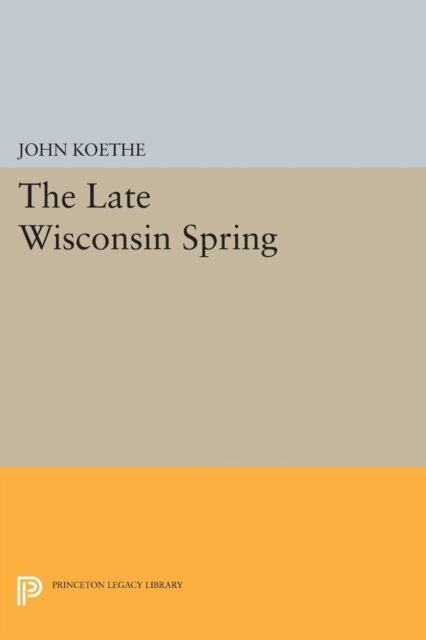
Late Wisconsin Spring
Av John Koethe
Häftad, 2014
411 kr
Lägg i varukorg
"[Koethe's] new collection is that rarity, a book of poems with a genuine philosophical dimension and an elegant but conversational poise."--The New York Times Book Review "Solemn and playful, John Koethe's poems lock themselves gradually but firmly into one's memory. His new collection offers in …
Late Wisconsin Spring
Av John Koethe
Inbunden, 2016
1700 kr
Lägg i varukorg
"[Koethe's] new collection is that rarity, a book of poems with a genuine philosophical dimension and an elegant but conversational poise."--The New York Times Book Review "Solemn and playful, John Koethe's poems lock themselves gradually but firmly into one's memory. His new collection offers in …
Continuity of Wittgenstein's Thought
Av John Koethe
Inbunden, 1996
900 kr
Lägg i varukorg
Ludwig Wittgenstein's philosophical work is informed throughout by a particular broad theme: that the semantic and mentalistic attributes of language and human life are shown by verbal and nonverbal conduct, but that they resist incorporation into the domain of the straightforwardly factual. So …
Scepticism, Knowledge, and Forms of Reasoning
Av John Koethe
Inbunden, 2005
786 kr
Lägg i varukorg
"The problem of philosophical scepticism is not so much what to say about the view itself (there being a consensus that it should be rejected), but rather what to say about the arguments that purport to yield it. And since these arguments involve claims and principles concerning notions like …
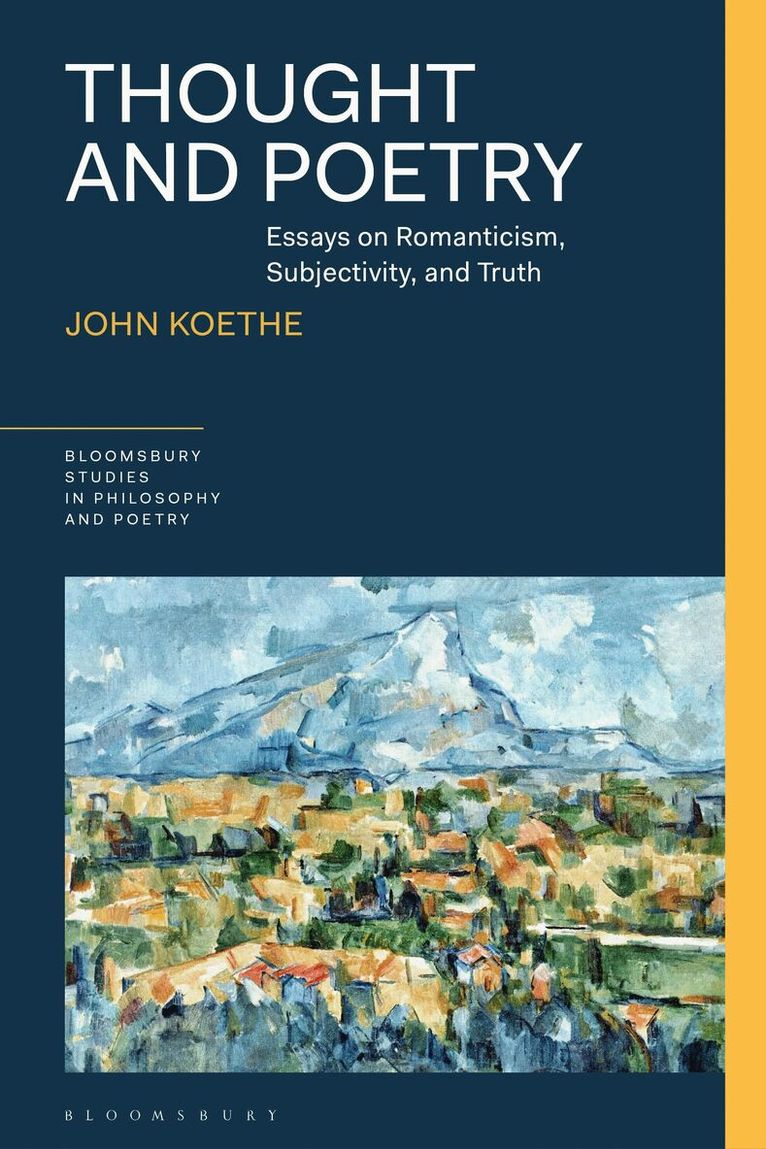
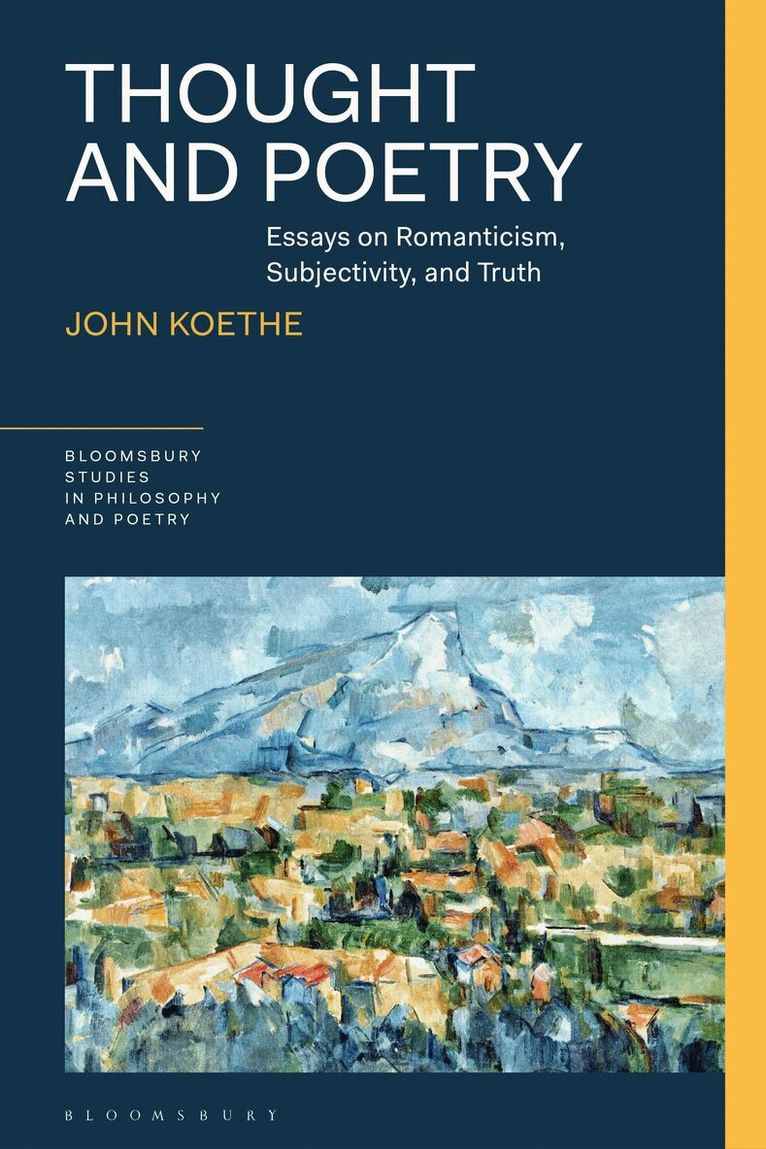
Thought and Poetry
Essays on Romanticism, Subjectivity, and Truth
Inbunden, 2022
1348 kr
Lägg i varukorg
Addressing objective and subjective views of the self and the world in philosophy and poetry, this collection brings together a chronology of John Koethe’s thoughts on the connections between the two forms and makes a significant contribution to unsettling the oppositions that separate them. The …
Thought and Poetry
Essays on Romanticism, Subjectivity, and Truth
Av John Koethe
E-bok, 2022
468 kr
Lägg i varukorg
Addressing objective and subjective views of the self and the world in philosophy and poetry, this collection brings together a chronology of John Koethe''s thoughts on the connections between the two forms and makes a significant contribution to unsettling the oppositions that separate them. The …
Thought and Poetry
Essays on Romanticism, Subjectivity, and Truth
Av John Koethe
E-bok, 2022
468 kr
Lägg i varukorg
Addressing objective and subjective views of the self and the world in philosophy and poetry, this collection brings together a chronology of John Koethe''s thoughts on the connections between the two forms and makes a significant contribution to unsettling the oppositions that separate them. The …
Thought and Poetry
Essays on Romanticism, Subjectivity, and Truth
Häftad, 2023
431 kr
Lägg i varukorg
Addressing objective and subjective views of the self and the world in philosophy and poetry, this collection brings together a chronology of John Koethe’s thoughts on the connections between the two forms and makes a significant contribution to unsettling the oppositions that separate them. The …
Late Wisconsin Spring
Av John Koethe
E-bok, 2014
574 kr
Lägg i varukorg
"e;[Koethe's] new collection is that rarity, a book of poems with a genuine philosophical dimension and an elegant but conversational poise."e;--The New York Times Book Review"e;Solemn and playful, John Koethe's poems lock themselves gradually but firmly into one's memory. His new …
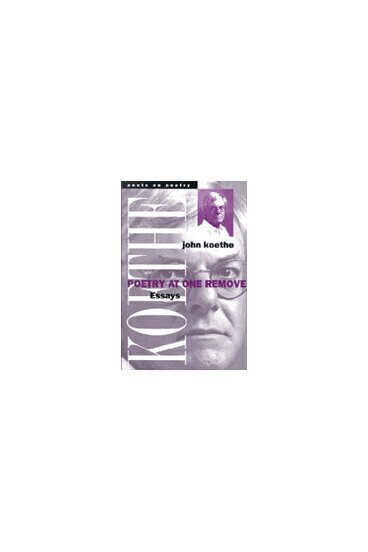
Poetry at One Remove
Essays
Av John Koethe
Häftad, 2000
319 kr
Tillfälligt slut
Poetry at One Remove collects the essays of contemporary American poet John Koethe. Uniquely, Koethe is also a philosopher fascinated by the relationship between poetry and philosophy. His essays address the work of particular poets, the notions of the self poetry embodies, the relationship between …
Poetry at One Remove
Essays
Av John Koethe
Inbunden, 2000
1295 kr
Tillfälligt slut
Poetry at One Remove collects the essays of contemporary American poet John Koethe. Uniquely, Koethe is also a philosopher fascinated by the relationship between poetry and philosophy. His essays address the work of particular poets, the notions of the self poetry embodies, the relationship between …