John L. Kessell – författare
Visar alla böcker från författaren John L. Kessell. Handla med fri frakt och snabb leverans.
21 produkter
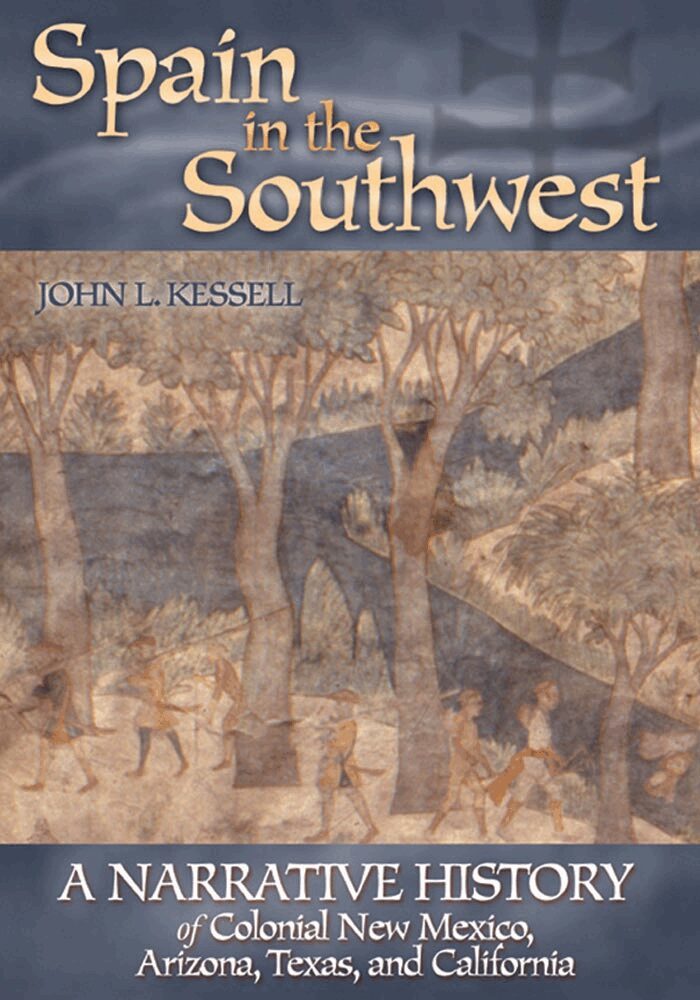
Spain in the Southwest
A Narrative History of Colonial New Mexico, Arizona, Texas, and California
Häftad, 2003
323 kr
Lägg i varukorg
John L. Kessell's Spain in the Southwest presents a fast-paced, abundantly illustrated history of the Spanish colonies that became the states of New Mexico, Arizona, Texas, and California. With an eye for human interest, Kessell tells the story of New Spain's vast frontier--today's American …
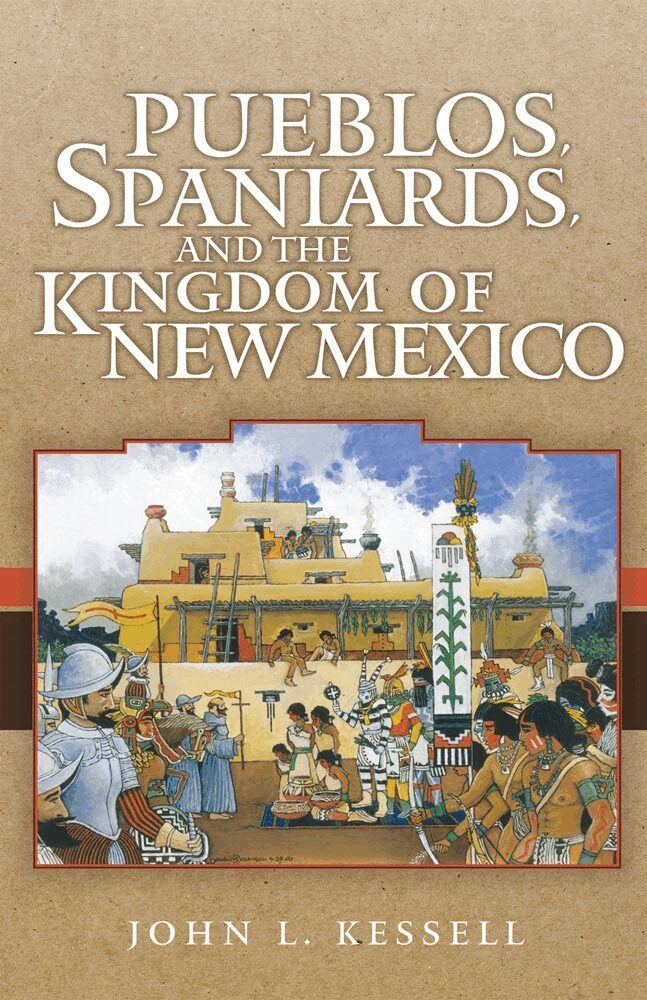
Pueblos, Spaniards, and the Kingdom of New Mexico
Häftad, 2010
256 kr
Lägg i varukorg
For more than four hundred years in New Mexico, Pueblo Indians and Spaniards have lived ""together yet apart."" Now the preeminent historian of that region's colonial past offers a fresh, balanced look at the origins of a precarious relationship.John L. Kessell has written the first narrative …
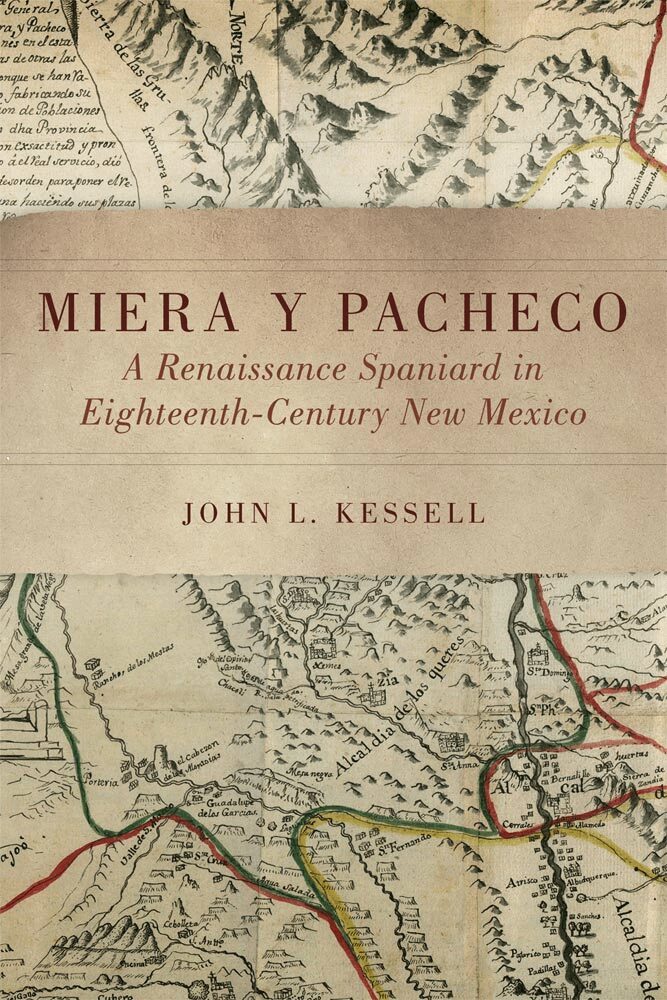
Miera Y Pacheco
A Renaissance Spaniard in Eighteenth-Century New Mexico
Häftad, 2015
264 kr
Lägg i varukorg
Remembered today as an early cartographer and prolific religious artist, don Bernardo de Miera y Pacheco (1713-1785) engaged during his lifetime in a surprising array of other pursuits: engineer and militia captain on Indian campaigns, district officer, merchant, debt collector, metallurgist, …
Mission of Sorrows
Jesuit Guevavi and the Pimas, 16911767
Häftad, 2016
355 kr
Lägg i varukorg
The Mission of Guevavi on the Santa Cruz River in what is now southern Arizona served as a focal point of Jesuit missionary endeavor among the Pima Indians on New Spain's far northwestern frontier.For three-quarters of a century, from the first visit by the renowned Eusebio Francisco Kino in 1691 …
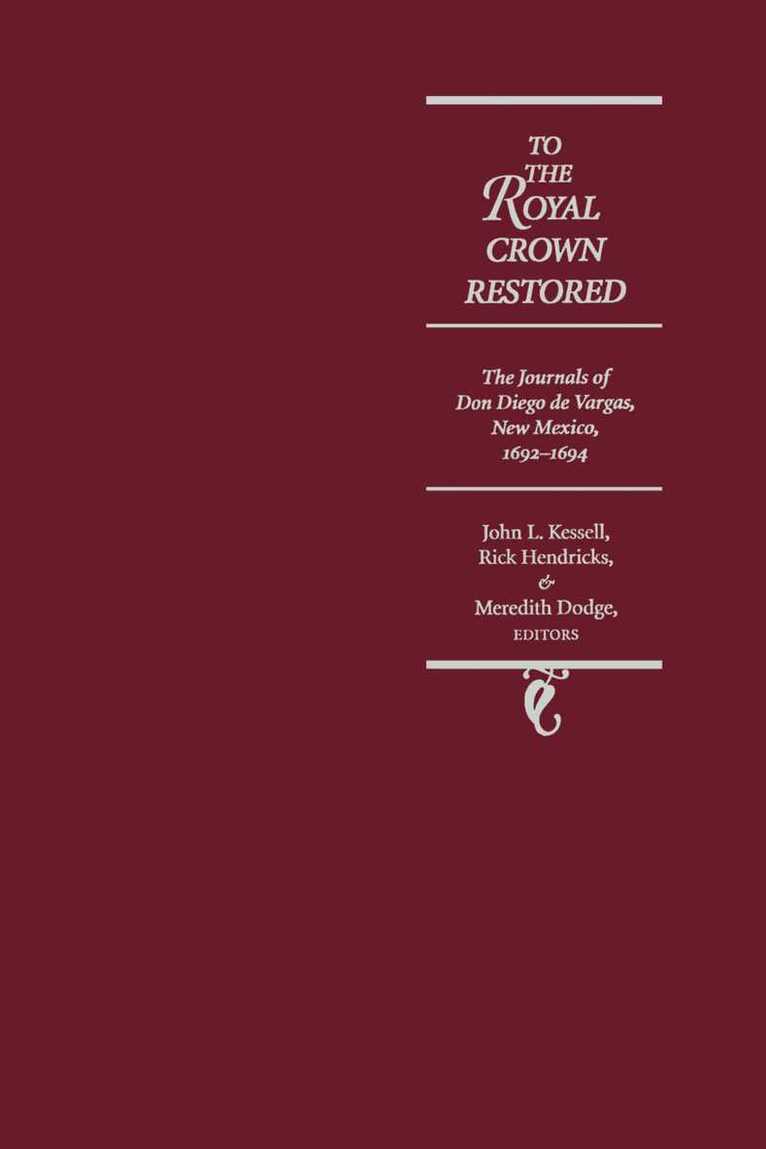
To the Royal Crown Restored
The Journals of Don Diego De Vargas, New Mexico, 1692-94
Av Diego De Vargas, John L. Kessell m. fl.
Inbunden, 1994
992 kr
Lägg i varukorg
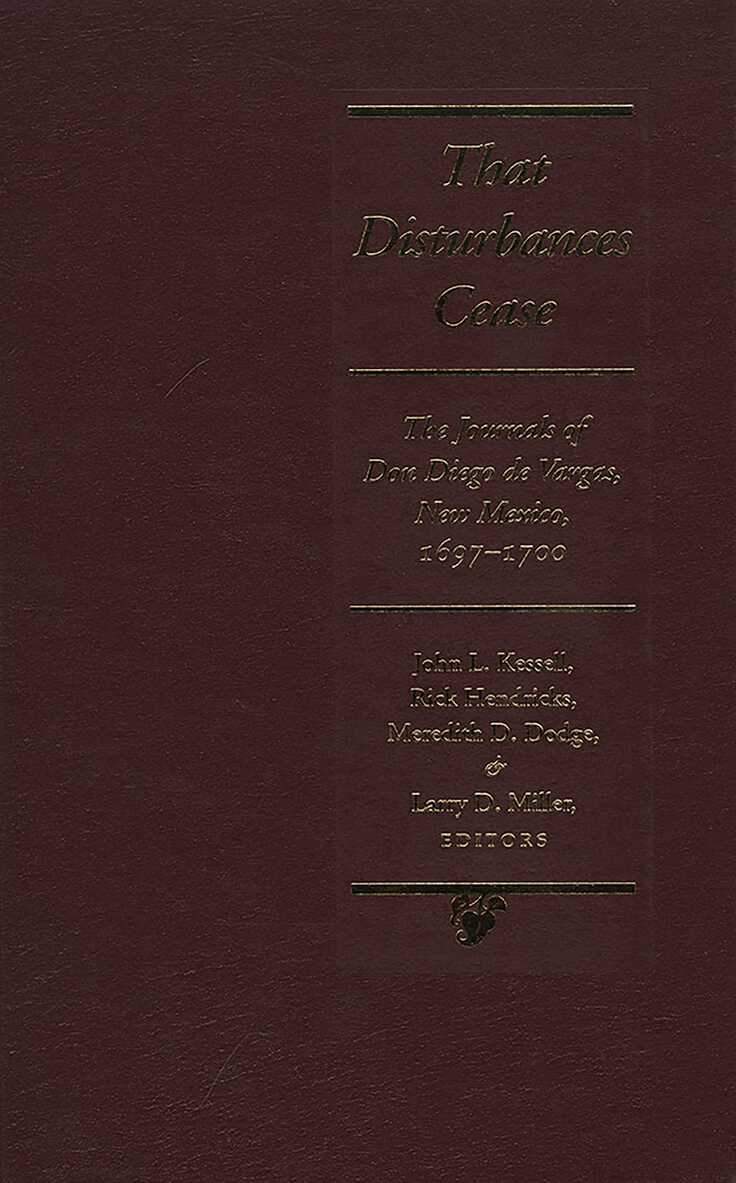
That Disturbances Cease
The Journals of Don Diego De Vargas, New Mexico, 1697-1700
Av Diego De Vargas, John L. Kessell m. fl.
Inbunden, 2000
1469 kr
Lägg i varukorg
Documents the legal manoeuvring at Santa Fe, Mexico City, and Madrid, as sitting governor, former governor, and groups of contending colonists struggle to make themselves heard and advance their interests.
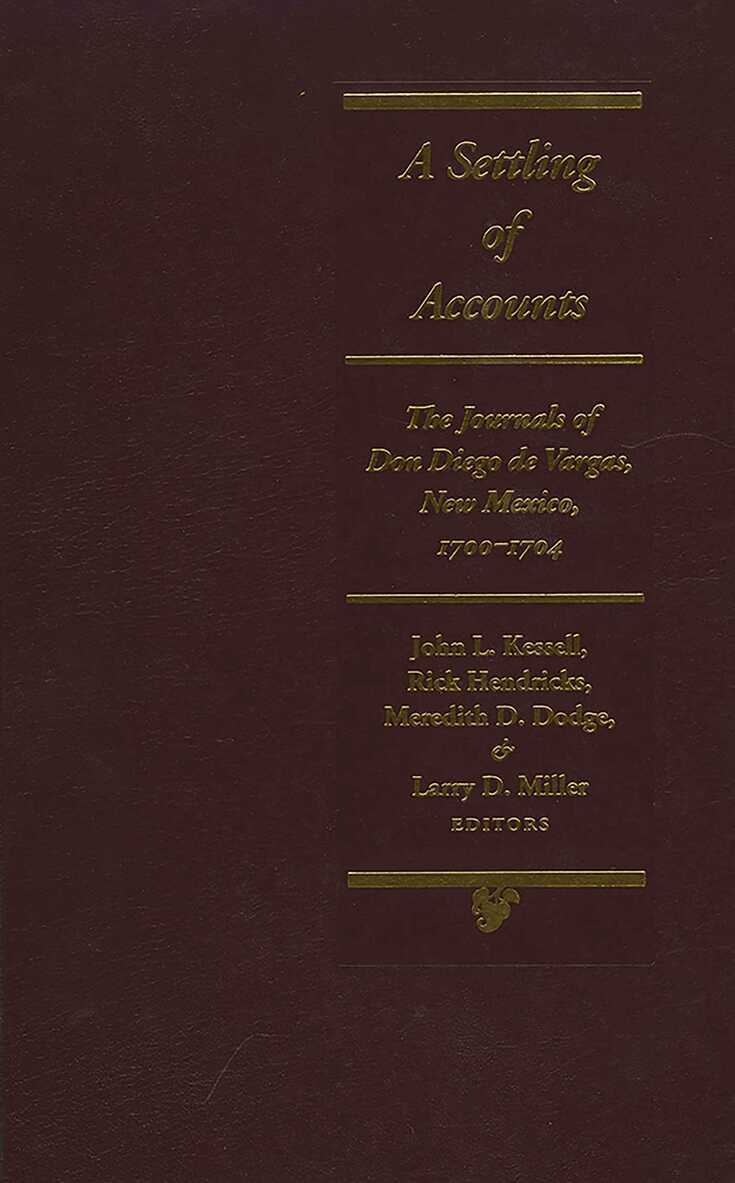
Settling of Accounts
The Journals of Don Diego De Vargas, New Mexico, 1700-1704
Av Diego De Vargas, Kessell J.L. m. fl.
Inbunden, 2002
1469 kr
Lägg i varukorg
In this, the sixth and final volume of the journals of don Diego de Vargas, Kessell and his colleagues continue their exploration of politics and society in the colonial New Mexico of the turn of the eighteenth century. Despite serious charges of malfeasance brought against him by agents of his …
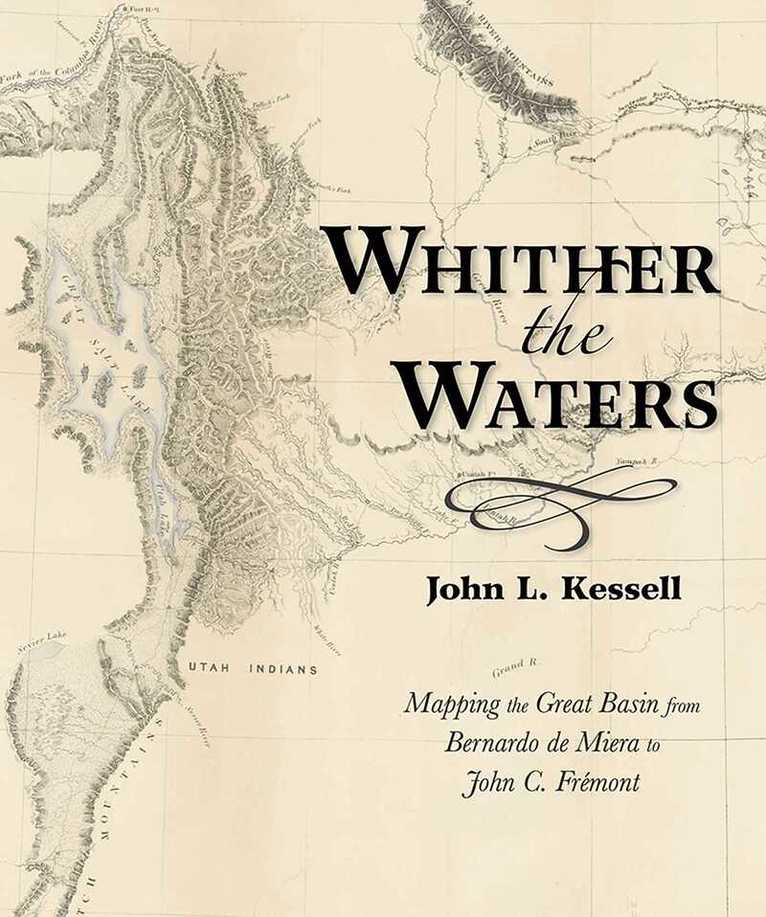
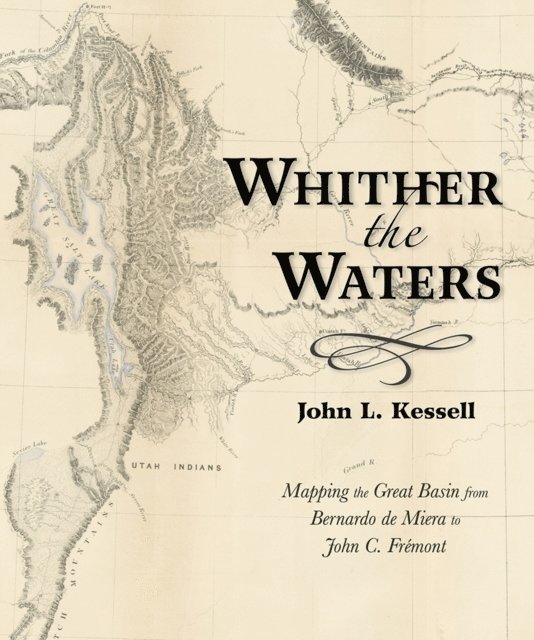
Whither the Waters
Mapping the Great Basin from Bernardo De Miera to John C. Frémont
Häftad, 2017
341 kr
Lägg i varukorg
Bernardo de Miera y Pacheco (1713–1785) is remembered today not only as colonial New Mexico’s preeminent religious artist, but also as the cartographer who drew some of the most important early maps of the American West. His “Plano Geographico” of the Colorado Plateau and Great Basin, revised by …
Whither the Waters
Mapping the Great Basin from Bernardo de Miera to John C. Frémont
E-bok, 2017
419 kr
Lägg i varukorg
Bernardo de Miera y Pacheco (1713–1785) is remembered today not only as colonial New Mexico’s preeminent religious artist, but also as the cartographer who drew some of the most important early maps of the American West. His “Plano Geographico” of the Colorado Plateau and Great Basin, revised by …
Northern New Spain, New Mexico Historical Review Essays (Hardcover)`
Inbunden, 2024
446 kr
Lägg i varukorg
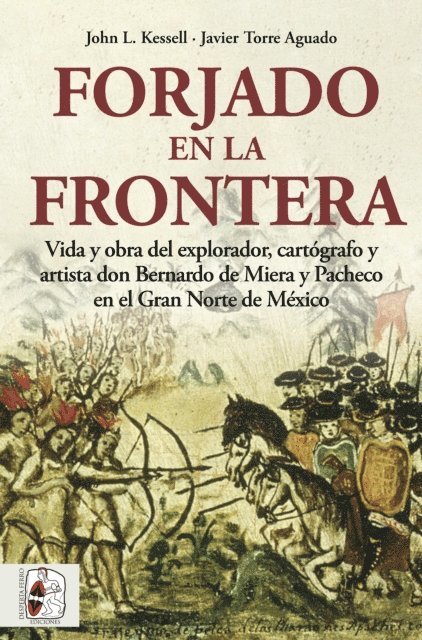
Forjado en la frontera
Vida y obra del explorador, cartógrafo y artista don Bernardo de Miera y Pacheco en el Gran Norte de México
Av Javier Torre Aguado, John L. Kessell
E-bok, 2022
129 kr
Lägg i varukorg
El Gran Norte es la región más inhóspita de lo que hoy conocemos como el Oeste americano, una región donde las abruptas cadenas montañosas se alternan con altiplanos desérticos de magnitud inconmensurable, la frontera norte del vasto imperio español en América, una auténtica Terra Incognita. El …
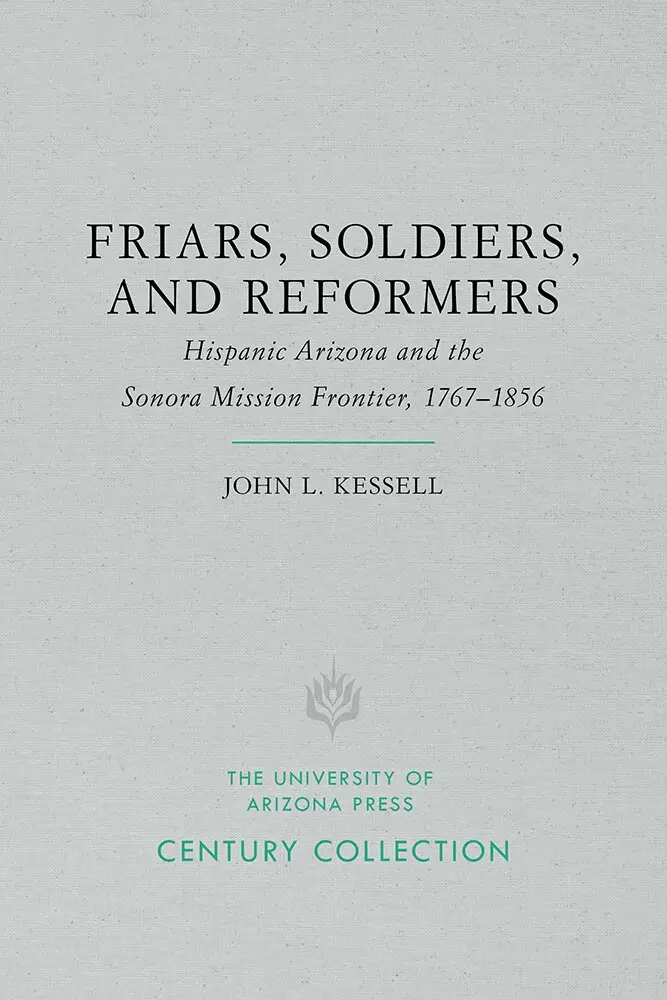
Friars, Soldiers, and Reformers
Hispanic Arizona and the Sonora Mission Frontier, 17671856
Häftad, 2016
471 kr
Tillfälligt slut
The Franciscan mission San José de Tumacácori and the perennially undermanned presidio Tubac become John L. Kessell's windows on the Arizona–Sonora frontier in this colorful documentary history. His fascinating view extends from the Jesuit expulsion to the coming of the U.S. Army.Kessell provides …
By Force of Arms
The Journals of Don Diego De Vargas, 1691-1693
Av Diego De Vargas, John L. Kessell m. fl.
Inbunden, 1992
1023 kr
Tillfälligt slut
The first in a five-volume collection of diaries kept by Diego de Vargas Zapata y Luján Ponce de León y Contreras, the 25th Spanish Governor of the Santa Fe de Nuevo México territory of New Spain, and leader of La Reconquista following the Pueblo Revolt of 1680. This modern English translation …
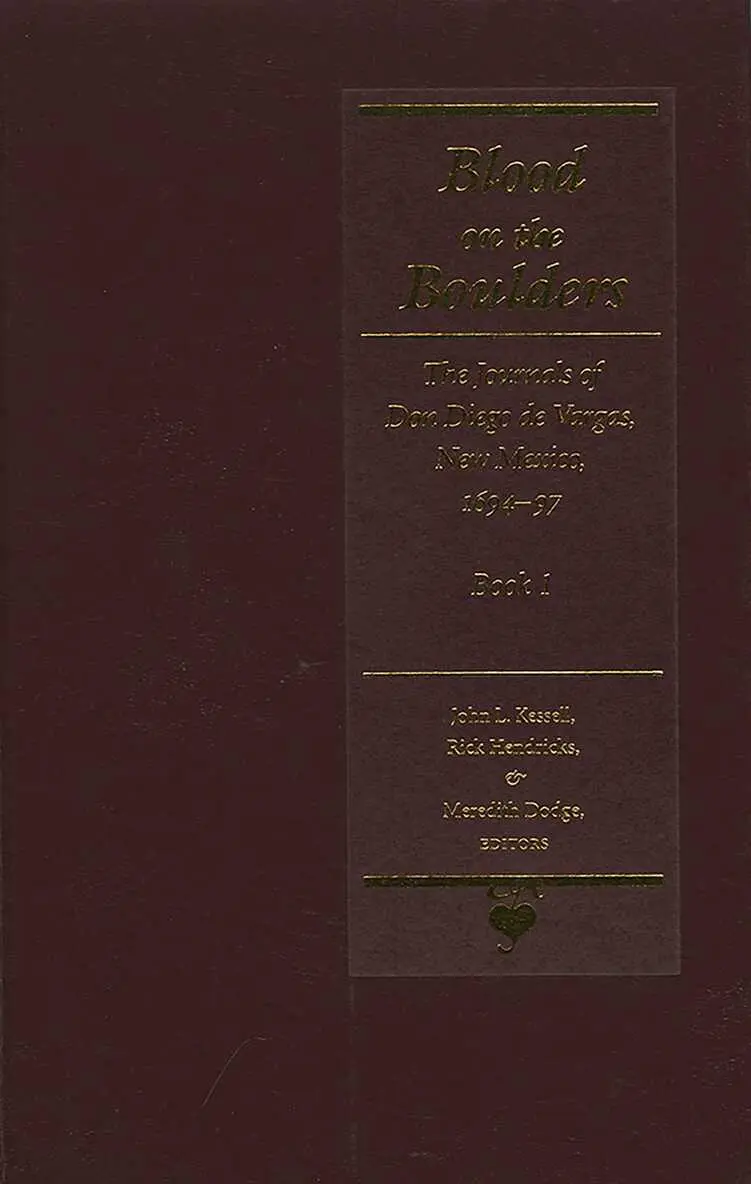
Blood on the Boulders
The Journals of Don Diego De Vargas, New Mexico, 1694-97
Av Diego De Vargas, John L. Kessell m. fl.
Inbunden, 1998
1428 kr
Tillfälligt slut
Volumes of the Vargas Project (Boxed Set)
Av John L. Kessell, Rick Hendricks m. fl.
2002
7307 kr
Tillfälligt slut
In this limited, numbered, and signed boxed set are first editions of every volume in the official correspondence of don Diego de Vargas: By Force of Arms, To the Royal Crown Restored, Blood on the Boulders, That Disturbances Cease, and A Settling of Accounts.The sets are a commemoration of the …