John M. D. Pohl - Böcker
Visar alla böcker från författaren John M. D. Pohl. Handla med fri frakt och snabb leverans.
3 produkter
3 produkter
1 458 kr
Tillfälligt slut
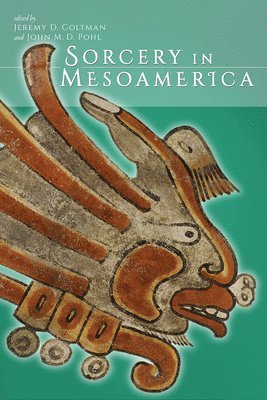
Approaching sorcery as highly rational and rooted in significant social and cultural values, Sorcery in Mesoamerica examines and reconstructs the original indigenous logic behind it, analyzing manifestations from the Classic Maya to the ethnographic present. While the topic of sorcery and witchcraft in anthropology is well developed in other areas of the world, it has received little academic attention in Mexico and Central America until now. In each chapter, preeminent scholars of ritual and belief ask very different questions about what exactly sorcery is in Mesoamerica. Contributors consider linguistic and visual aspects of sorcery and witchcraft, such as the terminology in Aztec semantics and dictionaries of the Kaqchiquel and K’iche’ Maya. Others explore the practice of sorcery and witchcraft, including the incorporation by indigenous sorcerers in the Mexican highlands of European perspectives and practices into their belief system. Contributors also examine specific deities, entities, and phenomena, such as the pantheistic Nahua spirit entities called forth to assist healers and rain makers, the categorization of Classic Maya Wahy (“co-essence”) beings, the cult of the Aztec goddess Cihuacoatl, and the recurring relationship between female genitalia and the magical conjuring of a centipede throughout Mesoamerica. Placing the Mesoamerican people in a human context—as engaged in a rational and logical system of behavior—Sorcery inMesoamerica is the first comprehensive study of the subject and an invaluable resource for students and scholars of Mesoamerican culture and religion. Contributors:Lilián González Chévez, John F. Chuchiak IV, Jeremy D. Coltman, Roberto Martínez González, Oswaldo Chinchilla Mazariegos, Cecelia F. Klein, Timothy J. Knab, John Monaghan, Jesper Nielsen, John M. D. Pohl, Alan R. Sandstrom, Pamela Effrein Sandstrom, David Stuart
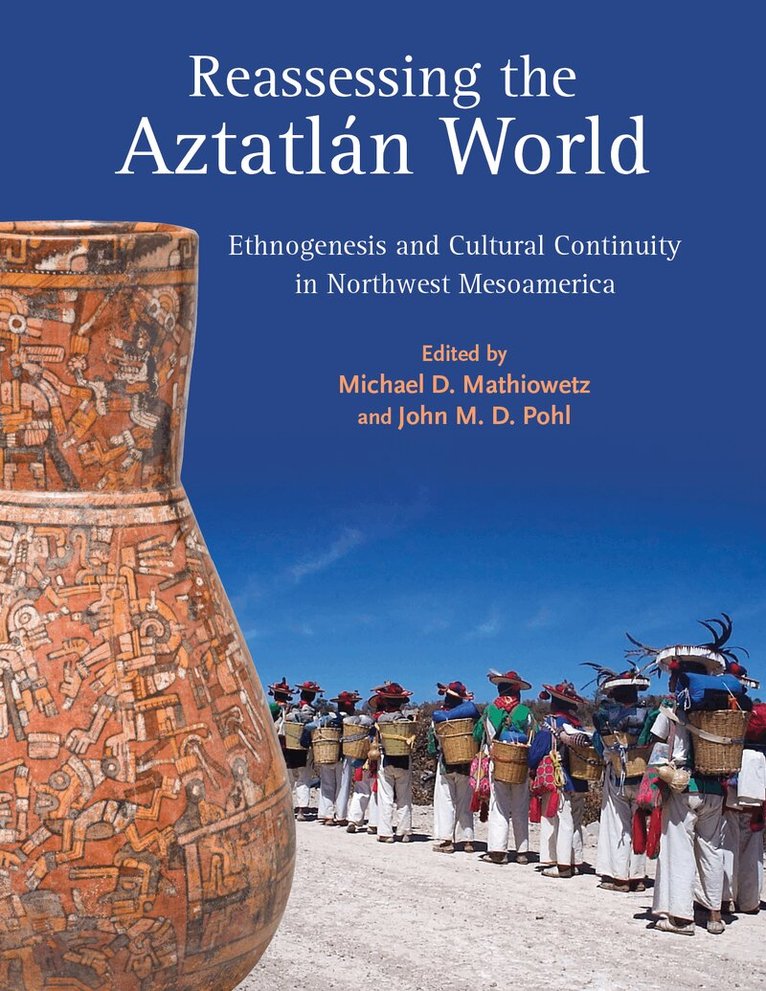
Reassessing the Aztatlán World
Ethnogenesis and Cultural Continuity in Northwest Mesoamerica
Inbunden, Engelska, 2024
928 kr
Skickas inom 7-10 vardagar
The AztatlÁn tradition of northwest Mesoamerica (AD 850/900–1350+) is one of the most understudied and enigmatic cultural developments in the Americas. This volume presents a spectrum of interdisciplinary research into AztatlÁn societies, combining innovative archaeological methods with historical and ethnographic investigations. The results offer significant revelations about west Mexico’s critical role in over a millennium of cultural interaction between Indigenous societies in northwest and northeast Mexico, the Greater U.S. Southwest, Mesoamerica, lower Central America, and beyond.Volume contributors show how those responsible for the AztatlÁn tradition were direct ancestors of diverse Indigenous peoples such as the NÁayeri (Cora), WixÁrika (Huichol), O’dam (Tepehuan), Caz’ Ahmo (Caxcan), Yoeme (Yaqui), Yoreme (Mayo), and others who continue to reside across the former AztatlÁn region and its frontiers. The prosperity of the AztatlÁn tradition was achieved through long-distance networks that fostered the development of new ritual economies and integrated peoples in Greater Mesoamerica with those in the U.S. Southwest/Mexican Northwest.
1 142 kr
Skickas inom 5-8 vardagar
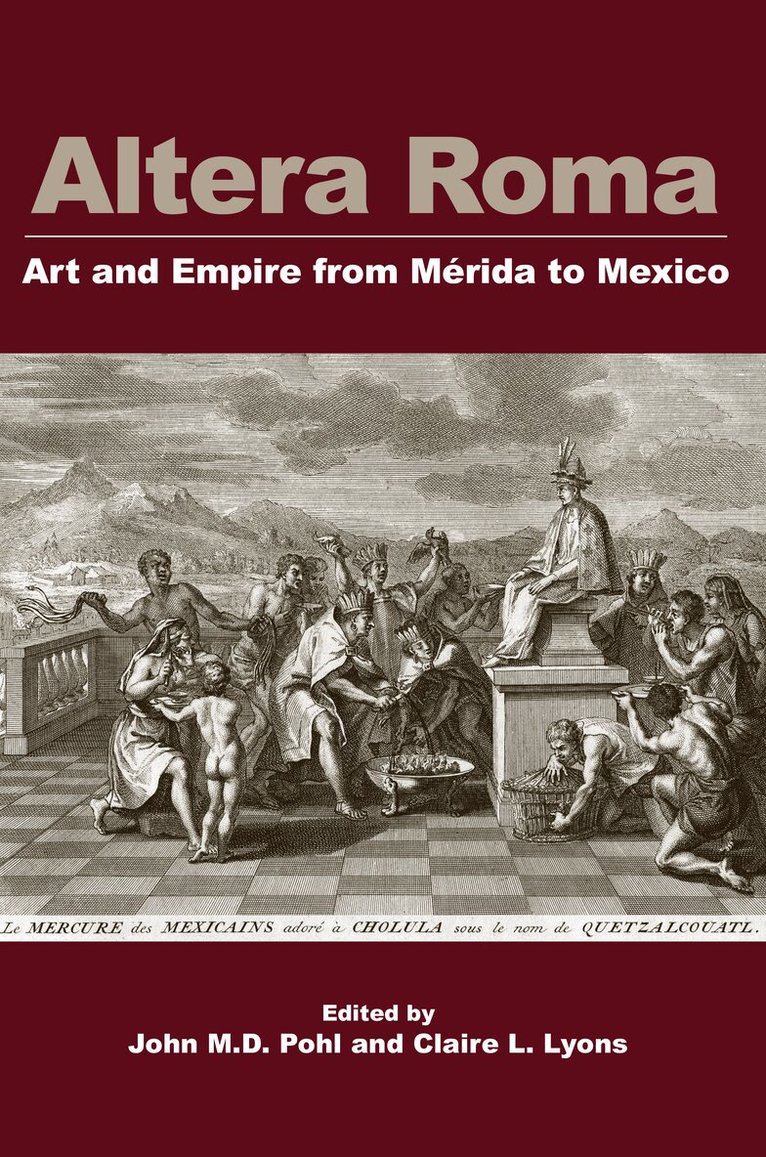
Altera Roma explores the confrontation of two cultures, European and Amerindian, and two empires, Spanish and Aztec. In an age of exploration and conquest, Spanish soldiers, missionaries, and merchants brought an array of cultural preconceptions. Their encounter with Aztec civilization coincided with Europe's rediscovery of classical antiquity, and Tenochtitlan came to be regarded a"second Rome,"or altera Roma. Iberia's past as the Roman province of Hispania served to both guide and critique the Spanish overseas mission. The dialogue that emerged between the Old World and the New World shaped a dual heritage into the unique culture of Nueva Espana. In this volume, ten eminent historians and archaeologists examine the analogies between empires widely separated in time and place and consider how monumental art and architecture created"theater states,"a strategy that links ancient Rome, Hapsburg Spain, preconquest Mexico, and other imperial regimes.