John Majewski – författare
Visar alla böcker från författaren John Majewski. Handla med fri frakt och snabb leverans.
9 produkter
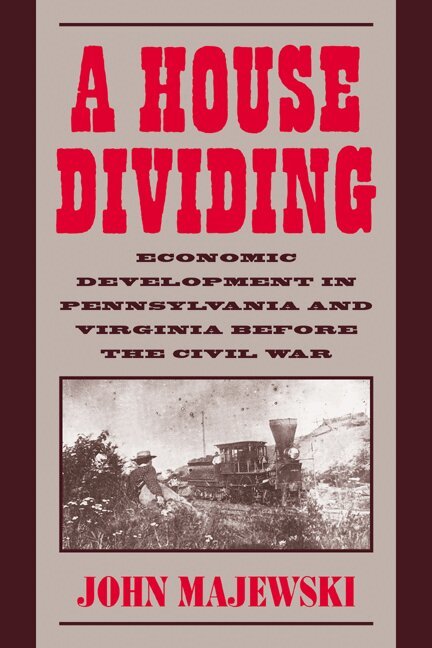
A House Dividing
Economic Development in Pennsylvania and Virginia before the Civil War
Av John Majewski, Louis Galambos
Häftad, 2006
557 kr
Lägg i varukorg
A House Dividing compares Virginia and Pennsylvania to answer a crucial question of American history: how did slavery undermine the development of the southern economy? Extensive archival research reveals that in the first decades of the nineteenth century, local residents in each state financed …
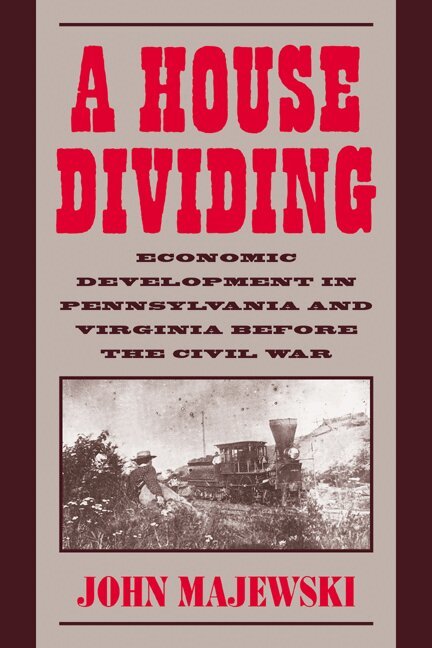
A House Dividing
Economic Development in Pennsylvania and Virginia before the Civil War
Inbunden, 2000
787 kr
Lägg i varukorg
A House Dividing compares Virginia and Pennsylvania to answer a crucial question of American history: how did slavery undermine the development of the southern economy? Extensive archival research reveals that in the first decades of the nineteenth century, local residents in each state financed …
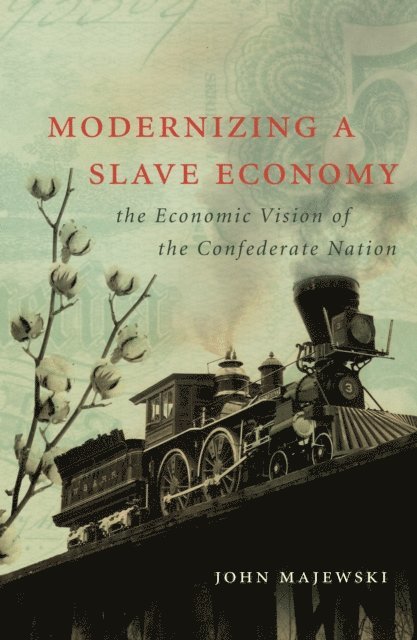
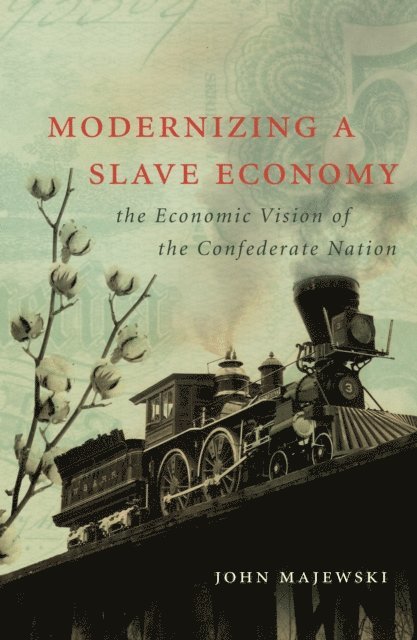
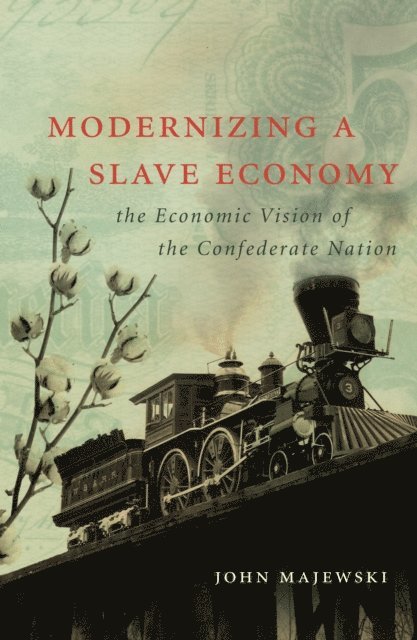
Modernizing a Slave Economy
The Economic Vision of the Confederate Nation
E-bok, 2011
262 kr
Lägg i varukorg
What would separate Union and Confederate countries look like if the South had won the Civil War? In fact, this was something that southern secessionists actively debated. Imagining themselves as nation builders, they understood the importance of a plan for the economic structure of the …
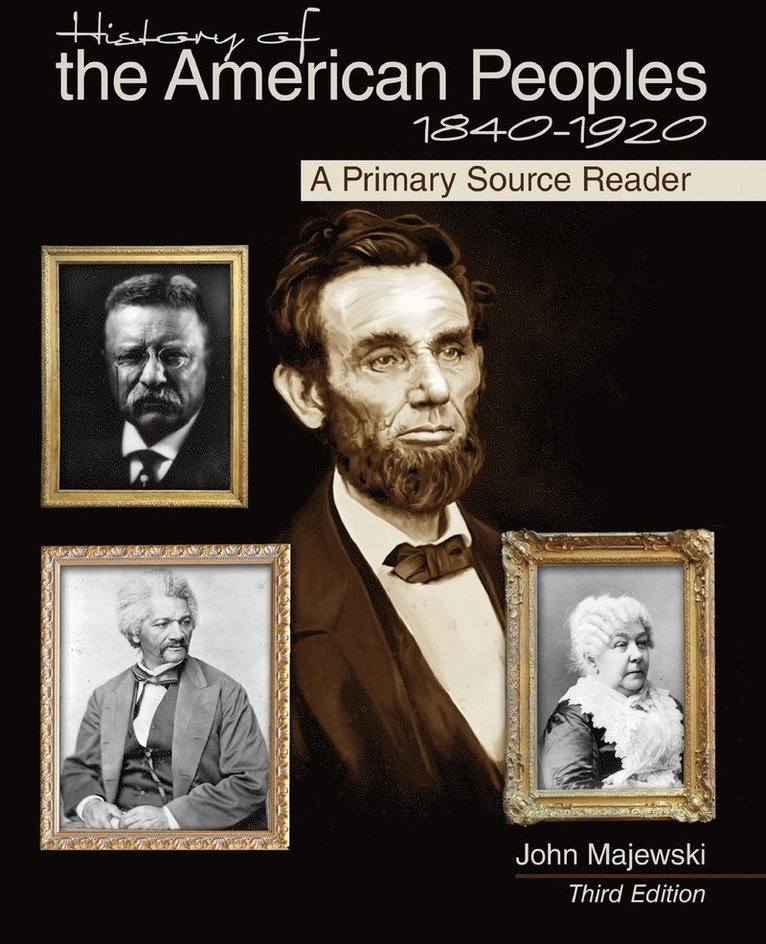
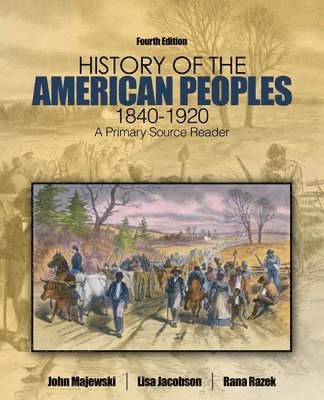
History of the American Peoples, 1840-1920: A Primary Source Reader
Häftad, 2013
1066 kr
Lägg i varukorg
Modernizing a Slave Economy
The Economic Vision of the Confederate Nation
E-bok, 2011
1177 kr
Lägg i varukorg
What would separate Union and Confederate countries look like if the South had won the Civil War? In fact, this was something that southern secessionists actively debated. Imagining themselves as nation builders, they understood the importance of a plan for the economic structure of the …
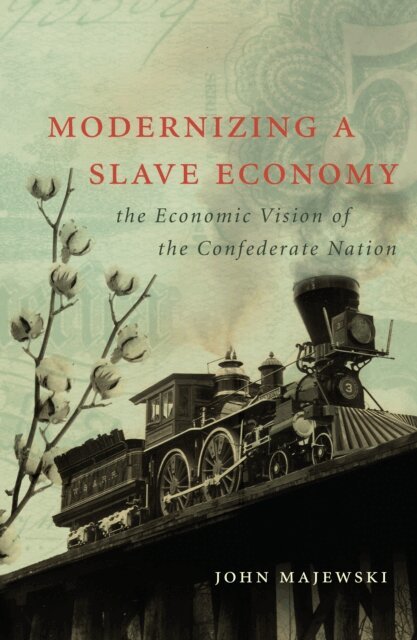
Modernizing a Slave Economy
The Economic Vision of the Confederate Nation
Häftad, 2014
474 kr
Lägg i varukorg
What would separate Union and Confederate countries look like if the South had won the Civil War? In fact, this was something that southern secessionists actively debated. Imagining themselves as nation builders, they understood the importance of a plan for the economic structure of the …
History of the American Peoples, 1840-1920: A Primary Source Reader
Av John Majewski, Lisa Jacobson m. fl.
Häftad, 2016
1160 kr
Lägg i varukorg
Modernizing a Slave Economy
The Economic Vision of the Confederate Nation
E-bok, 2011
262 kr
Lägg i varukorg
What would separate Union and Confederate countries look like if the South had won the Civil War? In fact, this was something that southern secessionists actively debated. Imagining themselves as nation builders, they understood the importance of a plan for the economic structure of the …
Modernizing a Slave Economy
The Economic Vision of the Confederate Nation
E-bok, 2011
1516 kr
Lägg i varukorg
What would separate Union and Confederate countries look like if the South had won the Civil War? In fact, this was something that southern secessionists actively debated. Imagining themselves as nation builders, they understood the importance of a plan for the economic structure of the …