John McNabb – författare
Visar alla böcker från författaren John McNabb. Handla med fri frakt och snabb leverans.
15 produkter
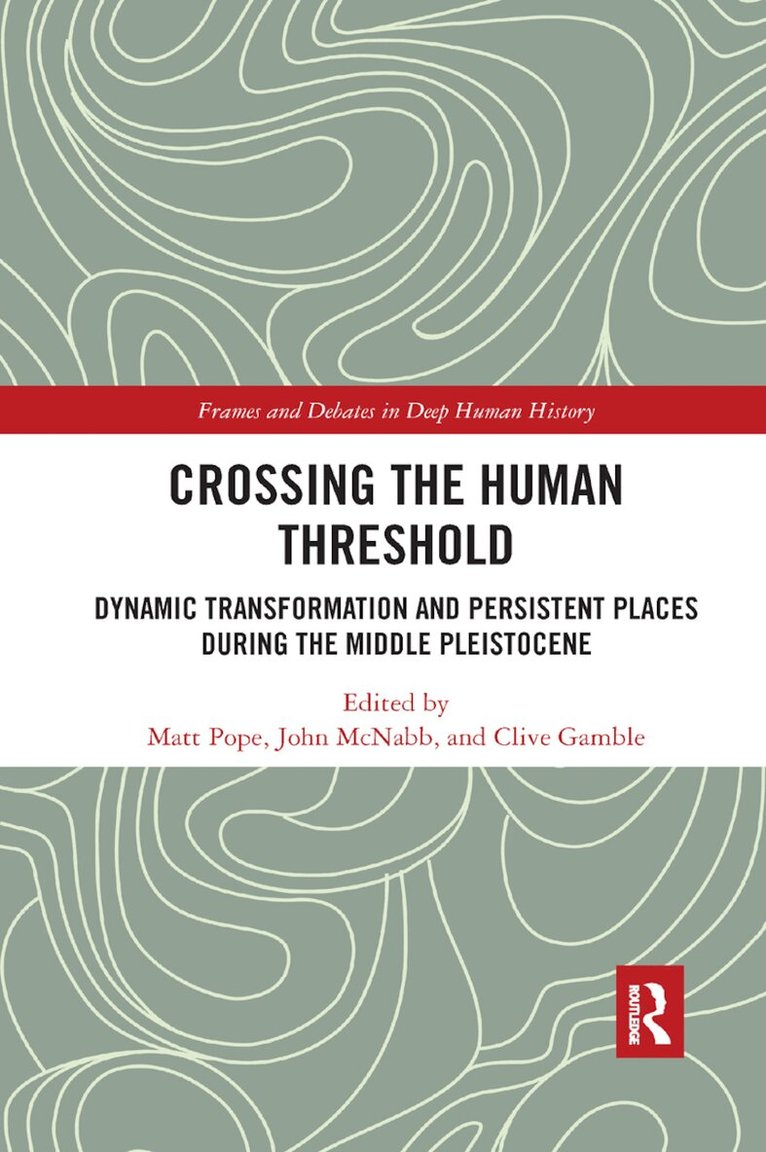
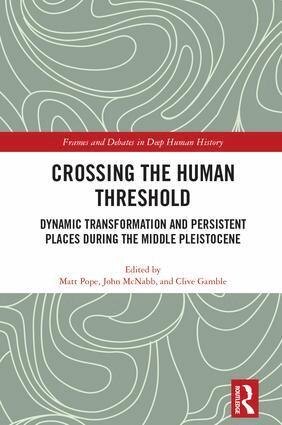
Crossing the Human Threshold
Dynamic Transformation and Persistent Places During the Middle Pleistocene
Av Matt Pope, John McNabb m. fl.
Häftad, 2019
831 kr
Lägg i varukorg
When was the human threshold crossed? What is the evidence for evolving humans and their emerging humanity? This volume explores in a global overview the archaeology of the Middle Pleistocene, 800,000 to 130,000 years ago when evidence for innovative cultural behaviour appeared. The evidence shows …
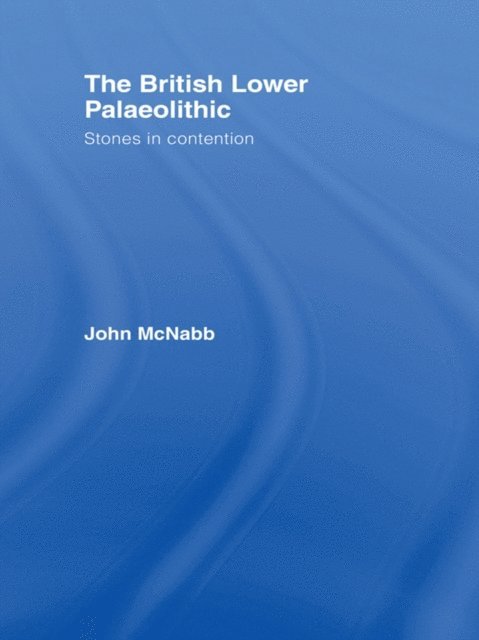
British Lower Palaeolithic
Stones in Contention
Av John McNabb
Inbunden, 2007
1566 kr
Lägg i varukorg
Taking as its central theme the issue of whether early Hominins organized themselves into societies as we understand them, John McNabb looks at how modern researchers recognize such archaeological cultures. He examines the existence of a stone tool culture called the Clactonian to introduce the …
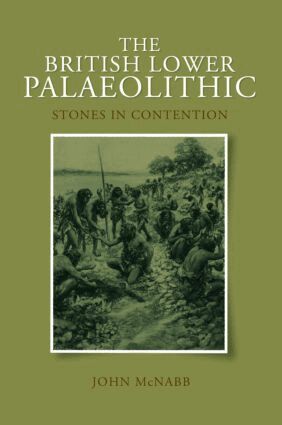
British Lower Palaeolithic
Stones in Contention
Av John McNabb
Häftad, 2007
517 kr
Lägg i varukorg
Taking as its central theme the issue of whether early Hominins organized themselves into societies as we understand them, John McNabb looks at how modern researchers recognize such archaeological cultures. He examines the existence of a stone tool culture called the Clactonian to introduce the …
British Lower Palaeolithic
Stones in Contention
Av John McNabb
E-bok, 2011
607 kr
Lägg i varukorg
Taking as its central theme the issue of whether early Hominins organized themselves into societies as we understand them, John McNabb looks at how modern researchers recognize such archaeological cultures. He examines the existence of a stone tool culture called the Clactonian to introduce the …
British Lower Palaeolithic
Stones in Contention
Av John McNabb
E-bok, 2011
589 kr
Lägg i varukorg
Taking as its central theme the issue of whether early Hominins organized themselves into societies as we understand them, John McNabb looks at how modern researchers recognize such archaeological cultures. He examines the existence of a stone tool culture called the Clactonian to introduce the …
Crossing the Human Threshold
Dynamic Transformation and Persistent Places During the Middle Pleistocene
Av Matt Pope, John McNabb m. fl.
Inbunden, 2017
2824 kr
Lägg i varukorg
When was the human threshold crossed? What is the evidence for evolving humans and their emerging humanity? This volume explores in a global overview the archaeology of the Middle Pleistocene, 800,000 to 130,000 years ago when evidence for innovative cultural behaviour appeared. The evidence shows …
Crossing the Human Threshold
Dynamic Transformation and Persistent Places During the Middle Pleistocene
Av Clive Gamble, John McNabb m. fl.
E-bok, 2017
981 kr
Lägg i varukorg
When was the human threshold crossed? What is the evidence for evolving humans and their emerging humanity? This volume explores in a global overview the archaeology of the Middle Pleistocene, 800,000 to 130,000 years ago when evidence for innovative cultural behaviour appeared. The evidence shows …
Crossing the Human Threshold
Dynamic Transformation and Persistent Places During the Middle Pleistocene
Av Clive Gamble, John McNabb m. fl.
E-bok, 2017
981 kr
Lägg i varukorg
When was the human threshold crossed? What is the evidence for evolving humans and their emerging humanity? This volume explores in a global overview the archaeology of the Middle Pleistocene, 800,000 to 130,000 years ago when evidence for innovative cultural behaviour appeared. The evidence shows …
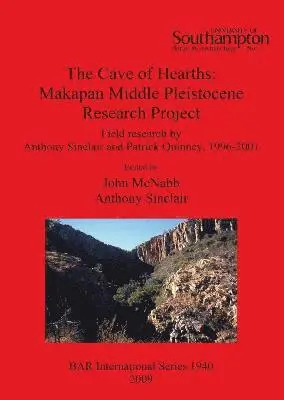
Cave of Hearths: Makapan Middle Pleistocene Research Project
Field research by Anthony Sinclair and Patrick Quinney, 1996-2001
Av John McNabb, Anthony Sinclair
Häftad, 2009
399 kr
Lägg i varukorg
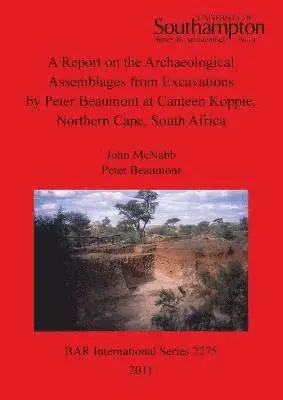
Report on the Archaeological Assemblages from Excavations by Peter Beaumont at Canteen Koppie Northern Cape South Africa
Av Peter Beaumont, John McNabb
Häftad, 2011
449 kr
Lägg i varukorg
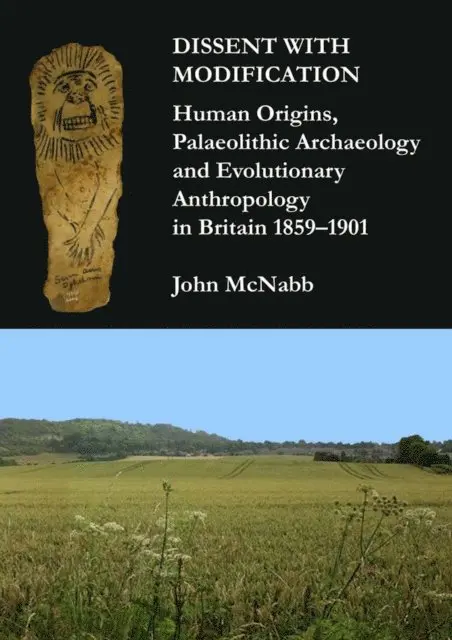
Dissent with Modification: Human Origins, Palaeolithic Archaeology and Evolutionary Anthropology in Britain 1859-1901
Av John McNabb
E-bok, 2012
235 kr
Lägg i varukorg
The author’s original aim in writing this book was to chronicle the story of a very specific debate in human evolutionary studies that took place between the late 1880s and the 1930s – the ‘eolith’ debate that had to do with small, natural stones whose shape and edges suggested to our earliest …
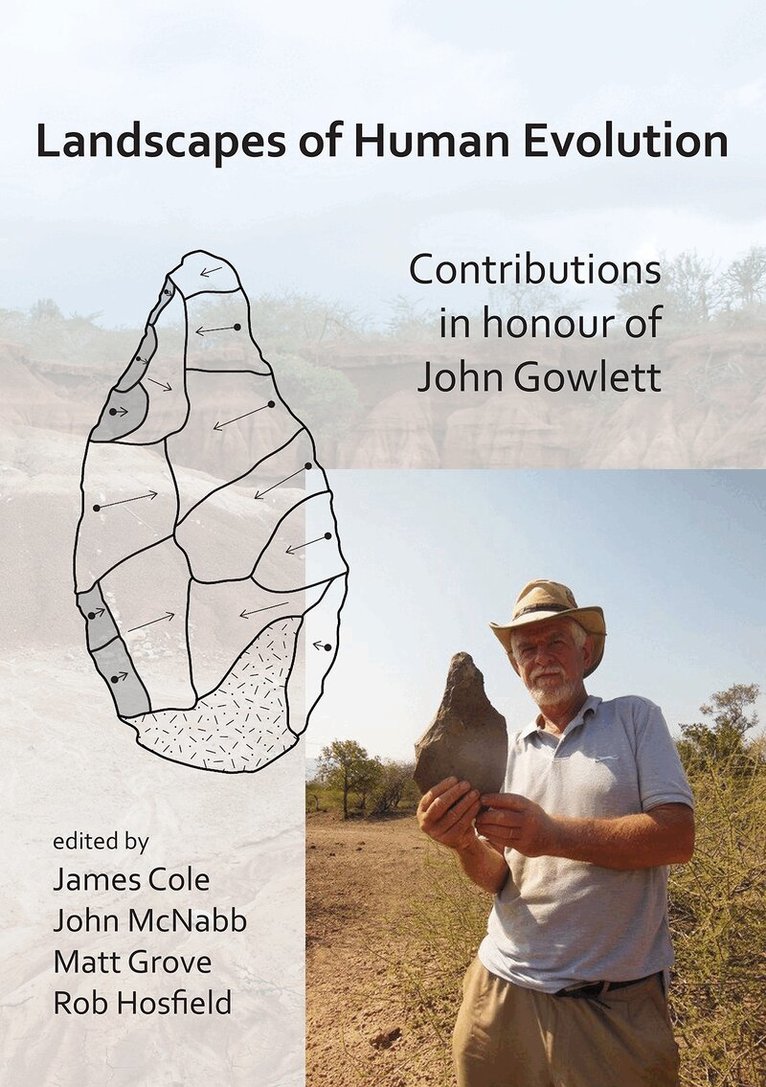
Landscapes of Human Evolution
Contributions in Honour of John Gowlett
Av James Cole, John McNabb m. fl.
Häftad, 2020
558 kr
Lägg i varukorg
Landscapes of Human Evolution is an edited volume in honour of John Gowlett. John has a wide range of research interests primarily focused on the human genus Homo, and is a world leader in understanding the cognitive and behavioural preconditions necessary for the emergence of complex behaviours …
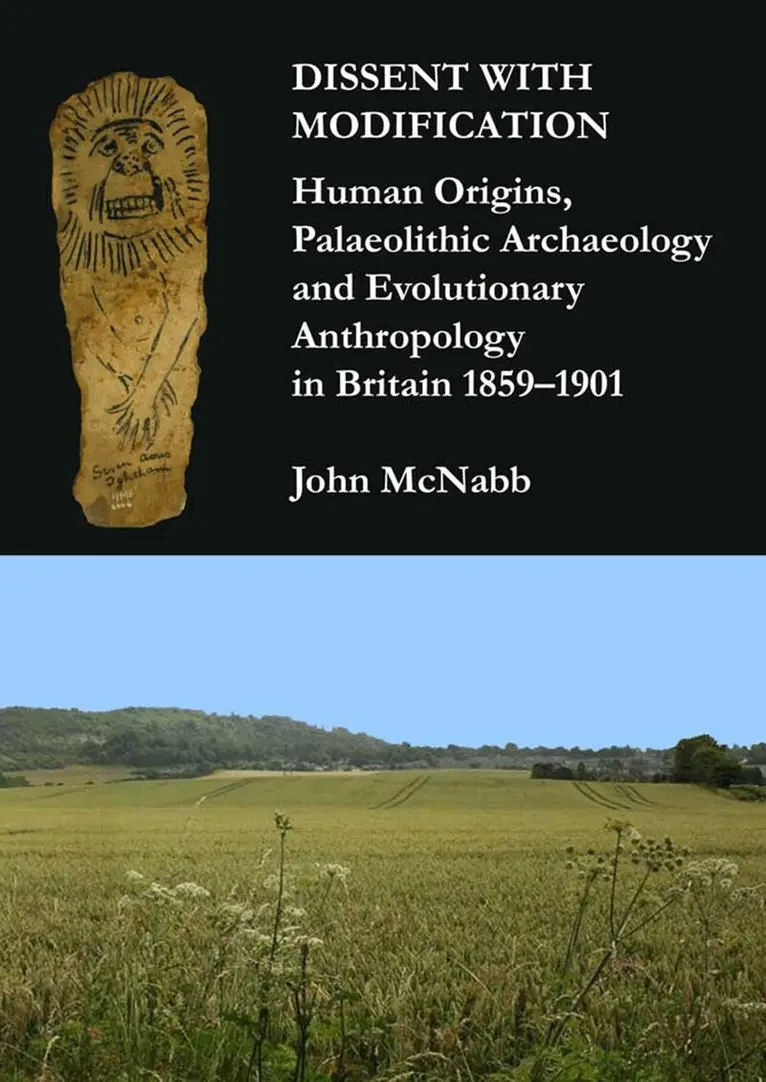
Dissent with Modification: Human Origins, Palaeolithic Archaeology and Evolutionary Anthropology in Britain 1859–1901
Av John McNabb
Häftad, 2012
479 kr
Lägg i varukorg
The author’s original aim in writing this book was to chronicle the story of a very specific debate in human evolutionary studies that took place between the late 1880s and the 1930s – the ‘eolith’ debate that had to do with small, natural stones whose shape and edges suggested to our earliest …