John Picton - Böcker
Visar alla böcker från författaren John Picton. Handla med fri frakt och snabb leverans.
5 produkter
5 produkter
715 kr
Skickas
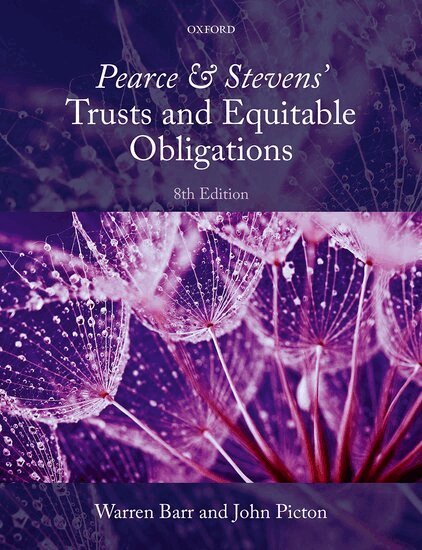
Written in a fresh and lively style and supported by a strong analytical framework, the eighth edition of Pearce & Stevens' Trusts and Equitable Obligations continues to provide students with a relevant and exciting examination of a subject that can seem remote and difficult.The authors take a modern and conceptual approach to the wide array of topics covered in undergraduate equity and trusts modules, helping students explore the many ways in which trusts impact on everyday life, and in the world of finance and commerce. The text is accessible without compromising detailed critical comment, and engages with key issues such as the protection of privacy, enforcing informal promises, trusts and the family home, and assessing public interest in charities.Digital formats and resourcesThe eighth edition is available for students and institutions to purchase in a variety of formats, and is supported by online resources. · The e-book offers a mobile experience and convenient access along with functionality tools, navigation features, and links that offer extra learning support: www.oxfordtextbooks.co.uk/ebooks· The online resources include: flashcards of key terms; bi-annual updates on the latest key developments in equity and trusts; and self-test questions on key topics, with feedback, providing an opportunity for students to test and consolidate their learning. For lecturers, the site provides a test bank of multiple choice questions and PowerPoint slides to use in teaching.
755 kr
Kommande
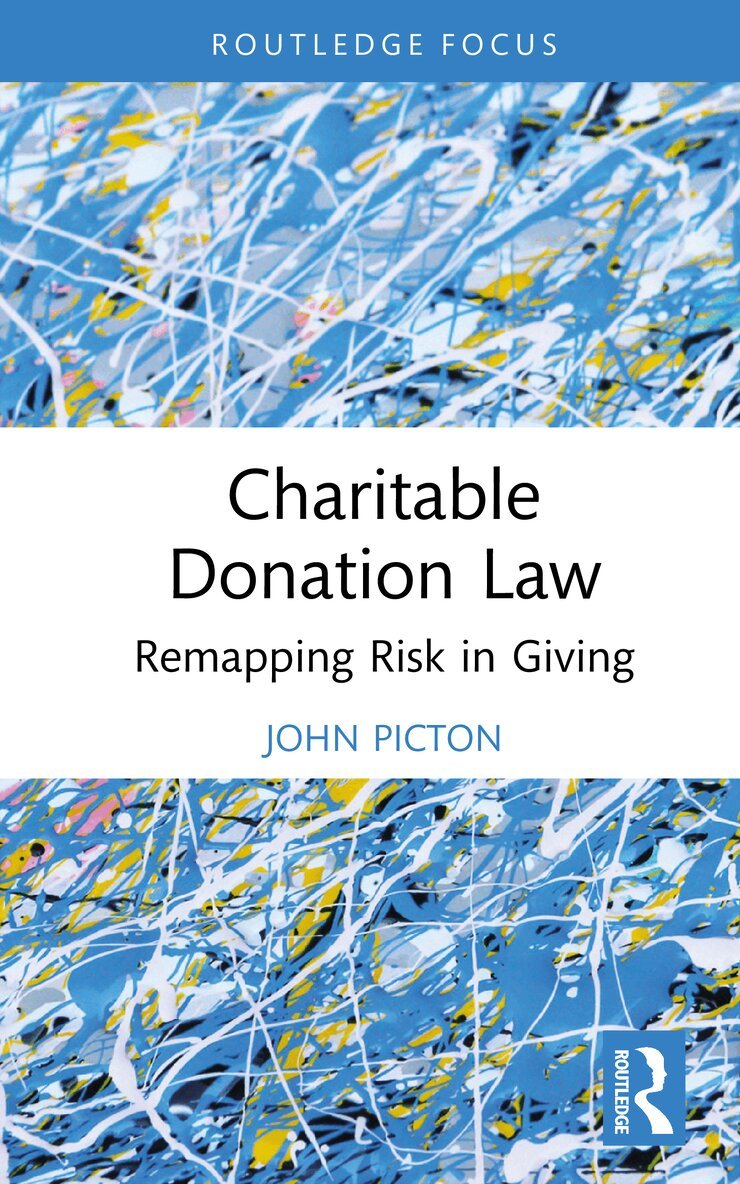
Charitable donation law faces a persistent challenge when testators leave gifts to charities that no longer exist, creating uncertainty that often leads to costly litigation between intended beneficiaries. This book examines how traditional legal scholarship has attempted to resolve these disputes, and proposes fundamental reforms to create more robust, donor-friendly frameworks.Drawing on extensive case law surrounding failed charitable bequests, this book demonstrates how traditional approaches to "mapping" and "bringing order" to legal precedents have failed to address the underlying policy concerns that drive these disputes. Through comparison of various flawed legislative reforms in New Zealand and South Australia, the book identifies the shortcomings of existing approaches and develops a comprehensive blueprint for reform that prioritises legal certainty while protecting donor intentions. Through systematic analysis of judicial reasoning and legislative responses across multiple jurisdictions, this book challenges fundamental assumptions about how charity law should develop and offers concrete proposals for creating more effective legal structures.This interdisciplinary analysis will be of particular interest to researchers in charity law, trusts and estates, and comparative legal studies. The book's integration of doctrinal analysis with policy critique and reform proposals makes it essential reading for academics working at the intersection of private law and social policy.
1 294 kr
Kommande
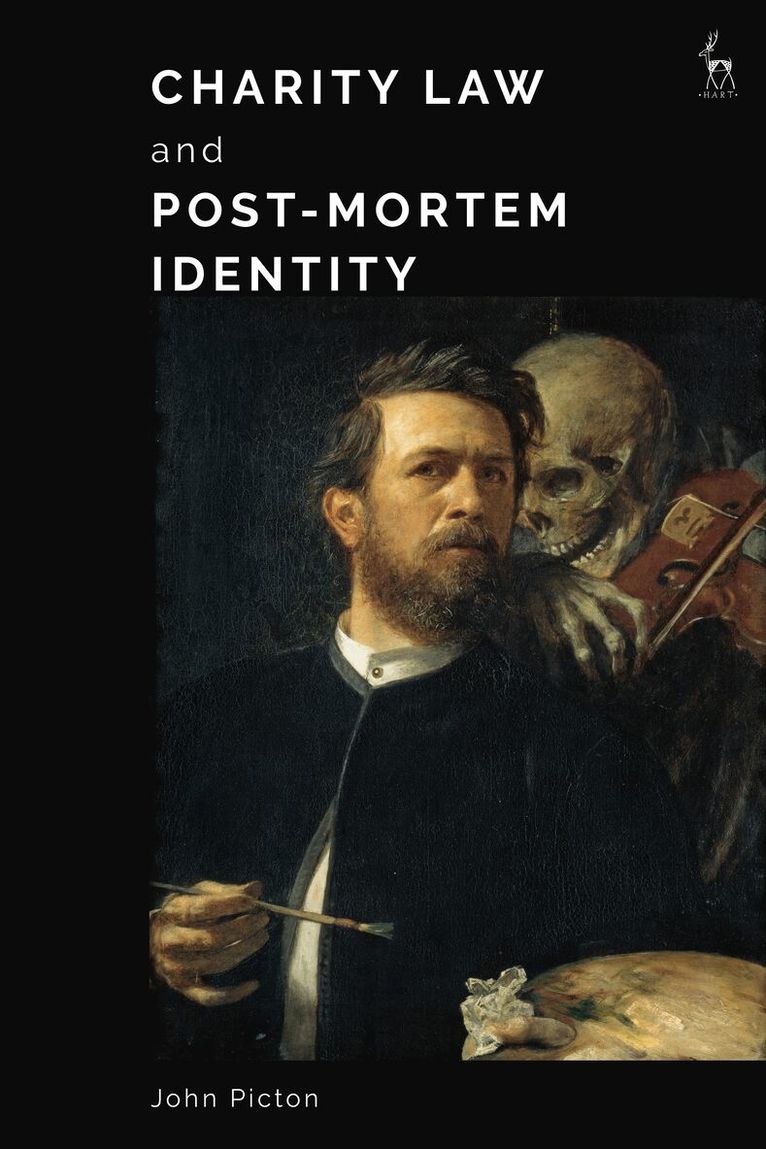
This book looks at how the law allows donors to establish perpetual charitable trusts, bearing the donor’s name, and how it rewards and encourages the pursuit of post-mortem identity.It considers the policy questions raised by post-mortem identity. The law in this area is often complex and uncertain, and that legal unpredictably might deter donors from giving. Attention to post-mortem identity suggests that the law should be made as reliable and predictable as possible. This book theorises the motivation for post-mortem identity and works through its legal implications.It considers the even deeper questions in play and the particular problems which surround post-mortem identity. For example, a donor motivated by the prospect of legal immortality might be led towards bad charity. The donor might try to create a vain or prejudiced organisation. The book looks at the context of these issues, the policy challenges faced by the law, and the way in which the rules need to control and limit the donor’s wishes.
621 kr
Skickas inom 10-15 vardagar
Charitable organisations occupy a central place in society across much of the world, accounting for billions of pounds in revenue. As society changes, so does the law which regulates nonprofit organisations. From independent schools to foodbanks, they occupy a broad policy space. Not immune to scandals, sometimes nonprofits are in the news for all the wrong reasons and so, when they are in the public eye, regulators must respond to high profile cases. In this book, a team of internationally recognised charity law experts offers a modern take on a fast-changing policy field. Through the concept of policy debates it moves the field forward, providing an important reference point for developing scholarship in charity law and policy. Each chapter explores a policy debate, setting out the fault-lines in play, and often offering proposals for reform.Two important themes are explored in this edited collection. First, there is a policy tension in charity law between its largely conservative history and the need to keep up-to-date with social change. This pressure is felt acutely along key fault-lines, such as the extent to which a body of law which developed before the advent of legislated human rights is able to adapt to a rights-based world, and the extent to which independent schools – historically so closely linked with charity – might deserve their generous tax-breaks. The second theme explores the law from the perspective of a good-faith regulator, concerned to maximise the usefulness of charities. From the need to reform old organisations, to the need to ensure that charities enjoy the right amount of regulatory freedom in a world of payment-by-result contracts, the book critically charts the policy justifications for regulatory intervention, as well as the costs that such intervention might bring. Debates in Charity Law will be of interest to both academic researchers and students of the non-profit sector, looking to understand the links between law, social change and regulation. It will also help and guide nonprofit employees and volunteers, showing how their sector is shaped and moulded by the law.
1 445 kr
Kommande
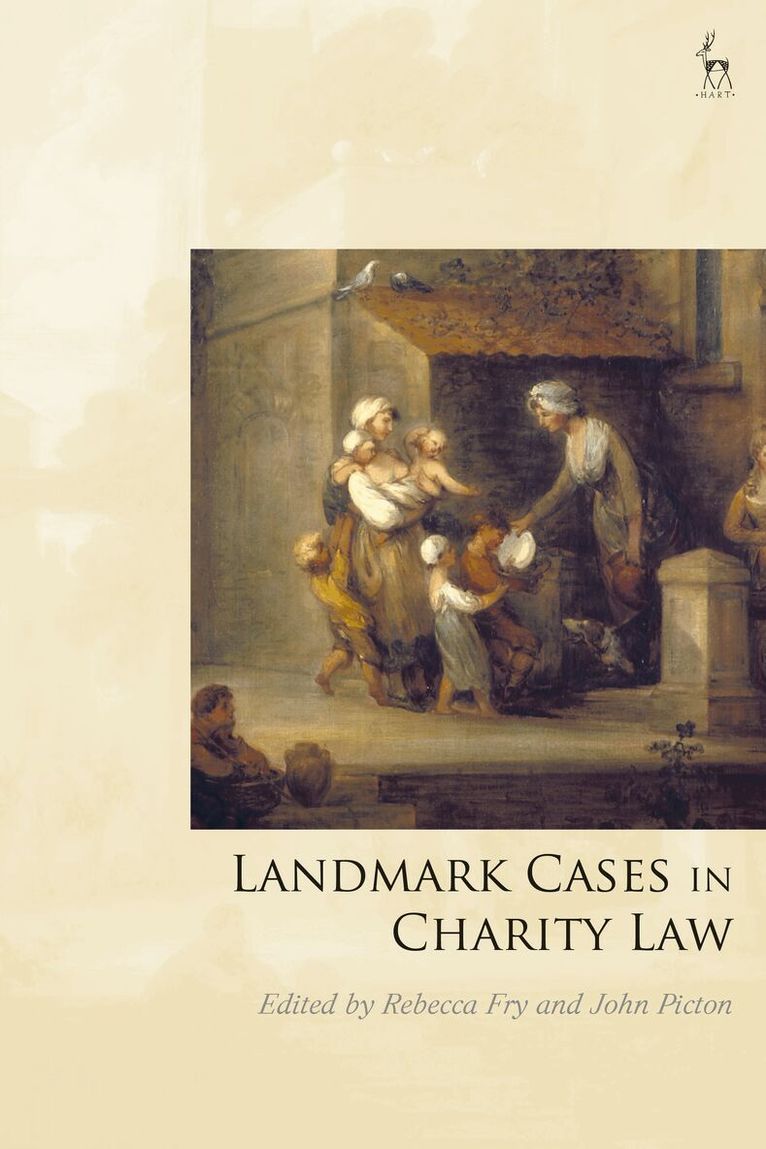
Part of the iconic Landmark Cases series, this book brings the most significant cases in charity law together for the first time. More than four hundred years have passed since the concept of charity was first given statutory legal form in England in the Statute of Charitable Uses of 1601. This book explores the substantial body of judge-made rules and principles developed since then, highlighting a carefully curated selection of the landmark cases which have shaped charity law. Each chapter analyses one or more judicial decisions, setting them in their historical context, explaining their contemporary importance, and considering their future relevance. The selected cases cover a broad range of topics. Some go to the heart of what it means to be a charity, elucidating charity’s legal definition and public benefit requirement. Others demonstrate how charity law has been shaped by its interaction with other bodies of law, including trust law, company law and equality law, and by emerging tensions between trustees’ overriding duty to further the charity’s purposes and broader moral obligations or ethical considerations. The book has a core focus on English precedents, but the cases are touchstones in many jurisdictions. Our contributors therefore include scholars, judges and practitioners from Australia, Canada, New Zealand and Singapore, as well as from the UK. The result is a book that sheds new light on the application and development of charity law’s defining rules and principles across the common law world.